Giulio Rebellato at 136 Rue de la Pompe sits within the 16th arrondissement's established Italian fine-dining corridor, where classical technique meets French market produce. The address has carried the Rebellato name for decades, placing it among Paris's longer-tenured Italian tables. Visitors should book in advance and expect a room that prizes formality over fashion.
Pearl is the En Primeur Club membership app — saves, bookings, and concierge access live there. Same editors, same standards.
- Address
- 136 Rue de la Pompe, 75116 Paris, France
- Phone
- +33147275026
- Website
- rebellato.paris
- Directions
- Get directions
 Saves & bookings on Pearl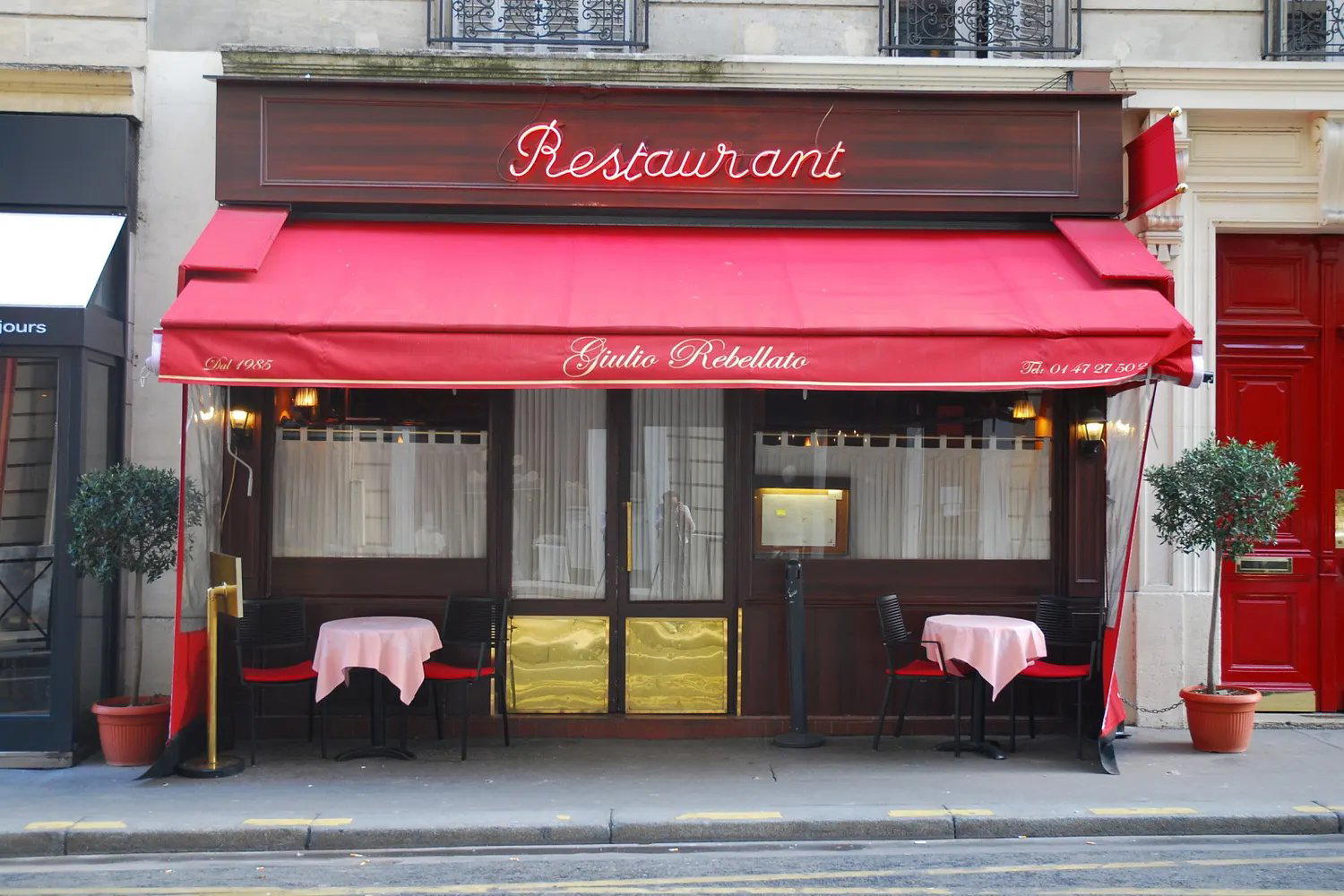
Italian Fine Dining in the 16th: A Longer View
Paris has always maintained a parallel track of Italian restaurants operating at the summit of the market, distinct from the trattorias of the Marais or the pizza counters of the Left Bank. The 16th arrondissement, with its established residential wealth and conservative dining preferences, became the natural home for this category. Giulio Rebellato at 136 Rue de la Pompe is an Authentic Italian Trattoria in Paris's 16th arrondissement, with a typical spend of about $50 per person. Where newer Italian tables in Paris emphasise open kitchens, natural wine lists, and pared-back plating, the 16th's traditional Italian rooms operate on a different register: tablecloths, formal service cadences, and a kitchen vocabulary rooted in northern Italian classical cooking.
That positioning matters for understanding what Giulio Rebellato is and what it is not. It does not compete with the Franco-Japanese fusion of Kei or the inventive tasting menus at Alléno Paris au Pavillon Ledoyen. Its comparable set is smaller and more specific: Italian tables in Paris that have maintained classical cooking over multiple decades, where the measure of quality is consistency and sourcing rather than creative disruption.
The Intersection of Italian Technique and French Produce
The central tension in any serious Italian restaurant outside Italy is the question of ingredients. Italian cooking's classical canon was built around specific regional products: San Marzano tomatoes, Piedmontese beef, Alba truffles, Ligurian olive oil. An Italian kitchen operating in Paris must decide how much to import and how much to adapt, and that decision defines the character of the food more than any single technique.
Paris gives any skilled kitchen an extraordinary market to work with. The Île-de-France basin produces some of France's leading root vegetables and dairy. Brittany delivers shellfish that few Italian coastal regions can match. Normandy's cream and butter are structural ingredients in French haute cuisine and transfer naturally into northern Italian preparations where richness is already expected. Particularly coherent Italian tables in Paris do not try to replicate an Italian experience using French produce as a poor substitute. They treat French market supply as a parallel tradition to be read through Italian technique, allowing the geography to evolve the dish without abandoning its architecture.
This approach connects Giulio Rebellato to a broader French culinary conversation. French regional cooking has always borrowed and absorbed: the Alsatian tradition carries Germanic influence, the Basque kitchen shares vocabulary with northern Spain, and Mediterranean France overlaps considerably with Ligurian and Piedmontese cooking. Auberge de l'Ill in Illhaeusern is one example of a kitchen that synthesises regional identity with classical French discipline. Bras in Laguiole does something similar with Aubrac terroir. The question for an Italian kitchen in Paris is whether it can achieve the same kind of grounded coherence across the border.
The 16th Arrondissement as a Dining Context
The 16th is not where Paris's restaurant critics congregate on a Tuesday night. The neighbourhood's dining room tends to be local, loyal, and older than the average Marais or Saint-Germain crowd. That insularity has kept some tables here resistant to the waves of trend that periodically sweep through Parisian dining. It also means that longevity in the 16th is a different credential than longevity in, say, the 1st or 7th. A long-running table here has survived by satisfying a specific, consistent clientele rather than by reinventing itself for food media cycles.
For comparison, the 7th's leading tables operate in a more internationally legible frame. Arpège and L'Ambroisie draw a global audience alongside their local regulars. Le Cinq at the Four Seasons George V operates partly as a hotel dining room with an international guest list built in. The restaurant's position in the 16th places it closer to the neighbourhood-institution model, where reputation is earned locally before it travels. That does not diminish the table, but it does mean first-time visitors from outside the arrondissement may arrive with less prior information than they would at a more heavily documented address.
For those building a broader French fine dining itinerary, the country's regional tables offer useful contrast. Mirazur in Menton, Flocons de Sel in Megève, and Troisgros in Ouches each represent how regional ingredient identity shapes kitchen output in ways that a Paris address, however accomplished, cannot fully replicate. Les Prés d'Eugénie in Eugénie-les-Bains and Georges Blanc in Vonnas show how long-established French tables maintain prestige through generation and consistency, a model that Italian dining institutions in Paris have drawn on.
Planning Your Visit
The restaurant is located at 136 Rue de la Pompe in the 16th arrondissement, accessible via the Rue de la Pompe metro station on Line 9, placing it a short walk from the address. The 16th's dining rooms at this level tend to operate on conventional French restaurant hours: lunch service and dinner service with a break between, closed on at least one day through the week. Given the neighbourhood's character and the establishment's history, arriving without a reservation carries risk, particularly at dinner.
Dress code expectations at addresses of this type in the 16th default to smart casual at minimum, with the room's formality suggesting that business or smart attire will read better than casual dress.
At-a-Glance Comparison
Comparable venues nearby, for context on price, style, and recognition.
| Venue | Cuisine | Price | Notes |
|---|---|---|---|
| Giulio RebellatoThis venue — the venue you are viewing | Authentic Italian Trattoria | $$$ | Not listed |
| Da Graziella | Authentic Neapolitan Pizza | $$$ | 10th arrondissement |
| IDA by Denny Imbroisi | Modern Italian Gastronomy | $$$ | Montparnasse |
| Limone | Modern Italian | $$$ | 16th arrondissement |
| Cafe San Francisco | Modern Italian Bistro | $$$ | Passy |
| Sogno | Authentic Italian Regional | $$$ | 16th arrondissement |
Continue exploring
More in Paris
Restaurants in Paris
Browse all →

Bars in Paris
Browse all →
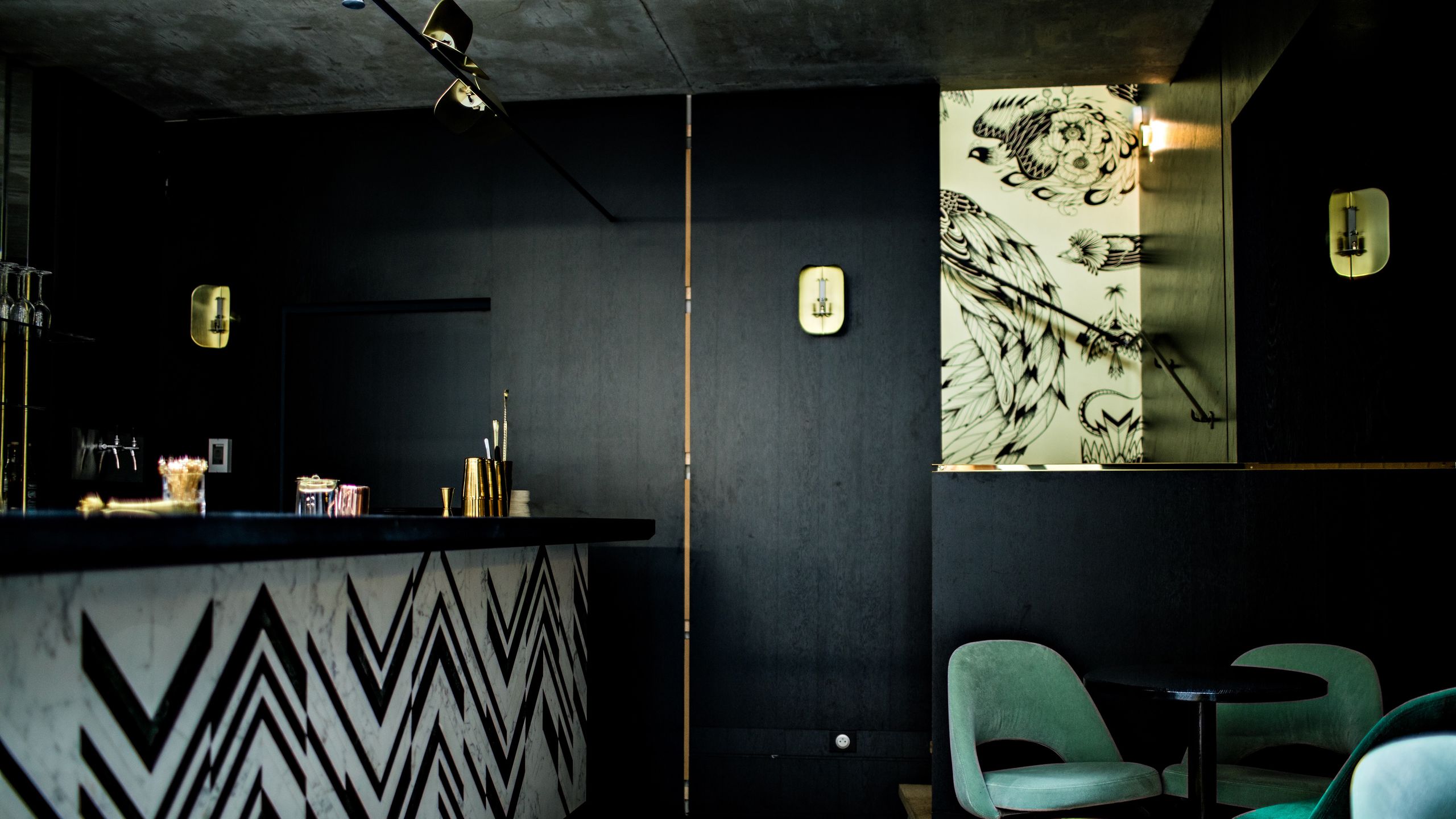
Hotels in Paris
Browse all →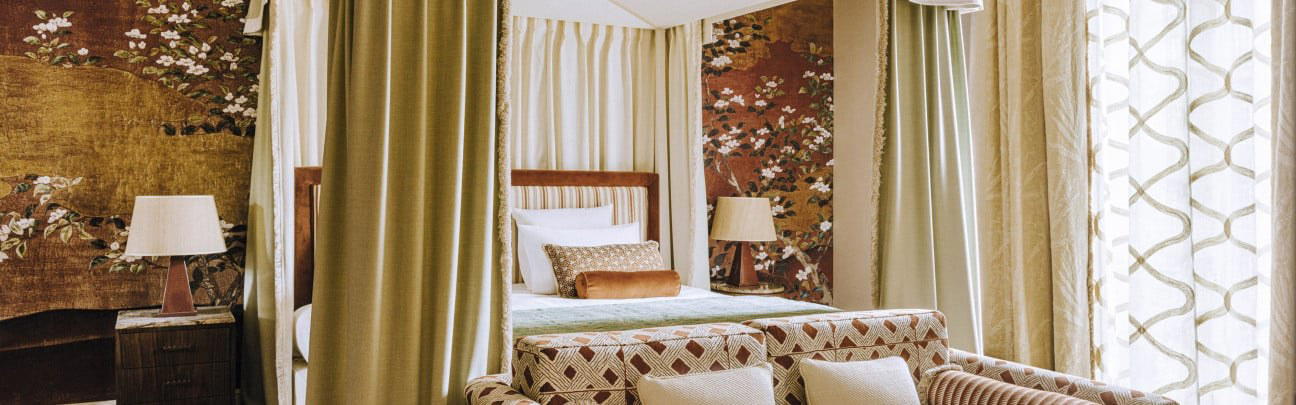
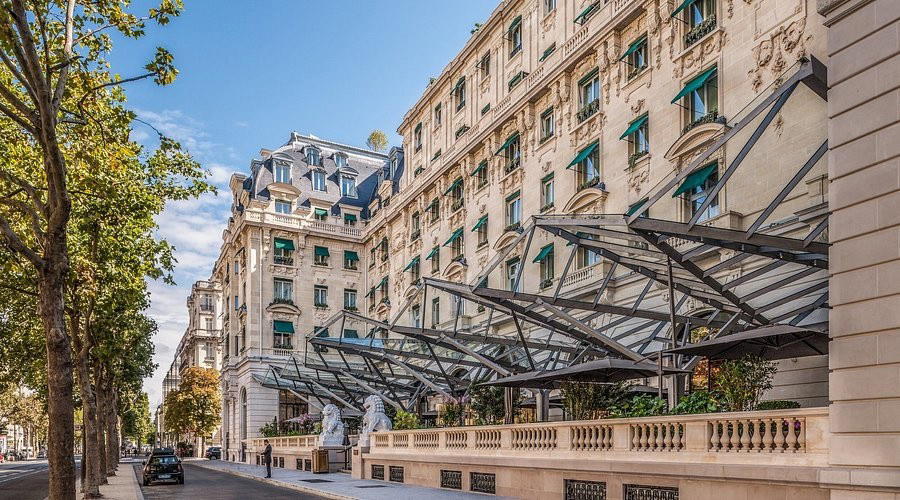
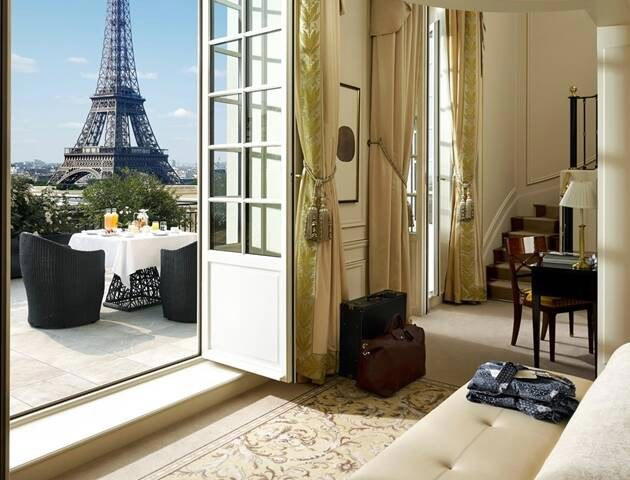
At a Glance
- Classic
- Cozy
- Elegant
- Date Night
- Group Dining
- Casual Hangout
- Terrace
- Street Scene
Current opening hours
- Monday
- 12–2:30 PM, 7–11 PM
- Tuesday
- 12–2:30 PM, 7–11 PM
- Wednesday
- 12–2:30 PM, 7–11 PM
- Thursday
- 12–2:30 PM, 7–11 PM
- Friday
- 12–2:30 PM, 7–11 PM
- Saturday
- 12–2:30 PM, 7–11 PM
- Sunday
- 12–2:30 PM, 7–11 PM
Hours can change for holidays and private events. Last verified .
Cozy with subdued lighting, pink tapestries evoking Venetian drawing rooms, and a popular terrace; can be noisy when full.