
Naminino Curry belongs to Osaka’s serious small-counter curry culture, where the format is compact, lunch-led and judged by repeat recognition rather than dining-room theatre. Its Tabelog Curry WEST “Tabelog 100” selections in 2019, 2020, 2023 and 2024 place it inside a competitive Kansai curry tier, while the low price band keeps the decision refreshingly direct.
Pearl is the En Primeur Club membership app — saves, bookings, and concierge access live there. Same editors, same standards.
- Address
- 大阪府大阪市北区天神橋筋7-3-8 天六センタービル 3F
- Phone
- +818025697318
- Website
- tabelog.com
 Saves & bookings on Pearl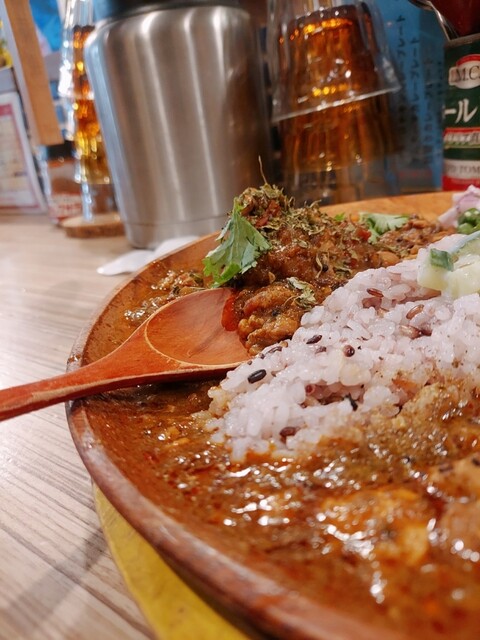
The approach to a small curry room in Osaka often tells the story before the first spoonful: narrow circulation, a compact counter, a short service window, and a menu engineered for focus rather than breadth. Naminino Curry fits that pattern. It is not part of the city’s luxury dining circuit, and that is the point. In a city where curry ranges from railway-station fuel to spice-driven specialist counters, the serious end is often defined by restraint: few seats, tight rhythm, and a menu that asks diners to trust the house’s core preparation rather than assemble a sprawling meal.
That format matters because Osaka curry has its own internal hierarchy. Recognition on Tabelog’s Curry WEST “Tabelog 100” list in 2019, 2020, 2023 and 2024 signals repeat visibility among Kansai curry specialists, not a one-season spike. The listed Tabelog score of 3.67 is another cue: this is a narrow, enthusiast-led field where small differences in execution carry weight. For travellers building a dining day around Osaka’s famous comfort foods, curry can be the sharper counterpoint, less theatrical than takoyaki or kushikatsu, but often more revealing about how the city eats when it is not performing for visitors.
A nine-seat curry counter built around compression, not choice
Menu architecture at this level is rarely about abundance. The question is not how many options a curry counter offers, but how tightly the kitchen controls rice, sauce, heat, toppings and drinks inside a short lunch-sized arc. Naminino Curry’s nine seats sharpen that logic. Small counters in Japan make weak concepts obvious; there is no large dining room, cocktail list or elaborate service choreography to disguise an unfocused plate. Curry has to carry the meal.
The restaurant’s listed category is simply curry, which is more informative than it looks. Osaka’s specialist curry culture includes Japanese curry rice, spice curry, hybrid plates and shop-specific variations that do not translate neatly into English menu labels. A plain category label usually means the diner should read the room rather than expect a long cuisine explainer. The award history does the credential work: repeated Curry WEST selections place the restaurant among western Japan’s notable curry addresses, where consistency and audience memory matter.
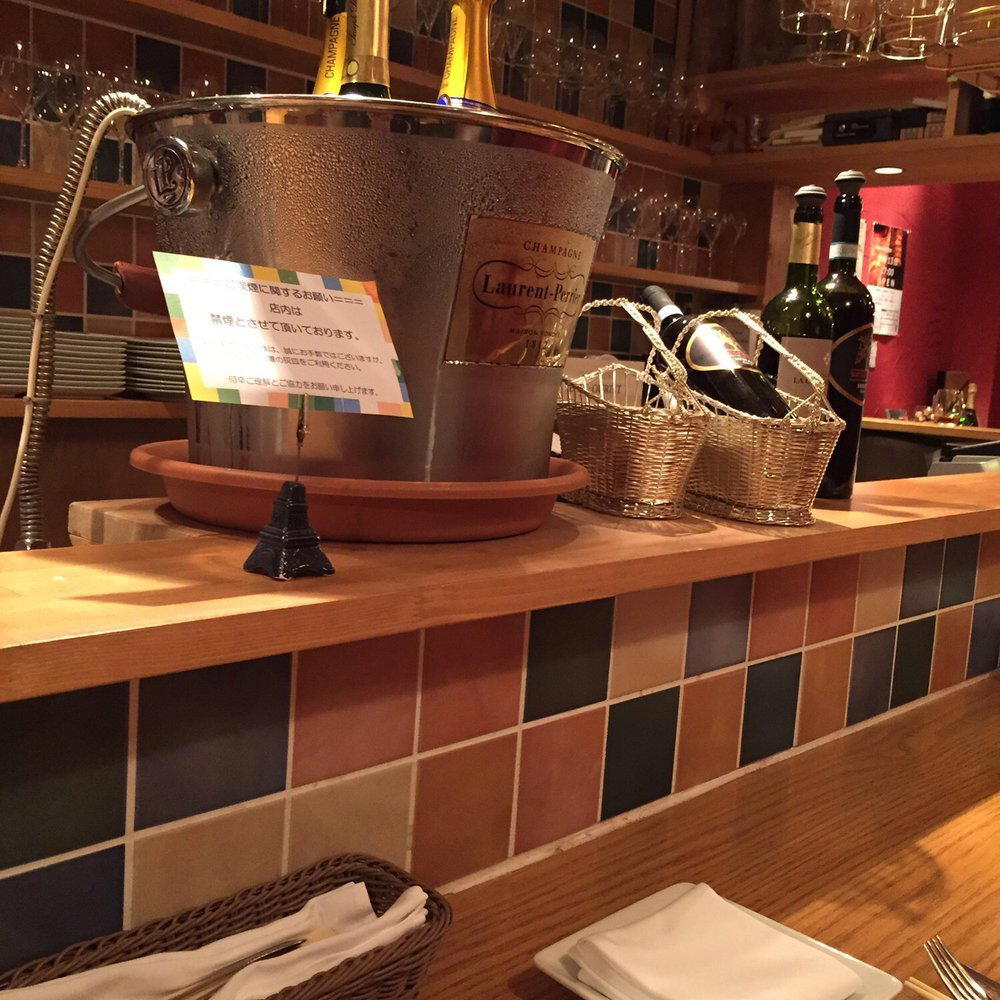
There is also a small but telling beverage signal. The listing notes attention to wine and a sommelier available, unusual pairing language for a casual curry counter. That does not turn the meal into fine dining, but it suggests a menu built beyond the default soft-drink-and-water model. In Osaka, where compact restaurants often use one specialist detail to separate themselves from generic lunch trade, wine service beside curry reads as a deliberate structural choice rather than ornament.
Tenjinbashisuji's everyday food culture gives the format its edge
Tenjinbashisuji Rokuchome sits at the northern end of one of Osaka’s great everyday food corridors. The area rewards compact formats: counters, bakeries, cafés, ramen shops, standing bars and small specialist rooms that survive on regulars as much as destination diners. Context matters. A curry counter here competes not with formal tasting menus, but with an unusually dense field of affordable, high-frequency eating. The margin for a weak lunch is thin.
For a broader Osaka crawl, Naminino Curry works well as one precise stop in a day of contrasts, not a ceremonial reservation. The city’s casual spectrum can run from pork buns at 551 Horai (551蓬莱) to bakery culture at 52CHO-ME BAKERY, café pacing at .cafe, Neapolitan-leaning pizza at 99 Pizza Napoletana Gourmet and Italian dining at a canto (Italian). Those are different registers, but together they show Osaka’s eating culture is not only famous street snacks. The city is especially strong at small formats with a clear thesis.
Compared with higher-spend Osaka rooms such as Kosuda or Kuma no Yakitori 106, the appeal is not luxury substitution. It is precision at a lower-intensity tier. Compared with more casual peers such as Alcyon or Cafe Fate, the Curry WEST record gives the counter a clearer category credential. That distinction helps travellers with limited meals: this stop belongs in a tightly edited itinerary because it represents a specific Osaka subculture, not because it tries to cover every occasion.
How to place it inside an Osaka itinerary
The smarter way to use the restaurant is as a focused daytime meal, building around the neighbourhood rather than overloading the day with another heavy lunch. Osaka rewards that pacing. A curry counter can anchor midday, then leave room for coffee, a market walk, an evening bar or a more formal dinner elsewhere. For citywide planning, Our full Osaka restaurants guide gives the wider dining frame, while Our full Osaka bars guide, Our full Osaka hotels guide, Our full Osaka wineries guide and Our full Osaka experiences guide help separate food-led days from broader city planning.
Travellers comparing curry across Japan should note how regional context changes the category. Sapporo’s soup-curry associations, Kyoto’s quieter specialist counters and Tokyo’s dense casual dining grid all produce different expectations around spice, rice and service pace. For comparison outside Osaka, see [Curry Senmon Ten] Maruyama Kyoju. in Sapporo and [ki:] in Kyoto. Broader Japanese casual formats can be mapped through -Grilled beef Sukiyaki- KAMAKURA TANUKIAN 鎌倉 たぬき庵 in Kamakura. 鮪と炭火焼き うお炭 秋葉原店 in Tokyo.know in Kumamoto and (Shoku) Vietnam in Kawasaki. Japanese food culture abroad adds another lens through Jōdo Saké Bar in Los Angeles and Onigiri Time in Pasadena.
The editorial read is simple: the restaurant is for diners who value a small-format specialist over a broad menu and understand that Osaka’s serious casual dining often hides ambition inside repetition, discipline and speed. The repeated Curry WEST recognition supplies the trust signal; the counter scale supplies the discipline. For a city that can tempt visitors into eating only its loudest dishes, this is a quieter but more instructive expression of how Osaka does everyday precision.
City Peers
Comparable venues by cuisine and category.
| Venue | Cuisine | Price | Notes |
|---|---|---|---|
| Naminino CurryThis venue — the venue you are viewing | Japanese Curry | $$ | Not listed |
| Sangourmand | A5 Wagyu Hamburger Steak & Omurice Yoshoku | $$ | Kita |
| Ramen Yashichi | Japanese Ramen | $$ | Kita |
| ZEN LABORATORY | Modern ramen & tsukemen | $$ | Kita |
| Synergy | Japanese Curry | $$ | Kita |
| yacipoci | Modern Japanese standing bar (izakaya-style) | $$ | Chūō |
Recognition history
Dated appearances from independent guides and award organizations, with the underlying list record or original source where available.
Tabelog 100 #85 · No. 85
Tabelog · Tabelog 100 - Curry - WEST - 2024
Continue exploring
More in Osaka
Restaurants in Osaka
Browse all →




Bars in Osaka
Browse all →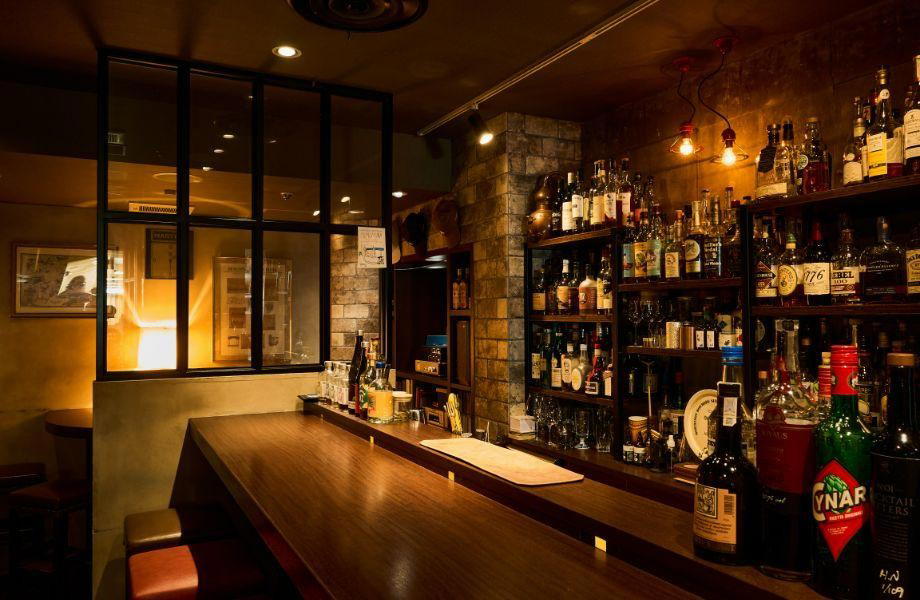
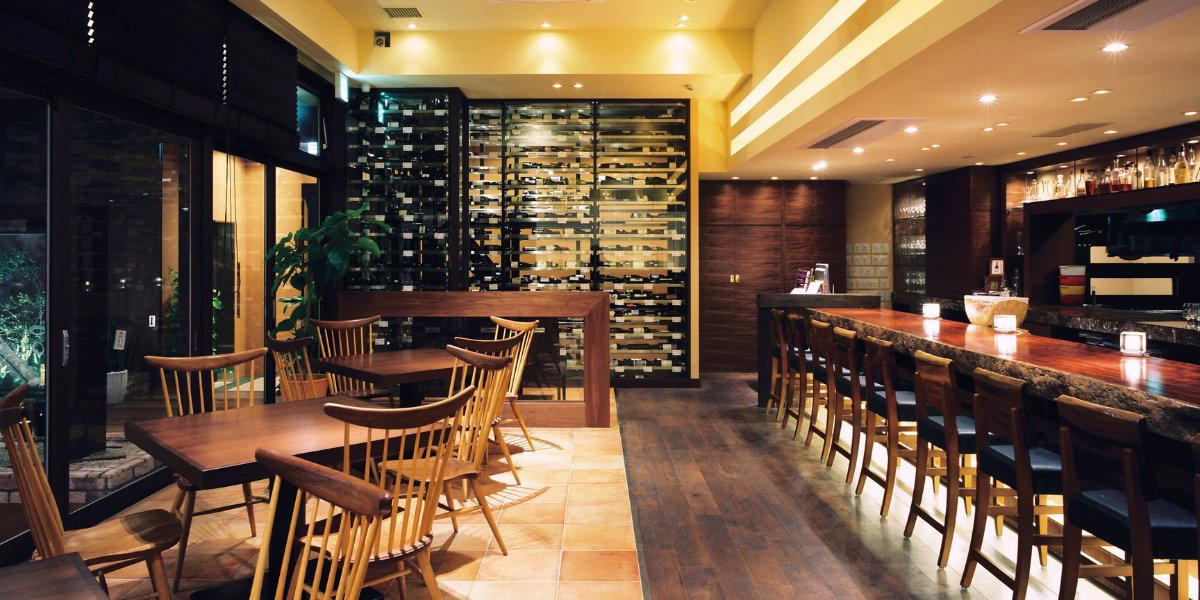


Hotels in Osaka
Browse all →



Wineries in Osaka
Browse all →
At a Glance
- Cozy
- Intimate
- Quiet
- Solo
- Casual Hangout
- Standalone
- Zero Proof
- Street Scene
A small, no-frills curry shop with a quiet, tucked-away feel and a cozy 9-seat interior.