
Atari Ya sits in Osaka’s serious soba tier rather than the city’s louder street-food conversation. Its Tabelog 100 Soba WEST 2025 selection, compact 21-seat format, counter seating and Higashimikuni location make it a useful address for travellers who plan meals around specialist craft rather than spectacle.
Pearl is the En Primeur Club membership app — saves, bookings, and concierge access live there. Same editors, same standards.
- Address
- 5 Chome-11-22 Higashimikuni, Yodogawa Ward, Osaka, 532-0002, Japan
- Phone
- +81 6-6391-8585
- Website
- atariyasoba.com
 Saves & bookings on Pearl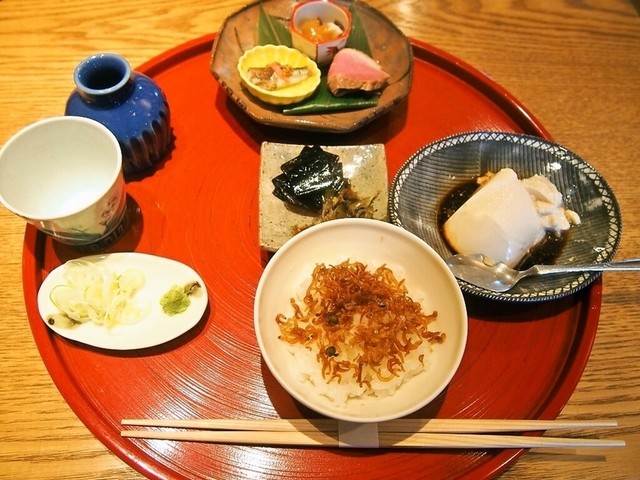
Higashimikuni does not announce itself with Namba’s neon density or Umeda’s department-store polish. North-side Osaka is practical: station exits, residential blocks, modest shopfronts, and restaurants reliant less on tourist traffic than repeat local judgment. Here, soba is not a snack between sights or a theatrical tasting-menu performance, but a meal of timing, patience and quiet craft in noodle, broth, pacing and restraint.
That matters in Osaka, more often discussed through takoyaki, okonomiyaki, kushikatsu and late-night counter food. Soba belongs to another register: quieter, exacting, and dependent on regulars who know a casual noodle stop from a specialist house. Atari Ya’s selection for Tabelog 100 Soba WEST 2025 places it in that conversation. Because soba rarely travels internationally as easily as sushi or ramen, category-list recognition tells informed travellers where local scrutiny has already filtered.
Osaka soba for travellers who plan beyond the obvious food circuit
Osaka’s noodle culture is often framed through udon and ramen, especially around Shin-Osaka and the transit-heavy north. Nearby comparisons show the price and format spread: Jukusei Udon Nakaya and Jonetsu Udon Sanshu Shin'osaka ten sit in the lower everyday udon bracket, while Chuka Soba Kokokara Sakie and Tai Paitan Ramen ○de▽ represent the ramen side of the local noodle map. Atari Ya takes a different lane. Soba’s appeal is not abundance or speed, but calibration: buckwheat character, dipping-sauce balance, and a small room turning a simple meal into a test of attention.
The 21-seat scale matters. Small soba restaurants in Japan reward diners who treat the meal as planned, not a fallback between commitments. Counter seating tightens tempo, keeps the room close to the work, reduces the distance between kitchen and diner, and suits a cuisine where texture and timing are central even when the menu language looks spare. This is not the broad, multi-concept Osaka of food halls and station complexes; it is the side of the city where one category is worked seriously enough to draw recognition beyond the neighbourhood.
For travellers, the question is less whether soba is more exciting than Osaka’s famous street foods than where it fits. A soba meal can reset a trip heavy on fried batter, sauce and late-night drinking. It also pairs naturally with a north-Osaka day built around Shin-Osaka arrivals, residential wandering or a quieter lunch before the city’s evening intensity. It does not replace the obvious Osaka canon; it adds a disciplined counterweight.
A recognised soba address in a city that rewards advance thought
Booking and timing shape serious dining in Japan, but the lesson is not always scarcity; it is appropriateness. Some rooms are built for lingering, some for turnover, and some for diners who understand that small capacity narrows the margin for casual planning. Atari Ya should be treated as part of the day’s architecture. Compact seating, specialist category and Tabelog 100 Soba WEST 2025 recognition all suggest this is not a random drop-in to leave until the last minute of an overpacked schedule.
The award context separates it from broader Osaka lists that can blur for visitors. Tabelog’s Hyakumeiten lists are category-specific, useful for cuisines outside global dining media’s centre. A western Japan soba selection is not the same signal as a Michelin star, but it is a meaningful local filter: the restaurant has been judged within its craft, not against a generic luxury template. That suits soba, where pleasure often lies in proportion and repetition rather than novelty.
Price positioning reinforces the middle ground between everyday noodles and destination fine dining. In the Osaka comparison set, several noodle and bakery counters cluster around lower daily-use budgets, including de tout PAINDUCE Ekimarushie shinōsaka ten near the station orbit. The restaurant sits above that casual bracket without entering the high-spend tasting-menu economy, appealing to travellers who value specialist recognition without making every serious meal ceremonial.
There is also neighbourhood intelligence. Higashimikuni is not the default base for first-time visitors planning Osaka around Dotonbori photographs and Umeda retail. That relative remove changes expectations: the reward is not a dramatic setting, but a local dining pattern and a room selected for craft rather than postcard value. Osaka’s restaurant culture is too broad to understand only through central nightlife districts.
How to place it within an Osaka itinerary
The restaurant works as a deliberate soba stop in a wider Osaka plan, particularly for travellers who already know the city’s louder dishes and want less performance. The practical calculus is simple: small format, category recognition, and a location outside the main visitor crush. Those facts make planning more important than spontaneity, especially on days involving rail movement through the city’s northern side.
For broader context, Our full Osaka restaurants guide maps the city’s dining range beyond single-category specialists. Travellers comparing casual, regional and international options can also look at .cafe, 52CHO-ME BAKERY, 551 Horai (551蓬莱), 99 Pizza Napoletana Gourmet and a canto (Italian). These show how quickly Osaka moves from bakery and pork-bun queues to Neapolitan pizza and Italian dining; soba adds a quieter, more traditional axis.
Dining rarely sits alone in a serious Osaka trip. Our full Osaka hotels guide helps place neighbourhood decisions around rail access and evening plans, while Our full Osaka bars guide, Our full Osaka wineries guide and Our full Osaka experiences guide broaden the itinerary beyond meals. Readers extending the Japan food map can compare specialist addresses elsewhere, from -Grilled beef Sukiyaki- KAMAKURA TANUKIAN 鎌倉 たぬき庵 in Kamakura and. 鮪と炭火焼き うお炭 秋葉原店 in Tokyo to.know in Kumamoto, (Shoku) Vietnam in Kawasaki, [Curry Senmon Ten] Maruyama Kyoju. in Sapporo and [ki:] in Kyoto. For a transpacific Japanese-food lens, Jōdo Saké Bar in Los Angeles and Onigiri Time in Pasadena show how category-specific Japanese formats translate outside Japan.
The editorial case for the restaurant is specific rather than inflated: a recognised soba restaurant in north Osaka, set apart by category focus, compact scale and local award validation. In a city famous for volume and appetite, that restraint is the reason to pay attention.
Compact Comparison
Comparable venues by price and recognition.
| Venue | Cuisine | Price | Notes |
|---|---|---|---|
| Atari YaThis venue — the venue you are viewing | Yodogawa, Traditional Japanese Soba | $$ | Not listed |
| Chitose (千とせ) | Minami Horie, Osaka-style Okonomiyaki | $$ | Not listed |
| Ramen Yashichi | Kita, Japanese Ramen | $$ | Not listed |
| Yakiniku fujimoto Umeda ohatsu tenjin ten | Not listed | $$ | Kita, Yakiniku (Japanese BBQ) |
| Manryo Higobashi ten | Nishi, Osaka Yakiniku & Wagyu Grill | $$ | Not listed |
| Kitahama Choji | Chūō, Donburi-style Japanese curry | $$ | Not listed |
Recognition history
Dated appearances from independent guides and award organizations, with the underlying list record or original source where available.
Tabelog 100 #44 · No. 44
Tabelog · Tabelog 100 - Soba - WEST - 2025
Continue exploring
More in Osaka
Restaurants in Osaka
Browse all →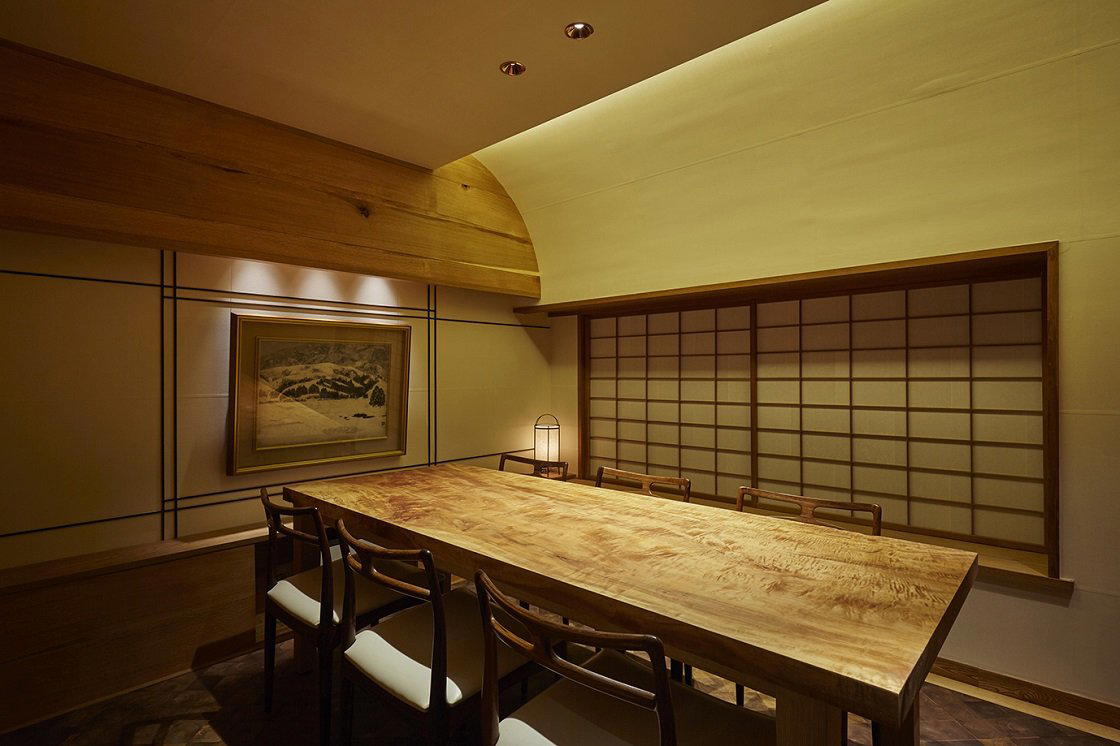




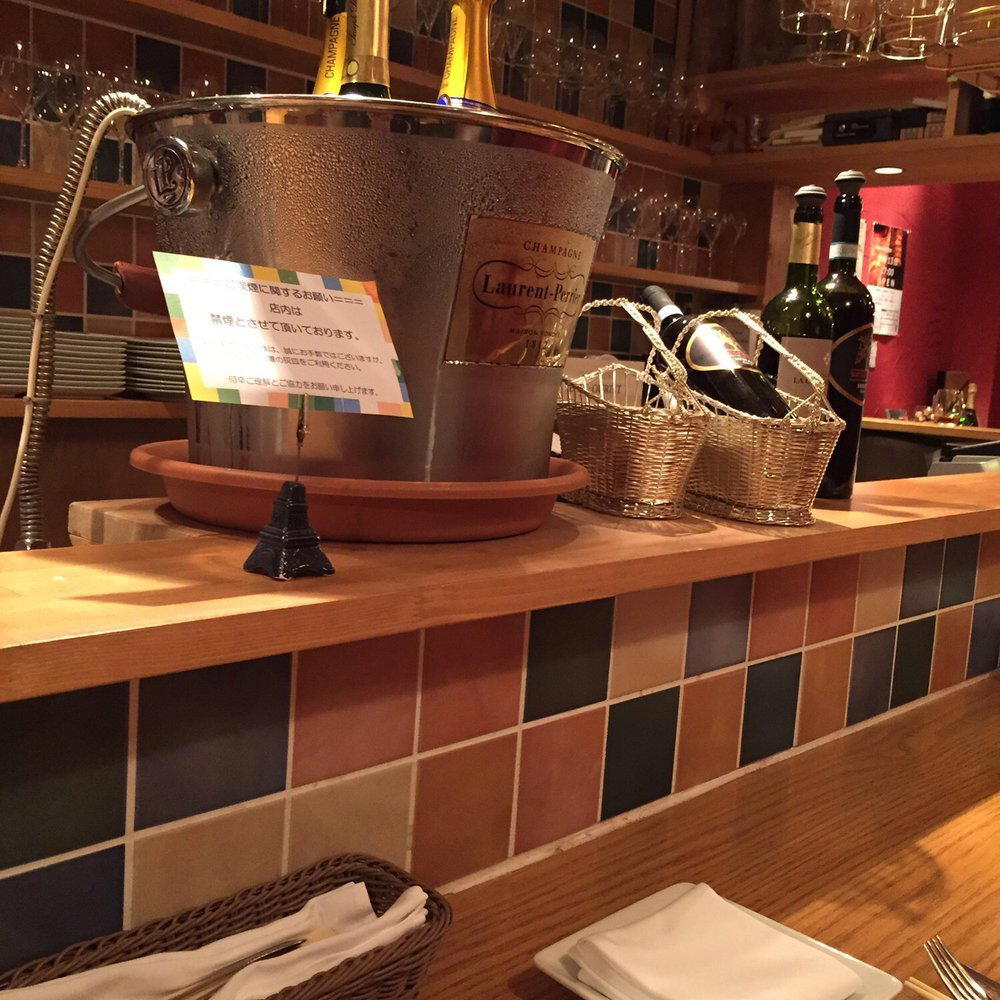
Bars in Osaka
Browse all →



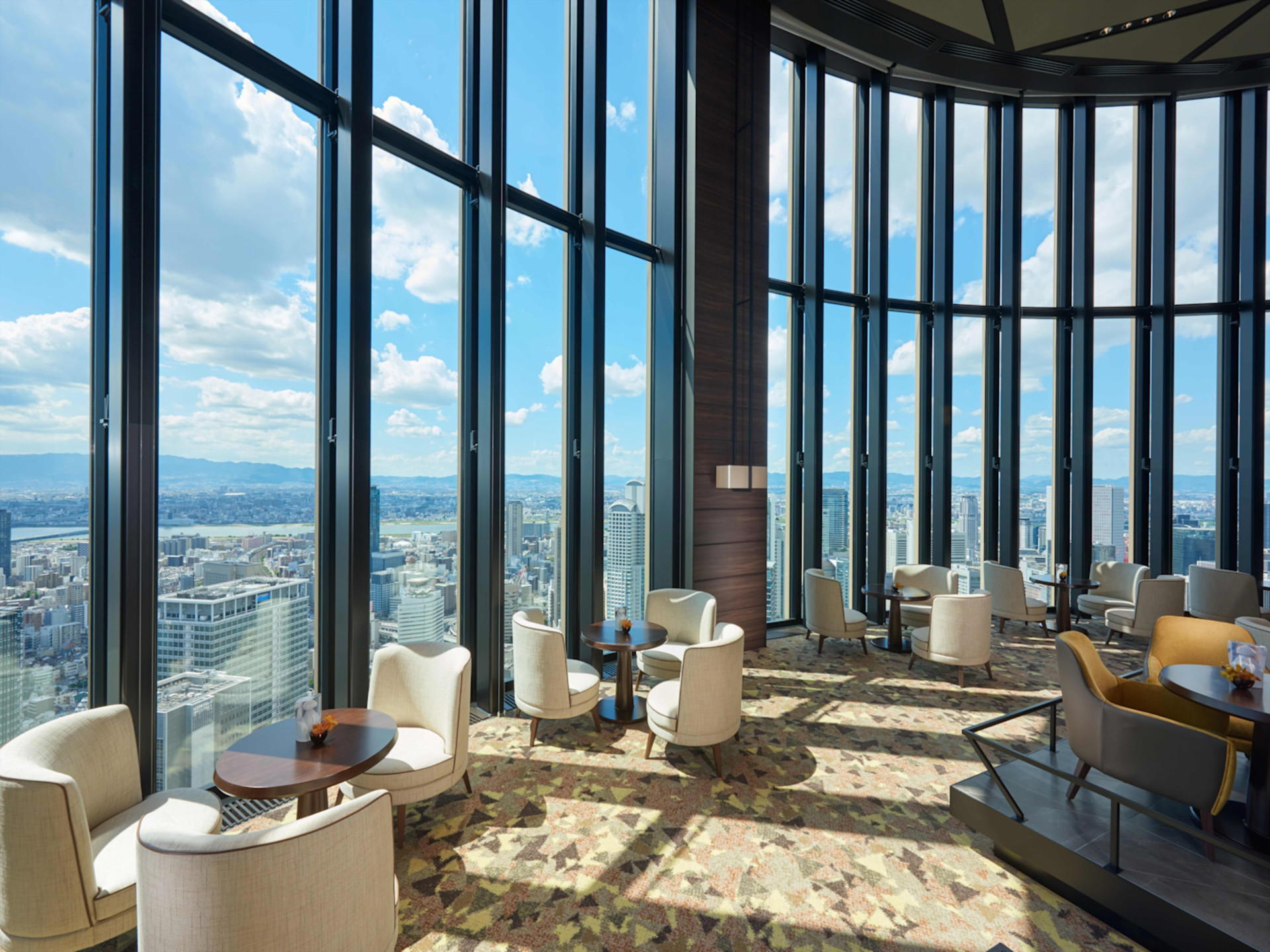
Hotels in Osaka
Browse all →



Wineries in Osaka
Browse all →
At a Glance
- Classic
- Cozy
- Solo
- Family
- Casual Hangout
- Group Dining
- Standalone
- Sake Program
Current opening hours
- Monday
- 11:30 AM–2:30 PM, 6–10 PM
- Tuesday
- Closed
- Wednesday
- 11:30 AM–2:30 PM, 6–10 PM
- Thursday
- 11:30 AM–2:30 PM, 6–10 PM
- Friday
- 11:30 AM–2:30 PM, 6–10 PM
- Saturday
- 11:30 AM–2:30 PM, 6–10 PM
- Sunday
- 11:30 AM–2:30 PM, 6–10 PM
Hours can change for holidays and private events. Last verified .
Quiet, relaxed, and traditional, with a small counter-seating layout and a comfortable neighborhood-restaurant atmosphere.