
Tabelog 100 #66
Our verdict
A seven-seat counter in Nishishinbashi frames soba as an evening format rather than a quick noodle stop, pairing buckwheat noodles with nihonshu in a compact sake-bar setting. Soba Kiri Sake Daigu’s repeated Tabelog 100 Soba selections, including EAST 2025, put it in Tokyo’s serious soba tier without the ceremony of luxury kaiseki.

Pearl is the En Primeur Club membership app, where members save venues, book tables and use the concierge.
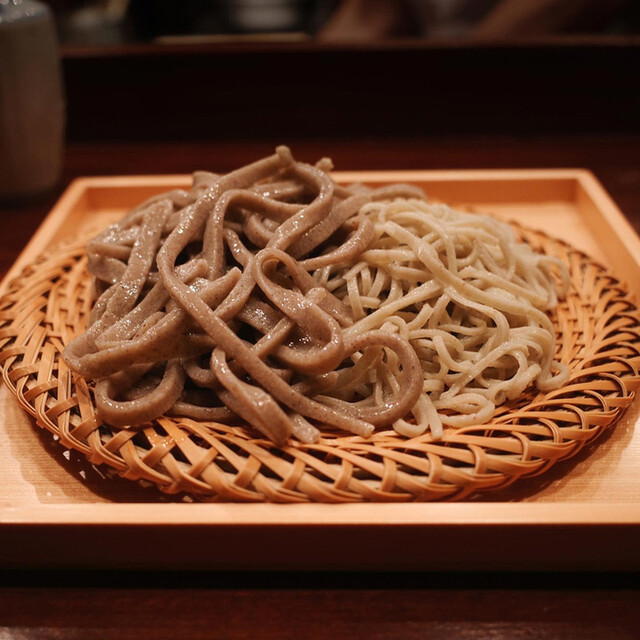
In Tokyo, the mood changes after office hours: business-day pace gives way to small counters, sake bottles, and the city’s quieter after-work dining grammar. Soba fits naturally: lunch in ten minutes, or an evening built around buckwheat, small plates, and measured nihonshu. Soba Kiri Sake Daigu sits in the second camp, turning a humble noodle tradition into a controlled, adult dinner.
That distinction matters in Tokyo, where soba has never been only noodles. Edo-period soba culture joined speed, craft, and drinking habits long before modern tasting menus structured everything. Today’s serious soba scene can run from austere noodle specialists, where the final bowl is the entire argument, to sake-led formats where soba closes a progression of drinking food. Read this address as a soba-and-sake venue, not a noodle shop with drinks attached.
A soba address built around nihonshu discipline
The classification is the first editorial clue. Soba Kiri Sake Daigu is listed as Soba and Japanese sake bar, creating a narrower promise than a general Japanese restaurant: less drift, more focus, and a format rewarding diners there for sake as much as soba. That defines the category without needing spectacle. The experience is best understood as focused, deliberate, and built around the relationship between buckwheat and Japanese sake.
Tokyo’s premium soba addresses often use restraint as a signal, but restraint varies. In some places, it means minimal seasoning and hard focus on noodle texture. In others, it means an edited evening leaving space for sake. Here, soba and Japanese sake bar classification point to the latter. The meal reads less like a casual noodle stop than a disciplined drinking dinner, with buckwheat as anchor.
The format explains the price band: above casual soba, below Tokyo’s trophy-counter economy. Dinner is listed at JPY 6,000 to JPY 7,999. That is far from a quick standing-soba stop and closer to a specialist drinking-led dinner. Value is not noodle volume; it is focus, sake compatibility, and the precision expected from a Hyakumeiten-listed soba address.
Where Edo buckwheat meets a modern tasting-room mindset
The tension is not simply local versus foreign. Soba is intensely local to Japanese dining culture, while the modern specialist format can bring tasting-room discipline: controlled pacing, limited distraction, and a host-led rhythm the guest accepts. That fusion is common across serious Tokyo food culture, from sushi counters to yakitori rooms, but soba gives it a different emotional register. Buckwheat grounds the meal. Sake gives it range.
Tabelog Hyakumeiten recognition is the cleanest public trust signal. Soba Kiri Sake Daigu was recognized in 2025, with a listed Tabelog score of 3.72 and a dinner budget of JPY 6,000 to JPY 7,999. In a category as deep as Tokyo soba, that recognition matters because specialist addresses rely on consistency, clarity, and a strong point of view rather than scale.
There is city logic, too. Tokyo’s business dining, after-work drinking culture, and serious specialist venues all create the right environment for a soba-sake address. That setting suits a focused restaurant: aligned with weekday seriousness, yet apart from dining circuits that flatten Japanese food into checklists. Compared with Shimbashi Sasada’s broader Japanese register or Mitaka’s kaiseki framing, this is narrower. The question is not whether a diner wants “Japanese cuisine,” but whether the evening should revolve around buckwheat and nihonshu.
Tokyo travelers often over-index on sushi and ramen because those categories are easier to decode abroad. Soba requires another reading: the noodle is only part of the meal; drinking, pacing, and seasonality shape the experience. For a broader map, Our full Tokyo restaurants guide gives contrast, while other dining in Tokyo can show how differently the city handles specialist meals, casual counters, and drinking-led dinners. Lighter Tokyo detours use a different dining vocabulary altogether.
How to read the commitment before choosing the room
This is a compact evening proposition, not an all-purpose restaurant. The venue is in Tokyo, and its public classification is Soba and Japanese sake bar. That should set expectations before booking: this is not a broad-menu convenience choice, but a focused address for diners who want buckwheat and nihonshu to define the night.
Practical planning should follow the same logic. Diners wanting broad convenience should choose elsewhere; those wanting a compact soba-and-sake evening in Tokyo will understand the trade.
For planning beyond dinner, Tokyo’s hospitality and drinking circuits can be mapped through Our full Tokyo hotels guide, Our full Tokyo bars guide, Our full Tokyo wineries guide, and Our full Tokyo experiences guide. Wider Japan comparisons show how specific this format is: unnamed regional dining rooms may operate from very different assumptions about pacing, cuisine, and service. Even overseas Japanese-inspired formats underline the point: soba in Tokyo is not a generic Japanese export category, but a local discipline with its own rules.
Frequently asked questions
Where is Soba Kiri Sake Daigu in Tokyo?
Soba Kiri Sake Daigu is located in Tokyo.
Is Soba Kiri Sake Daigu more mid-range or high-end?
Pricing at Soba Kiri Sake Daigu is listed as JPY 6,000 - JPY 7,999.
Should I book Soba Kiri Sake Daigu in advance?
It is best approached as a focused soba and Japanese sake bar in Tokyo, with the listed dinner budget at JPY 6,000 - JPY 7,999.
What has Soba Kiri Sake Daigu built its reputation on?
Its reputation rests on Tabelog Hyakumeiten recognition in 2025, plus a focused format: soba and nihonshu in Tokyo. The price range sits at JPY 6,000 - JPY 7,999, which places it in an accessible but serious dinner tier.
Booking and Cost Snapshot
Side-by-side context: comparable cuisine and price.
| Venue | Cuisine | Price | Awards | Notes |
|---|---|---|---|---|
| Soba Kiri Sake DaiguThis venue (the venue you are viewing) | Traditional Soba & Sake Counter | $50–100 | Tabelog 100 #66 | Not listed |
| New Shin Mikan | Sea urchin and oyster-focused Japanese izakaya counter | $50–100 | Tabelog 100 #58 | Minato, Sea urchin and oyster-focused Japanese izakaya counter |
| Akasaka Gosen | Kaiseki with Soft-Shelled Turtle | $150–200 | Not listed | Minato, Kaiseki with Soft-Shelled Turtle |
| Koi Nobori | High-end Yakiniku & Horumon Counter | $100–150 | Tabelog 100 #46 | Shinjuku, High-end Yakiniku & Horumon Counter |
| kouenji yakiniku kokochi Honten | Yakiniku (Japanese BBQ) & Offal Grill | $50–100 | Tabelog 100 #96 | Suginami, Yakiniku (Japanese BBQ) & Offal Grill |
| Shimura Tokujuen | Japanese Yakiniku (Beef Tongue Speciality) | $100–150 | Tabelog 100 #61 | Itabashi, Japanese Yakiniku (Beef Tongue Speciality) |
Recognition history
Dated appearances from independent guides and award organizations, with the underlying list record or original source where available.
Tabelog 100 #66 · No. 66
Tabelog · Tabelog 100 - Soba - EAST - 2025
Continue exploring
More in Tokyo
Restaurants in Tokyo
All restaurants in Tokyo →

Bars in Tokyo
All bars in Tokyo →
Details
- Cozy
- Intimate
- Classic
- Solo
- After Work
- Casual Hangout
- Date Night
- Business Dinner
- Chefs Counter
- Standalone
- Sake Program
- Set Menu
- Counter Dining
- A La Carte
- Sake
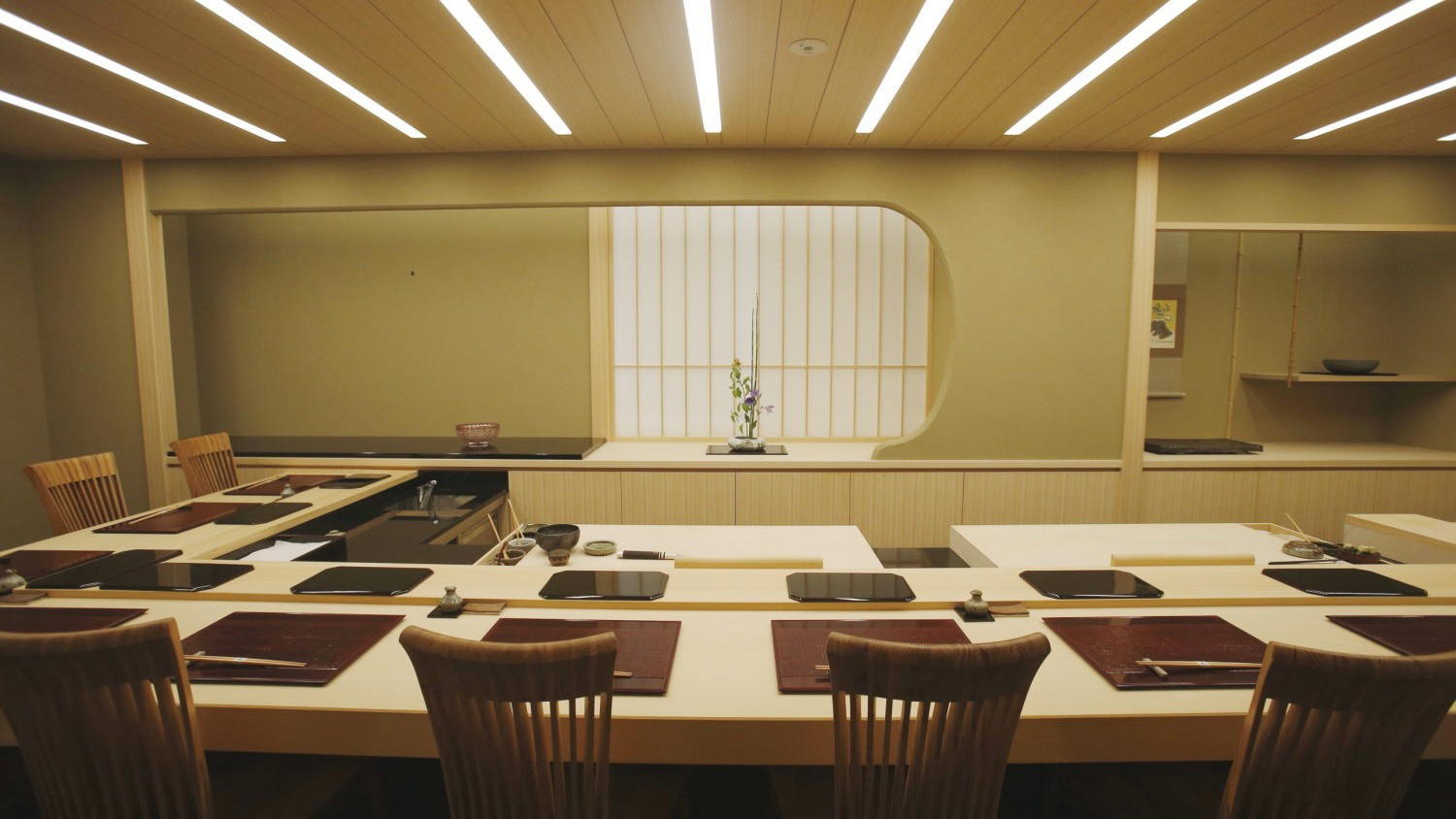
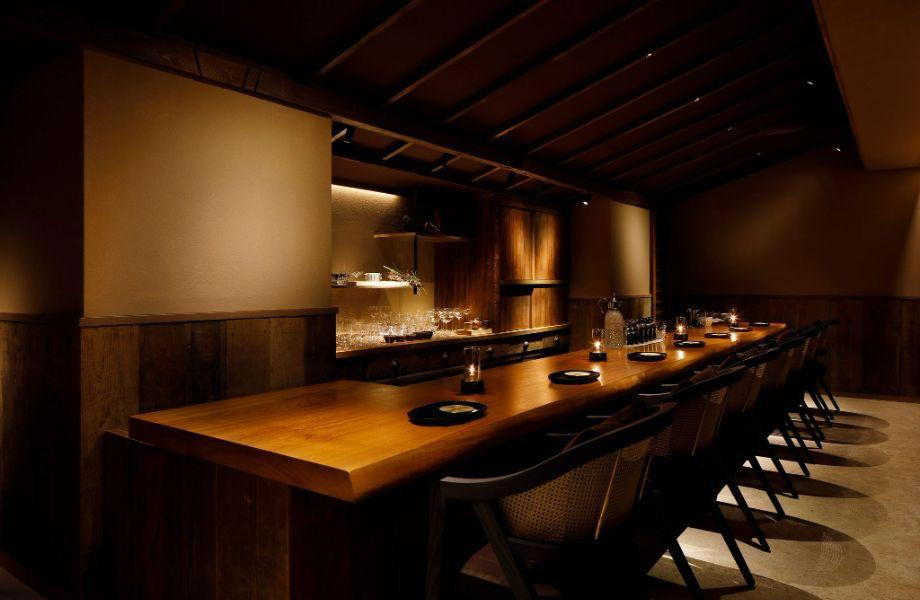
Small, non-smoking counter-only space in Nishi-Shimbashi with a relaxed, quietly focused atmosphere designed for adults to enjoy soba and curated sake at a leisurely pace.