
Michelin Bib Gourmand
Our verdict
So holds back-to-back Michelin Bib Gourmand recognition (2024 and 2025), making it one of Dijon's most consistent farm-to-table addresses in the single-euro price tier. Chef Aaron Israel works with a produce-led approach that positions So well below the city's starred tier while operating with genuine culinary intent. For visitors tracking value across Burgundy, it earns serious attention.

Pearl is the En Primeur Club membership app, where members save venues, book tables and use the concierge.
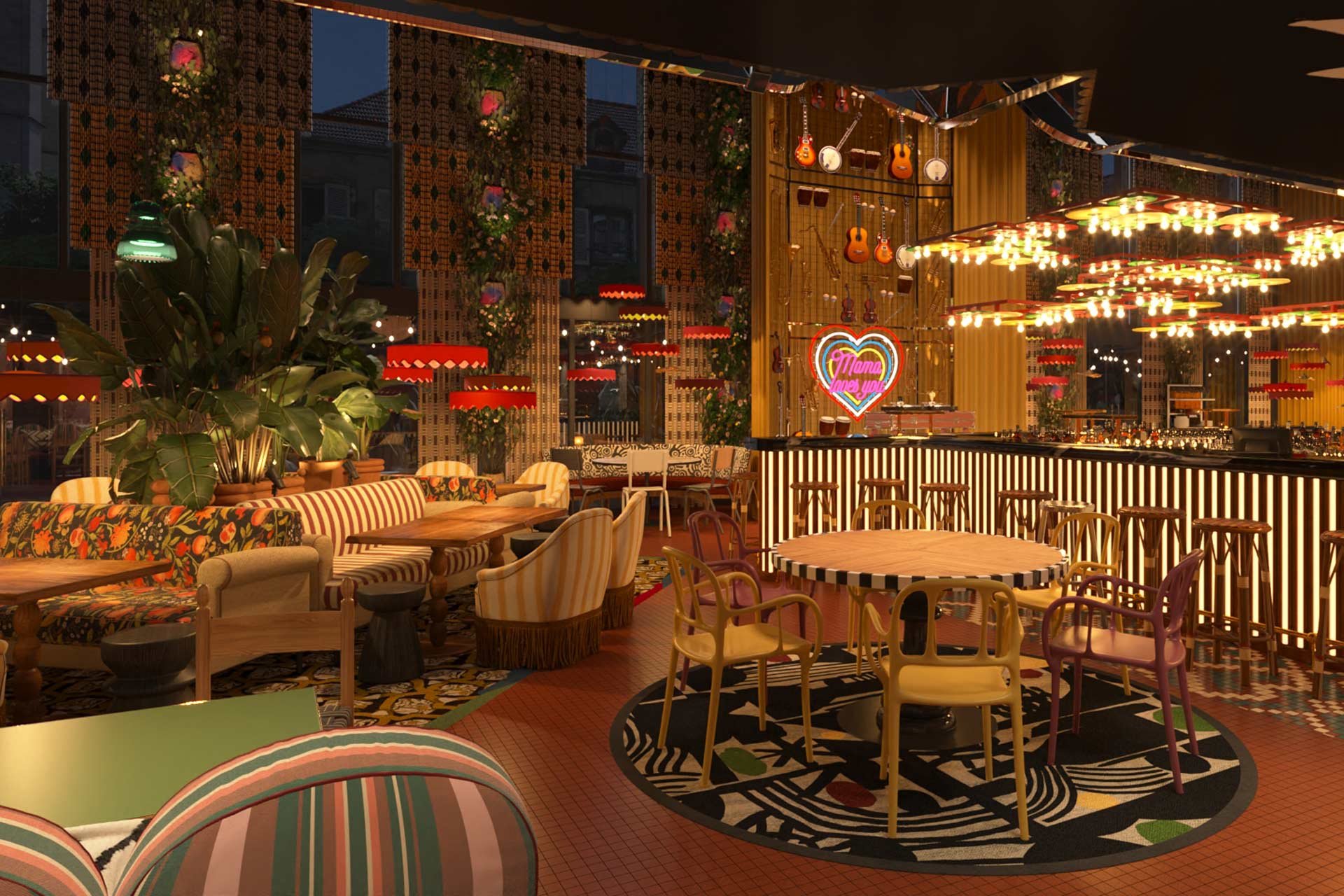
Where Dijon's Farm-to-Table Tier Finds Its Footing
Rue Amiral Roussin sits a short walk from the old town's main axis, the kind of street where foot traffic thins just enough to separate destinations from diversions. On this stretch, So occupies the accessible end of a dining spectrum that runs all the way up to William Frachot and Loiseau des Ducs at the four-euro-sign tier. The room, from the street, signals restraint rather than ceremony, the kind of address that earns its reputation through repetition of solid cooking rather than through a single theatrical dinner.
Dijon's restaurant scene has been sorting itself into tiers more clearly over the past several years. The upper bracket Origine, CIBO, and the starred houses, competes on ambition and price. Below that sits a thinner middle layer where farm-to-table cooking, if executed with discipline, can punch above its category. So lands in that layer, and back-to-back Michelin Bib Gourmand recognition in 2024 and 2025 confirms the guide's view that it does so consistently.
The Bib Gourmand in Context
The Michelin Bib Gourmand designation rewards good cooking at moderate prices, it is explicitly not a stepping stone to star status, but a separate judgment about value and quality coexisting. In Burgundy, where the culinary ceiling is among the highest in France (consider the trajectory of houses like Troisgros or the long shadow of Paul Bocuse), a Bib Gourmand carries particular weight because it operates against a regionally exacting standard. The same guide that awards three stars to Mirazur and Alléno Paris is also the one placing So in its recommended tier, which says something about baseline execution.
Retaining the Bib Gourmand for a second consecutive year matters more than the first award. The first year can reflect a strong season or a favourable inspection window. The second confirms that the kitchen is operating with reliable consistency, not episodically.
The Lunch and Dinner Divide at This Price Point
At the single-euro-sign tier in a French provincial city, the gap between lunch and dinner service often defines the restaurant more clearly than the menu does. Lunch in Dijon, even at addresses with real culinary credentials, tends toward the formule: a set structure designed to move covers efficiently through a midday that includes local workers, shoppers, and the occasional visitor. The rhythm is faster, the options often narrower, and the price point sharper, which is precisely where a Bib Gourmand designation becomes most relevant. If So follows the standard French provincial model (and there is no reason to assume otherwise), lunch is likely the session where the value proposition is clearest: a structured meal at the lower end of an already modest price bracket.
Evening service at this tier in Dijon shifts the context. The competition opens up, L'Aspérule at the €€€ level and the full upper tier all become live options for diners choosing where to spend a dinner slot. So's position at dinner depends on how much the farm-to-table philosophy holds up across a slightly longer, more considered service. The produce-led approach that reads as seasonal and direct at lunch can feel either satisfying or limited at dinner depending on how the kitchen stretches the same sourcing logic into more courses or more substantial plates. For visitors choosing between So and a step up in price to L'Aspérule, the decision largely comes down to appetite for formality and how much the occasion warrants it.
Across both services, the farm-to-table framework places So in a lineage that runs from the Burgundian reliance on local producers (a tradition rooted in the region's agricultural identity) through to the contemporary international farm-to-table movement. In France's northeast, this is less a trend declaration than a return to default, Burgundy's cooking has always been tied to what the land immediately around it produces. Chef Aaron Israel working within that framework at an accessible price point is, in that sense, a continuation of regional logic rather than an import from elsewhere. Comparable farm-to-table commitments at recognized addresses include BOK Restaurant in Münster and Clostermanns Le Gourmet in Niederkassel, though the Burgundian context gives So a specific geographic and cultural grounding those addresses don't share. For the broader picture of mountain-influenced produce-led cooking in France, Flocons de Sel in Megève and Bras in Laguiole represent how the same philosophical commitment scales toward the very best of the French dining tier.
Planning a Visit
So sits at 15 Rue Amiral Roussin in the 21000 postal district, within walking distance of Dijon's central landmarks. The single-euro-sign price tier makes it appropriate for a standalone lunch stop or a lower-spend evening that preserves budget for Burgundy's wine culture, the region's appellations are a short drive from the city, and a meal at So fits naturally into a day that includes a producer visit. Dijon's wine and hospitality infrastructure extends well beyond its restaurant tables; our full Dijon wineries guide covers that side of the city, while our full Dijon hotels guide covers where to stay and our full Dijon bars guide handles the evening after dinner. For a broader map of the city's table scene, our full Dijon restaurants guide places So alongside its peers across all price tiers. Those looking for Dijon's cultural programming beyond food will find relevant options through our full Dijon experiences guide.
What Makes So Worth Tracking
The honest case for So is narrower and more specific than a general endorsement: it is a produce-led, accessible address that Michelin has confirmed twice over as cooking above what its price tier typically delivers in a city where the competition is genuinely strong. That is a specific claim, and it is evidence-backed. For travellers building a Dijon itinerary that already includes one or two higher-spend dinners, So functions as the session where the city's farm-to-table logic becomes visible without the formality tax. At that function, it performs.
Frequently Asked Questions
at So?
So holds back-to-back Michelin Bib Gourmand recognition specifically on the strength of its farm-to-table approach, produce sourcing and seasonal availability are the kitchen's stated emphasis under Chef Aaron Israel. The Bib Gourmand award signals that value and quality are most clearly expressed through the set menu formats, which in the French provincial tradition tend to be where the kitchen concentrates its strongest cooking. Beyond that, specific dish recommendations require current menu data that changes with season and availability; the safest approach is to ask the room what has arrived most recently from suppliers, which at a farm-to-table address at this level is generally where the kitchen's attention is focused.
Frequently asked questions
Is So expensive?
Pricing at So is listed as €.
Has So won any awards?
So has received recognition including: Michelin Bib Gourmand (2025); Michelin Bib Gourmand (2024).
What's the best thing to order at So?
So operates as a farm-to-table address, meaning the menu follows produce availability rather than a fixed repertoire, what's on the pass reflects the season and the supplier. The Michelin Bib Gourmand recognition in both 2024 and 2025 confirms the kitchen delivers consistent quality at the single-euro-sign price tier. Chef Aaron Israel's approach is produce-led, so the stronger strategy is to ask the room what came in that day rather than anchoring to a specific dish.
What's So's location?
So is located at 15 Rue Amiral Roussin, 21000 Dijon, France, Dijon.
Is there a head chef associated with So?
The chef associated with So is Aaron Israel.
Comparable Options
| Venue | Cuisine | Price | Awards | Notes |
|---|---|---|---|---|
| SoThis venue (the venue you are viewing) | French-Japanese Fusion | $30–50 | Michelin Bib Gourmand | Not listed |
| William Frachot | Contemporary Burgundian Fine Dining | $150–200 | 2 Michelin Stars · La Liste Top Restaurants | Modern French, Creative |
| CIBO | Modern French Gastronomique | $100–150 | 1 Michelin Star · Falstaff Restaurant - 92 Falstaff Points | Modern Cuisine |
| Sublime | Modern Italian-French Fusion | $50–100 | Michelin Plate | Innovative, Modern Cuisine |
| Origine | Creative | Not listed | Not listed | Not listed |
| L'Aspérule | Japanese-inflected French Fine Dining | $100–150 | 1 Michelin Star · We're Smart World 1 Radish | Modern Cuisine |
Recognition history
Dated appearances from independent guides and award organizations, with the underlying list record or original source where available.
Michelin Bib Gourmand
Michelin
Full recognition history (3 entries)
Michelin Bib Gourmand
Michelin
Michelin Bib Gourmand
Michelin

Continue exploring
More in Dijon
Restaurants in Dijon
All restaurants in Dijon →
Bars in Dijon
Browse all →
Hotels in Dijon
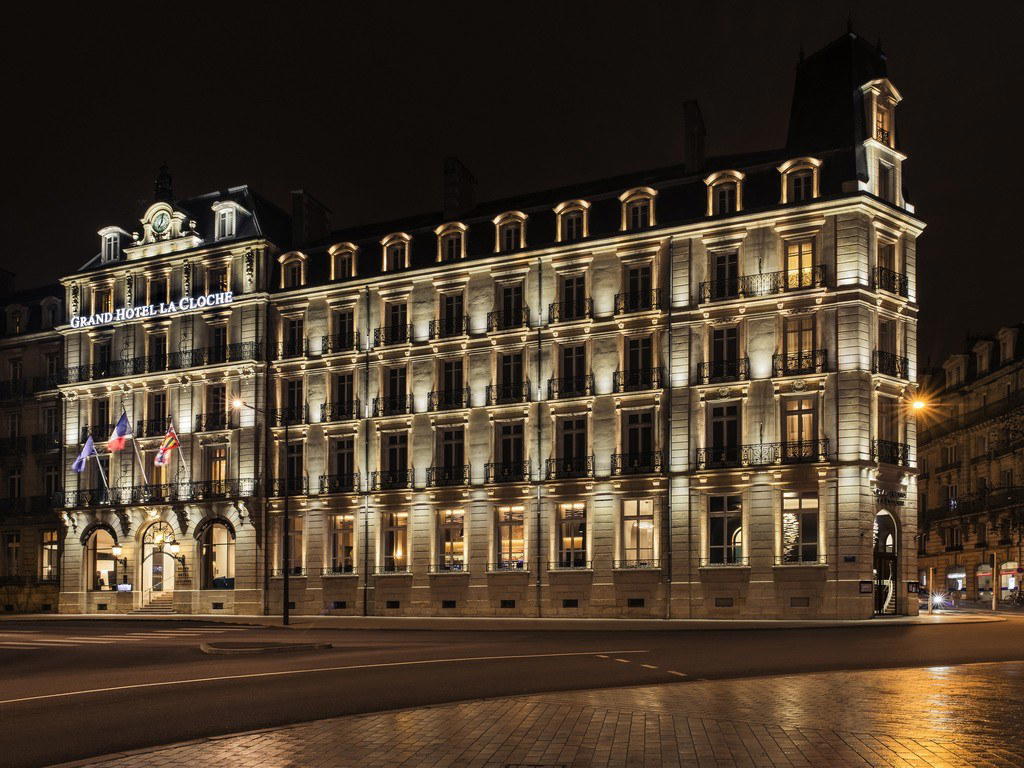
All hotels in Dijon →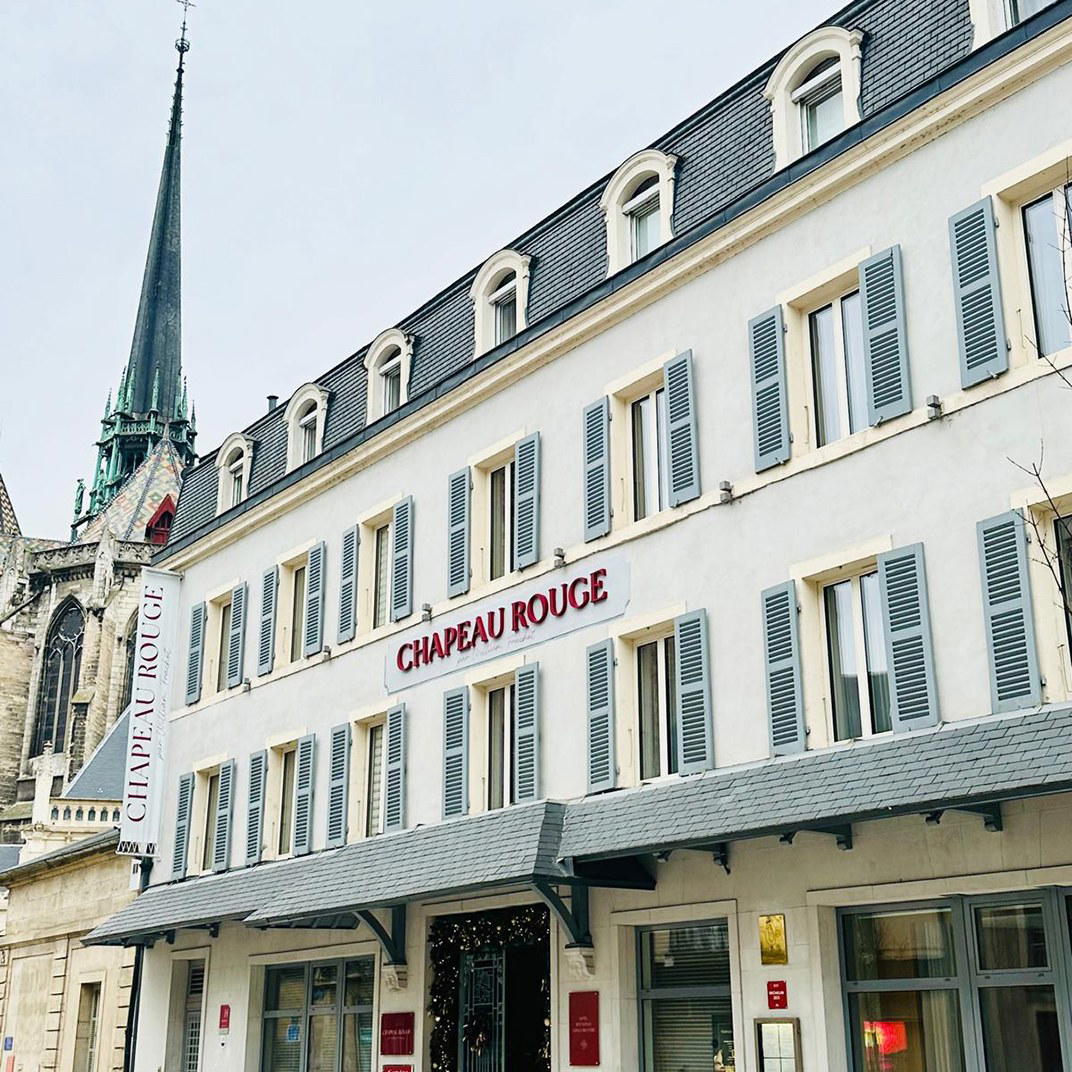
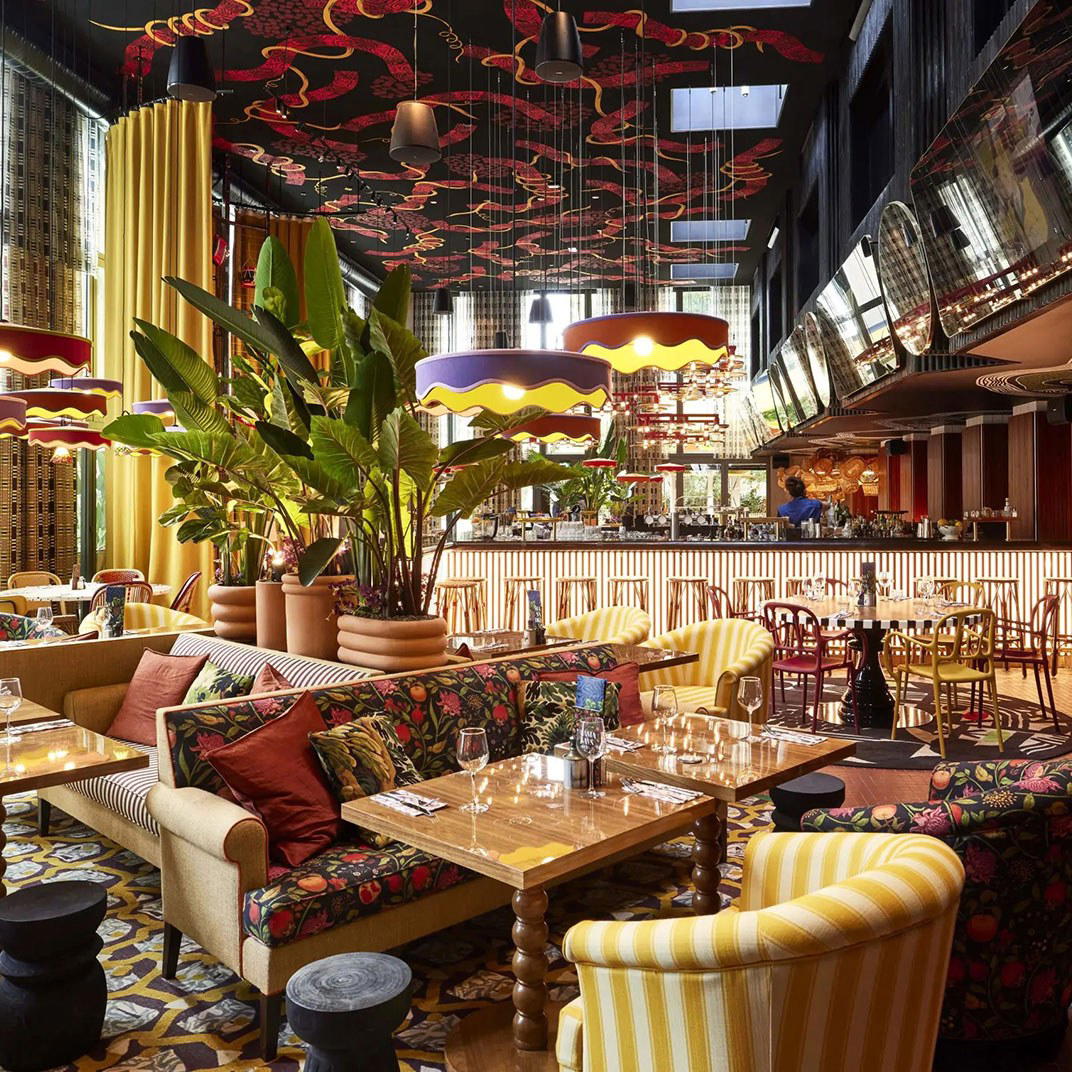
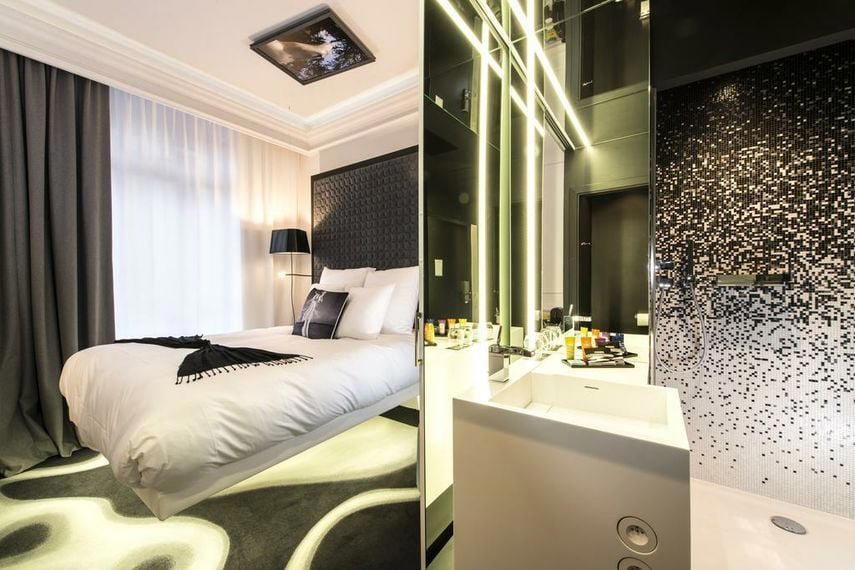
Details
- Elegant
- Intimate
- Modern
- Date Night
- Special Occasion
- Standalone
- Farm To Table
- Local Sourcing
- A La Carte
- Set Menu
- Vegetarian Friendly
Current opening hours
- Monday
- Closed
- Tuesday
- 7:30–9 PM
- Wednesday
- 7:30–9 PM
- Thursday
- 12–2 PM, 7:30–9 PM
- Friday
- 12–2 PM, 7:30–9 PM
- Saturday
- 12–2 PM, 7:30–9 PM
- Sunday
- Closed
Hours can change for holidays and private events. Hours as of .
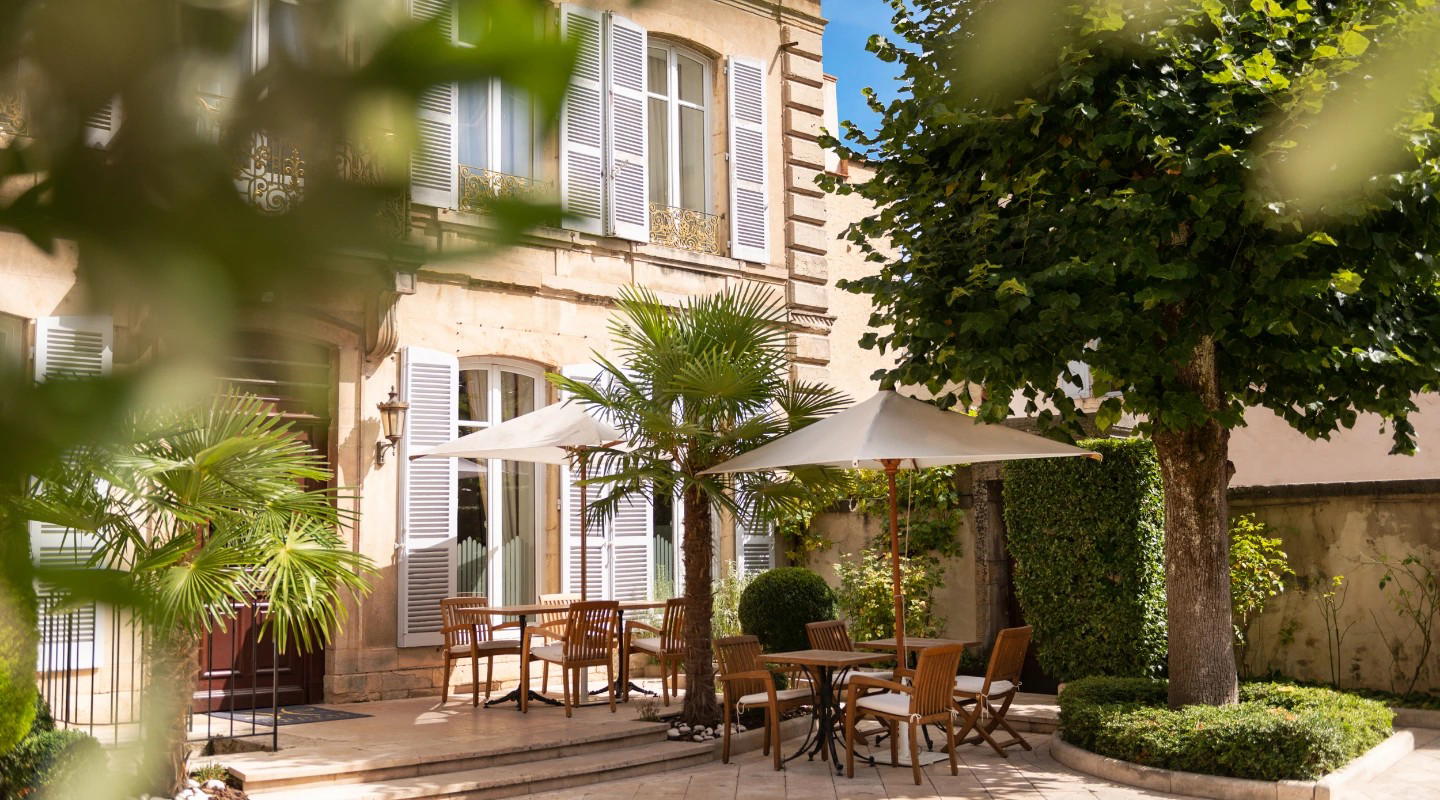
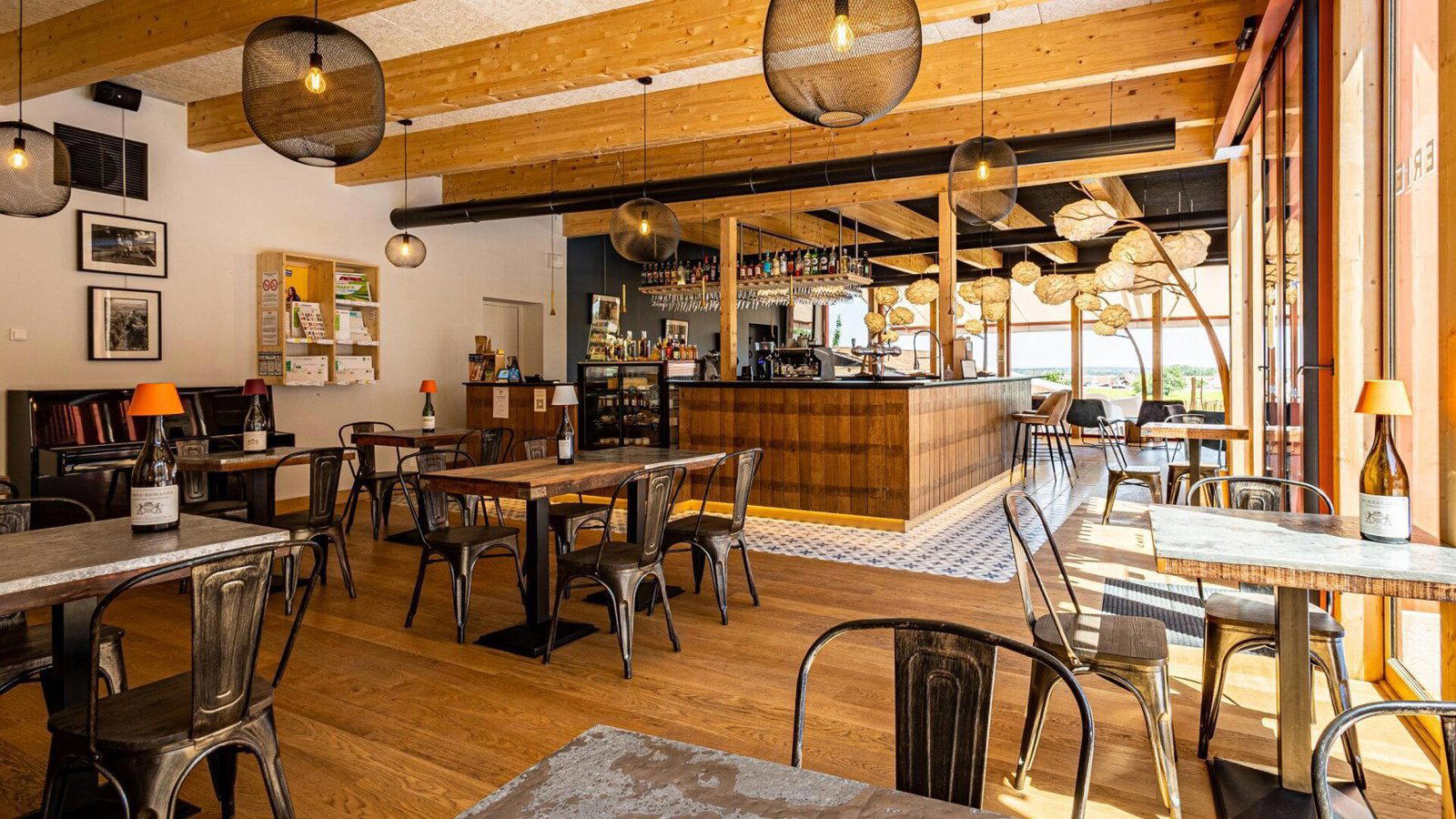
Refined and warm atmosphere with polite, efficient service that complements the carefully crafted cuisine.