Google: 4.9 · 886 reviews

Origine occupies a quietly stylish room on Place du Président Wilson, where Michelin-starred chef Tomofumi Uchimura — trained at the celebrated Lameloise — applies rigorous French technique to Burgundy's finest produce, threading in precise Japanese accents without disrupting the regional logic. Atlantic cod in miso crust, Charolais beef, Auxonne saffron, Jura snails: the sourcing is hyper-local, the execution surgically considered. The wine list matches that seriousness.
 Discover on Pearl
Pearl is the En Primeur Club membership app — saves, bookings, and concierge access live there. Same editors, same standards.
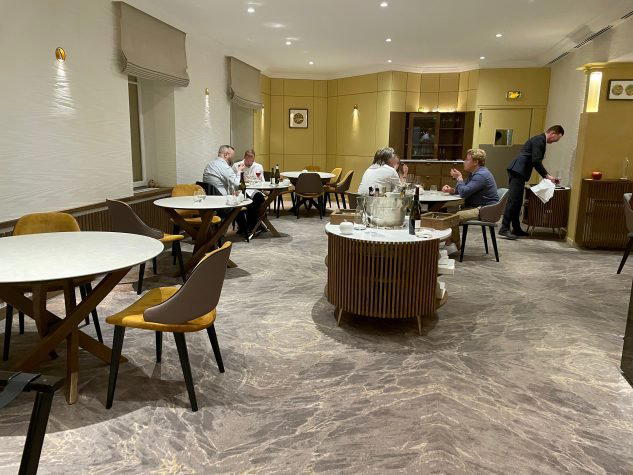
Place Wilson, and What This Room Signals
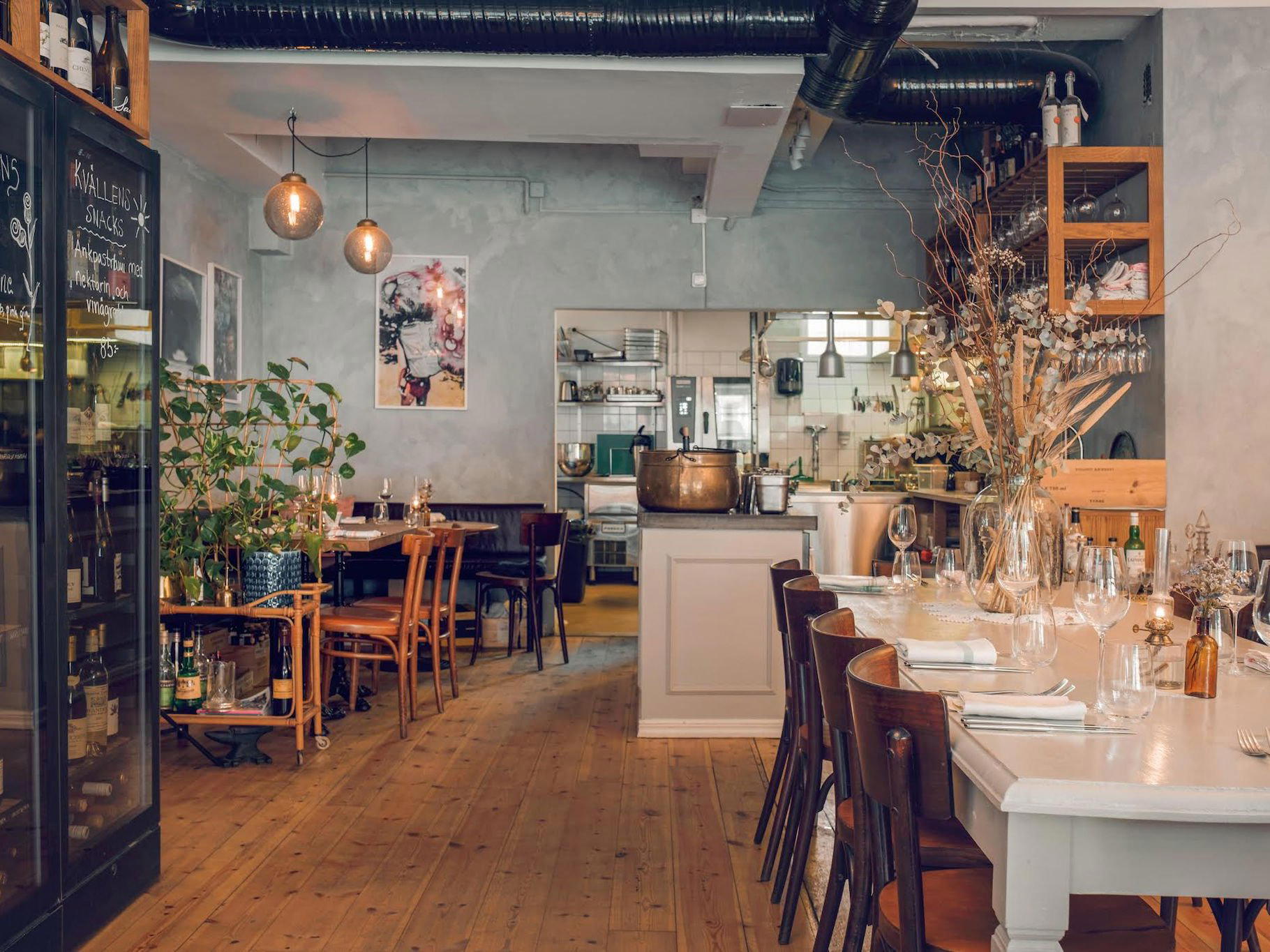
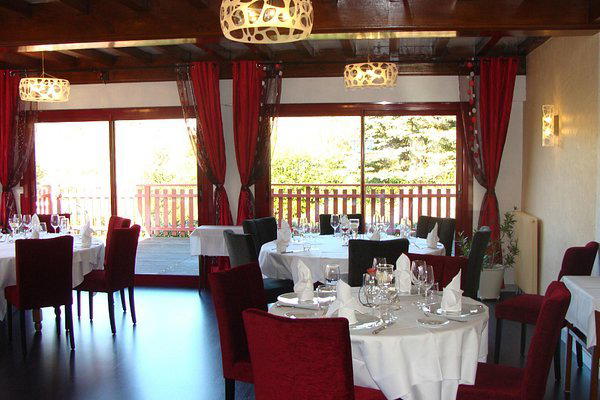
Place du Président Wilson sits at a comfortable remove from Dijon's more tourist-facing streets, but it is no backwater. The square carries a particular civic gravity, and the dining room at Origine reads the same way: composed, unhurried, understated in its materials and light. There is none of the visual noise that frequently accompanies creative-format restaurants in provincial French cities, where ambition sometimes tips into decoration. The interior disciplines itself. That restraint is itself a statement about how the cooking will be paced and how the wine program will be presented.
In Dijon's fine-dining bracket, where William Frachot and Loiseau des Ducs anchor the upper tier, Origine holds its Michelin star as a different kind of proposition: a single-chef creative counter operating on tightly controlled service windows. Tuesday through Saturday, lunch runs noon to 1 PM; dinner runs 7:30 PM to 9 PM. Sunday and Monday, the restaurant is closed. Those narrow sittings are deliberate. They are not a quirk of staffing but a structural choice about how much can be done with precision at any one service.
The French-Japanese Axis in Burgundy
The broader creative-restaurant conversation in France has spent years processing the influence of Japanese technique on classical Gallic cooking. That synthesis has become its own genre, visible from Alléno Paris au Pavillon Ledoyen down through regional one-star rooms across the country. What distinguishes the version practiced at Origine is the specificity of its regional anchor. The Japanese influence here is not a stylistic overlay applied to generic French produce. It operates on Burgundian ingredients with their own strong culinary identity: Charolais beef with established quality benchmarks, Auxonne saffron grown within the département, snails sourced from the neighbouring Jura, organic vegetables from a named Dijon market gardener. The Japanese touches — miso crusts, tempura preparations, ginger and bergamot accents — act on ingredients that are already carrying a regional argument. The result is not fusion in the diluted sense of the word. It is a precise negotiation between two rigorous culinary traditions, conducted on Burgundy's terms.
That approach connects to a longer tradition of French-Japanese creative cooking that one finds, at different scales, at houses like Mirazur in Menton and, in different formal register, at Flocons de Sel in Megève. The common thread is an insistence on technique as servant to ingredient rather than as spectacle.
Sourcing as Editorial Statement
The Michelin citation for Origine is specific in a way that Michelin citations rarely are. It names the sources: a Dijon market gardener for organic vegetables, Charolais beef, Auxonne saffron, Jura snails. It mentions that fresh seafood quality is non-negotiable, which for an inland Burgundy kitchen is a meaningful constraint rather than a given. Atlantic cod appears in miso crust alongside cauliflower tempura, tarama, bergamot lemon, peanuts, and ginger , a construction that layers technique on ingredient, Japanese precision on French product, without losing coherence.
The vegetarian menu deserves particular attention. At this price tier (€€€€), the vegetable menu is often an afterthought, a reduced version of the main menu stripped of its protein logic. At Origine, the Michelin citation singles it out as genuinely compelling, which places it in a category occupied by very few single-star rooms. Houses like Bras in Laguiole have built entire reputations on vegetable cooking at the highest level; the vegetarian menu at Origine operates within that same serious register, even if the scale and approach differ.
The Wine List: Burgundy at its Own Table
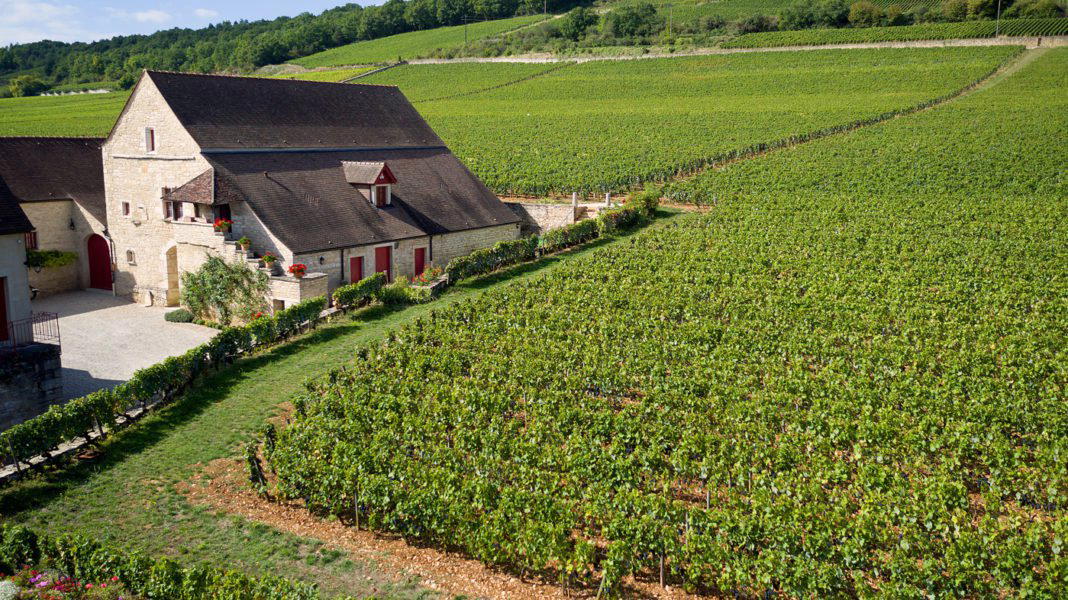
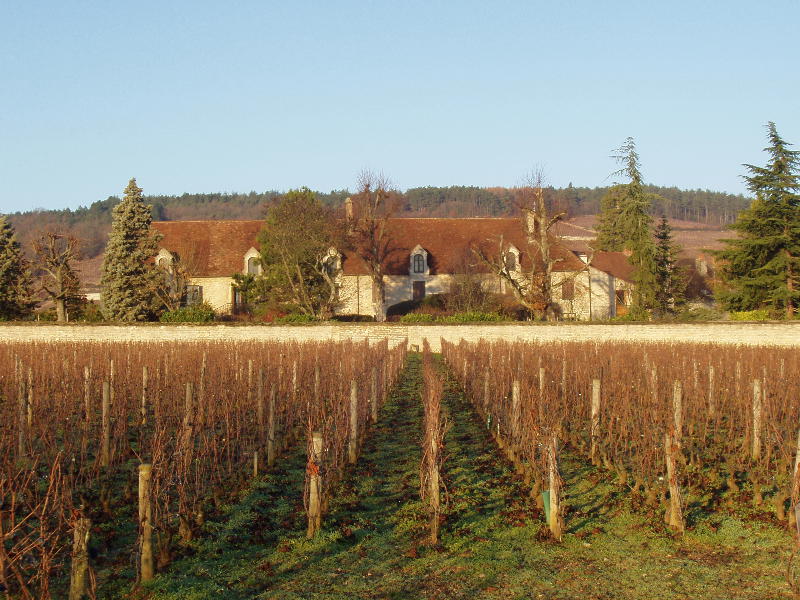
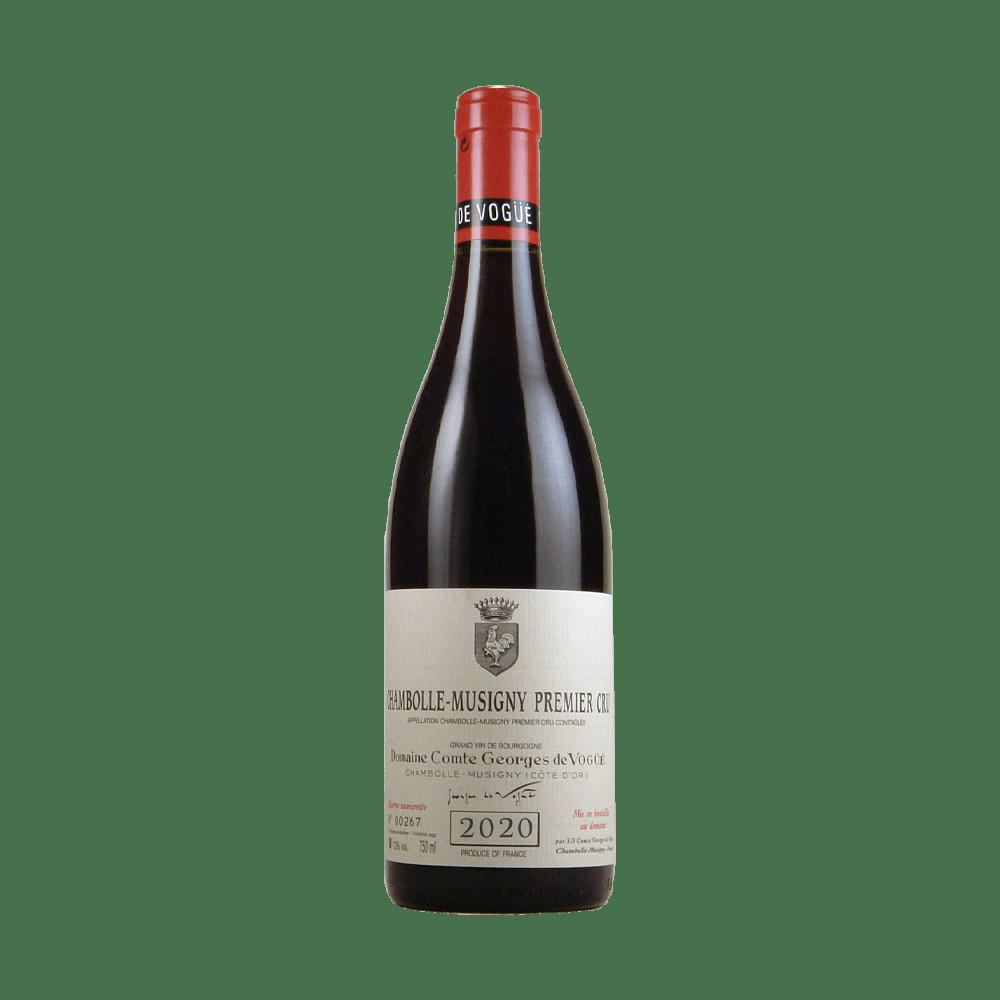
Editorial angle at Origine that rarely receives sufficient attention is the wine program. The Michelin citation describes a "fine wine bin" , sparse language, but contextually loaded. Dijon sits at the northern gateway to the Côte d'Or. The cellars of Gevrey-Chambertin, Chambolle-Musigny, Vosne-Romanée, and Puligny-Montrachet are within thirty minutes in either direction. A serious Burgundy list in this city is not a curatorial achievement in the way it might be in London or Tokyo; it is a function of geography and relationship. What separates serious wine programs here from perfunctory ones is depth below the Premier and Grand Cru tier, the range of domaines represented across different stylistic approaches, and whether the by-the-glass program reflects the same intellectual ambition as the bottle list.
At the €€€€ price point, alongside the level of cooking described in the Michelin record, the expectation is a list that can move across Burgundy's appellation hierarchy and hold its own against the cellar selections at William Frachot or Loiseau des Ducs. The creative format of the cooking , with its Japanese inflections and technically layered constructions , also creates interesting pairing territory: the question of whether a white Burgundy or a sake-adjacent pairing serves a miso-crusted cod is the kind of conversation that a well-structured wine program makes possible. For visitors who want to explore Burgundy's producer scene beyond the restaurant, our full Dijon wineries guide maps the region's key domains and tasting options.
Where Origine Sits in Dijon's Fine-Dining Map
Dijon's fine-dining tier is narrower than its culinary reputation might suggest. The city's prestige rests on its proximity to the Côte d'Or and its role as the historical capital of Burgundy, not on a deep roster of Michelin-starred rooms. At the €€€€ level, the competitive set for Origine includes William Frachot and CIBO. One tier below, L'Aspérule and Azerole represent the €€€ creative and fusion proposition. That structure means Origine is competing in a small peer set for a specific type of diner: someone who wants French technique at the highest available local register, with sourcing that is hyper-regional, and a creative format that brings its own intellectual argument without departing from the logic of Burgundy's ingredients.
The Google rating of 4.9 across 564 reviews is a practical signal. High-end creative restaurants frequently accumulate more polarised scores, as the format demands a level of commitment that not all diners arrive prepared for. A 4.9 at meaningful volume suggests the room and the cooking are consistently meeting the expectations it sets for itself. For comparison points further afield in the French creative register, Troisgros in Ouches and Paul Bocuse in Collonges-au-Mont-d'Or represent the older axis of French three-star ambition; Origine operates in a younger, more restrained idiom, closer in spirit to what creative one-star rooms across Europe are producing at houses like Enrico Bartolini in Milan or JAN in Munich.
Planning Your Visit
Origine operates at 10 Place du Président Wilson in the centre of Dijon. Lunch service runs from noon to 1 PM, dinner from 7:30 PM to 9 PM, Tuesday through Saturday; the restaurant is closed Sunday and Monday. At the €€€€ price point with a Michelin star and a Google score of 4.9 across more than five hundred reviews, booking well in advance is the practical default, particularly for weekend dinner. For the full picture of where to stay and what else to do in the city, our Dijon hotels guide, Dijon bars guide, and Dijon experiences guide provide the surrounding context. The broader Dijon restaurants guide maps the full range from traditional bistro to starred creative, so you can build a multi-day itinerary without redundancy.
What It’s Closest To
A small peer set for context; details vary by what’s recorded in our database.
| Venue | Cuisine | Awards | Notes |
|---|---|---|---|
| Origine | Creative | Michelin 1 Star | This venue |
| William Frachot | Modern French, Creative | Michelin 2 Star | Modern French, Creative, €€€€ |
| CIBO | Modern Cuisine | Michelin 1 Star | Modern Cuisine, €€€€ |
| Sublime | Innovative, Modern Cuisine | Innovative, Modern Cuisine, €€ | |
| L'Aspérule | Modern Cuisine | Michelin 1 Star | Modern Cuisine, €€€ |
| Cave | Traditional Cuisine | Traditional Cuisine, €€ |
Continue exploring
More in Dijon
Restaurants in Dijon
Browse all →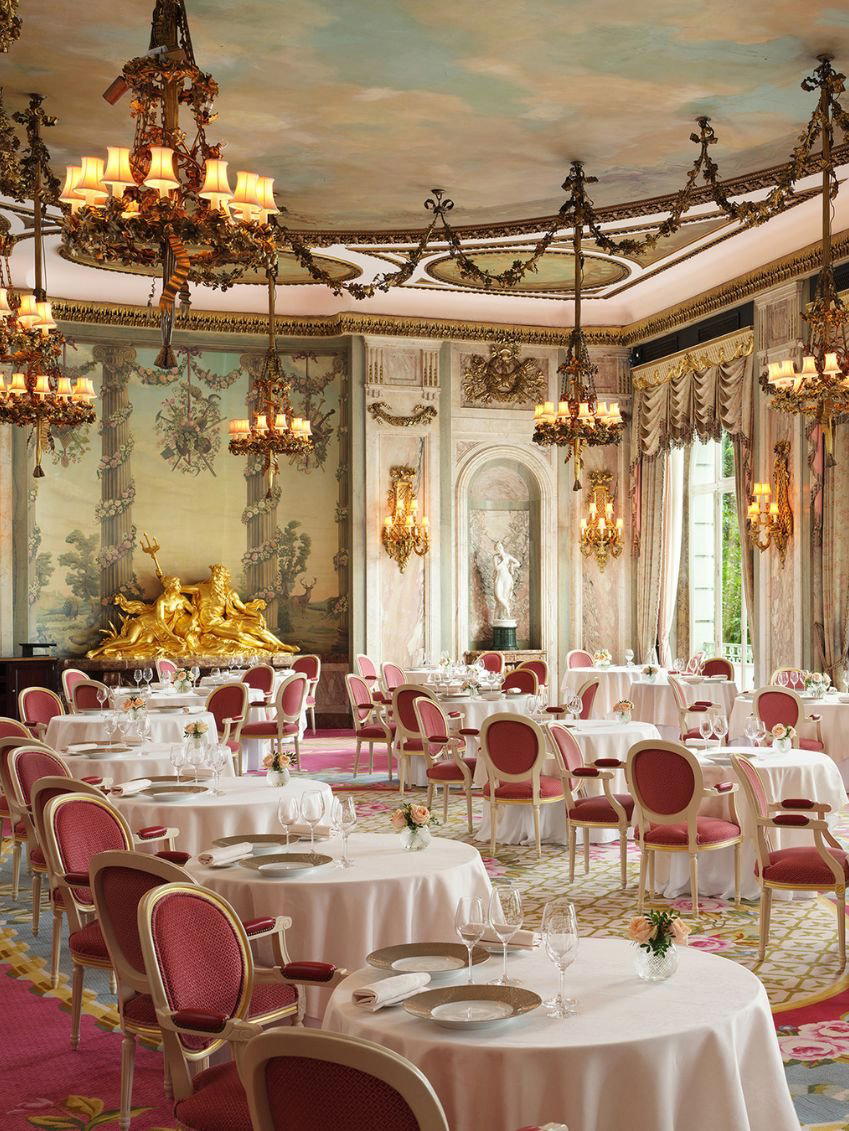
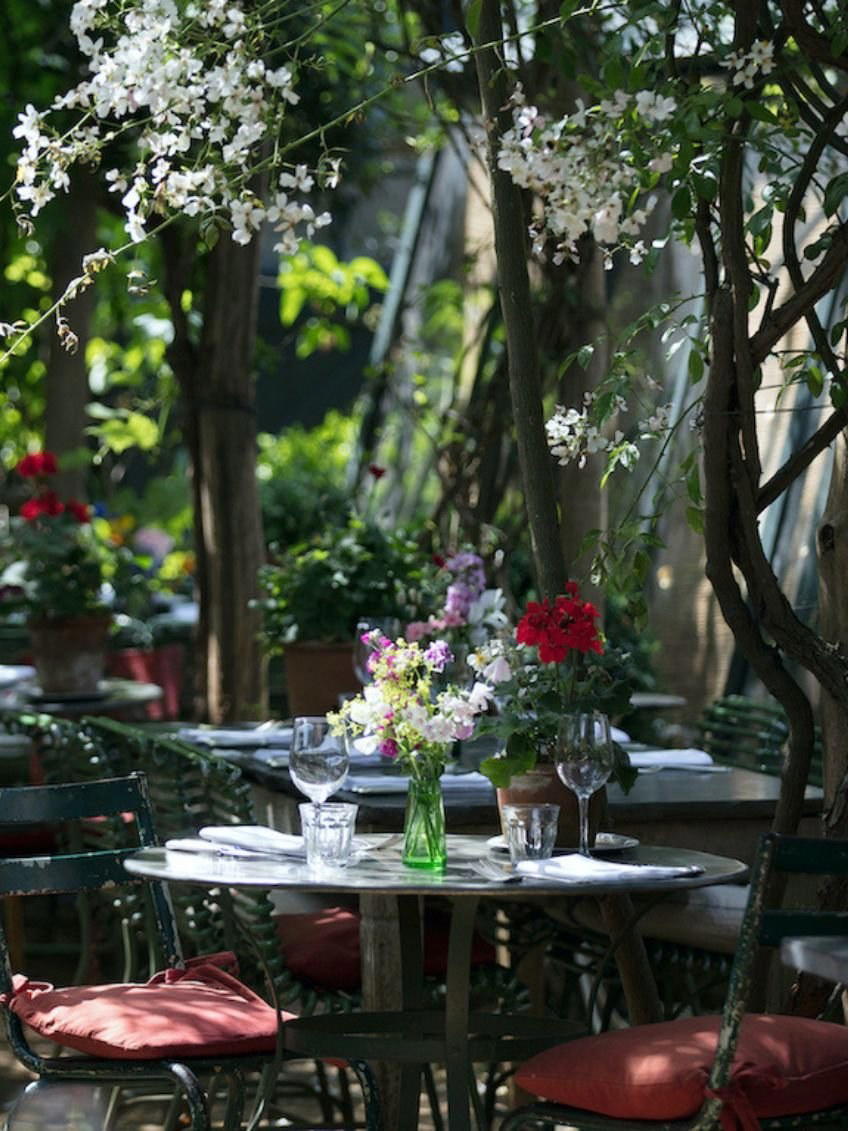
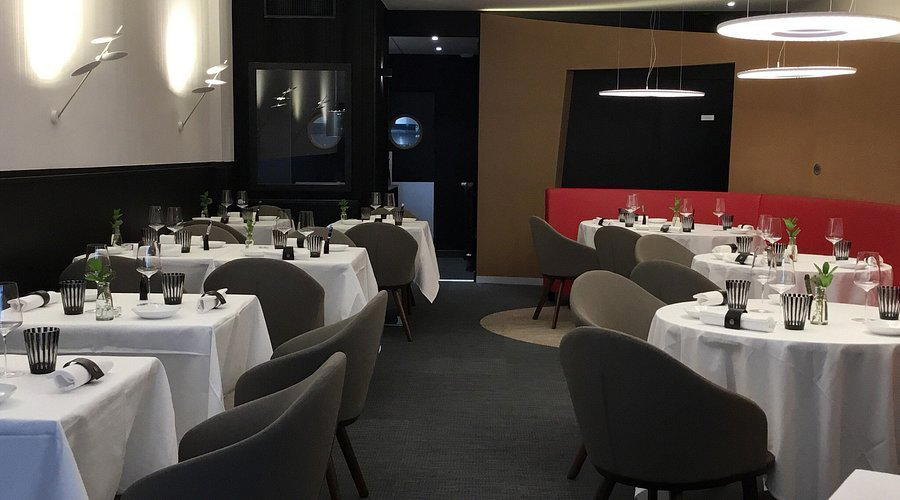
Bars in Dijon
Browse all →
Hotels in Dijon
Browse all →
At a Glance
- Modern
- Elegant
- Intimate
- Sophisticated
- Special Occasion
- Date Night
- Open Kitchen
- Extensive Wine List
- Local Sourcing
Sobre, modern, comfortable, and intimate atmosphere with soft lighting.