SKAUS
Our verdict
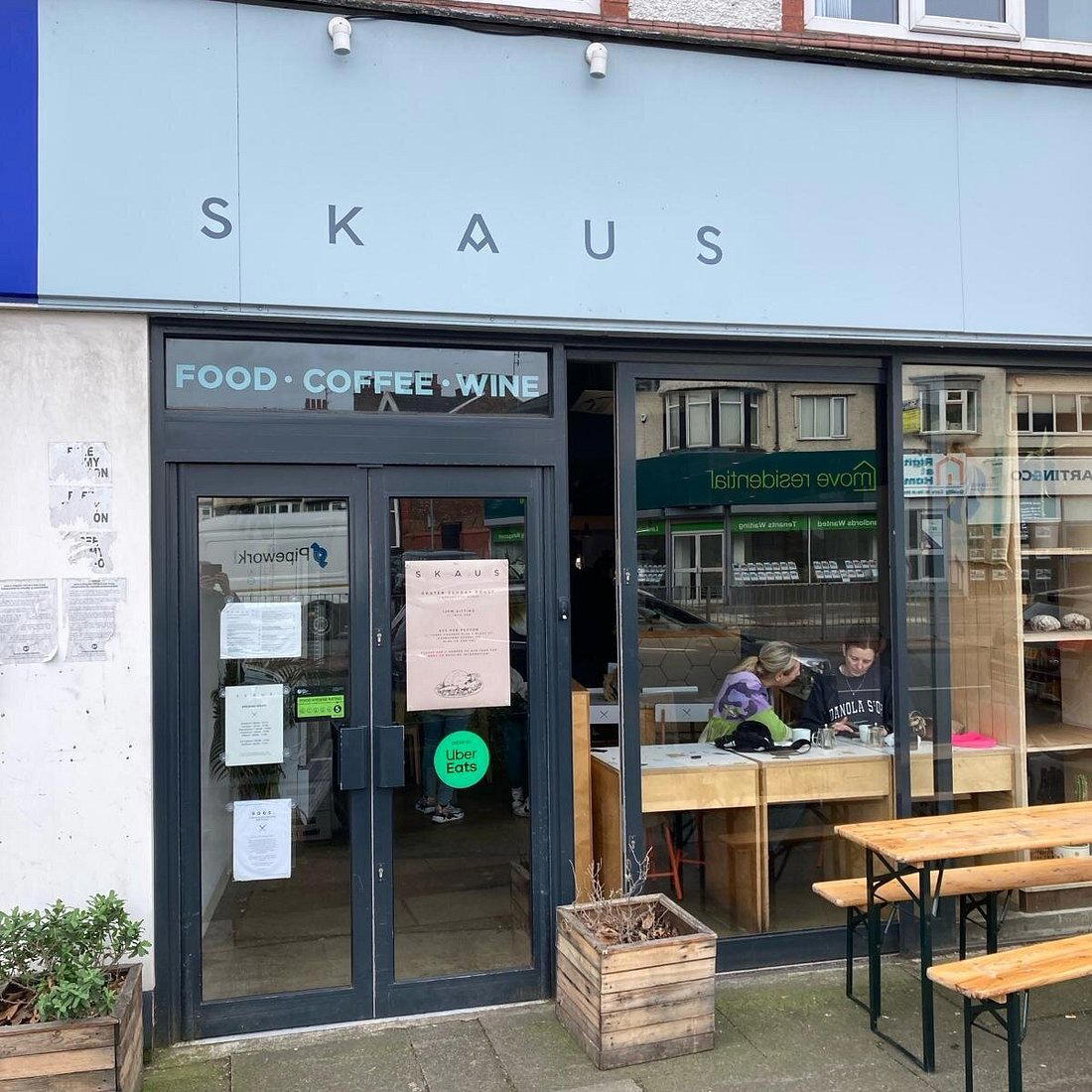
SKAUS sits on Allerton Road in Liverpool's south end, drawing its name and identity from the city's most storied working-class dish. The setting roots it firmly in a neighbourhood dining tradition that prizes directness over ceremony. For visitors wanting to understand Liverpool through its food culture rather than its tourist circuit, this address is worth the detour.

Pearl is the En Primeur Club membership app, where members save venues, book tables and use the concierge.
Liverpool on a Plate: Why Scouse Matters
Any serious account of Liverpool's food culture has to reckon with scouse. The slow-braised meat stew that gave Merseysiders their nickname has been a marker of civic identity for well over two centuries, arriving via the labskaus of Scandinavian and northern German sailors who moved through the port during the 18th and 19th centuries. It is one of the few British regional dishes with a directly traceable migration story, a lineage connecting Liverpool's mercantile past to its dining present. That context is not incidental to understanding a place like SKAUS on Allerton Road, it is the whole point. The name itself is a phonetic rendering of the dish, a declaration of intent before you've even reached the door.
Allerton Road sits in Liverpool L18, a few miles south of the waterfront tourist corridor and the Baltic Triangle dining cluster. The area has its own residential rhythm: independent shops, neighbourhood cafés, and restaurants that serve locals rather than overnight visitors. Dining here operates at a different register than the city centre. It is less performative, more embedded in the everyday life of the neighbourhood. Within that context, a venue named for scouse is making a specific cultural claim, that the dish belongs in a dining room, not just a domestic kitchen or a heritage museum exhibit.
The Cultural Weight of a Working-Class Dish
Scouse sits in an interesting position within British food culture. It is both fiercely local and widely misunderstood outside Merseyside. Versions vary, beef or lamb, with or without root vegetables, the contested question of whether to serve it with pickled red cabbage and crusty bread on the side, and those variations carry real meaning for people who grew up eating it. The dish also exists in a "blind scouse" form, the meat-free version that became common during periods of poverty when protein was unaffordable, giving it a class history that most regional stews cannot claim.
What restaurants that centre this dish are doing, implicitly, is an act of cultural reclamation. Working-class food traditions in Britain have often been treated as raw material for "refined" fine-dining treatments, stripped of their original context in the process. A venue that takes the dish seriously on its own terms, its texture, its depth, its connection to a specific community, is operating in a different mode. That's the cultural argument SKAUS is positioned to make, whether or not it articulates it explicitly. Liverpool's broader dining scene has been building confidence in that direction: places like Belzan (Modern Cuisine) and Bistrot Vérité (Classic French) represent the south Liverpool neighbourhood dining tradition, each rooted in a specific culinary lineage rather than generic contemporary programming.
Where SKAUS Sits in Liverpool's Dining Spread
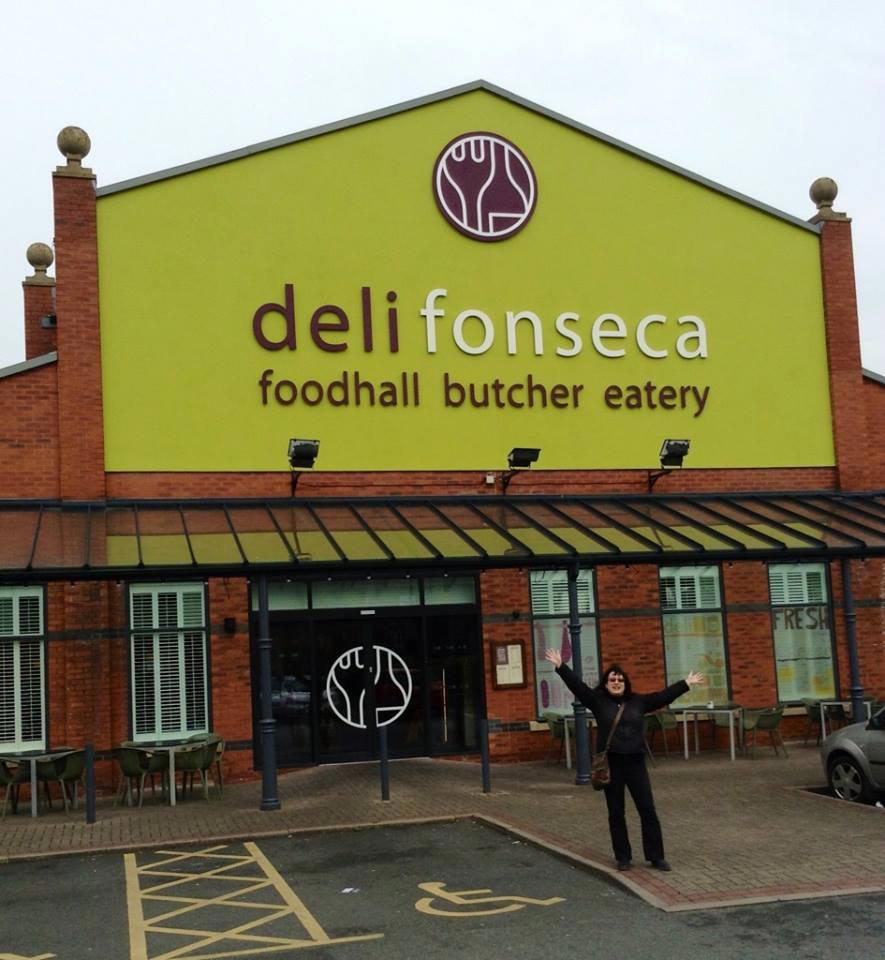
Liverpool's restaurant scene has matured considerably over the past decade. The city now supports a range of price points and culinary ambitions, from the wallet-friendly formats of Cafe Tabac and EastZeast to the more considered tasting-menu territory occupied by Delifonseca Dockside. The city does not yet have a Michelin-starred address of the calibre of, say, Moor Hall in Aughton or L'Enclume in Cartmel within its own boundaries, but the mid-market and neighbourhood tier is credible and growing. The north-west of England as a region has produced serious culinary talent, Ynyshir Hall in Machynlleth draws from a similar cultural geography, and that rising tide has given Liverpool restaurants more confidence in their own identity.
SKAUS occupies the neighbourhood-dining category within that spread. The Allerton Road address places it outside the central dining circuit where venues compete on footfall and visibility. That location is a choice with consequences: the customer base is predominantly local and repeat, which tends to produce a more direct relationship between kitchen and diner than destination restaurants can sustain. The comparison set for SKAUS is not the white-tablecloth rooms of Waterside Inn in Bray or CORE by Clare Smyth in London. It is the local room that knows what it is and does it with consistency.
Planning Your Visit
SKAUS is located at 66 Allerton Road, Liverpool L18 1LW, in the south of the city. Allerton Road is accessible by bus from the city centre and is roughly a fifteen-minute drive from Liverpool Lime Street station. As a neighbourhood venue on a residential high street, it operates at a different pace than central Liverpool restaurants. Visitors coming from outside the city specifically to eat here should treat the Allerton Road area as a half-day neighbourhood: there are independent coffee shops, a few other independent restaurants, and a residential atmosphere that rewards a slower approach. For a fuller picture of where SKAUS fits within the city's dining options and what else merits attention in Liverpool, the EP Club Liverpool restaurants guide provides the broader context.
Given the neighbourhood format and likely modest seat count typical of independent venues on residential high streets, contacting the restaurant directly before visiting is advisable, particularly for groups or weekend dinners. The venue's Allerton Road location means parking is more accessible than in central Liverpool, which is a practical consideration for visitors arriving by car.
The Wider Context: Regional Dishes and Dining Ambition
Across British cities, there is a growing appetite for restaurants that treat regional food culture as a serious subject rather than a nostalgic footnote. In Birmingham, Opheem has made a case for South Asian cuisine at the fine-dining tier. In Cambridge, Midsummer House has done it through a distinctly English seasonal framework. The question for Liverpool is whether its own food identity, rooted in port-city multiculturalism and working-class traditions like scouse, can support restaurants that take those traditions seriously without flattening them. Internationally, venues like Le Bernardin in New York City or Lazy Bear in San Francisco demonstrate that deeply specific culinary traditions can anchor significant dining experiences, but that specificity requires a kitchen willing to own its reference points without compromise.
SKAUS is, by name and by location, making an argument about what Liverpool food is and where it belongs. Whether the execution matches that ambition requires a visit. What the address on Allerton Road suggests, before any dish arrives at the table, is that the venue has made a choice about identity, and in the current British dining climate, that choice carries weight. Readers building a picture of Liverpool's food scene through places like Gidleigh Park, Hand and Flowers in Marlow, hide and fox in Saltwood, or the internationally recognised rooms of the country will find that Liverpool's neighbourhood tier, anchored by venues with genuine points of view, is where the city's dining character is most honestly expressed.
Frequently asked questions
What kind of setting is SKAUS?
SKAUS occupies a spot on Allerton Road in south Liverpool, a neighbourhood strip that draws a local rather than tourist crowd. The address puts it firmly outside the city-centre dining cluster, which gives it a different feel from Liverpool's waterfront or Baltic Triangle venues. Expect a setting rooted in the surrounding residential area rather than destination-restaurant theatre.
What part of town is SKAUS in?
SKAUS is located at 66 Allerton Rd, Liverpool L18 1LW, United Kingdom, Liverpool.
Is SKAUS worth visiting if you're coming from outside Liverpool specifically for regional food?
Allerton Road is roughly 4–5 miles south of Liverpool Lime Street, accessible by bus from the city centre, which makes SKAUS a deliberate rather than incidental stop. For anyone interested in how British cities are reassessing their regional food traditions, a pattern visible from Manchester to Bristol, a venue that stakes its entire identity on a single Merseyside dish is a meaningful data point. The dish itself, scouse, has a traceable history in Liverpool going back to Scandinavian and Northern European maritime influences, which gives it more cultural weight than most pub-menu staples.
What's the must-try dish at SKAUS?
The name answers that directly: scouse, the slow-braised meat stew that defines Merseyside food identity, is the point of the place. The dish has centuries of working-class history behind it and considerable variation across households and kitchens in the region. SKAUS positions itself as a serious treatment of that tradition rather than a nostalgic novelty.
What's the best way to book SKAUS?
Walking in or checking via Google Maps for current contact information is the most reliable approach until booking channels are confirmed.
What is SKAUS known for?
SKAUS takes its name from scouse itself, signalling a focused commitment to Merseyside's defining regional dish. In a Liverpool dining scene that now spans everything from tasting menus to international street food, SKAUS occupies an unusual position: a venue that treats a working-class staple as its primary subject. That specificity is what separates it from the broader casual dining spread on Allerton Road.
Can SKAUS handle vegetarian requests?
Traditional scouse is a meat-based stew, though 'blind scouse', the meatless version historically eaten on Fridays in Catholic Liverpool households, has deep regional roots.
Booking and Cost Snapshot
Comparable venues nearby, for context on price, style, and recognition.
| Venue | Cuisine | Price | Awards | Notes |
|---|---|---|---|---|
| SKAUSThis venue (the venue you are viewing) | Nordic-Inspired Casual Dining | Not listed | Not listed | Not listed |
| Delifonseca Dockside | European Deli-Inspired | $20–30 | The Good Food Guide GFG Good | Brunswick Quay, European Deli-Inspired |
| Rudy's Neapolitan | Authentic Neapolitan Pizza | $20–30 | Not listed | Bold Street, Authentic Neapolitan Pizza |
| The Quarter | Italian-Inspired Mediterranean | $20–30 | Not listed | Georgian Quarter, Italian-Inspired Mediterranean |
| Wildwood Kitchen | Italian Pizza and Pasta | $20–30 | Not listed | Central Liverpool, Italian Pizza and Pasta |
| Lunya | Authentic Catalan Tapas | $50–100 | The Good Food Guide GFG Good | City Centre, Authentic Catalan Tapas |
Continue exploring
More in Liverpool
Restaurants in Liverpool
All restaurants in Liverpool →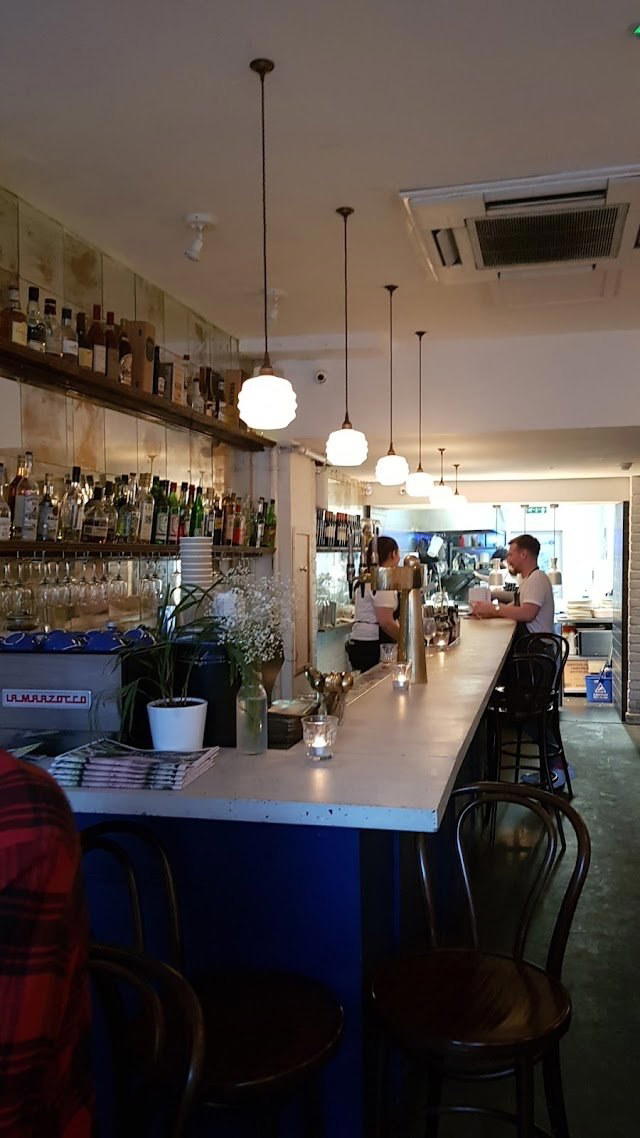
Details
- Casual
- Cozy
- Modern
- Casual Hangout
- Standalone
- Local Sourcing
- A La Carte
Current opening hours
- Monday
- 8 AM–5 PM
- Tuesday
- 8 AM–5 PM
- Wednesday
- 8 AM–5 PM
- Thursday
- 8 AM–5 PM
- Friday
- 8 AM–5 PM
- Saturday
- 9 AM–5 PM
- Sunday
- 9 AM–5 PM
Hours can change for holidays and private events. Hours as of .
Relaxed and casual atmosphere with friendly service in a local independent cafe.