The Three Fishes



Michelin Plate · The Good Food Guide GFG Good
Our verdict
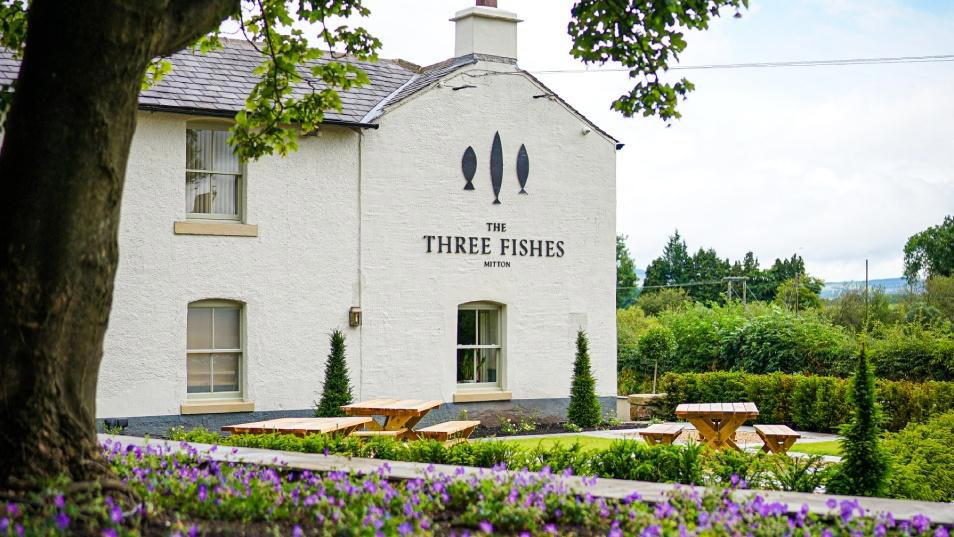
A Michelin Plate-recognised dining pub in the Ribble Valley, The Three Fishes places Lancashire produce at the centre of a menu that ranges from tempura scallops to multi-course seasonal set menus. Chef Nigel Haworth's vegetable garden and polytunnel supply the kitchen directly, grounding the contemporary British cooking in a specific landscape and tradition.

Pearl is the En Primeur Club membership app, where members save venues, book tables and use the concierge.
The menu
What to order
- Morecambe Bay Lobster Soup
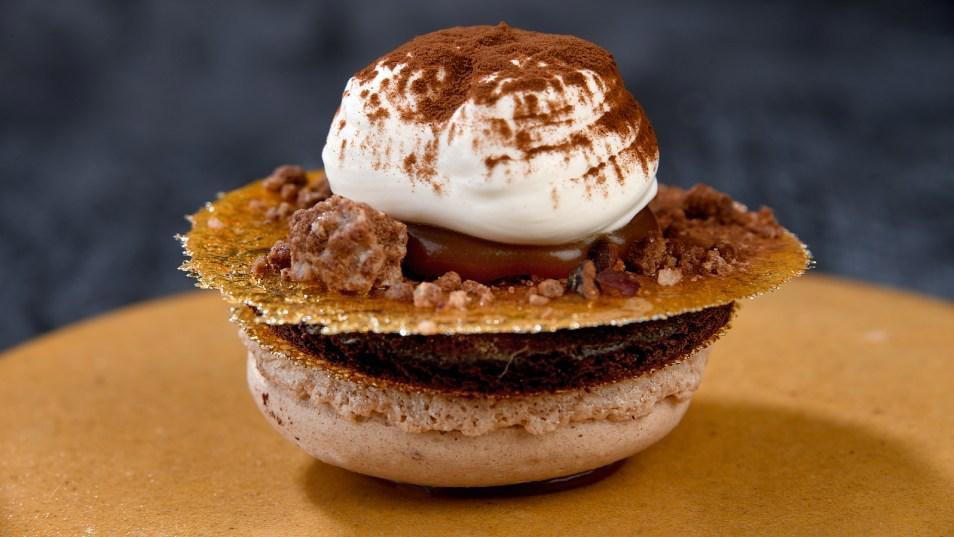
- Eccles Cakes
- Cheese Rolls
Where the Gastropub Ideal Actually Holds
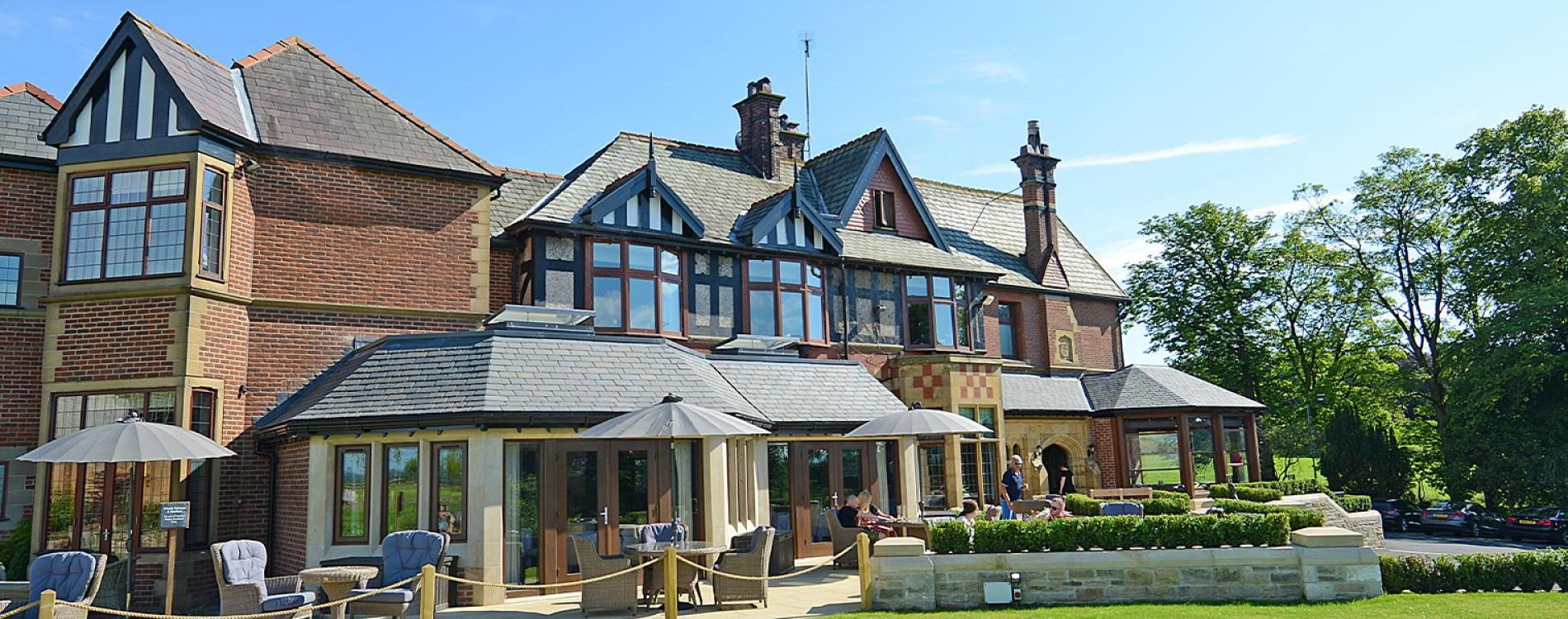
The road into Mitton runs alongside the Ribble, flat farmland giving way to stone-built villages that have fed travellers and farm workers for centuries. Arriving at The Three Fishes, the building reads as a traditional Lancashire inn, the kind of place that has always anchored rural communities. What has changed is what happens inside. This stretch of the Ribble Valley is now serious eating territory, and The Three Fishes is part of the reason why.
The gastropub movement produced two distinct outcomes across Britain. In cities and commuter towns, it often meant a gastro veneer on a venue that remained primarily a bar. In the countryside, particularly where a committed chef attached their reputation to a specific place and its produce, it produced something more durable: kitchens that drew directly on local farms, gardens, and seasonal rhythms and translated that proximity into food worth driving for. The Three Fishes belongs to the second category.
The Lancashire Produce Argument, Made Concrete
British contemporary cooking has spent the last two decades making a case for regional specificity over generic sourcing. The most persuasive version of that argument is not made in manifestos but in the supply chain visible on a menu. At The Three Fishes, Chef Nigel Haworth maintains his own vegetable garden and polytunnel on site, a logistical commitment that places the kitchen closer to its ingredients than most restaurants at any price point. Haworth has long been associated with Lancashire produce advocacy, particularly from the Ribble Valley, and this property represents the most direct expression of that position.
What that means in practice is a menu that moves with what is actually growing and available rather than what a regional distributor has in stock. The à la carte includes options such as tempura scallops and corn-fed chicken, dishes that read as approachable rather than performative. The kitchen is not trying to replicate the tasting-menu architecture of destination restaurants like L'Enclume in Cartmel or Moor Hall in Aughton. The ambition here is different: to do pub dining properly, with sourcing rigour and kitchen discipline that the format rarely demands of itself.
The Set Menu and Its Bookends
For those who want more structure, a seasonal set menu is available in five or eight courses. The format is framed by cheese rolls at the start and mini Eccles cakes at the close, details that have become established signatures rather than gimmicks. The Eccles cake, a pastry with deep Lancashire roots, sits here as a marker of regional identity within a contemporary framework. That kind of deliberate vernacular reference is harder to pull off than it looks; at lesser operations, it reads as nostalgia. Here it lands as conviction.
The set menu also positions The Three Fishes clearly within the broader gastropub tier rather than the full fine-dining bracket. Venues like Hand and Flowers in Marlow, Tom Kerridge's two-Michelin-starred pub in Buckinghamshire, have demonstrated that the pub format can reach the highest critical recognition. The Three Fishes does not price or position itself at that level, but it operates with the same underlying logic: that the pub context is not a limitation to be apologised for, but a framework within which serious cooking can happen.
Recognition and Where It Places This Kitchen
The Three Fishes holds a Michelin Plate in both the 2024 and 2025 editions, a recognition that signals good cooking without the star designation. In Michelin's current framework, the Plate is awarded to restaurants the inspectors consider worth knowing about, sitting below the star tiers but above the general mass of listed establishments. Consecutive Plate awards across two years indicate consistency rather than a one-season peak, which matters in a format where kitchen turnover and seasonal variability can erode standards quickly.
At that volume, the number reflects aggregate experience across a range of service and seasonal conditions rather than a flush of opening-week enthusiasm. For a rural dining pub operating at the £££ price point, sustained ratings at that level point to a kitchen and front-of-house operation that delivers reliably. This is not the profile of a destination restaurant pulling a small number of high-expectation diners; it is a neighbourhood anchor that holds its standard across a much broader public.
For context on the wider British contemporary scene, the comparison set at higher price tiers includes The Ledbury in London, Midsummer House in Cambridge, and Opheem in Birmingham. The Three Fishes operates at a different register, but the Michelin recognition places it on the same critical map. For those exploring the British contemporary format in pub settings specifically, Dog and Gun Inn in Skelton offers a useful regional parallel in Cumbria.
Planning a Visit
The Three Fishes sits on Mitton Road in Whalley, Clitheroe, in the Ribble Valley, an area that rewards a wider itinerary. Given its position and the £££ pricing, it works as a destination lunch stop or an evening meal within a longer Lancashire stay. The five or eight course set menu requires more time than a pub lunch typically allows, so building in the appropriate window matters. The à la carte provides a more flexible format for shorter visits. Booking ahead is advisable, particularly for the set menu and at weekends, given the Michelin Plate recognition and the venue's established local reputation.
For a broader picture of what the area offers in terms of food, drink, and accommodation, see our full Mitton restaurants guide, our full Mitton hotels guide, our full Mitton bars guide, our full Mitton wineries guide, and our full Mitton experiences guide.
Frequently asked questions
Is The Three Fishes a family-friendly restaurant?
What is the atmosphere like at The Three Fishes?
at The Three Fishes?
Comparable Spots, Quickly
| Venue | Cuisine | Price | Awards | Notes |
|---|---|---|---|---|
| The Three FishesThis venue (the venue you are viewing) | Lancashire Farm-to-Fork Gastropub | $50–100 | Michelin Plate · The Good Food Guide GFG Good | Not listed |
| The Ledbury | Modern British Fine Dining | $300–500 | 3 Michelin Stars · World's 50 Best #42 | Modern European, Modern Cuisine |
| Sketch, The Lecture Room and Library | Modern French Fine Dining | $200–300 | 3 Michelin Stars · World's 50 Best #18 | Modern French |
| CORE by Clare Smyth | Modern British Fine Dining | $150–200 | 3 Michelin Stars · World's 50 Best #97 | Modern British |
| Restaurant Gordon Ramsay | French Fine Dining | $200–300 | 3 Michelin Stars · World's 50 Best #13 | Contemporary European, French |
| Dinner by Heston Blumenthal | Modern British, Traditional British | Not listed | Michelin 2 Star | Not listed |
Recognition history
Dated appearances from independent guides and award organizations, with the underlying list record or original source where available.
Michelin Plate
Michelin
Top 50 Gastropubs 2026 Estrella Damm Top 100 Gastropubs #70
Top 50 Gastropubs
The Good Food Guide GFG Good
The Good Food Guide
Full recognition history (5 entries)
Michelin Plate
Michelin
Michelin Plate
Michelin
Continue exploring
More in Mitton
Restaurants in Mitton
All restaurants in Mitton →
Details
- Cozy
- Rustic
- Classic
- Date Night
- Special Occasion
- Family
- Garden
- Open Kitchen
- Extensive Wine List
- Farm To Table
- Local Sourcing
- Garden
- A La Carte
- Set Menu
Current opening hours
- Monday
- Closed
- Tuesday
- Closed
- Wednesday
- 12–2 PM, 6–8:30 PM
- Thursday
- 12–2 PM, 6–8:30 PM
- Friday
- 12–2 PM, 6–8:30 PM
- Saturday
- 12–2 PM, 6–8:30 PM
- Sunday
- 12–4 PM
Hours can change for holidays and private events. Hours as of .
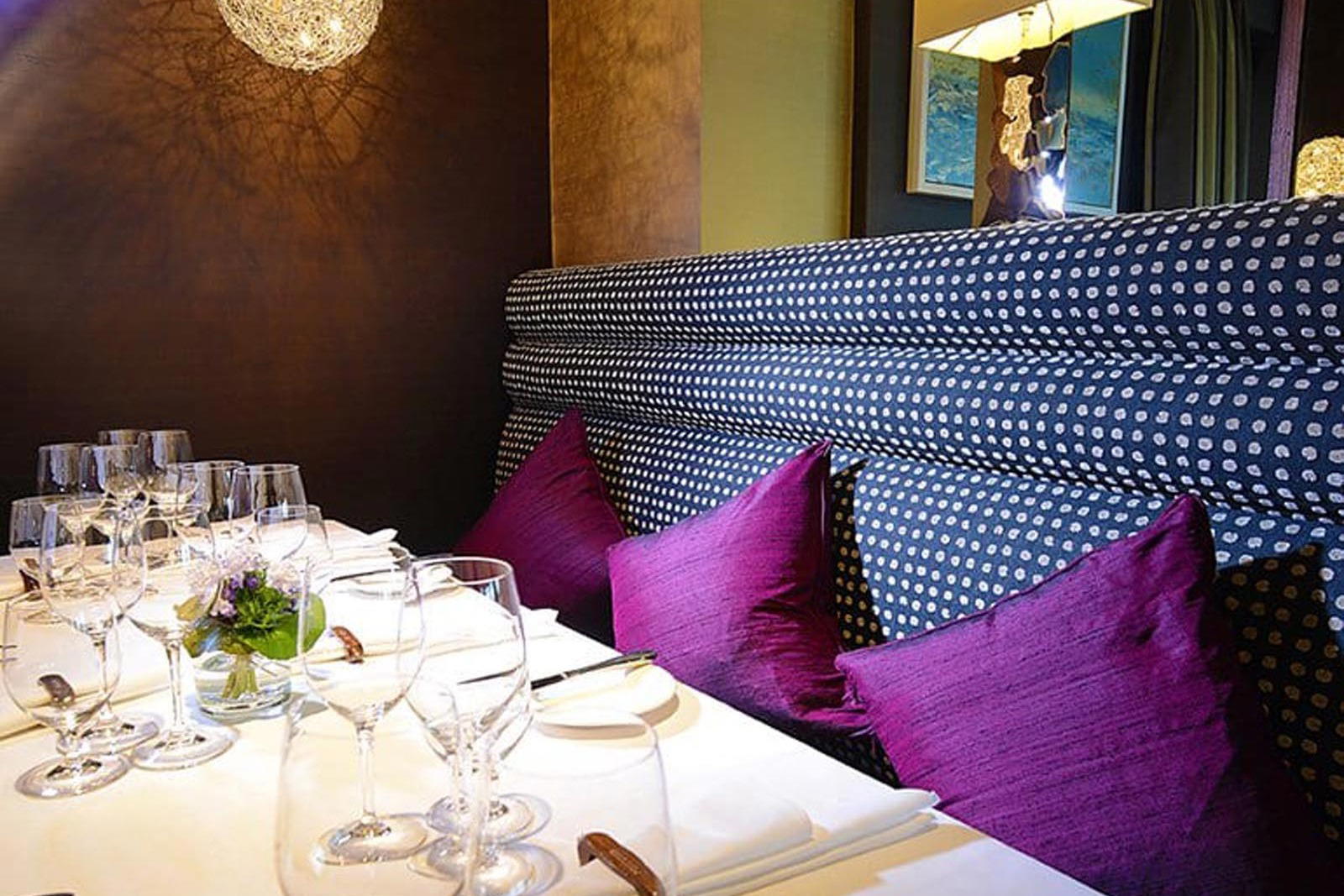
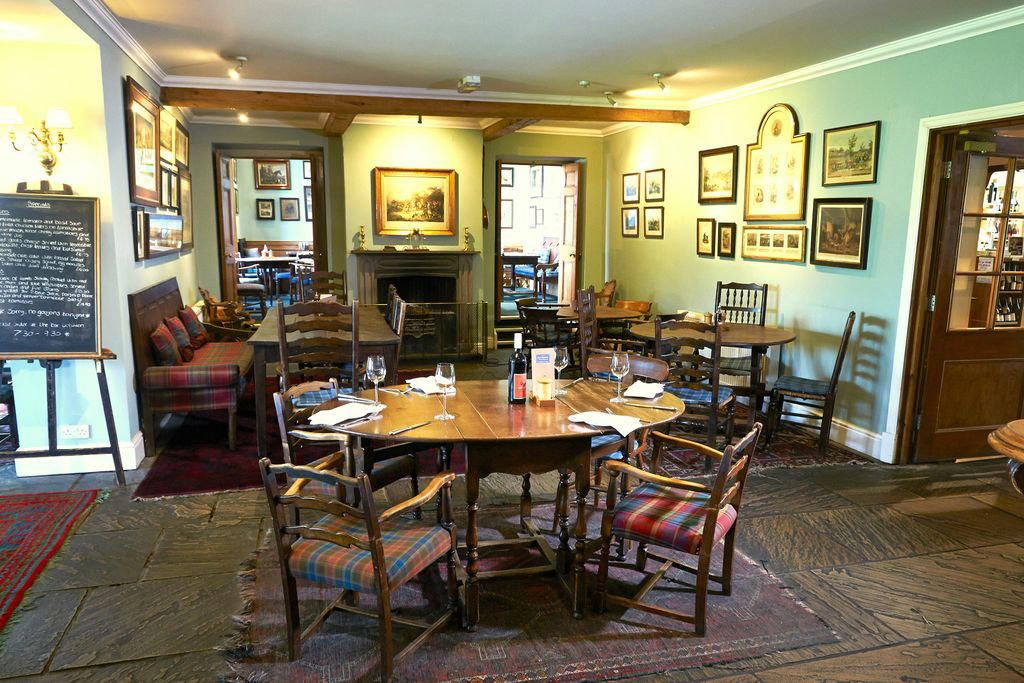
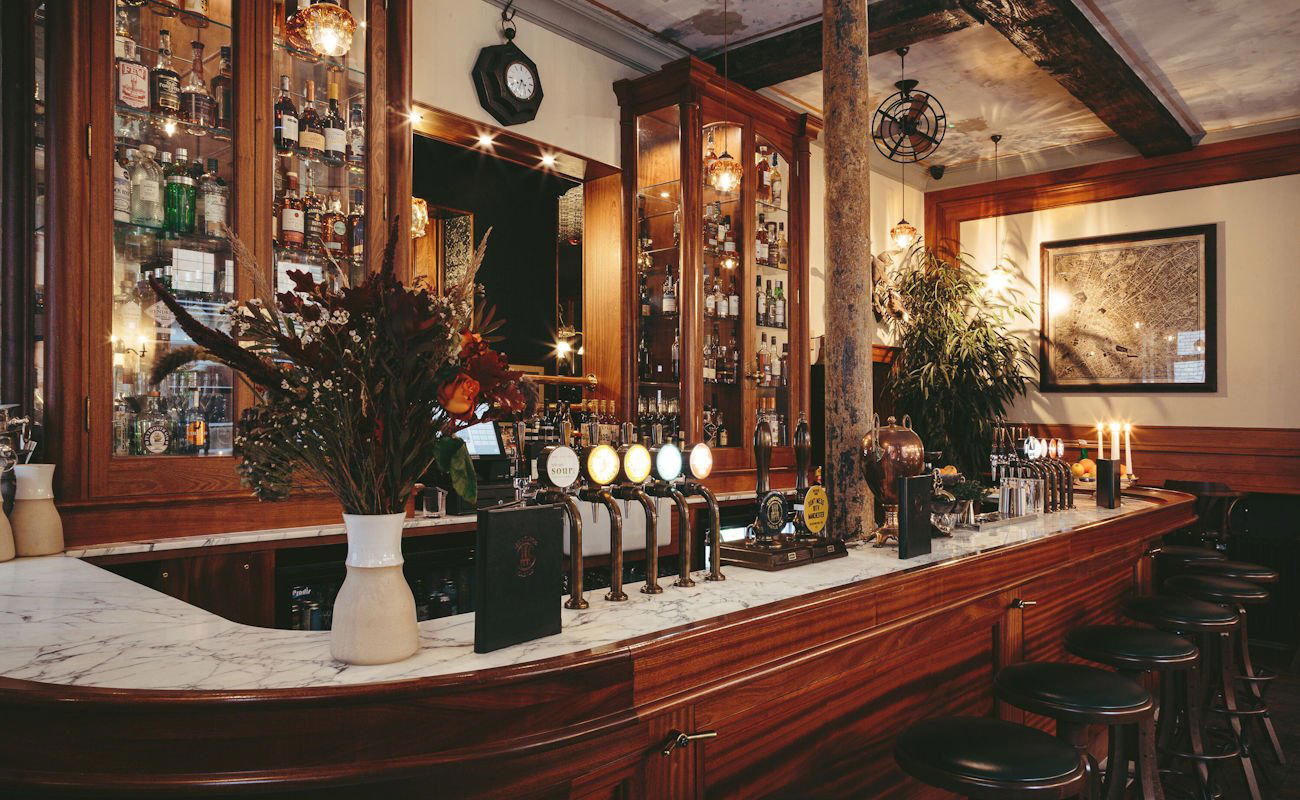
Inviting atmosphere with roaring fires, pleasant decor, and cosy table settings.