Lunya

The Good Food Guide GFG Good
Our verdict
Lunya brings Catalan cooking to Liverpool's city centre with the conviction of a deli-restaurant hybrid that takes its source material seriously. From morcilla balls and boquerones to paella and a Catalan-inflected scouse, the menu draws on specific Spanish regions and producers. Artisan Spanish wines, a serious sherry list, and an extensive gin selection reinforce the regional focus.

Pearl is the En Primeur Club membership app, where members save venues, book tables and use the concierge.
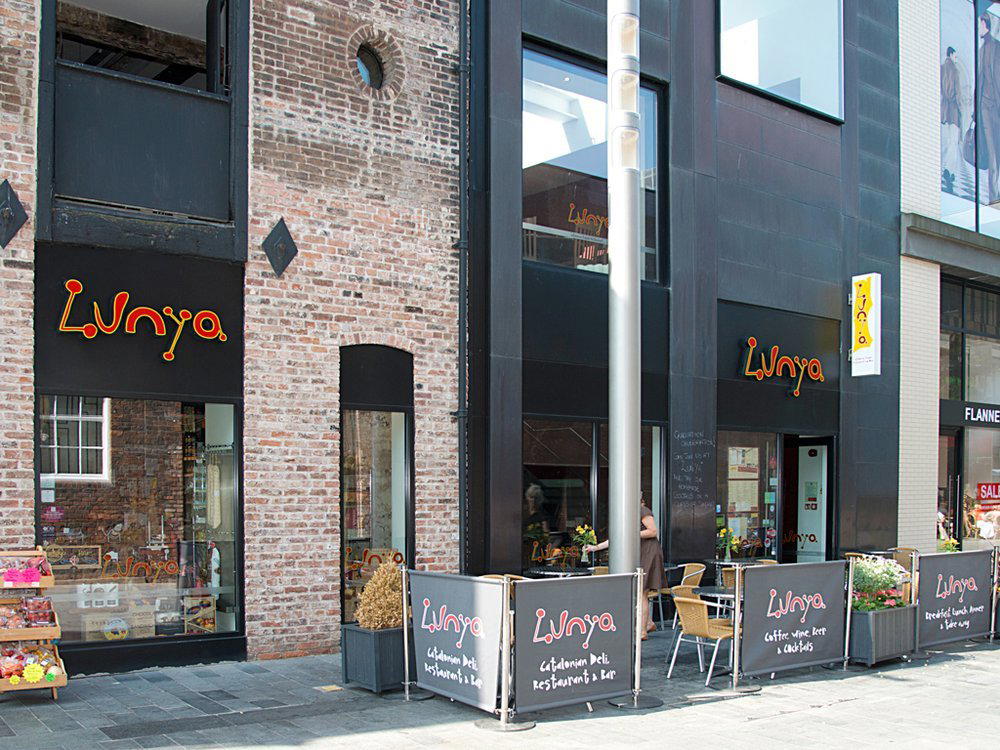
Catalonia in the City Centre
Liverpool's restaurant scene has, over the past decade, grown more willing to commit to a cuisine rather than simply gesture at it. Where many kitchens hedge toward broadly Mediterranean or loosely European, Lunya holds a specific position: this is a Catalan and Spanish restaurant in the genuine sense, with a deli counter and a menu structured around the food traditions of north-eastern Spain. That specificity matters. It places Lunya in a different category from the tapas-bar-as-concept that became common across UK city centres in the 2000s, and it gives the food an identifiable regional logic rather than a general Spanish atmosphere.
The address is 55 Hanover Street, within the Liverpool One shopping complex, which might suggest a compromised dining proposition. In practice, the Kinsella family's operation has built a reputation that sits apart from the retail context. A large red map of Spain on the wall provides geographical orientation, and the kitchen is visible from much of the dining room, giving the space an educational transparency that reinforces the seriousness of the sourcing.
What Catalan Cooking Means on a Liverpool Menu
Catalan food occupies an interesting place in British food culture: widely referenced, rarely executed with precision. It draws from a coastal and pastoral tradition that runs from the Costa Brava inland to the Pyrenees, using salt cod, pork products, game, and a pantry built around romesco, alioli, and the picada. The principle of combining sweet, sour, and savoury in a single dish, a tradition Catalans call mar i muntanya (sea and mountain), produces flavour combinations that can read as eccentric to untrained palates but are historically grounded.
Lunya's menu reflects that tradition without sanitising it. The migas, a country breakfast of cured meats sautéed with breadcrumbs, onion, and garlic, topped with a poached egg, is a Catalan peasant dish that has no obvious equivalent in British breakfast culture. It is an early signal that the kitchen is drawing from actual culinary practice rather than adapting Spanish food for local expectations. The morcilla balls, coated in cornflakes and served with orange-blossom honey and pomegranate molasses, carry the sweet-savoury contrast that defines a strand of Iberian cooking dating back to Moorish influence in Andalusia, and the combination arrives fully committed rather than tentative.
Sourcing specificity extends to the boquerones, drawn from Pujadó Solano in Cantabria, one of the most respected anchovy producers in Spain. Referencing a named producer at this level is unusual in a UK context and places the kitchen closer to how serious Spanish restaurants in Barcelona or San Sebastián present their supply chain. The vegetables receive comparable treatment: roasted parsnips with maple syrup and dukkah move between British, North African, and Spanish reference points, which is either confident cross-cultural cooking or a deliberate acknowledgment of Liverpool's own layered food culture.
For group dining, big pans of paella and tasting banquets are available, formats that suit Liverpool's hospitality culture. The kitchen also serves a Catalan riff on scouse, the city's signature stew, which connects the restaurant's Spanish identity to the local narrative without reducing one to the other. At dessert, vanilla ice cream arrives with turrón and raisins soaked in Pedro Ximénez sherry, a clean resolution that keeps the Spanish register consistent to the end.
The Drinks Programme as Regional Education
In Spanish culinary culture, sherry has long occupied the role that fine wine fills in French tradition: a complex, aged, regionally specific product with its own formal vocabulary. British sherry culture largely lost that seriousness through the second half of the twentieth century, reduced to a Christmas association. Restaurants that take the Jerez region's output seriously, stocking dry fino, manzanilla, amontillado, and oxidative palo cortado alongside the sweeter styles, are performing a slow rehabilitation.
Lunya positions sherry as a speciality, which places it in a small peer group nationally. The gin selection is comparably serious, a product of the gin revival that has swept Spanish bar culture over the past fifteen years, particularly in Barcelona, where gin and tonic service has developed its own elaborate conventions. The wine list covers a regionally diverse range of artisan Spanish producers, offered in two glass sizes from around £6.80. That entry point is accessible against Liverpool's broader wine-bar pricing, and the regional spread, rather than defaulting to Rioja and Albariño as the only references, gives the list coherence with the kitchen's sourcing philosophy. For context on how Spanish wine ambition plays out at the higher end of UK dining, The Ledbury in London and Waterside Inn in Bray represent the kind of programme depth that a specialist Spanish list at Lunya's level is working against a different benchmark from.
Where Lunya Sits in Liverpool's Restaurant Picture
Liverpool's dining options have diversified considerably, with the city now supporting formats across a wide price and style range. Belzan represents the modern neighbourhood-restaurant model, Bistrot Vérité holds the classic French position, and Manifest operates at a higher price point in the modern British tier. EastZeast and Delifonseca Dockside anchor other parts of the city's food culture. Within this picture, Lunya occupies the Spanish-specialist position with a deli dimension that none of its Liverpool peers replicate. The deli element, with its platters and retail component, draws a different kind of visitor from a pure restaurant: people who want to graze, shop, and eat within one visit, a format that works well for a city-centre shopping district.
The regional commitment also places Lunya at a remove from the kind of experience available at heavily awarded destination restaurants elsewhere in the North West. Moor Hall in Aughton and L'Enclume in Cartmel operate at the formal end of the spectrum; Lunya's proposition is different in category and intention, not a lesser version of the same thing.
Planning a Visit
Lunya is at 55 Hanover Street in the Liverpool One complex, accessible from the city centre on foot. The deli-restaurant format means it operates across daytime and evening, making it appropriate for a late breakfast of migas, a lunch built from platters and wine, or a full evening of shared plates. The kitchen suits groups well, given the paella formats and tasting banquets on offer. Artisan Spanish wines start from approximately £6.80 a glass, which positions the drinks accessibly for mid-range spending. Booking in advance is advisable given the venue's reputation among Liverpool's food community, though the format and size of the space may allow for some walk-in availability at quieter times. For a broader picture of what Liverpool offers across price points and styles, see our full Liverpool restaurants guide. The city's broader hospitality offer is covered in our Liverpool hotels guide, bars guide, wineries guide, and experiences guide.
Frequently asked questions
Does Lunya have a Michelin star or similar recognition?
Lunya has received recognition including: ‘A welcoming place with real heart and passion,’ the Kinsella family’s authentic Catalan tapas joint and deli has been one of the city's roaring success stories of the past few years, offering a taste of sun-splashed Spanish tradition beame….
How do I find Lunya?
Lunya is located at 55 Hanover St, Liverpool L1 3DN, United Kingdom, Liverpool.
What do people recommend at Lunya?
The morcilla balls coated in cornflakes with orange-blossom honey and pomegranate molasses draw consistent attention as a demonstration of the Catalan sweet-savoury tradition. Boquerones sourced from Cantabrian producer Pujadó Solano and the traditional migas breakfast of cured meats, breadcrumbs, and poached egg are also frequently highlighted. For dessert, vanilla ice cream with turrón and PX-drenched raisins is the logical finish. Sherries and a regionally varied selection of artisan Spanish wines, available by the glass from around £6.80, round out the visit.
Can I walk in to Lunya?
Lunya's position within Liverpool One and its standing as one of the city's more distinctive food addresses means demand runs consistently high, particularly at weekends. Booking ahead is the more reliable approach, especially for larger groups or the tasting banquet formats. The deli side of the operation at 55 Hanover Street offers more flexibility for casual visits without a reservation.
Budget Reality Check
Comparable venues nearby, for context on price, style, and recognition.
| Venue | Cuisine | Price | Awards | Notes |
|---|---|---|---|---|
| LunyaThis venue (the venue you are viewing) | Authentic Catalan Tapas | $50–100 | The Good Food Guide GFG Good | Not listed |
| Mowgli Water Street | Indian Street Food | $20–30 | Not listed | Liverpool City Centre, Indian Street Food |
| Lunyalita | Catalan Tapas | $20–30 | Not listed | Royal Albert Dock, Catalan Tapas |
| Sultan's Palace | Traditional Tandoori Indian | $20–30 | Not listed | City Centre, Traditional Tandoori Indian |
| Rudy's Neapolitan | Authentic Neapolitan Pizza | $20–30 | Not listed | Bold Street, Authentic Neapolitan Pizza |
| Fritto Italian Street Food | Italian Street Food | $10–20 | Not listed | Smithdown Road, Italian Street Food |
Recognition history
Dated appearances from independent guides and award organizations, with the underlying list record or original source where available.
The Good Food Guide GFG Good
The Good Food Guide
Continue exploring
More in Liverpool
Restaurants in Liverpool
All restaurants in Liverpool →
Bars in Liverpool
All bars in Liverpool →
Details
- Lively
- Cozy
- Trendy
- Date Night
- Group Dining
- Family
- Casual Hangout
- Open Kitchen
- Extensive Wine List
- Small Plates
- A La Carte
- Vegetarian Friendly
- Vegan Options
Current opening hours
- Monday
- 11 AM–8:30 PM
- Tuesday
- 11 AM–8:30 PM
- Wednesday
- 11 AM–8:30 PM
- Thursday
- 11 AM–8:30 PM
- Friday
- 11 AM–9 PM
- Saturday
- 10 AM–9 PM
- Sunday
- 10 AM–8 PM
Hours can change for holidays and private events. Hours as of .
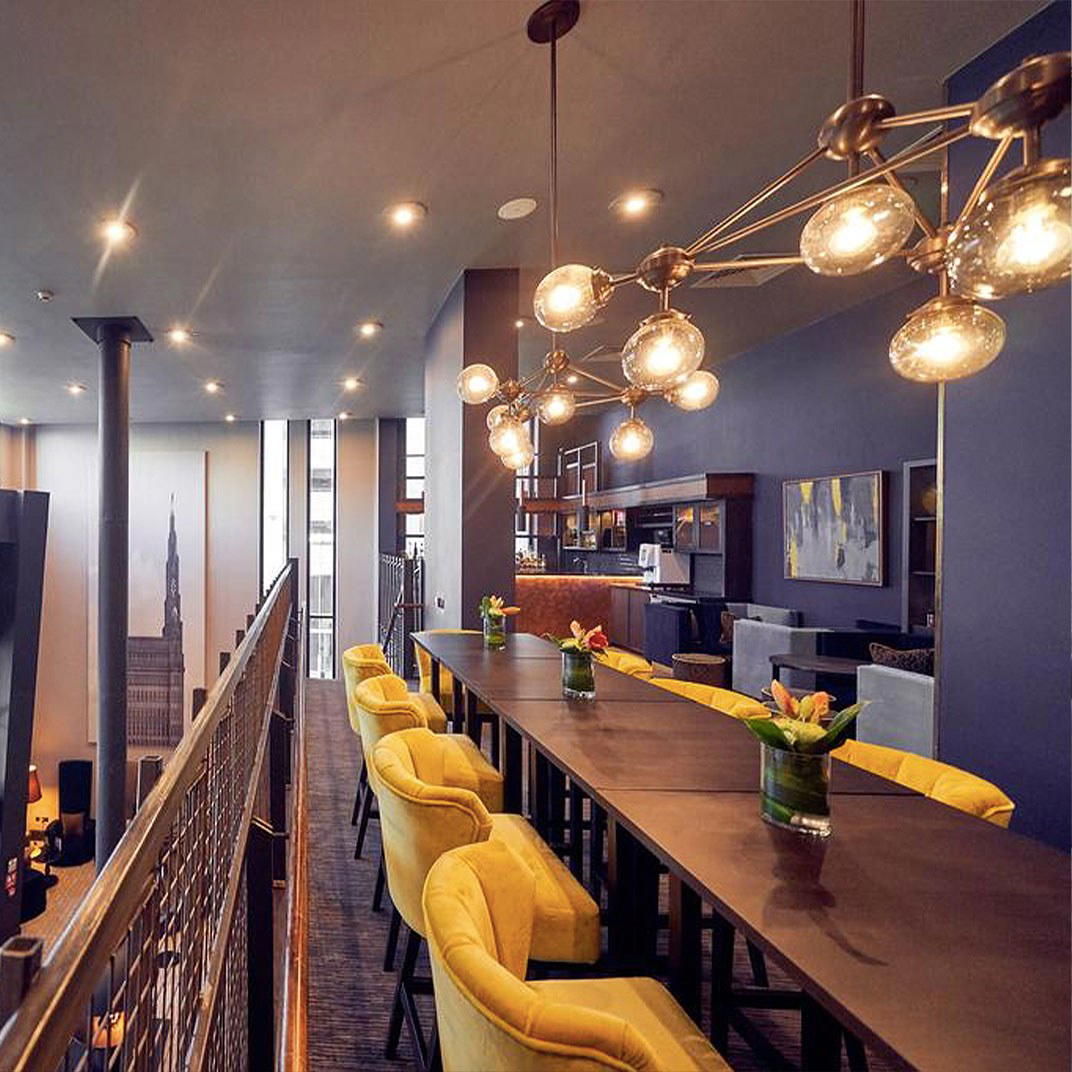
Lively and warm atmosphere with friendly service, beautiful furnishings, and a lively buzz even when busy.