
Relais Chateaux Award
Our verdict
Set along the Manali-Leh Highway near Palchan, Sitara Himalaya sits at a remove from the town's busier dining strip, combining Indian hospitality traditions with Himalayan panoramas.

Pearl is the En Primeur Club membership app, where members save venues, book tables and use the concierge.
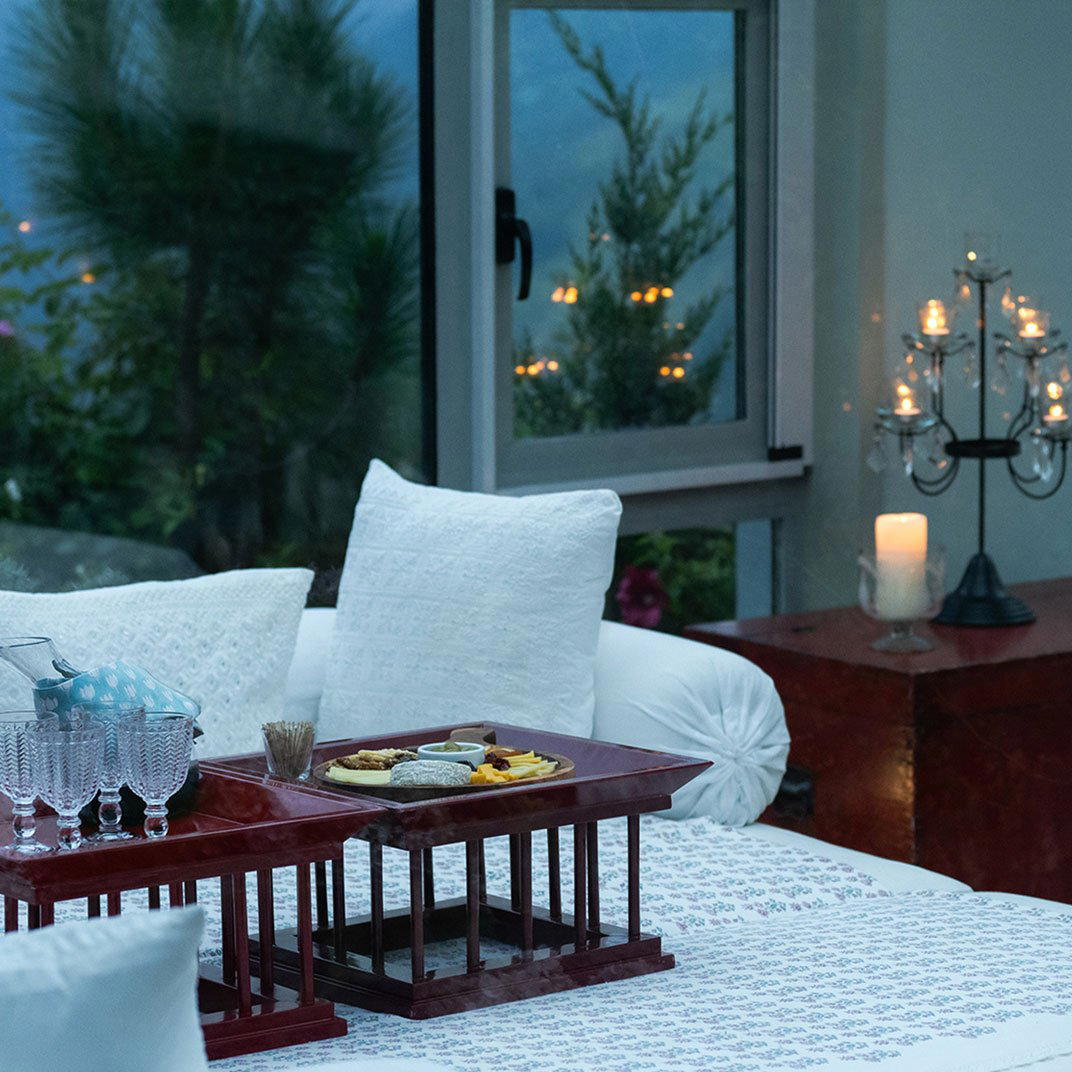
Where the Himalayas Become the Dining Room
Approach Sitara Himalaya from the Manali-Leh Highway and the context arrives before the property does. At this altitude and latitude, the peaks that frame the Beas valley are not decorative background; they exert a physical presence on everything below them, the light, the temperature, the particular quality of silence between wind gusts. Restaurants in mountain settings often claim the view as a substitute for substance. Here, the positioning along the highway toward Palchan, roughly 11 kilometres from Manali Bus Station, places the property deliberately outside the town's concentrated dining cluster, and that distance is a statement of intent. You travel to reach it, and the journey recalibrates your expectations before you arrive.
This is the register in which Sitara Himalaya operates: part retreat sanctuary, part dining destination, shaped by the logic of altitude rather than the competitive pressure of a main-street location. For context on how Indian hospitality traditions translate across very different settings, compare this approach with Adaa at Falaknuma Palace in Hyderabad, where palace architecture does equivalent work as a frame for the meal. The principle is the same, the built and natural environment amplifies the food, even though the execution is poles apart.
The Spice Architecture of North Indian Cooking at Altitude
Indian cuisine's structural logic depends on sequencing. The same spice, say, cumin, behaves differently depending on whether it enters a dish whole and dry-roasted, bloomed in hot fat at the start of a cook, or ground and stirred in near the end. This is not a decorative technique; it is the grammar of the cuisine. A whole cumin seed cracked in oil releases volatile compounds that bind to fat and carry through an entire preparation. Ground cumin added late contributes earthiness without the aromatic lift. The difference between a dish that reads flat and one that resonates across several registers of heat, depth, and fragrance is almost always a question of when, not what.
North Indian cooking in Himachal Pradesh draws on this logic with particular emphasis on warming spices, cardamom, clove, dried ginger, black pepper, that reflect both the altitude and the trade routes that historically crossed these passes. The regional pantry is not the same as the pantry of Delhi's restaurant dining. Dum Pukht in New Delhi represents one end of the Indian fine dining axis: slow-cooked, sealed, aromatic, and deeply urban in its refinement. Mountain cooking in Himachal works from a different premise, with spice combinations that address cold rather than celebration, sustenance rather than spectacle.
Sitara Himalaya's Indian kitchen operates within this northern tradition. For travellers who have eaten at restaurants like Naar in Kasauli or Chandni in Udaipur, the register here sits closer to altitude-driven northern cooking than to the contemporary reinterpretation model those venues represent.
Retreat Setting and the Logic of Leaving Town
The property's designation as a spiritual retreat sanctuary shapes how its hospitality functions. In the Himalayan corridor between Manali and Leh, a stretch that carries some of the most travelled mountain road in India, the concept of retreat has specific currency. Properties here must decide whether they address the transit traveller moving through to Ladakh, the trekking visitor based in Manali for several days, or the guest who makes the property itself the destination. Sitara Himalaya's position and designation suggest the latter orientation.
The views of the Himalayas the property highlights are not incidental. At GPS coordinates 32.3116, 77.1795, the site sits in a part of the valley where the river gorge begins to narrow toward Solang and the peaks that bracket the road become increasingly imposing. This is a different visual grammar from Manali's Old Town, where the frame is forest and older architecture. Here, the scale tips toward rock and sky.
For travellers arriving via Bhuntar Airport, the nearest commercial airport, the journey to Sitara Himalaya runs through Manali town before continuing along the highway, a sequence that makes the property's remove feel earned. Those arriving by train travel first to Chandigarh and then by road, a route that takes the better part of a day and makes the idea of a retreat destination considerably more meaningful than it would in a city context.
Sitara Himalaya in the Broader Indian Restaurant Conversation
The off-the-beaten-track designation in the venue's highlights is accurate in the literal sense: this is not the restaurant you stumble into after a walk down Mall Road.
Across India's premium dining tier, the conversation has shifted toward sourcing, regional specificity, and the recovery of culinary traditions that urbanisation compressed or erased. Farmlore in Bangalore operates at one edge of that movement; Jamavar Delhi sits within the classical North Indian tradition that premium hospitality has long favoured. Sitara Himalaya occupies a different register from both: a mountain property where the hospitality tradition is shaped by place rather than urban culinary ambition.
For those building a picture of how Indian restaurant culture operates beyond the metropolitan axes, beyond Delhi, Mumbai, Bangalore, venues like Sitara Himalaya represent an important data point. Dining Tent in Jaisalmer offers a desert-landscape counterpart to this altitude-and-peaks logic; Bomras in Anjuna does the same on the coastal margin. The setting is always doing work on the food, and in each case the question for the traveller is whether they want that environmental register or something more insulated from it.
For broader context on eating and staying in the region, the full Manali restaurants guide maps the town's dining options across formats and budgets. The Manali hotels guide covers accommodation across the valley, and experiences in Manali documents what the region offers beyond the table. For drinks coverage, the Manali bars guide and wineries guide round out the picture for visitors planning a longer stay.
Other Indian restaurants worth benchmarking against, across very different settings: The Table in Mumbai, Baan Thai in Kolkata, da Susy in Gurugram, Trèsind Studio in Dubai, and Opheem in Birmingham each show how far the grammar of Indian cooking travels and how differently it reads when the setting, the spice logic, and the hospitality tradition change.
Planning Your Visit
Sitara Himalaya sits along the Manali-Leh Highway in Village New Kothi, Palchan, approximately 11.3 kilometres from Manali Bus Station. Car access from town takes under 30 minutes in clear conditions; the road is the main Leh highway, so it is well-maintained in season. The nearest airport is Bhuntar, roughly 50 kilometres south; the nearest rail connection is Chandigarh, from which most visitors complete the journey by road.
Frequently asked questions
How do I find Sitara Himalaya?
Sitara Himalaya is located at Vill. New Kothi,Palchan, Manali - Leh Hwy, Distt, Himachal Pradesh 175103, India, Manali.
How It Stacks Up
Comparable venues nearby, for context on price, style, and recognition.
| Venue | Cuisine | Price | Awards | Notes |
|---|---|---|---|---|
| Sitara HimalayaThis venue (the venue you are viewing) | Himalayan Indian Cuisine | Not listed | Relais Chateaux Award | Not listed |
| Mynt | Pure Vegetarian Indian | Not listed | Not listed | Vrindavan |
| Neel | Traditional Punjabi | $30–50 | Relais Chateaux Award | Adalat Bazar |
| Omya | Modern Indian Fine Dining | $100–150 | Not listed | Lodhi Road |
| Krafty Kitchen | Multi-Cuisine Indian & Chinese | $1–10 | Not listed | Sector 9C |
| Bukhara | North West Frontier Tandoori | $30–50 | World's 50 Best #37 · La Liste Top Restaurants | Chanakyapuri/Lutyens' Delhi |
Recognition history
Dated appearances from independent guides and award organizations, with the underlying list record or original source where available.
Relais Chateaux Award
Relais Chateaux
Continue exploring
More in Manali
Hotels in Manali
All hotels in Manali →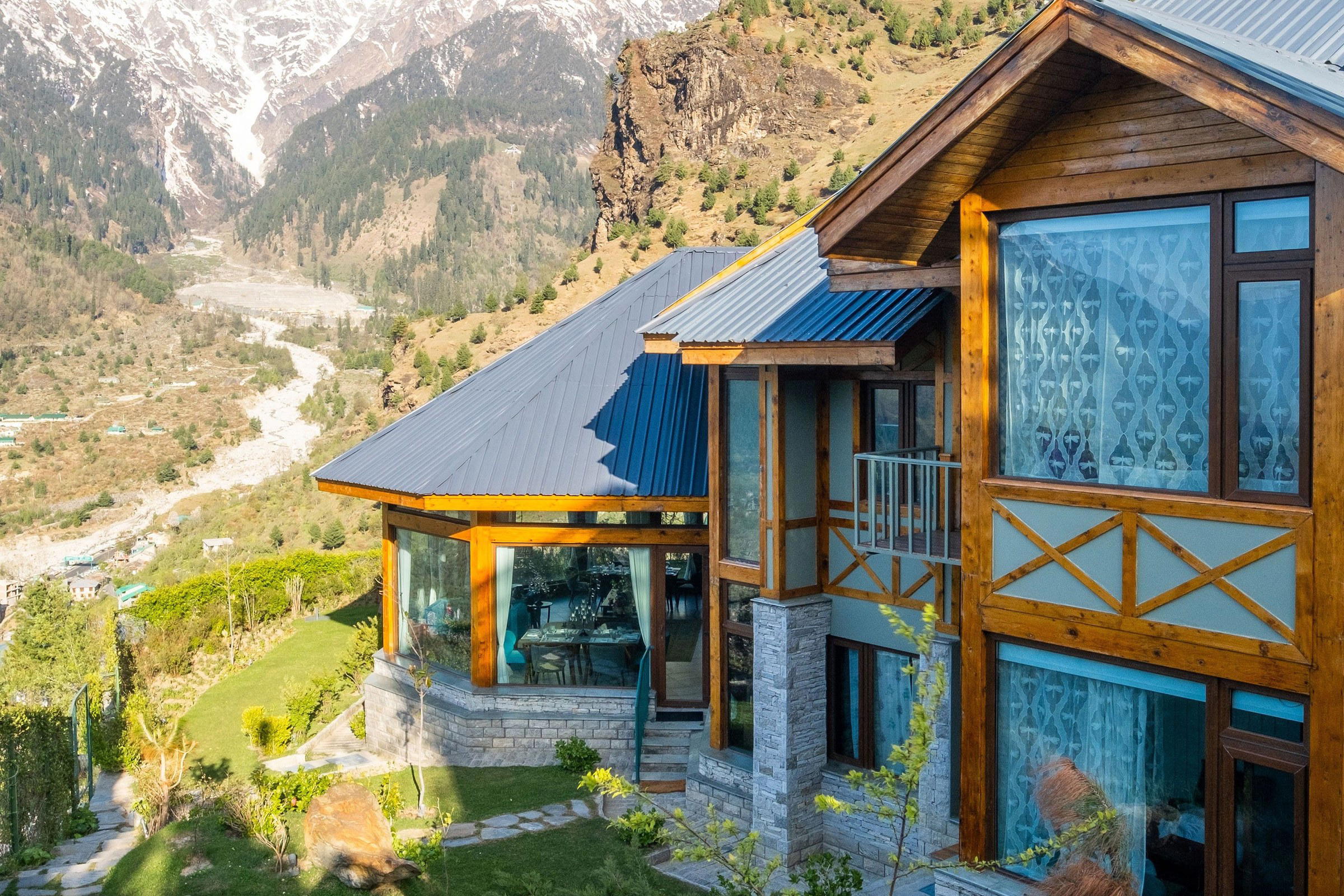
Details
- Romantic
- Quiet
- Elegant
- Scenic
- Intimate
- Sophisticated
- Special Occasion
- Panoramic View
- Hotel Restaurant
- Local Sourcing
- Mountain
- A La Carte
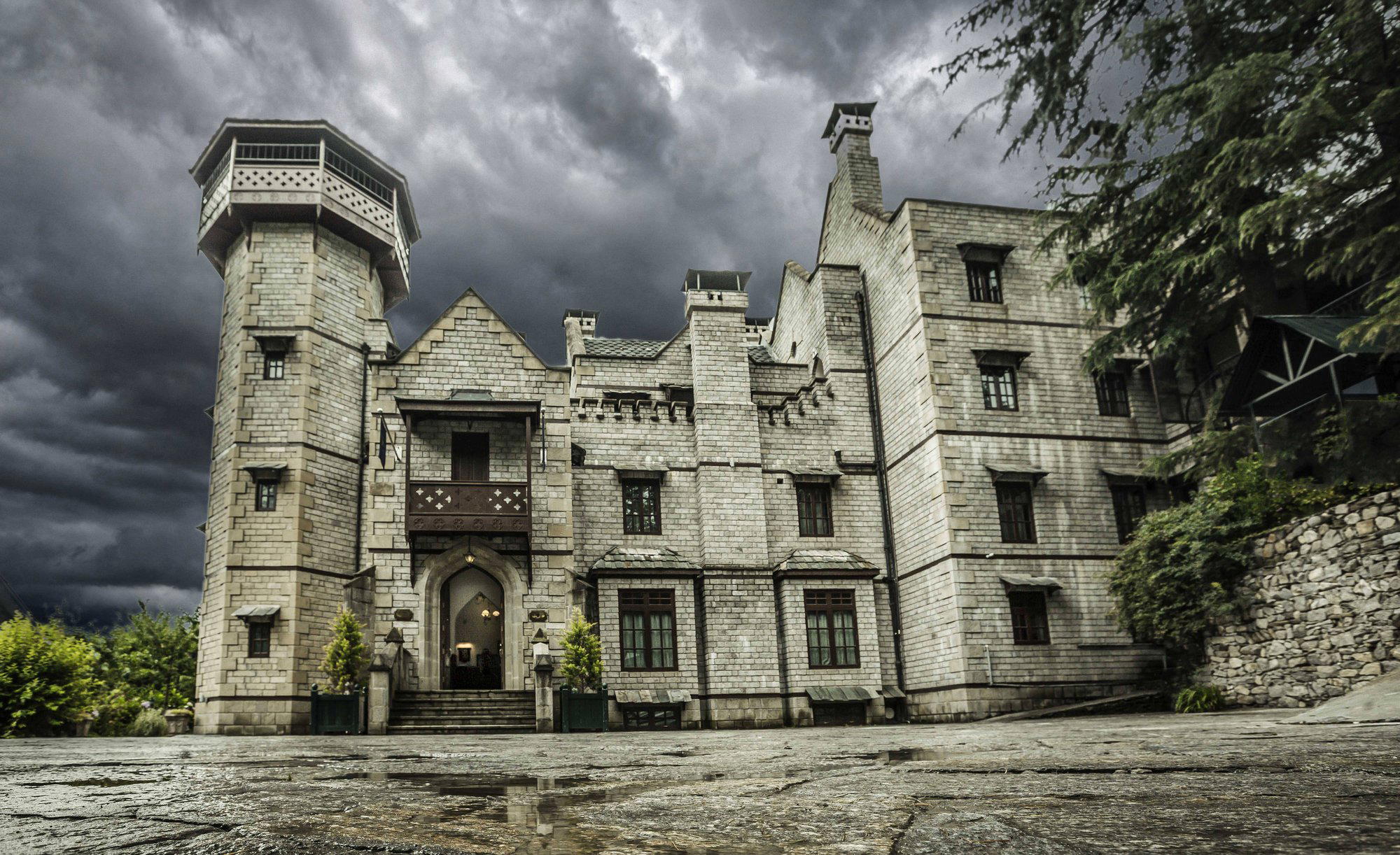
Stylish interiors with Indian, Tibetan, and English influences, serene and restorative atmosphere enhanced by spectacular mountain valley views.