Our verdict
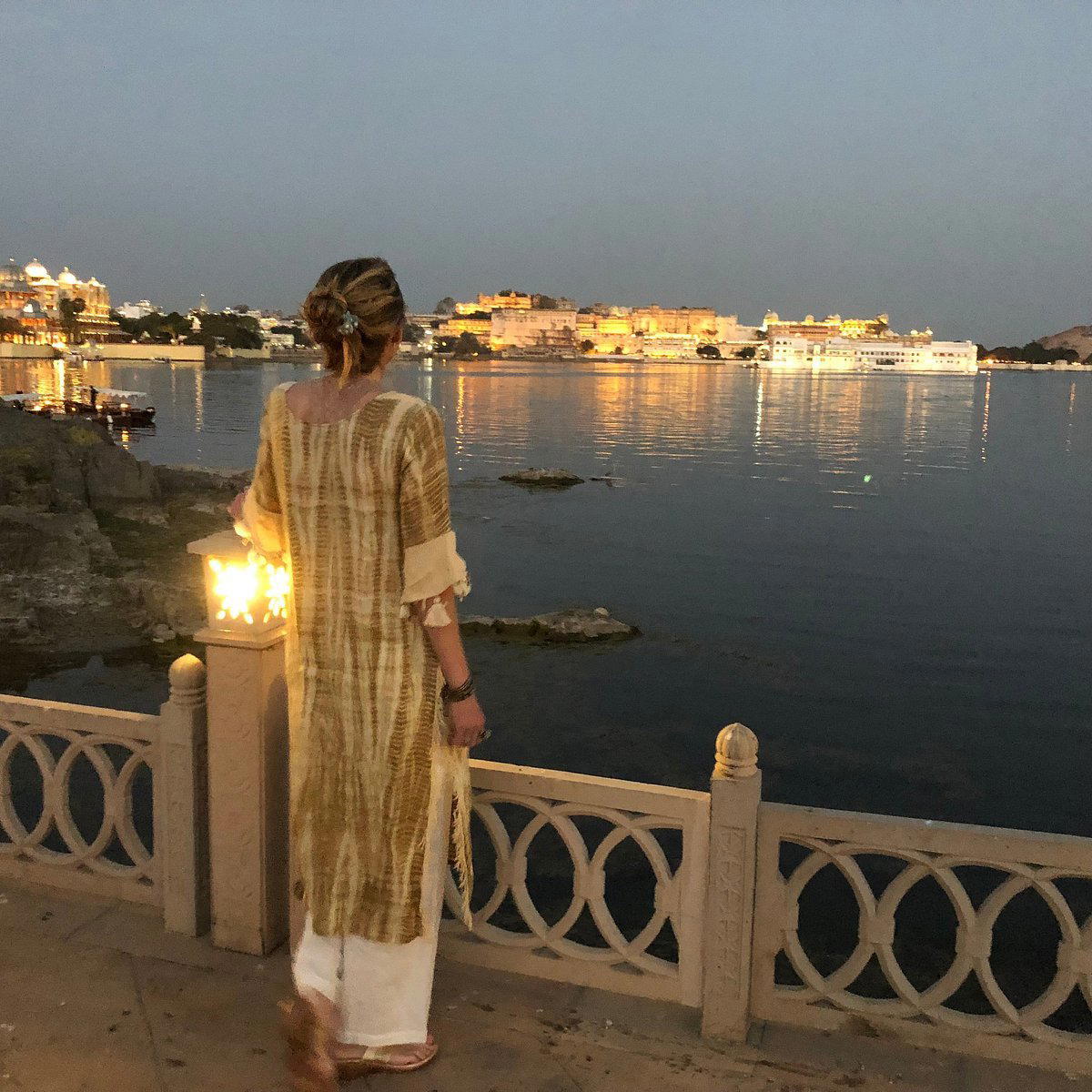
On the Badi-Gorela road skirting Lake Pichola, Chandni occupies a stretch of Udaipur where the city's Rajasthani culinary tradition and its relationship with locally sourced produce are on clearest display. The setting places it squarely in the company of Udaipur's lake-facing dining circuit, where the provenance of ingredients and the architecture of a meal carry as much weight as the view. A point of reference for visitors tracing the region's food culture.

Pearl is the En Primeur Club membership app — saves, bookings, and concierge access live there. Same editors, same standards.
- Address
- HMGC+VVV, Badi-Gorela-Mulla Talai Rd, Haridas Ji Ki Magri, Pichola, Udaipur, Rajasthan 313004, India
- Phone
- +91 294 243 3300
- Website
- oberoihotels.com
- Directions
- Get directions
The menu
What to order
- Lal Maas
- Tandoori Raan
- Chicken Dum Biryani
- Dum Aloo
- Paneer Dishes
- Ras Malai
Where Udaipur's Lake Shore Becomes a Dining Address
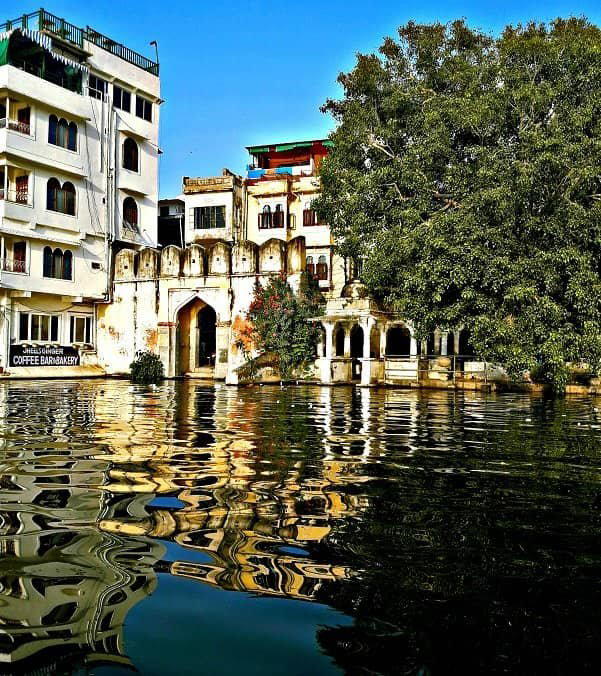
The road that traces the eastern edge of Lake Pichola past Haridas Ji Ki Magri is not the city's most-trafficked tourist corridor, and that relative remove is precisely what defines the dining character along it. Restaurants here operate against a backdrop where the lake's surface light shifts across the evening, and where the immediate geography, the Aravalli foothills pressing close, the old city quarter behind, shapes both the mood and, in some cases, the supply chain of what arrives at the table. Chandni sits on this stretch, at the address on the Badi-Gorela-Mulla Talai Road, positioning it within a dining pocket that draws on Rajasthan's agricultural hinterland more directly than the heavily touristed ghats allow.
Udaipur as a food city is often read through its palace hotels and their high-production set pieces, properties like the Lake Palace Hotel or Sheesh Mahal, where the grandeur of the setting is inseparable from the proposition. But the more instructive story in Udaipur's current dining scene sits in the smaller, neighbourhood-rooted establishments that treat Rajasthani produce, dried pulses from the surrounding district, fresh dairy from local herds, and the dal-baati-churma tradition not as heritage performance but as a working kitchen logic. That is the register this part of the lakefront occupies.
The Ingredient Logic of Rajasthani Cooking
To understand what a kitchen in this part of Udaipur is working with, it helps to understand the agricultural and pastoral context of southern Rajasthan. The region around Udaipur, the former Mewar kingdom, has its own distinct culinary identity shaped by scarcity-informed cooking, the long-shelf-life ingredients favoured by a semi-arid zone: ker sangri (dried desert beans and berries), sun-dried vegetables, gram flour, and aged ghee. These are not romanticised touches. They are structural ingredients in the regional diet that have been in continuous use across centuries and that carry flavour profiles unavailable through any other sourcing logic.
Where Udaipur's most thoughtful kitchens separate themselves from more generic Rajasthani restaurant culture is in whether they source these ingredients locally and seasonally, or substitute with commercially produced approximations. The distinction matters more than it might appear on a menu: ker sangri harvested from the Thar's desert scrub carries a bitterness and mineral quality that the commercially farmed version flattens. Locally churned ghee from indigenous Rathi or Gir cattle, common in the Mewar pastoral economy, reads differently in a dal preparation than the generic clarified butter used at scale. This is the ingredient-sourcing argument that the better kitchens along this lakefront corridor make in practice rather than in prose.
India's broader fine-dining conversation has moved sharply in this direction. Farmlore in Bangalore has built a nationally recognised program around farmer relationships and seasonal sourcing. Naar in Kasauli positions Himalayan forage and local produce as the structuring logic of its menu. Even within the palace-hotel tradition, Adaa at Falaknuma Palace in Hyderabad treats Hyderabadi culinary heritage as a sourcing and technique argument, not just a menu category. The movement toward ingredient provenance as a primary editorial frame for Indian restaurant culture is now broad enough to be a scene, not a niche. Chandni sits within that conversation geographically and, given its location in one of India's most ingredient-distinct culinary regions, has the raw material to participate in it substantively.
Reading the Neighbourhood
The Pichola area, specifically the stretch between the old city and the quieter southern end of the lake, has a different texture from Udaipur's more heavily visited corridors. This is not the concentration of rooftop bars aimed at the sunset-photo circuit. The dining options here skew toward the locally frequented, and the rhythm of service tends to follow the neighbourhood's own patterns rather than the tour-group timetable. For a visitor whose interest runs to understanding how the city actually eats, rather than how it performs for visitors, this part of the address map rewards attention.
For a broader orientation to where Chandni sits within Udaipur's dining structure, our full Udaipur restaurants guide maps the city's eating options by neighbourhood and category. Those planning a longer stay will also find reference points in our Udaipur hotels guide, bars guide, and experiences guide. Udaipur's winery and wine-adjacent culture is a smaller story, but covered in our Udaipur wineries guide for completeness.
Chandni in the Wider India Context
Placing Chandni within the national conversation requires acknowledging that Rajasthani cuisine has historically been under-represented in India's high-recognition dining circuit, which has tilted toward metropolitan kitchens with global-technique ambitions. The Michelin framework, which entered India in 2023, has concentrated its attention on Mumbai and Delhi, with Bukhara in New Delhi representing the kind of north Indian institution that recognition tends to cluster around. South Indian kitchens have their own emerging critical mass, with Avartana in Chennai representing the technique-led end of that argument. Meanwhile, regionally specific cuisines operating outside the main metros, comparable to what Bomras in Anjuna does for Burmese-Goan fusion in a non-metropolitan setting, remain less legible to international critical frameworks even when the ingredient and cooking logic is compelling.
This gap between critical attention and culinary substance is not unusual globally. Le Bernardin in New York City and Atomix in New York City operate within a critical infrastructure dense enough to evaluate them precisely. Udaipur does not yet have that infrastructure in place for its neighbourhood kitchens. What it has, in the Pichola area and along this lakefront road, is a set of culinary raw materials as distinctive as anywhere in India and a dining context where ingredient provenance, if a kitchen chooses to act on it, is genuinely traceable to the surrounding landscape. That is the claim worth testing when visiting a restaurant in this location.
Comparable palace-adjacent dining in Udaipur, such as Royal Repast, tends toward the heritage-dining format where Mewar royal cuisine is the explicit frame. Chandni's position on the Badi-Gorela road places it at a slight remove from that heritage-performance circuit, which is either a limitation or an asset depending on what a diner is actually after. Visitors less interested in theatrical framing and more interested in how the region's ingredients function in a working kitchen will read that remove as a point in its favour. Those travelling elsewhere in India for similar ingredient-rooted cooking may find comparative value in Americano in Mumbai or Baan Thai in Kolkata for how other regional registers are handled in different metropolitan contexts.
Planning a Visit
The address on Badi-Gorela-Mulla Talai Road in the Pichola area is accessible by auto-rickshaw from the old city, with the Haridas Ji Ki Magri neighbourhood a short ride from the main ghats. Specific pricing, hours, and reservation policy should be confirmed locally or through the hotel concierge prior to visiting.
Frequently asked questions
Where is Chandni in Udaipur?
Chandni is located at HMGC+VVV, Badi-Gorela-Mulla Talai Rd, Haridas Ji Ki Magri, Pichola, Udaipur, Rajasthan 313004, India, Udaipur.
Is Chandni worth visiting for Mewar regional cooking specifically, rather than the generic Rajasthani menu found at most Udaipur tourist restaurants?
Chandni's address on Badi-Gorela-Mulla Talai Road in the Pichola area places it inside the historic Mewar region, where the local cooking tradition differs from the broader Rajasthani canon in its use of specific lentils, wild greens, and dairy preparations tied to the pastoral economy of this part of the state. That geographic positioning matters: neighbourhood restaurants in this corridor tend to reflect what the local supply chain actually produces rather than a curated all-Rajasthan greatest-hits format. Whether Chandni's kitchen actively foregrounds that Mewar specificity requires confirming on arrival, but the address alone puts it closer to the source than most options in Udaipur's more tourist-dense zones.
What do regulars order at Chandni?
That said, restaurants in Udaipur's Pichola area working within the Mewar culinary tradition typically anchor their menus around lentil-based preparations, millet breads, and slow-cooked vegetable dishes shaped by the semi-arid agricultural belt of southern Rajasthan. Asking staff directly what comes from the kitchen's own preparation rather than a pre-packaged supply chain is always the right first question at a neighbourhood address like this.
Do they take walk-ins at Chandni?
The Pichola lakefront corridor does see concentrated footfall between October and February, when Udaipur's cooler season pulls significant visitor numbers into the old city and surrounding neighbourhoods. At that time of year, arriving early in the evening is a practical precaution at any restaurant along this stretch without a confirmed booking.
In Context: Similar Options
Comparable venues nearby, for context on price, style, and recognition.
| Venue | Cuisine | Price | Awards | Notes |
|---|---|---|---|---|
| ChandniThis venue — the venue you are viewing | Traditional Indian Fine Dining | $50–100 | Not listed | Not listed |
| Sheesh Mahal | Fine Dining Indian with Rajasthani Specialties | $30–50 | Not listed | Lake Pichola |
| Lake Palace Hotel | Rajasthani Fine Dining | $50–100 | Not listed | Lake Pichola |
| Royal Repast | Authentic Mewari Rajasthani & Italian | $10–20 | Not listed | Chetak Circle |
| Suryamahal | Indian and Western Fine Dining | Not listed | Not listed | Pichola |
| Bukhara Restaurant | North West Frontier Tandoori | $30–50 | World's 50 Best #37 · La Liste Top Restaurants | Diplomatic Enclave |
Continue exploring
More in Udaipur
Restaurants in Udaipur
Browse all →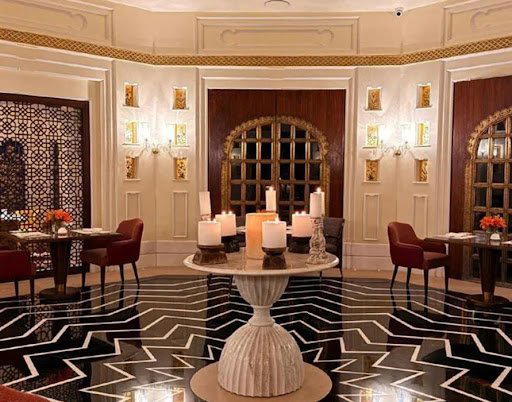

Details
- Romantic
- Scenic
- Elegant
- Sophisticated
- Date Night
- Celebration
- Special Occasion
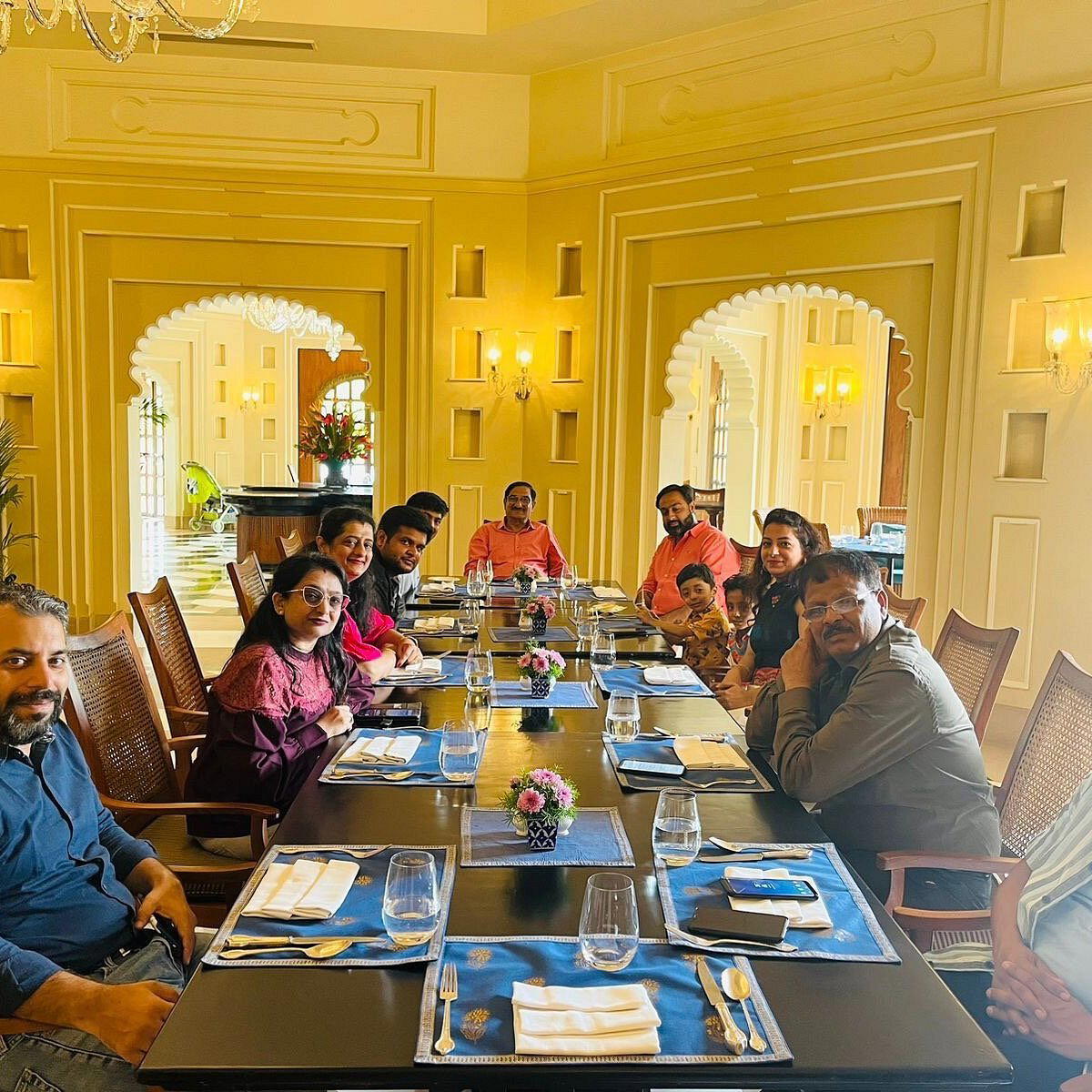
- Group Dining
- Waterfront
- Live Music
- Panoramic View
- Hotel Restaurant
- Terrace
- Craft Cocktails
- Waterfront
- A La Carte
- Set Menu
- Cocktails
- Wine
- Vegetarian Friendly
- Allergy Accommodating
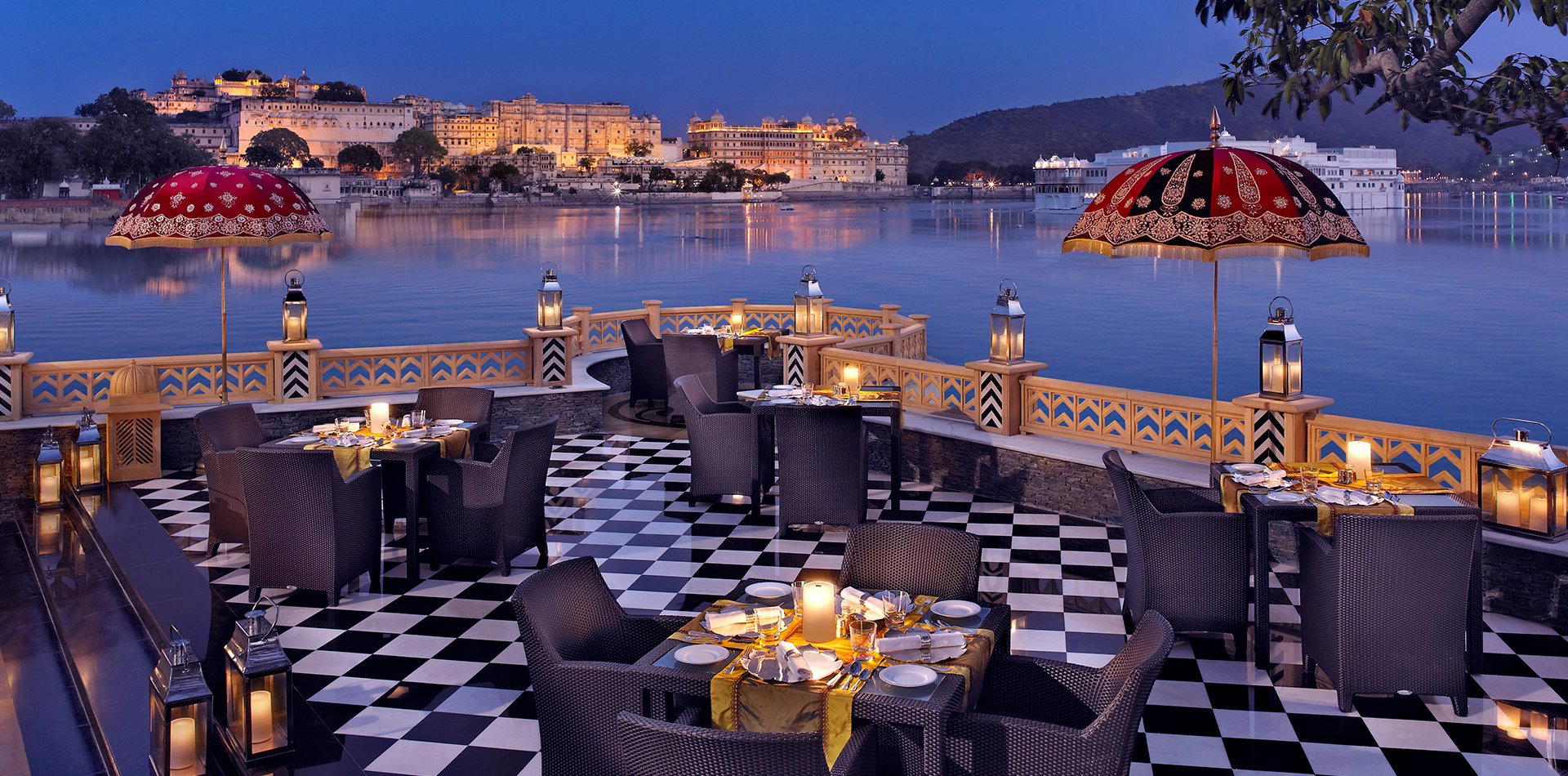
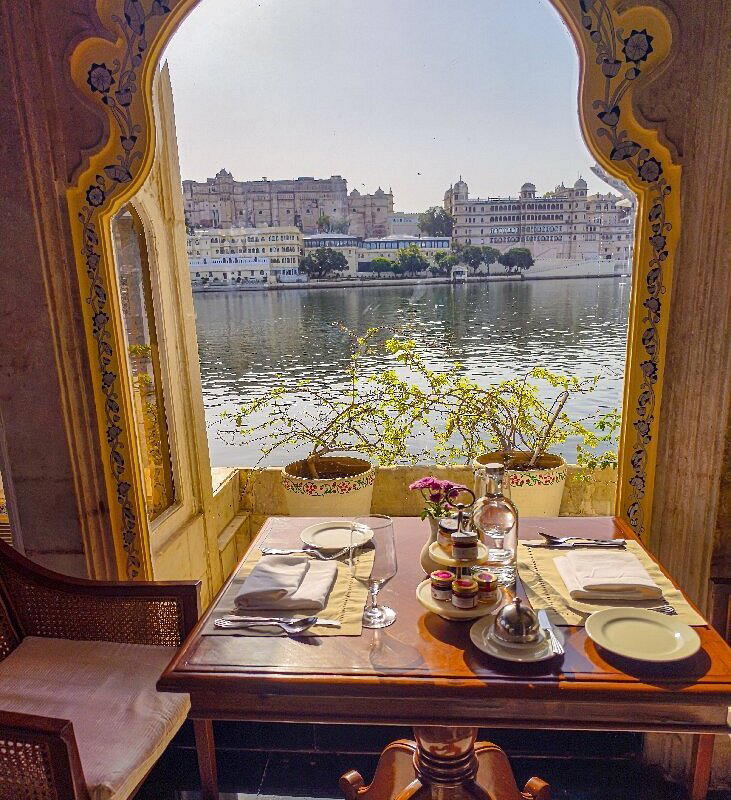
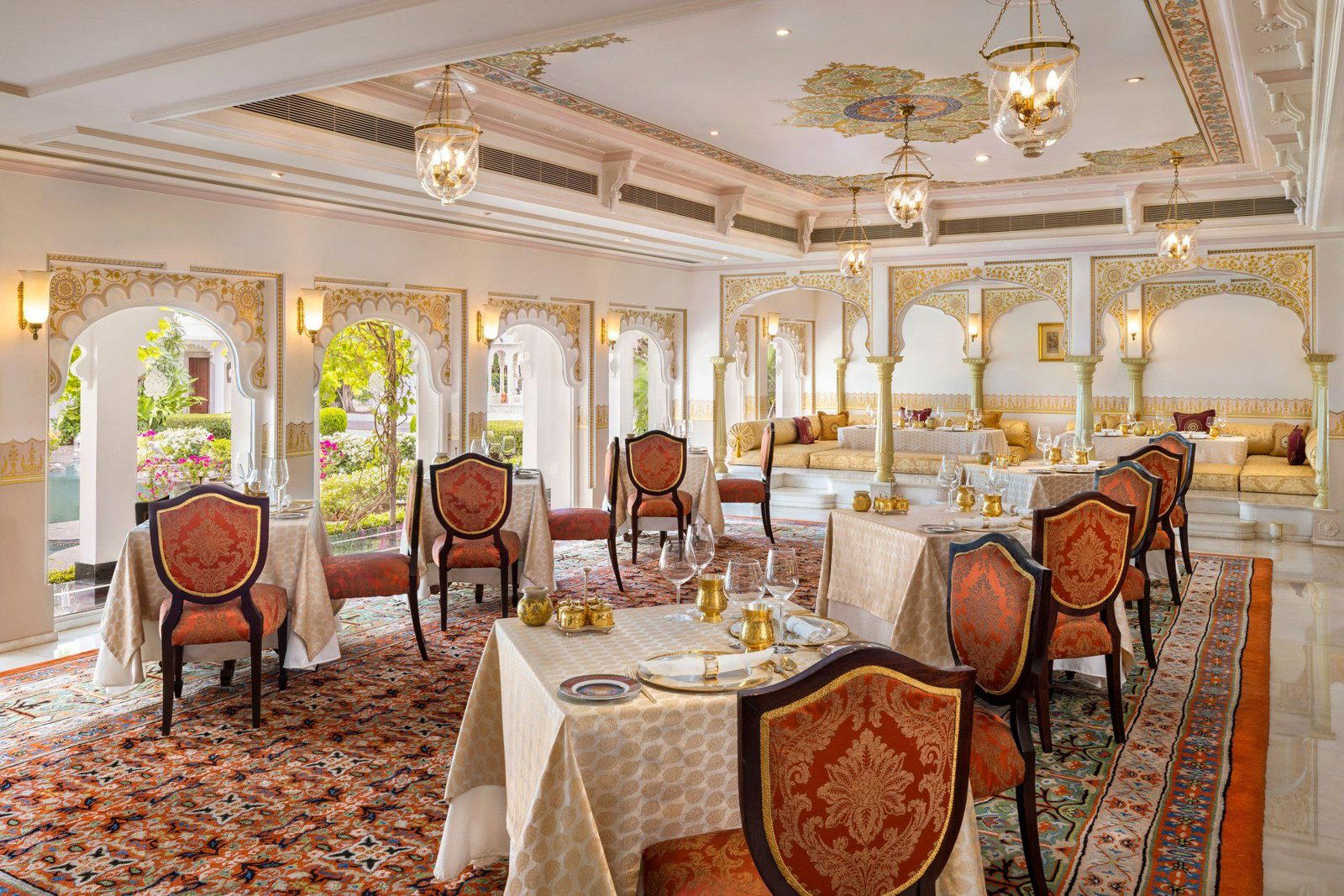
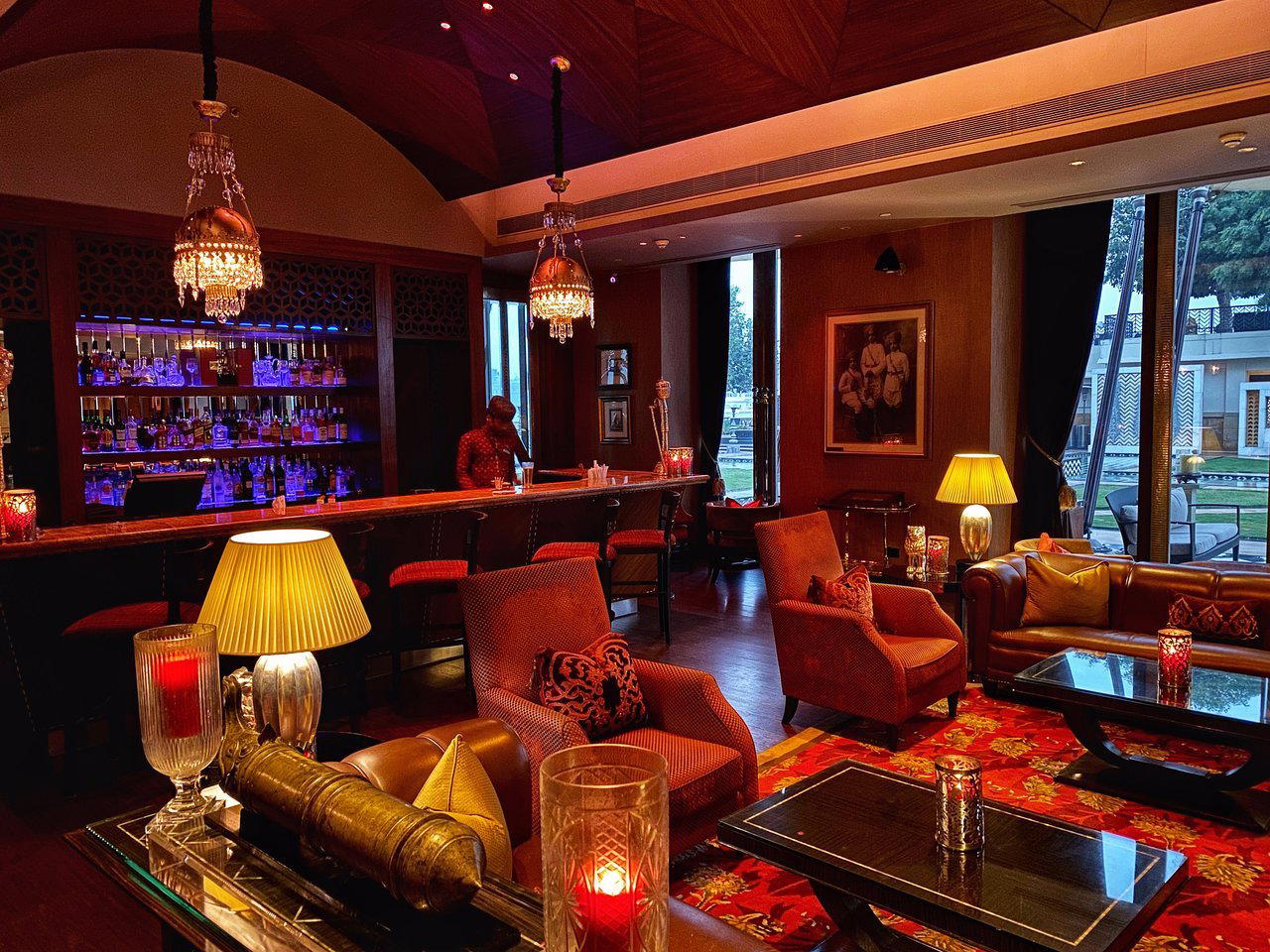
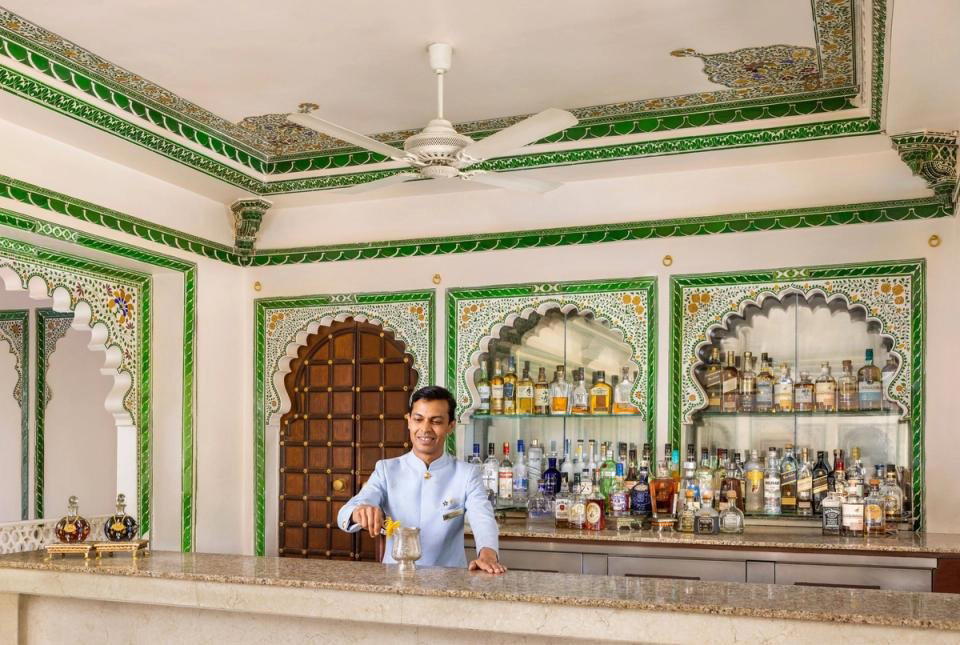
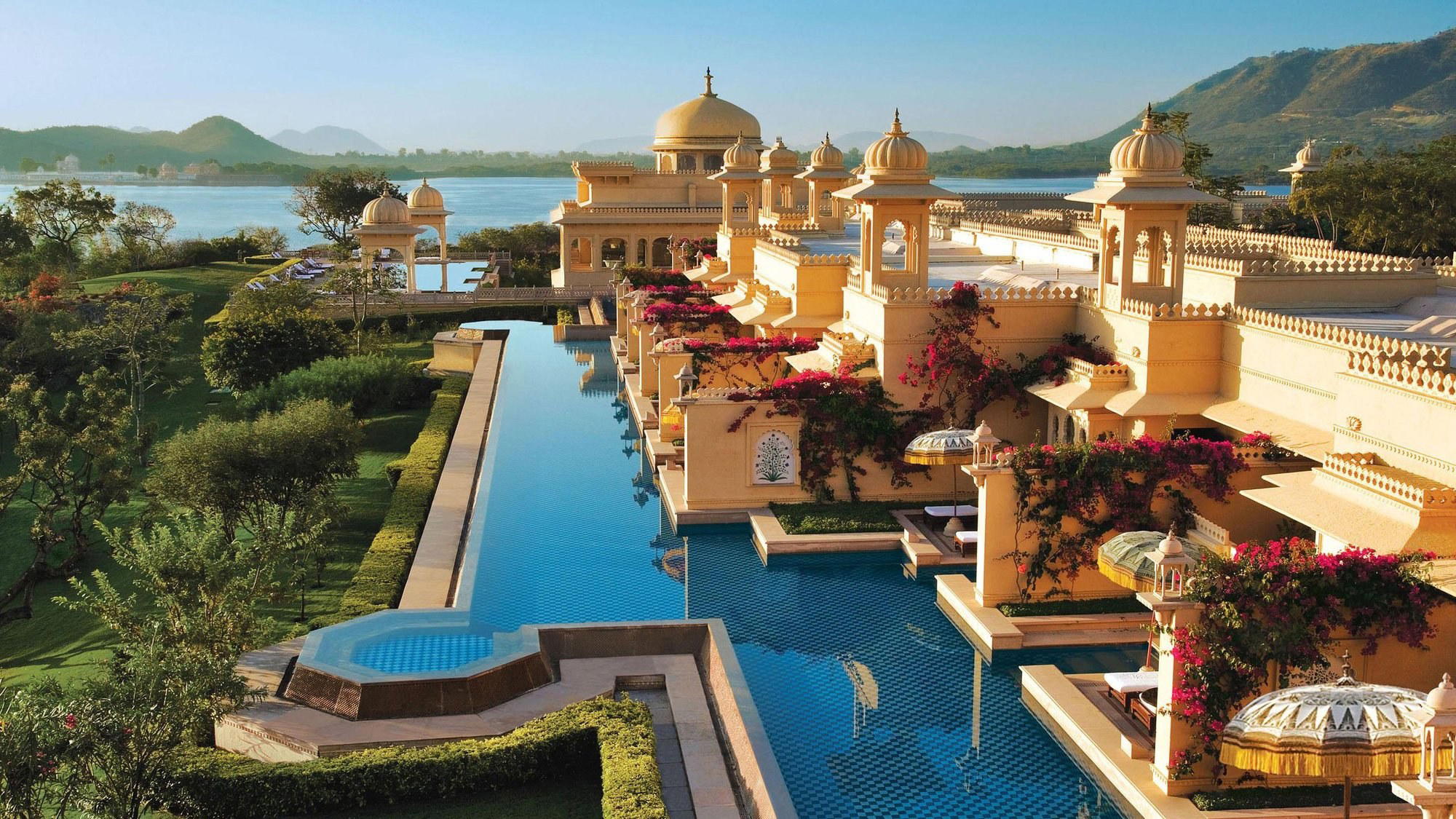
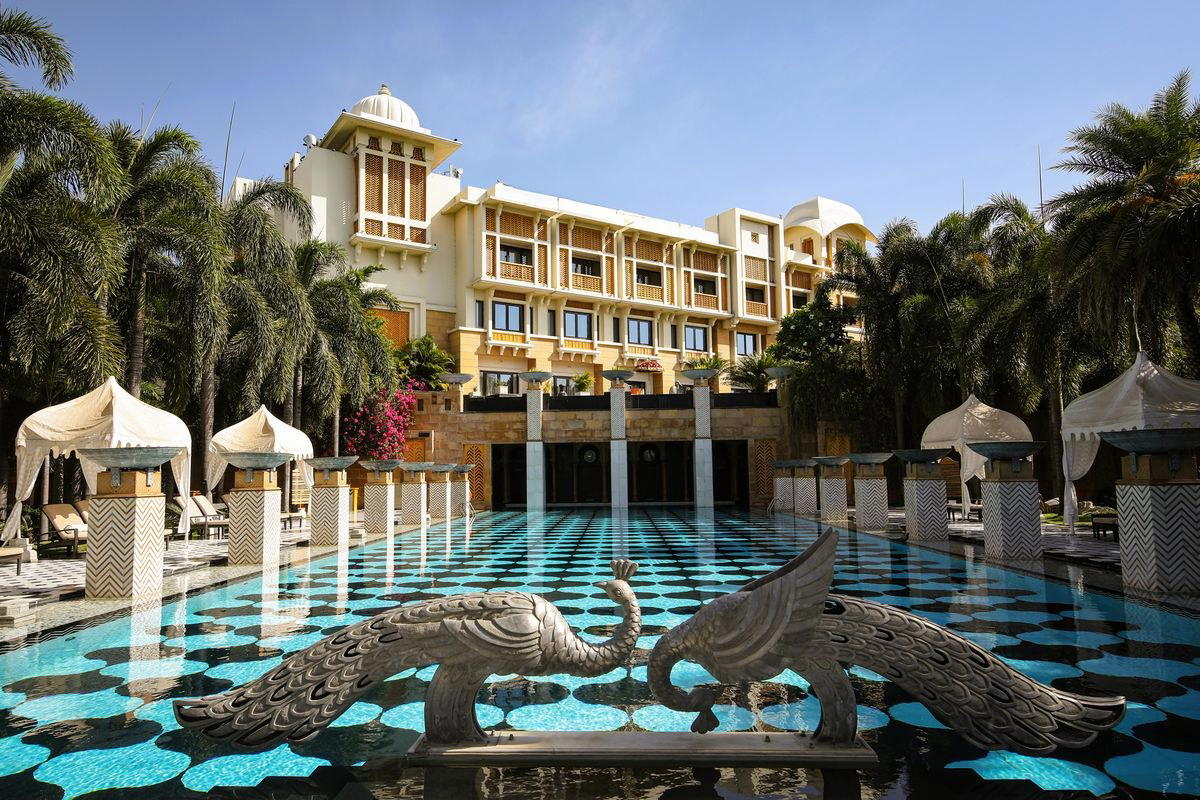
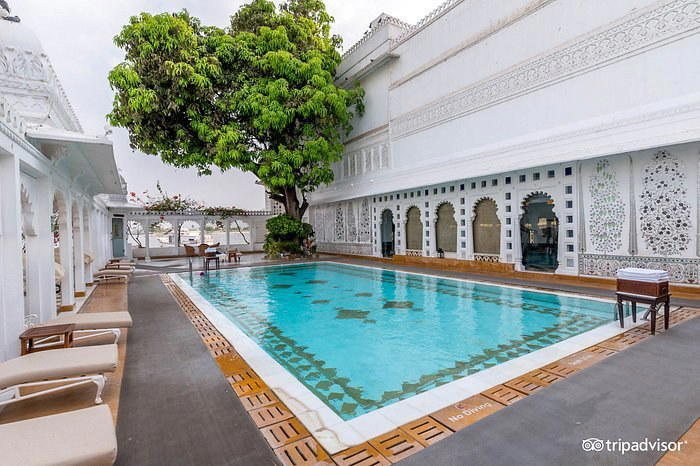
Regal and romantic with candlelit tables, open-air setting with white canopies, soft ambient lighting that transitions beautifully from sunset to night with illuminated palace views, live traditional music and dance performances.