
World Travel Awards
The Himalayan sits on Hadimba Temple Road in Manali, Himachal Pradesh, where mountain-town boutique hospitality has matured into a recognisable tier. Named Himachal Pradesh's Leading Boutique Hotel at the 2025 World Travel Awards, it positions itself above the valley's mid-range guesthouses and operates at a scale where setting, food programme, and room design carry more weight than brand affiliation.

Pearl is the En Primeur Club membership app, where members save venues, book tables and use the concierge.
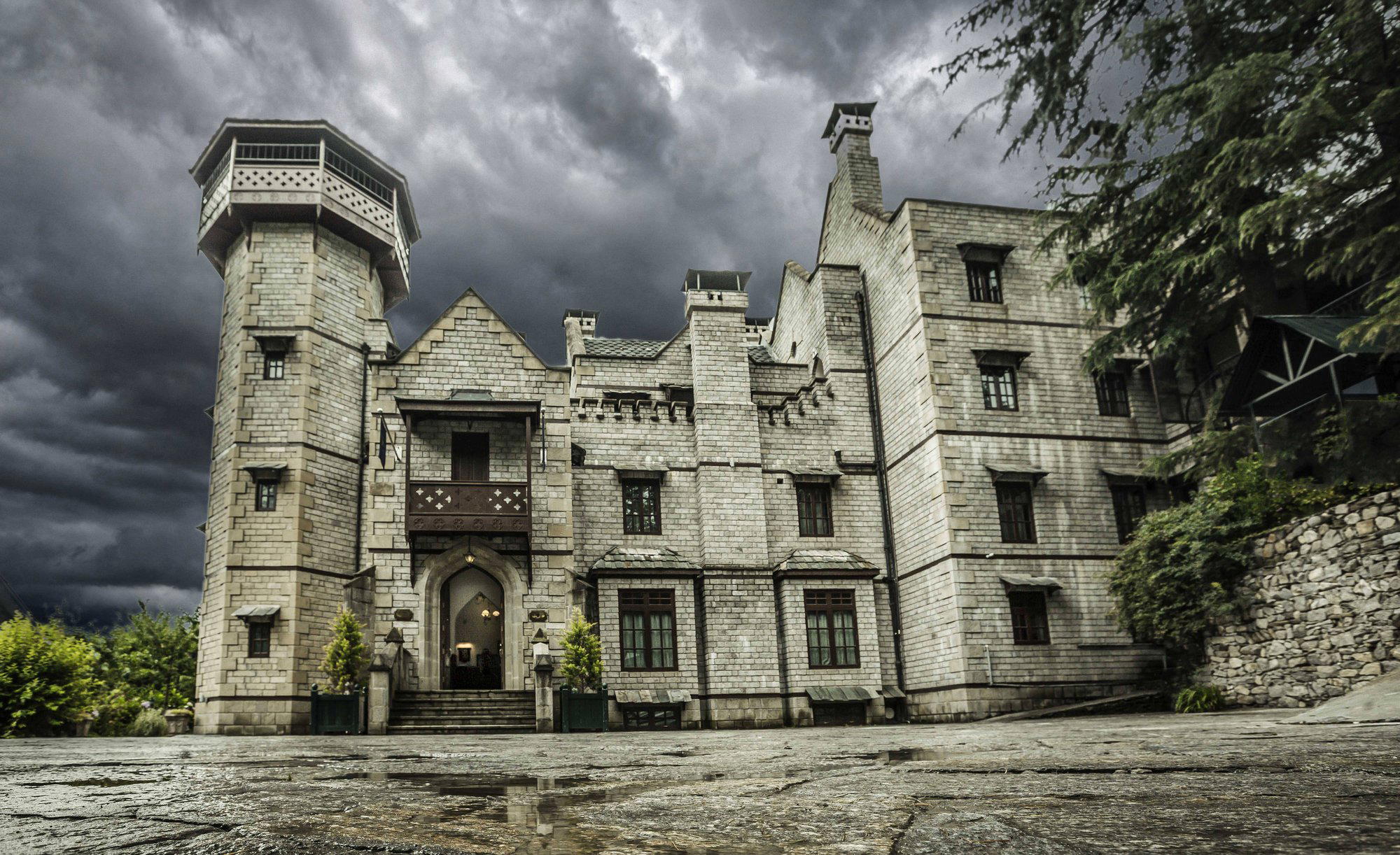
Where the Kullu Valley Sets the Terms
Manali's hospitality market has always been shaped by geography before branding. The Beas River corridor, the Rohtang approach road, and the forested ridge running past Hadimba Temple form the city's defining axes, and where a property sits on that map largely determines what kind of guest it attracts and what kind of experience it can credibly promise. The Himalayan occupies a position on Hadimba Temple Road that places it close to one of Himachal Pradesh's most visited landmarks while maintaining distance from the denser, noisier cluster of Mall Road. That address is a deliberate signal about pace and register.
Boutique hotels in Himalayan hill stations have split, over the past decade, into two broad camps. The first group chases volume: multi-floor builds near transport hubs, standard rooms priced for weekend traffic from Delhi and Chandigarh. The second group, smaller in number, orients around setting and service depth rather than rack-rate competitiveness. The Himalayan sits in the second camp, and its 2025 World Travel Awards recognition as Himachal Pradesh's Leading Boutique Hotel is the clearest external confirmation of where within that tier it has landed. For comparable boutique positioning in the broader Himachal Pradesh region, Sitara Himalaya and Amaya in Solan represent the same general orientation, though each occupies a different altitude and microclimate. See our full Manali restaurants and hotels guide for a wider map of the valley's options.
The Dining Proposition at Altitude
In the Himalayan hill-station context, a hotel's food programme carries particular weight because the alternatives are limited and weather often makes leaving the property inconvenient. When snow closes approach roads or afternoon rain sets in quickly, the in-house kitchen becomes the entire dining universe for a guest. Properties that treat this as a burden tend to produce generic menus across Indian, Chinese, and continental categories without meaningful depth in any. Properties that treat it as an opportunity build something worth staying in for.
The Himalayan's position on Hadimba Temple Road, within the Kullu Valley ecosystem, places it in a region where local Himachali cooking has a distinct identity: dishes like dham (the festive rice-and-lentil spread served on leaf plates), siddu (fermented wheat bread with mustard or poppy seed filling), and trout preparations from the Beas River constitute a genuine regional canon. Whether a boutique property at this tier deploys that canon meaningfully in its kitchen is one of the sharpest tests of whether it is genuinely embedded in its location or simply using the mountains as backdrop. The World Travel Awards designation, which evaluates properties against local peers, implies a level of operational and experiential delivery that extends beyond room product alone.
For reference on how mountain and hill-station hotels elsewhere in India have approached the food-programme question, Ananda in the Himalayas in Narendra Nagar represents the wellness-led model, where the kitchen is structured around dietary philosophy rather than regional cuisine. Chapslee in Shimla takes a heritage-house approach, with a dining format shaped by the property's colonial-era architecture. The Himalayan's boutique designation suggests a third path: smaller in scale than a heritage estate, more curated than a wellness campus.
Setting the Room in Context
Boutique hotel design in the Indian Himalayan corridor has moved away from the generic pine-and-stone formula that dominated the 1990s and early 2000s. Properties now compete on the specificity of their material choices, view angles, and the quality of the transition between interior warmth and exterior landscape. A room that frames the Kullu Valley correctly, with adequate glazing, thoughtful heating, and textiles that reference local weaving traditions rather than importing generic luxury fabrics, functions differently from one that simply installs a mountain-view window above a standard hotel bed.
The Himalayan's location on the Hadimba Temple Road corridor means the surrounding environment is relatively quiet by Manali standards and offers proximity to the deodar cedar forests that characterise this part of the valley. For guests arriving from urban India, that transition from city density to forest-edged mountain town is itself part of the product. How a boutique property frames and facilitates that transition, through arrival experience, room orientation, and the pacing of its public spaces, determines whether the setting reads as authentic context or decorative backdrop.
India's most decorated city hotels, including The Taj Mahal Palace in Mumbai and The Leela Palace New Delhi, operate at a scale and service intensity that mountain boutique properties cannot and should not try to replicate. The comparison set for The Himalayan is better drawn from design-led hill-station properties across the subcontinent: Alila Fort Bishangarh in Manoharpur for its conversion approach, Haveli Dharampura in Delhi for its commitment to a particular architectural idiom, and Amanbagh in Ajabgarh for how a small, location-specific property builds a complete guest world without relying on volume or brand recognition.
Planning a Stay: Timing, Access, and Booking
Manali's visitor calendar is shaped by two forces: the snow season (roughly November through March, when Rohtang Pass closes and the valley becomes significantly quieter) and the summer peak (May through July, when road access from Delhi via Kullu draws the bulk of domestic tourism). Boutique properties in this tier tend to fill quickly during the summer peak and again during the brief autumn window in September and October, when weather is stable and the valley is less crowded. The Hadimba Temple Road address is accessible by road from Bhuntar Airport, approximately 50 kilometres south, which handles flights from Delhi, Chandigarh, and a limited number of other Indian cities. Road transfer from Bhuntar typically takes 90 minutes to two hours depending on season and traffic conditions on the Kullu Valley highway. For guests coming by road from Delhi, the Manali highway journey runs approximately 530 kilometres and is typically done as an overnight bus journey or a two-day self-drive.
For additional context on how boutique properties across India's premium tier approach the guest experience, Suján Jawai in Pali, Aman-i-Khas in Ranthambore, and Anantya By The Lake in Kaliyal each represent a different regional expression of the small-footprint, location-led model. Internationally, the same philosophical bracket includes Aman Venice and Aman New York, where limited keys and a specific urban or cultural context define the offer far more than room count or facilities inventory.
Booking and Cost Snapshot
Comparable venues nearby, for context on price, style, and recognition.
| Venue | Price | Awards | Notes |
|---|---|---|---|
| The HimalayanThis venue (the venue you are viewing) | $100–200 | World Travel Awards | Not listed |
| Sitara Himalaya | Not listed | 2 Michelin Keys · Relais Chateaux Award | Manali, luxury mountain lodge blending private home and resort |
| Taj Bekal Resort and Spa, Kerala | Not listed | Michelin Selected | Bekal, Contemporary classic resort with Kettuvallam houseboat-inspired architecture blending local Kerala elements and modern luxury. |
| Taj Taal Kutir | $200–300 | Michelin Selected | New Town, Urban lakeside sanctuary fusing colonial elegance with modern luxury |
| Taj Bengal | $100–200 | Michelin Selected | Alipore, Classic luxury with timeless charm |
| Roswyn | $300–500 | Not listed | Vile Parle East, Luxury design hotel with residential-style suites and lifestyle-driven public spaces. |
Recognition history
Dated appearances from independent guides and award organizations, with the underlying list record or original source where available.
World Travel Awards
World Travel Awards
Continue exploring
More in Manali
Hotels in Manali
All hotels in Manali →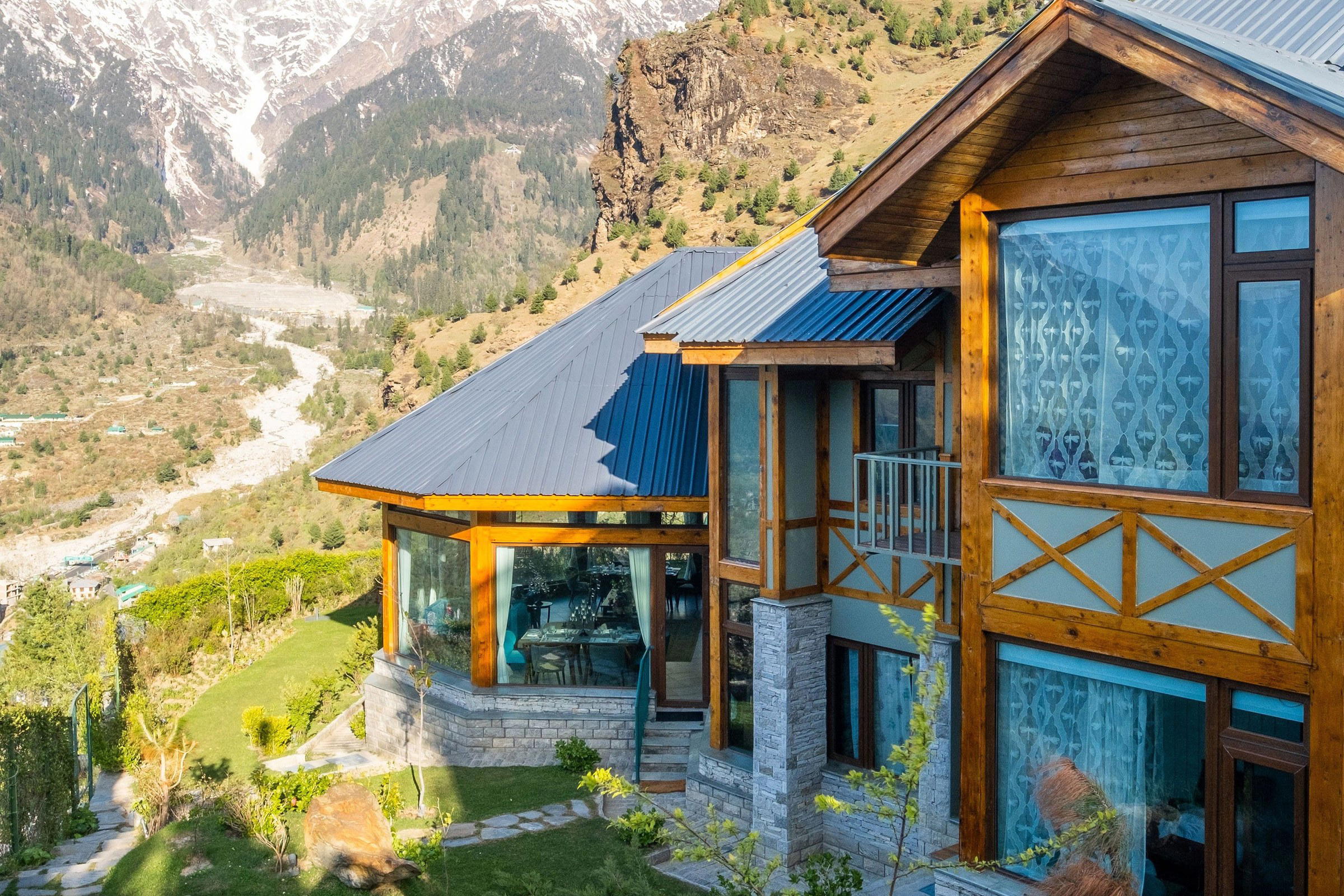
Restaurants in Manali
All restaurants in Manali →
Details
- Scenic
- Cozy
- Romantic
- Rustic
- Romantic Getaway
- Family Vacation
- Weekend Escape
- Panoramic View
- Terrace
- Wi Fi
- Pool
- Fitness Center
- Room Service
- Concierge
- Restaurant
- Garden
- Mountain
- Garden
- Step Free Entrance
Tranquil mountain retreat with lush gardens, sunny terrace, and soothing snow-capped mountain views, praised for peaceful and relaxing atmosphere.