Skip to Main Content
← Collection
CuisineModern Indian
Executive ChefJ.P. Singh
LocationNew Delhi, India
World's 50 Best
La Liste
Opinionated About Dining
Tatler

Bukhara at ITC Maurya has held a place in the global conversation about Indian restaurant cooking since the early 2000s, when it ranked as high as 14th on the World's 50 Best list. The tandoor is the central instrument here, and the kitchen's approach to spice — whole, dry-roasted, applied in sequence rather than blended — defines a style that remains a reference point for North Indian frontier cooking.

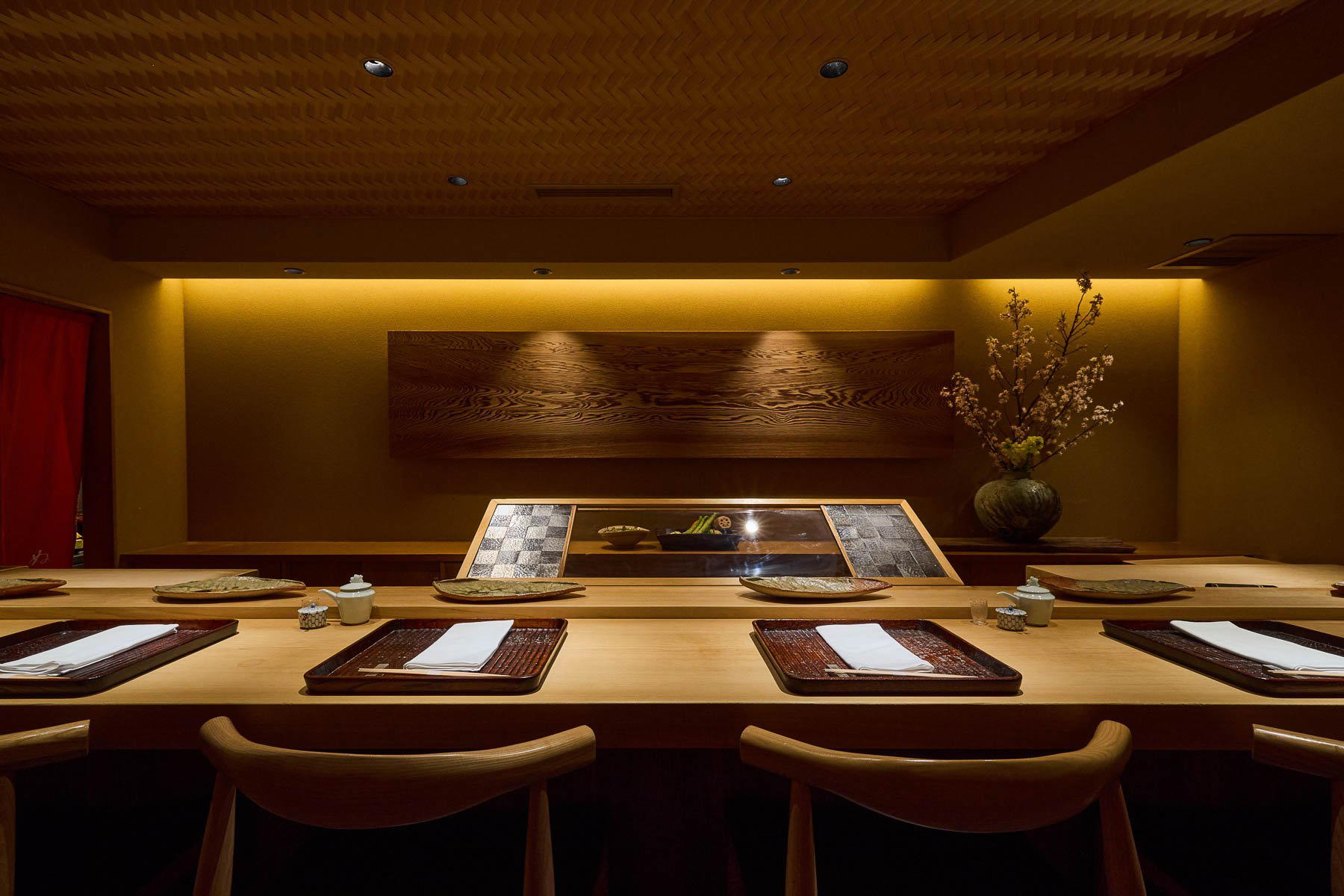
Bukhara restaurant in New Delhi, India
About

The Tandoor as Architecture: How Bukhara Frames North Indian Cooking

In the taxonomy of New Delhi's serious restaurants, Bukhara occupies a position that few kitchens in the country have managed to hold across multiple decades. Its period of highest international visibility ran from 2002 to 2007, when it appeared continuously on the World's 50 Best Restaurants list — reaching 14th place in 2002, a ranking that placed it ahead of many European institutions that critics had spent careers championing. That recognition is historically documented, not retrofitted, and it established a benchmark that shaped how the global dining conversation thought about Indian cooking at a high level. La Liste has continued to track it, with 77.5 points in 2025 and 76 points in 2026, and Opinionated About Dining placed it in its ranked Top 350 for Asia in 2024. The trajectory of those numbers matters less than what they confirm: this kitchen has maintained critical relevance long after most of its contemporaries from that era have faded.

What keeps it in the conversation is not nostalgia. The cooking at Bukhara is built around a specific philosophy of spice use that diverges sharply from the blended, sauce-forward idiom that most international audiences associate with North Indian restaurant food. Here, spices function architecturally. They are applied whole, dry-roasted in sequence, or bloomed in fat at precise stages — each technique producing a different aromatic profile from the same raw ingredient. A whole black cardamom behaves differently in a marinade than ground cardamom does in a sauce, and the kitchen treats these distinctions as structural rather than stylistic. The result is cooking where the tandoor's high heat interacts with layers of seasoning that have been built up over marination time, rather than applied as a final coating.

The Frontier Kitchen and Its Spice Logic

The restaurant takes its reference point from the frontier cooking traditions of the North-West, where wood-fire techniques and dry-heat preparation were central rather than incidental. This is not the cream-and-tomato register of the Delhi hotel circuit's more commercial kitchens. The spice architecture here leans toward whole cumin, black pepper, dried chilies, and fenugreek , ingredients that hold their character under the extreme heat of a tandoor rather than dissolving into background warmth. The marinade sequences for meat dishes reflect an understanding that spice penetration requires time and acid, not volume, which is why the preparations at Bukhara tend to be leaner and more concentrated in flavour than dishes relying on reduction-based sauces.

This approach places Bukhara in a specific and relatively narrow peer group within Indian fine dining. Restaurants like Dum Pukht, also within the ITC Maurya building, work in the slow-cooked, sealed-vessel tradition of Awadhi cuisine , a register where spice is restrained and aromatics are coaxed through time rather than heat. Indian Accent operates at the contemporary end of the spectrum, recontextualising Indian ingredients through a modern European lens. Varq takes an international approach. Bukhara's commitment to the frontier tradition, without concession to fusion or modernist technique, is what defines its competitive position. It is not trying to be something else.

Across India more broadly, a generation of kitchens has begun reasserting the primacy of regional spice traditions over westernised fine-dining formats. Farmlore in Bangalore and Naar in Kasauli represent different versions of this reassertion, as does Adaa at Falaknuma Palace in Hyderabad, where the Nizami kitchen tradition carries its own architectural spice logic. The conversation Bukhara helped open in the early 2000s , about whether Indian cooking could be judged on its own technical terms, not against a European standard , has gained significant ground since then. Bukhara, for its part, has not shifted its position to chase that momentum. It has stayed exactly where it was.

The Room and What It Does to the Meal

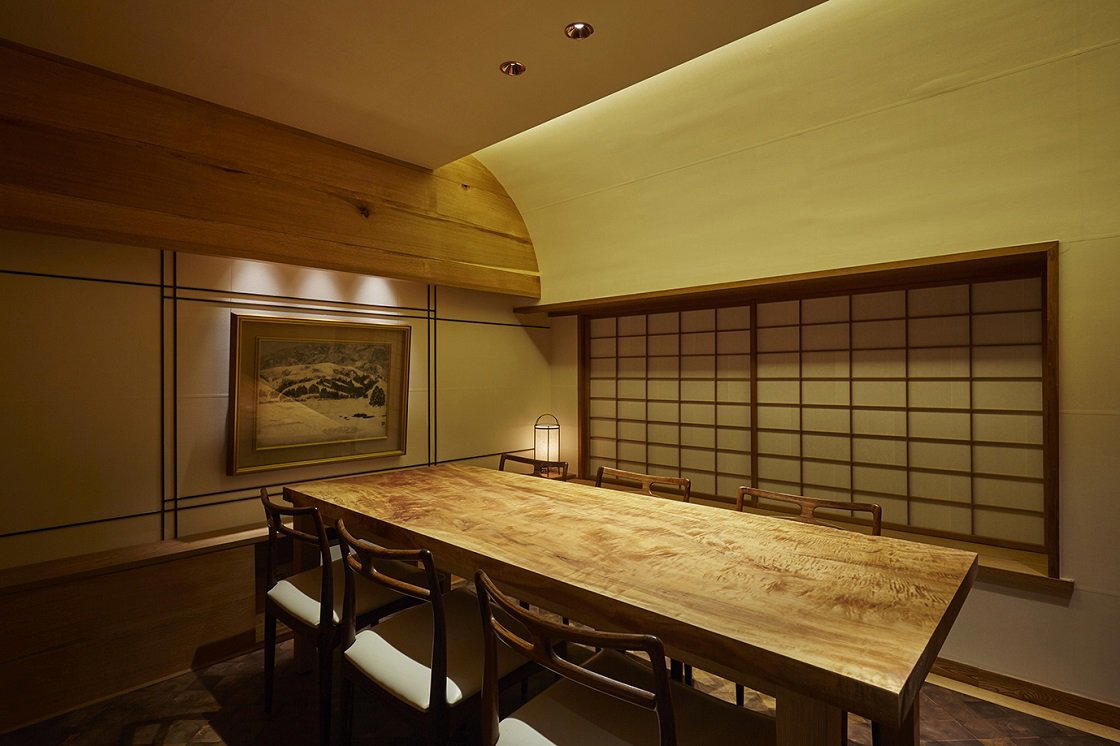
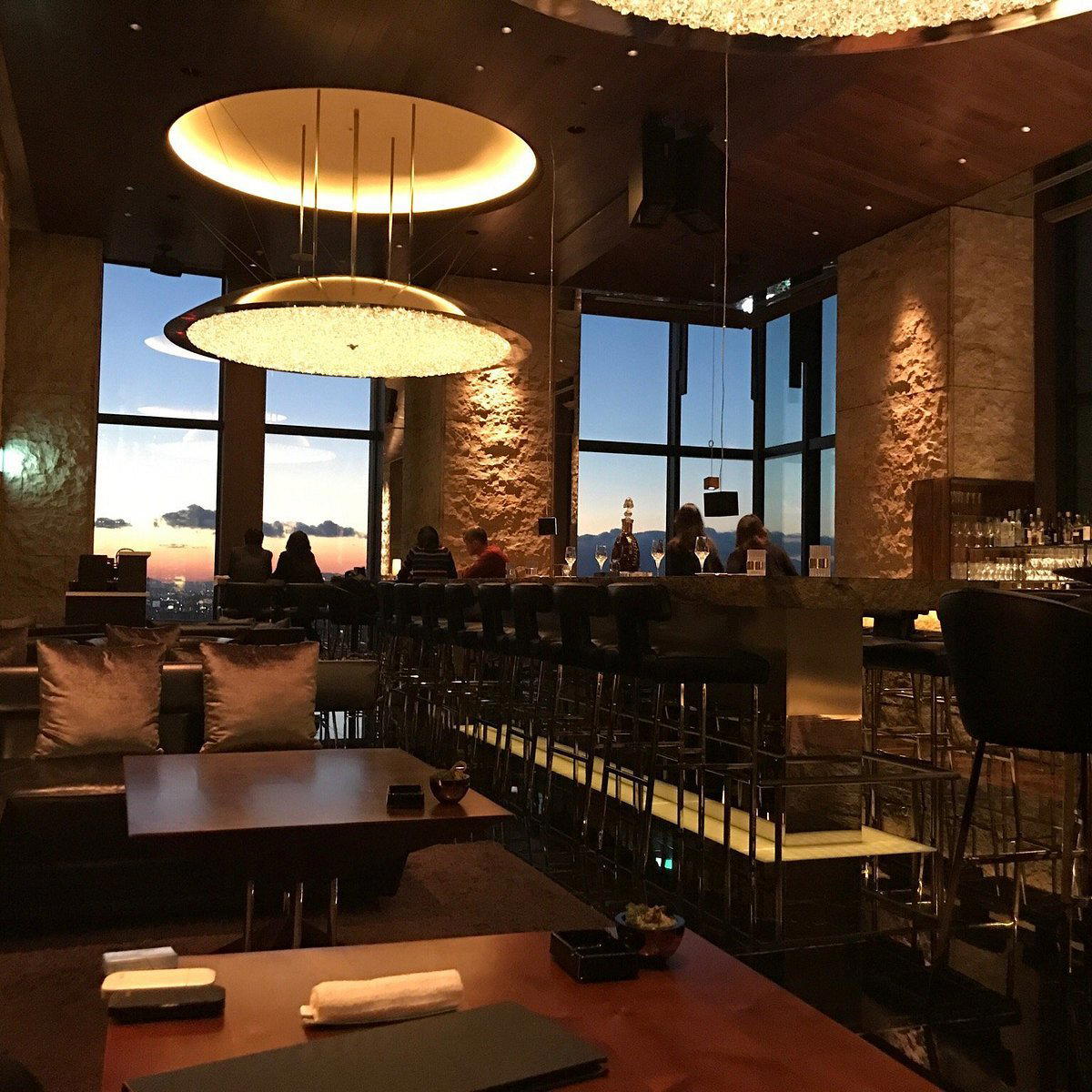
The dining room at ITC Maurya is one of the few spaces in Delhi's luxury hotel circuit that successfully resists the pull of generic international opulence. Stone walls, log-leading tables, and an open kitchen are not decorative choices , they are arguments about what kind of cooking is happening here. The room signals that the tandoor is not a theatrical prop but a functional centre, and the open format allows guests to watch skewering technique and fire management as part of the experience rather than as a show staged at a distance.

The hands-on eating format reinforces the same argument. Tearing into murg tandoori without cutlery is not an affectation; it is a mode of engagement with the food that changes the sensory relationship between diner and dish. The char, the smoke, the textural contrast between the seared exterior and the interior of the meat , these register differently when eaten by hand. It is a format with direct precedents in the cooking cultures Bukhara references, and it places the restaurant at odds with the silverware-heavy formality of many five-star hotel dining rooms in the same price tier.

Chef J.P. Singh has held the kitchen through a period in which the restaurant's international profile has remained high, and under his tenure the cooking has retained the technical consistency that sustained those early World's 50 Best placements. The continuity matters in a genre where the spice sequences and fire management are passed through practice rather than written recipe, and where institutional memory is what separates a functional tandoor kitchen from a distinguished one.

Bukhara in the Wider Delhi and Indian Restaurant Picture

New Delhi's restaurant scene has expanded substantially in the years since Bukhara's peak World's 50 Best visibility, adding contemporary Indian kitchens, international imports, and a growing number of chef-driven concepts in areas like Mehrauli and Lodhi Colony. For broader orientation across the city's dining, drinking, and hospitality options, see our full New Delhi restaurants guide, our full New Delhi hotels guide, our full New Delhi bars guide, and our full New Delhi experiences guide. For those travelling beyond Delhi, The Table in Mumbai, Baan Thai in Kolkata, Bomras in Anjuna, and Chandni in Udaipur represent a range of the subcontinent's serious dining options. Inja adds another dimension to Delhi's evolving restaurant picture.

Internationally, the question of how a single-technique-focused kitchen sustains relevance across decades is one that applies beyond India. Le Bernardin in New York City represents a comparable case in the French seafood tradition, where technique specificity rather than menu evolution has been the constant. Atomix in New York City, by contrast, demonstrates the modernist end of that spectrum, where Korean culinary tradition is expressed through a format entirely unlike its source culture's dining conventions. Bukhara's decision to hold its format and its spice logic unchanged reads, in this context, as a statement about what the cooking is , not a failure to adapt.

Planning a Visit

Bukhara sits within ITC Maurya at Sardar Patel Marg in the Diplomatic Enclave district of Chanakyapuri , a part of the city that is direct to reach from central Delhi by road, though less convenient from areas like Connaught Place or South Delhi without a car or hired vehicle. Service runs both lunch (12:30 to 3pm) and dinner (7pm to midnight), seven days a week. The lunch service is a less pressured window if a first visit feels daunting; the dinner room is where the full atmosphere of the space operates. Google reviewers have left 8,414 ratings with a 4.5 average, which is a meaningful signal of consistency at this volume. For wine options in New Delhi, the ITC Maurya's other outlets offer additional options to extend an evening. Reservations are advisable, particularly for weekend dinner service. Browse more New Delhi restaurants here.

Frequently Asked Questions

In Context: Similar Options

A quick look at comparable venues, using the data we have on file.

Collector Access

Need a table?

Our members enjoy priority alerts and concierge-led booking support for the world's most difficult tables.

Get Exclusive Access