Our verdict
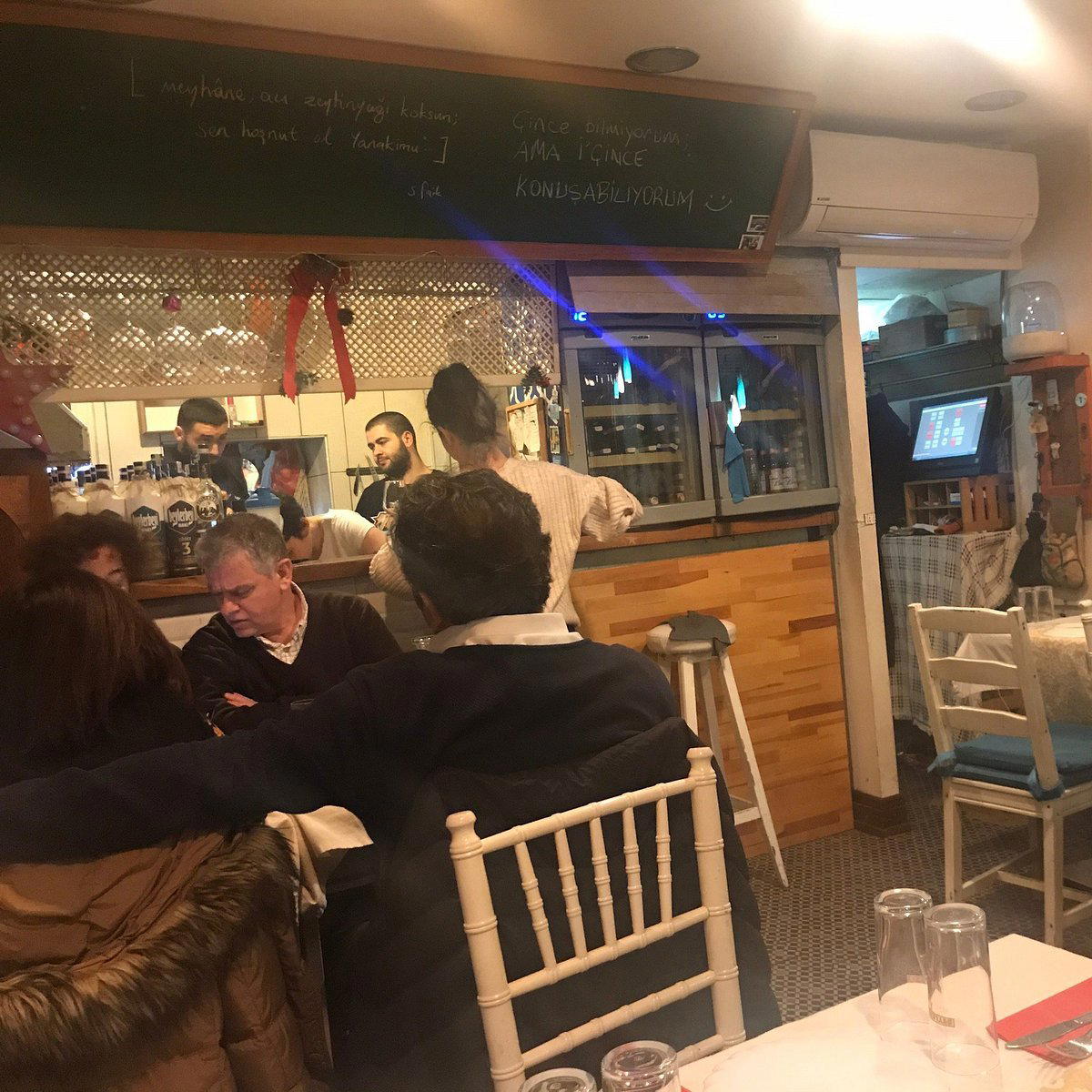
On a narrow side street in Kadıköy's Caferağa quarter, Siraz occupies the kind of address that rewards those who know the neighbourhood well. The kitchen draws on Turkey's ingredient-rich hinterland, positioning it within Kadıköy's growing roster of serious, produce-led dining rather than the tourist-facing circuit across the water in Beyoğlu.

Pearl is the En Primeur Club membership app, where members save venues, book tables and use the concierge.
The menu
What to order
- Leaf liver
- Mushroom kokorec
- Muhammara
Kadıköy's Produce-Led Dining and Where Siraz Fits
The Asian side of Istanbul has spent the better part of a decade asserting itself as a credible dining destination in its own right. Kadıköy is the engine of that shift: a neighbourhood with an established market culture, a density of independent operators, and a local clientele with high expectations and low tolerance for performance over substance. The restaurants that endure here tend to do so by knowing where their food comes from. That relationship between producer and plate sits at the centre of how Kadıköy's more serious kitchens distinguish themselves from the competition across the Bosphorus.
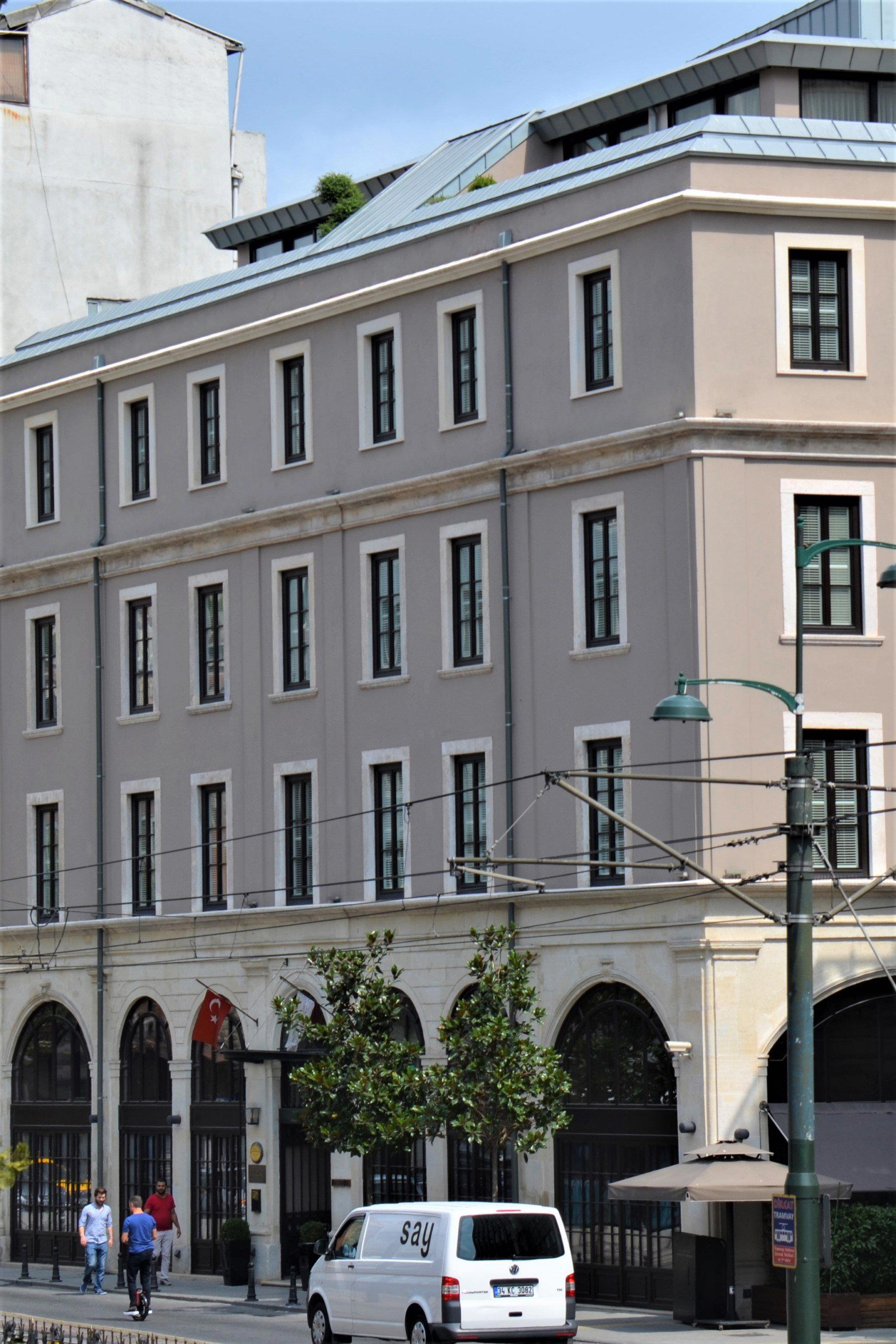
Siraz, at Sarraf Ali Sokak 7A in the Caferağa quarter, operates within that tradition. The address is a few minutes' walk from the main market hall and the ferry terminal, close enough to the neighbourhood's commercial core to benefit from the foot traffic, far enough down a side street to feel like a deliberate find rather than an accidental one. The physical approach sets expectations: narrow pavement, low signage, the kind of frontage that reads as confidence rather than obscurity.
Why Ingredient Origin Matters on This Side of the Bosphorus
Turkey's agricultural geography is one of the more consequential facts about its food culture, and it tends to be underappreciated by visitors focused on the headline dishes. The country produces olives, pulses, wheat varieties, stone fruits, sea fish, and offal cuts across radically different climate zones, from the Aegean coast to the southeastern plains. A kitchen that takes sourcing seriously in Istanbul has genuine options: the morning ferries from the Princes' Islands still carry catch; the weekly markets in Kadıköy draw suppliers from Bursa, Sakarya, and the Marmara littoral.
Restaurants operating at the higher end of this sourcing conversation tend to cluster around a few principles: seasonal rotation, direct supplier relationships, and a menu structure that follows availability rather than imposes a fixed identity on it. You see the same logic at work in different registers across Turkey's dining scene, from Hiç Lokanta in Urla, where Aegean produce sets the agenda, to Narımor in Izmir, which draws on the Izmir hinterland. In Istanbul itself, the premium end of that conversation happens at addresses like Turk Fatih Tutak, where sourcing is explicit and formal. Siraz operates in a less formal register than those rooms, but the underlying orientation toward where ingredients come from is a shared characteristic of the tier.
The Caferağa Setting
Caferağa is one of Kadıköy's more textured residential pockets, a grid of nineteenth-century apartment blocks punctuated by small teahouses, wine bars, and the occasional meyhane that has been trading long enough to become a neighbourhood fixture. The dining character of the quarter leans toward the relaxed and the local: this is not where you go for a formal tasting menu. It is where you go when you want to eat something prepared with attention and drink something poured without ceremony.
That neighbourhood character shapes what Siraz can be. A room on Sarraf Ali Sokak is not competing in the same register as the high-design, high-price operations in Beyoğlu or the destination restaurants of the Bosphorus waterfront. It is competing for the repeat custom of people who live nearby and eat out frequently, which is a different and in some ways more demanding test. Compare that to the more theatrical settings of Asitane in Fatih, which frames its Ottoman culinary research against a heritage hotel backdrop, or Yanyalı Fehmi Lokantası, another Kadıköy address that holds its position through consistency rather than spectacle. Siraz sits in that same pragmatic, neighbourhood-accountable tier.
Kadıköy in the Wider Istanbul Dining Map
Istanbul's restaurant scene has bifurcated over the past decade between two broad categories: the internationally oriented, high-price addresses that compete with peer operations in London or Copenhagen (think the ₺₺₺₺ tier occupied by Mikla, Neolokal, or Turk Fatih Tutak), and the neighbourhood-facing operations that define day-to-day dining for Istanbul residents. The former attract critical attention and feature in international press; the latter are where the city's actual food culture lives.
Kadıköy is predominantly a neighbourhood-tier district, which does not mean the cooking is less serious. It means the ambitions are differently calibrated: toward consistency, value relative to quality, and a kind of earned familiarity. For a broader map of what Kadıköy offers across price points and formats, our full Kad Koy restaurants guide provides the context. Elsewhere in Turkey, the produce-led approach that defines the better Kadıköy operations appears in different forms: Kritikos Meyhane in Mudanya for Marmara seafood, Maçakızı in Bodrum for Aegean coastal cooking, and Kocak Baklava in Gaziantep for the southeast's ingredient-specific traditions. The through-line is a relationship with Turkish produce that goes beyond the generic.
That same seriousness about origin and process appears in very different contexts globally. At Le Bernardin in New York City, sourcing discipline operates at a technically intensive, formally structured level; at Atomix in New York City, Korean ingredient integrity anchors a high-concept tasting format. The Kadıköy version of that commitment is less formal but not less real.
Planning Your Visit
Siraz is located at Caferağa, Sarraf Ali Sk. 7A, 34710 Kadıköy, Istanbul. The address is walkable from both the Kadıköy ferry terminal and the main market area, making it a practical option before or after exploring the quarter. Kadıköy is accessible from the European side by ferry from Eminönü or Karaköy (roughly 20 minutes), or by metro from central Istanbul via the Marmaray tunnel. For current hours, reservation policy, and menu details, direct contact with the venue is recommended, as operational specifics are subject to change. Neighbourhood restaurants at this level in Kadıköy sometimes accommodate walk-ins at off-peak times, but checking ahead avoids disappointment, particularly on weekend evenings when Caferağa fills quickly.
For the wider Kadıköy picture, cross-reference with Dürümzade in Beyoglu if you are building a multi-stop Istanbul itinerary, or consider the outer-Istanbul producers and kitchens at Kartepe Organic Foods in Kartepe and Casa Lavanda in Sile for a sense of where the produce feeding Istanbul's better kitchens actually originates.
Frequently asked questions
Can I bring kids to Siraz?
Siraz sits in Caferağa, a residential pocket of Kadıköy with a relaxed, neighbourhood character that tends to suit families. The setting on Sarraf Ali Sk. is street-level and low-key rather than formal.
What is the atmosphere like at Siraz?
Caferağa gives Siraz its baseline register: a grid of nineteenth-century apartment blocks, small teahouses, and wine bars that keep the pace unhurried. The address on Sarraf Ali Sk. places it away from the main Kadıköy market bustle, which means the room tends to draw a local crowd rather than passing foot traffic. Expect a tone closer to a neighbourhood dining room than a destination showcase.
How does Siraz's Kadıköy location compare to European-side Istanbul restaurants in terms of dining style?
Kadıköy, where Siraz is located on Sarraf Ali Sk. in Caferağa, sits outside Istanbul's internationally oriented, high-price European-side circuit. The neighbourhood has built its dining reputation on ingredient-driven cooking and local pricing rather than on prestige positioning. For visitors crossing from Beyoğlu or Sultanahmet by ferry, the contrast is deliberate: the Asian side trades spectacle for produce quality and neighbourhood reliability.
What's the best thing to order at Siraz?
What the Kadıköy context does indicate is that the stronger kitchens on this side of the Bosphorus lean on Turkey's agricultural supply chain, Aegean olive oils, Black Sea anchovies, Anatolian pulses, so produce-forward plates are the area's consistent strength. Ask staff which ingredients are in season on the day you visit.
Where is Siraz in Kad Koy?
Siraz is located at Caferağa, Sarraf Ali Sk. 7A, 34710 Kadıköy/İstanbul, Türkiye, Kad Koy.
Is Siraz reservation-only?
The Caferağa neighbourhood draws a regular local crowd, and smaller Istanbul dining rooms of this type can fill on weekday evenings as well as weekends. Reaching out in advance via the address at Sarraf Ali Sk. 7A, Kadıköy is the practical step before a visit.
What do critics highlight about Siraz?
No formal award record or named critical citations are held in our current file for Siraz. Its position in Caferağa places it within Kadıköy's broader dining conversation, a neighbourhood that has drawn increasing editorial attention from Istanbul food writers over the past decade as the Asian side asserted itself as a credible alternative to the European shore's high-profile addresses.
Fast Comparison
Comparable venues nearby, for context on price, style, and recognition.
| Venue | Cuisine | Price | Awards | Notes |
|---|---|---|---|---|
| SirazThis venue (the venue you are viewing) | Iranian-Turkish Meyhane | $20–30 | Not listed | Not listed |
| Yanyalı Fehmi Lokantası | Traditional Ottoman Turkish Lokanta | $10–20 | Gault & Millau Türkiye 1 Toque | Kadıköy |
| Cooking Alaturka | Traditional Turkish Home-Style | $20–30 | Not listed | Sultan Ahmet |
| Emek Restaurant | Authentic Turkish Grill and Kebabs | $20–30 | Not listed | Beyoglu |
| Adana Ocakbasi | Turkish Grill & Kebabs | $20–30 | Gault & Millau Türkiye 1 Toque | Bozkurt |
| Karakoy Gulluoglu | Traditional Turkish Baklava and Sweets | Not listed | Not listed | Karakoy |
Continue exploring
More in Kad Koy
Restaurants in Kad Koy
All restaurants in Kad Koy →
Bars in Kad Koy
Browse all →

Details
- Cozy
- Trendy
- Group Dining
- Casual Hangout
- Date Night
- Open Kitchen
- Extensive Wine List
- Local Sourcing
- Small Plates
- Wine
- Raki
- Vegetarian Friendly
- Vegan Options
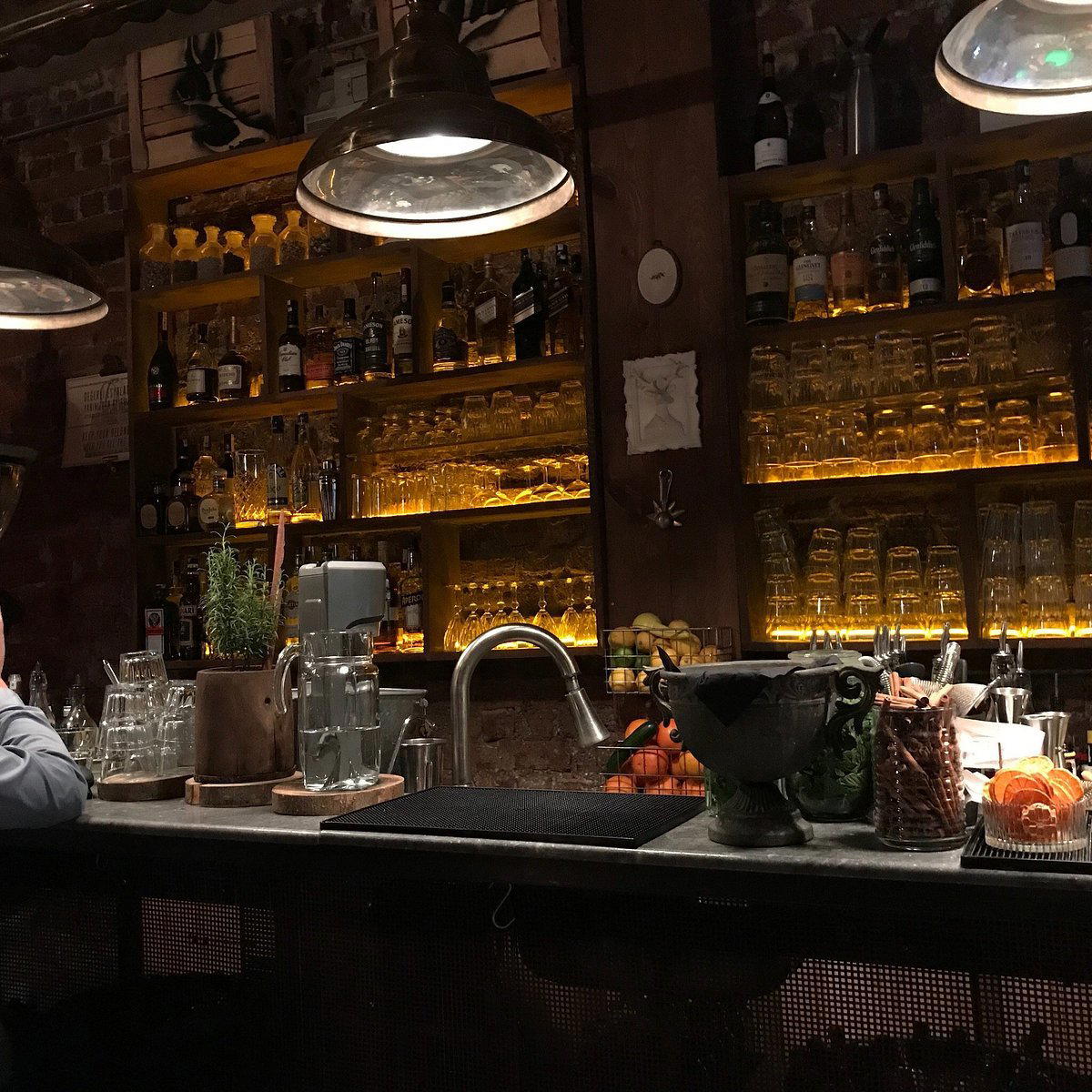
Cozy and lively with a distinctive fusion vibe suitable for friends and couples.