On Podbielskistraße in Hanover's Nordstadt fringe, Sindo sits in a neighbourhood where the city's more considered dining choices tend to cluster away from the tourist centre. The address places it in conversation with Hanover's emerging mid-to-upper dining tier, where kitchens increasingly pursue technique-driven menus anchored in regional produce rather than imported prestige.
Pearl is the En Primeur Club membership app — saves, bookings, and concierge access live there. Same editors, same standards.
- Address
- Podbielskistraße 14, 30163 Hannover, Germany
- Phone
- +49 511 661188
- Website
- sindo-restaurant.de
- Directions
- Get directions
 Saves & bookings on Pearl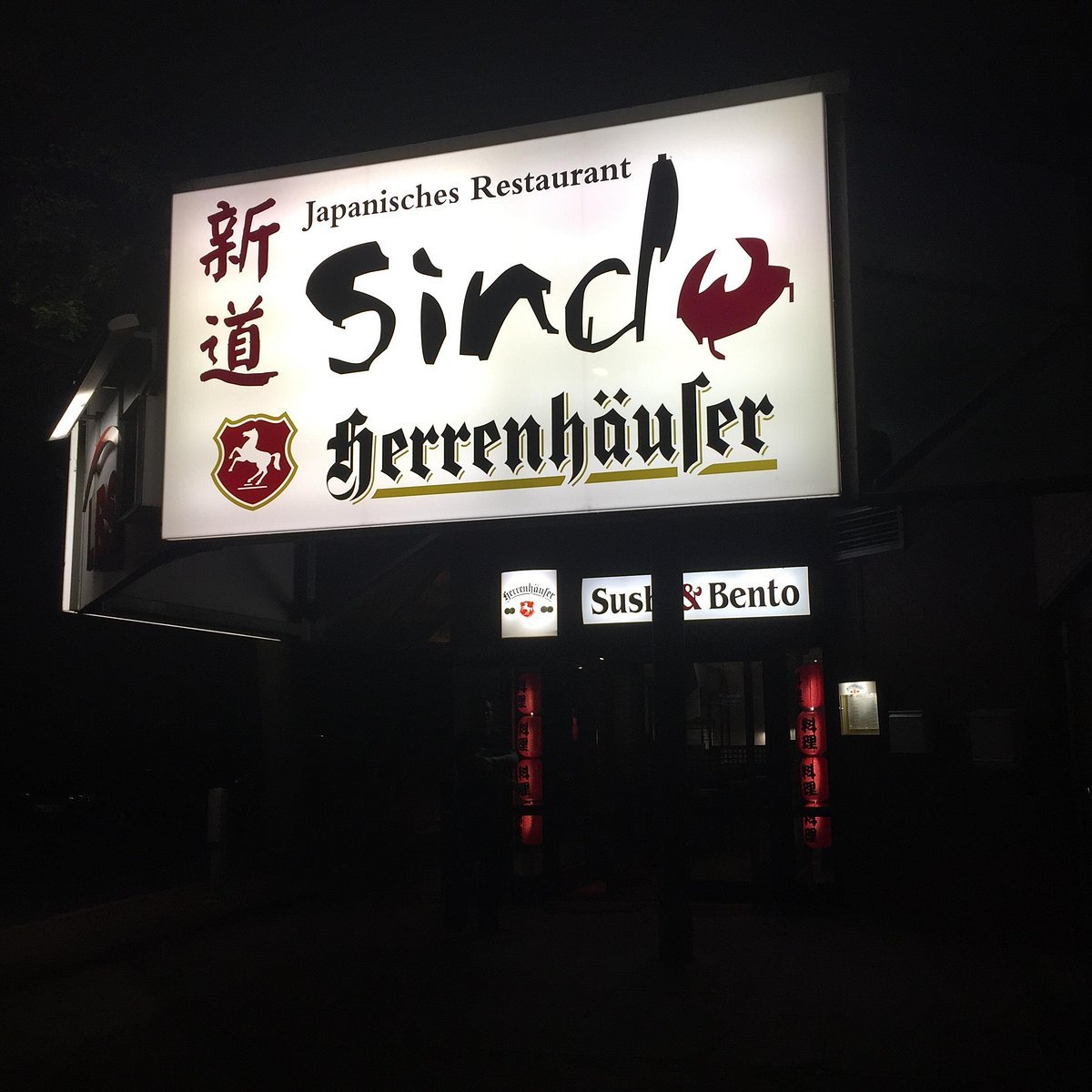
Where Hanover's Dining Scene Is Heading
German fine and semi-fine dining has been in motion for the better part of a decade. The country's most discussed kitchens, from Aqua in Wolfsburg to Vendôme in Bergisch Gladbach and Waldhotel Sonnora in Dreis, have spent years demonstrating that classical European rigour and German regional identity are not competing values. Hanover has absorbed that lesson more quietly than Hamburg or Munich, but the absorption is visible. The city's upper dining tier has grown a cohort of kitchens that treat local ingredients as the raw material for technique rather than as a point of rustic pride, and Sindo on Podbielskistraße occupies that space.
Sindo is a Japanese sushi restaurant at Podbielskistraße 14, 30163 Hannover, Germany, with. It is the kind of location that rewards purposeful visitors rather than foot-traffic diners, which itself signals something about the intended audience. Kitchens that open in this type of street-level, non-tourist corridor tend to be addressing a local repeat customer base rather than playing to the city's convention calendar.
The Approach: Imported Technique, Local Material
The editorial angle that makes Sindo worth examining is the intersection of globally acquired technique with the specific produce of the immediate region. Lower Saxony is not a food region that generates the same international shorthand as, say, Bavaria or Schleswig-Holstein's coastline, but it is agriculturally productive and climatically suited to root vegetables, game, and freshwater fish that repay careful cooking.
Kitchens working this territory face a particular challenge. The techniques imported from French classical training, from Scandinavian fermentation and preservation culture, or from East Asian precision cookery carry prestige associations that can overwhelm the ingredients they are applied to, turning the local product into a supporting actor in someone else's story. The restaurants in Hanover's comparable set that have navigated this most credibly, including Jante and Handwerk, tend to be the ones where technique serves the ingredient rather than the reverse. Sindo's positioning on this spectrum is what a visit would need to confirm, but the location and category context suggest it is operating somewhere in that more considered register.
For comparison outside Hanover, the tension between classical French grounding and local seasonal supply is something that kitchens like JAN in Munich and Schanz in Piesport have made central to their identities, and that Restaurant Haerlin in Hamburg approaches from a more luxe, product-forward direction. Sindo's Hanover address places it in a smaller, less internationally visible version of that conversation.
Hanover's Broader Dining Tier
To understand where Sindo sits, it helps to map the city's current dining structure. At the summit of the bracket, Jante and Votum represent the creative and tasting-menu end of the market, the formats that attract critical attention and require the longest forward planning. One tier below, Handwerk and Marie occupy a serious but more accessible register, with French and modern European touchstones. Albertz. anchors a more convivial middle ground. Sindo's address in the Nordstadt corridor suggests it is operating at a level of intent that sits somewhere between the accessible mid-range and the dedicated tasting-menu tier, though
What is clear from the broader category context is that Hanover diners in 2024 and 2025 have more credible options across the technique-driven spectrum than they did five years ago, and the city's kitchens are increasingly being assessed against German national peers rather than measured only against the local baseline. That shift benefits diners and raises the stakes for every kitchen in the city's upper half.
Technique Imports and What They Signal
German kitchens that have absorbed East Asian influence, whether in the form of Korean fermentation logic, Japanese knife discipline, or the precision plating culture of omakase-adjacent formats, now occupy a recognisable niche in the national dining conversation. CODA Dessert Dining in Berlin and ES:SENZ in Grassau both demonstrate how rigorously concept-driven a German kitchen can be when the framework is clearly defined. Internationally, the precision of technique-over-tradition kitchens is leading illustrated by Le Bernardin in New York City and the Korean-American tasting-menu format of Atomix in New York City, where technique is inseparable from cultural identity.
The question for a kitchen like Sindo is which of these import models it is drawing from, and how cleanly it has resolved the tension between borrowed method and local material. Lower Saxony produce, handled with the kind of precision more commonly associated with larger-city kitchens, is the editorial story worth watching here. Whether the kitchen is working with game from the surrounding heathland, freshwater fish from the Leine, or the region's seasonal brassicas and roots, the technique framework determines how legibly those ingredients read on the plate. Schwarzwaldstube in Baiersbronn and Victor's Fine Dining by christian bau in Perl both illustrate how German kitchens with deep classical training can make that resolution look effortless; the question for newer entrants is how far along that resolution process they are.
Planning a Visit
Sindo is located at Podbielskistraße 14, 30163 Hannover, a walkable distance from Hanover's central tram and S-Bahn network. The Nordstadt location means it is a short journey from the main station but not on the immediate tourist circuit, so arriving with a confirmed reservation rather than on speculation is advisable. Current opening hours are Mon: Closed; Tue to Fri: 12 to 3 PM and 6 to 10 PM; Sat and Sun: 12 to 3 PM and 5:30 to 10 PM. Reservations are recommended.
A Tight Comparison
Comparable venues nearby, for context on price, style, and recognition.
| Venue | Cuisine | Price | Notes |
|---|---|---|---|
| SindoThis venue — the venue you are viewing | Nord, Japanese Sushi | $$ | Not listed |
| Oishi | List, Authentic Japanese Sushi | $$ | Not listed |
| Sushi-Do | Mitte, Authentic Japanese Sushi | $$ | Not listed |
| KOURO | Mitte, Japanese Sushi Fusion | $$ | Not listed |
| Jo's Food & Craft | Not listed | $$ | List, American Gastropub Burgers & Craft Beer |
| DOLI | Mitte, Authentic Georgian | $$ | Not listed |
Continue exploring
More in Hanover
Restaurants in Hanover
Browse all →
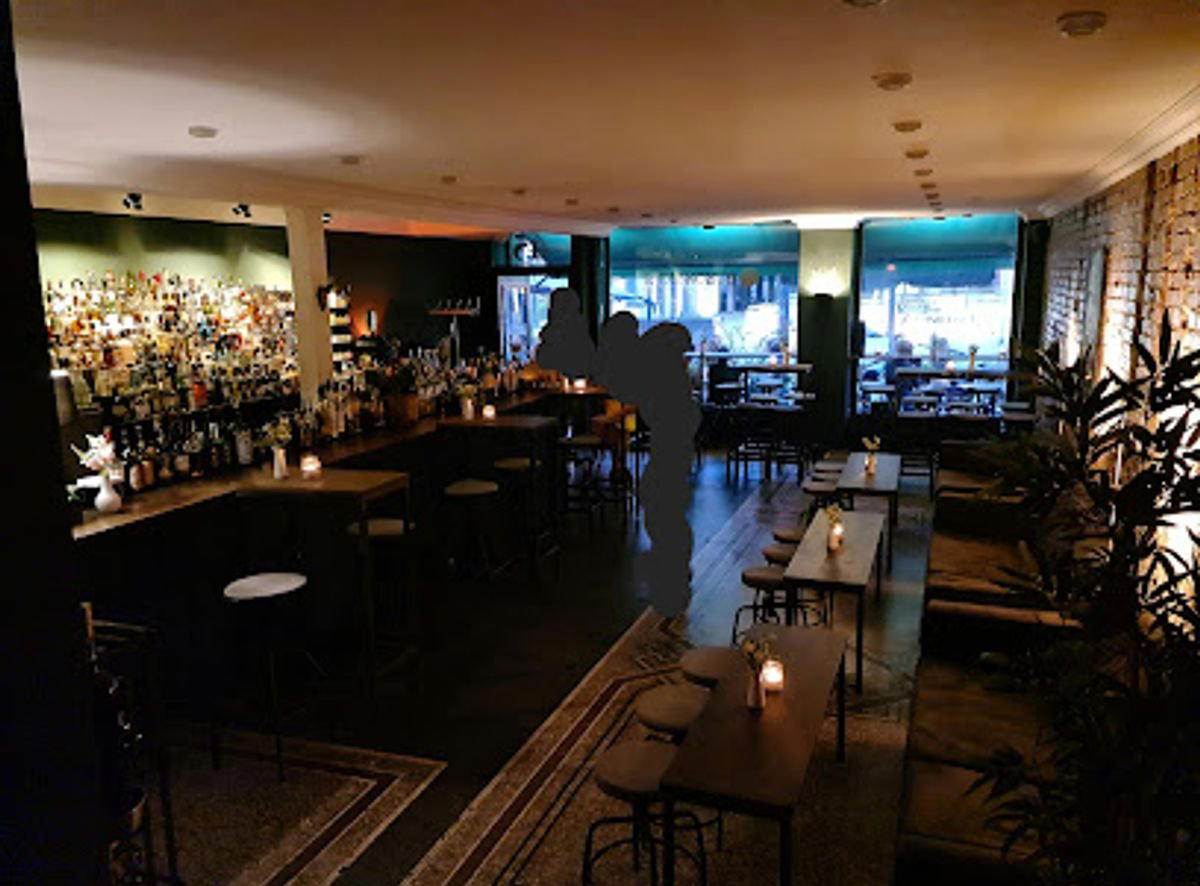
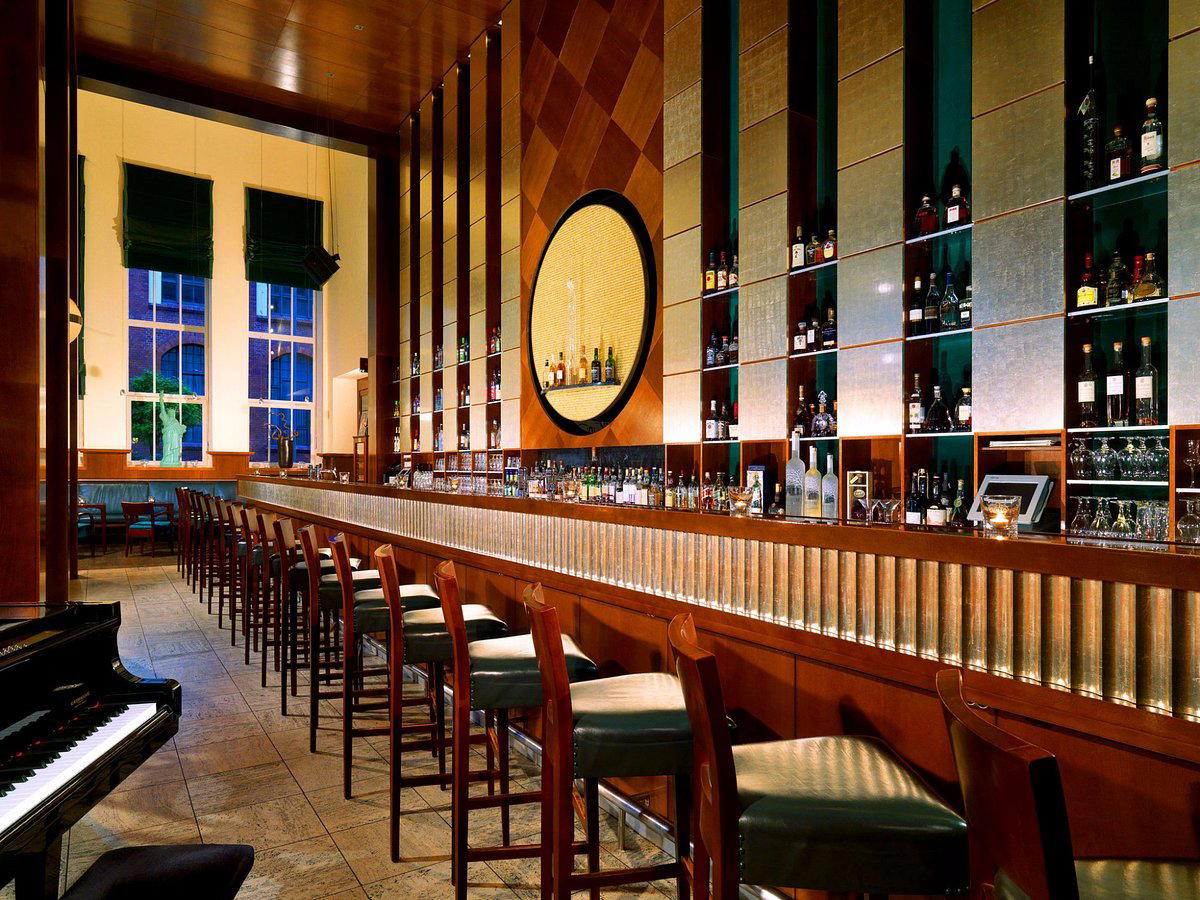
Bars in Hanover
Browse all →
Hotels in Hanover
Browse all →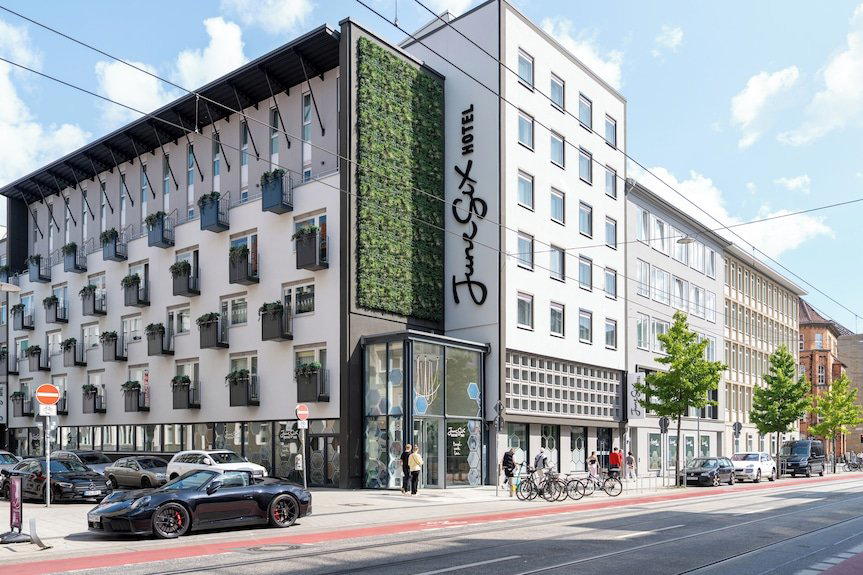

At a Glance
- Cozy
- Lunch
- Dinner
Current opening hours
- Monday
- Closed
- Tuesday
- 12–3 PM, 6–10 PM
- Wednesday
- 12–3 PM, 6–10 PM
- Thursday
- 12–3 PM, 6–10 PM
- Friday
- 12–3 PM, 6–10 PM
- Saturday
- 12–3 PM, 5:30–10 PM
- Sunday
- 12–3 PM, 5:30–10 PM
Hours can change for holidays and private events. Last verified .
Charming and cozy atmosphere as a small sushi haven.