Silk Road Choyhona
Silk Road Choyhona in Gaithersburg brings the communal dining traditions of Central Asia to the Maryland suburbs, operating from Bureau Drive as one of the area's few dedicated destinations for Uzbek and Silk Road cuisine. The choyhona format, historically a teahouse and gathering point along trade routes, shapes both the menu and the pace of the meal here, making it a draw for a loyal regional following.
Pearl is the En Primeur Club membership app — saves, bookings, and concierge access live there. Same editors, same standards.
- Address
- 28 Bureau Dr, Gaithersburg, MD 20878
- Phone
- +13013305262
- Website
- silkroadchoyhona.net
- Directions
- Get directions
 Saves & bookings on Pearl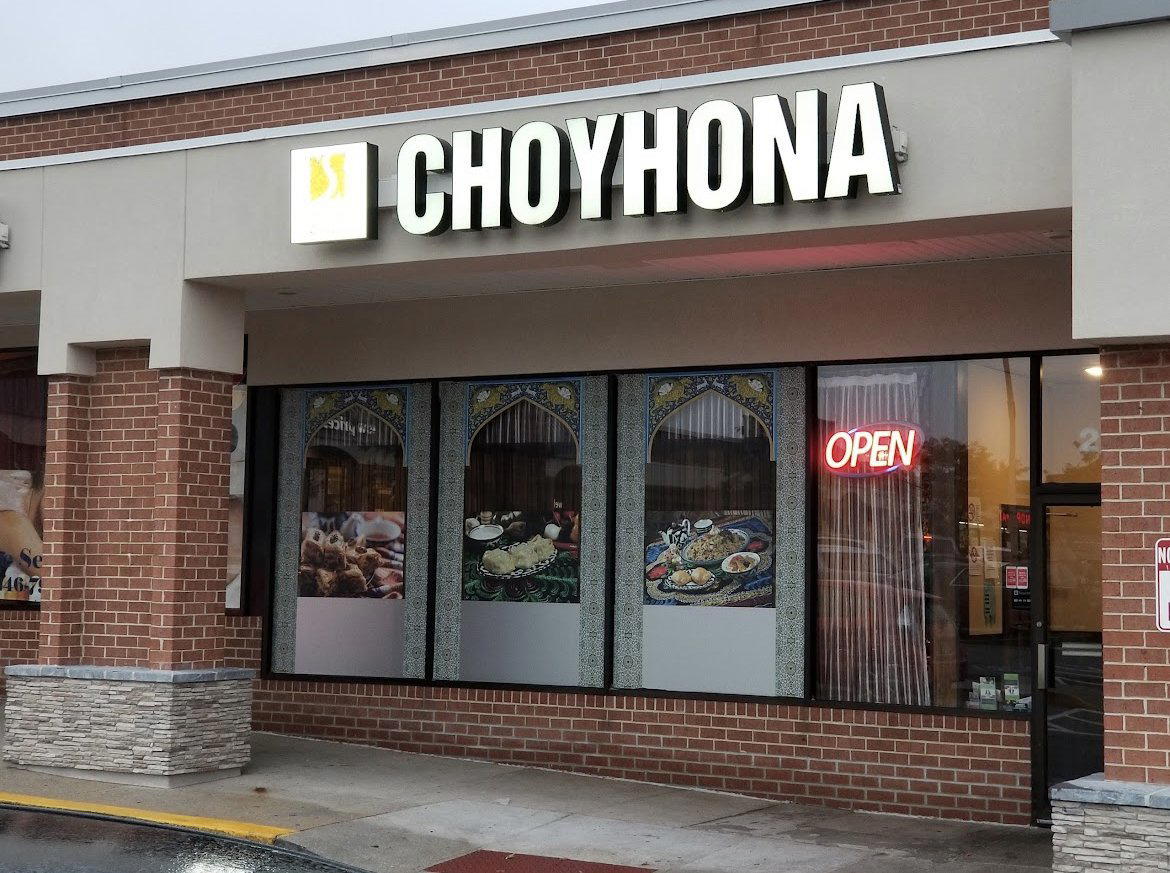
Where the Regulars Already Know What to Order
Silk Road Choyhona, on Bureau Drive in Gaithersburg, Maryland, operates in that register. The choyhona tradition it draws from, a Central Asian institution historically functioning as teahouse, meeting point, and communal table along the Silk Road corridor, implies a hospitality model built around return visits rather than one-time occasions. That is the frame through which this restaurant makes most sense.
Gaithersburg's dining scene reflects the demographic breadth of Montgomery County, among the more ethnically diverse counties in the United States. The strip-mall corridor along Rockville Pike and the surrounding suburban grid hosts Salvadoran, Mexican, Persian, and Korean kitchens operating in close proximity, many of them serving communities for whom these cuisines are everyday food rather than novelty. Silk Road Choyhona belongs to that ecosystem, representing a culinary tradition, Uzbek and broader Central Asian cooking, that remains sparsely represented even in metro areas with substantial immigrant populations. Compared to neighbors like Caspian House of Kabob, which brings Persian-inflected grilled preparations to a similar audience, or Acajutla Restaurant serving Central American staples, Silk Road Choyhona occupies a distinct culinary niche in the local grid.
The Cuisine the Regulars Return For
Central Asian cooking, particularly in its Uzbek expression, sits at a crossroads of Persian, Russian, Chinese, and nomadic steppe influences. The defining preparations are built around rice, slow-cooked lamb, flatbread baked in a tandoor-style oven called a tandir, and a set of shared dishes designed for the communal table. Plov, the Uzbek national rice dish cooked with lamb, carrots, and onion in a kazan (a large cast-iron vessel), is the gravitational center of this cooking tradition. It is the dish that regulars at any choyhona track from table to table, the one that marks whether a kitchen is operating at its standard or cutting corners.
Alongside plov, the broader menu vocabulary includes samsa (baked pastry filled with lamb and onion), lagman (hand-pulled noodles in a spiced broth), manti (steamed dumplings substantially larger than their Chinese cousins), and shashlik, skewered meats cooked over charcoal with a char-to-fat ratio that defines the quality ceiling. The tea service is not incidental. In the choyhona format, tea, typically green or black, served in a piala (a small handleless bowl), anchors the social rhythm of the meal. Regulars at this kind of establishment often measure a restaurant's seriousness by how the tea arrives and how it is maintained through the course of a long table.
For those more familiar with the refined tasting-menu circuits of other American cities, from Alinea in Chicago to Atomix in New York City or The French Laundry in Napa, the choyhona model is its structural inverse: no tasting progression, no paced courses, no ceremony around the individual diner. Food arrives for the table, shared and refilled, and the meal's duration is elastic.
The Bureau Drive Address in Context
Bureau Drive sits within the commercial grid that feeds Gaithersburg's working residential neighborhoods. It is not a dining destination street in the way that certain corridors in Washington, D.C. have been packaged for food tourism. Restaurants here survive on neighborhood loyalty and word-of-mouth within specific communities rather than on foot traffic or tourism. That dynamic shapes the experience: the dining room is calibrated for people who have been before, not for first-timers who need their hand held through the menu.
Gaithersburg's broader restaurant mix offers points of comparison across format and register. Coal Fire and Coastal Flats operate at the chain-adjacent end of the local spectrum, while Ay Jalisco Restaurant represents the independent Mexican kitchen that anchors a different community entirely. The restaurant sits apart from all of these in format and audience, serving a cuisine that has no close competitor in the immediate area. For the full context of where it fits in the local dining grid, the full Gaithersburg restaurants guide maps the wider picture.
What Keeps the Regulars Coming Back
The unwritten menu at any long-running neighborhood restaurant of this type is the one that regulars navigate by habit. They know which preparation on a given day is freshest, which table gets the leading light in winter, and at what point in the evening the kitchen hits its stride. At a choyhona specifically, the rhythm of the meal is the product as much as any individual dish. You are not here for a quick plate. The format rewards an unhurried approach, a second pot of tea, another round of bread from the tandir, a table that extends past what the original plan allowed.
That durability, the restaurant as a place you return to rather than consume once, is what the choyhona tradition was built on historically. Along the original trade routes from Samarkand to Bukhara and beyond, the teahouse was the infrastructure of rest, negotiation, and community. Transplanted to suburban Maryland, the format necessarily adapts to its context. But the underlying logic, that a restaurant earns loyalty through consistency and a specific hospitality posture rather than through novelty, translates across the distance. For restaurants elsewhere on the national circuit that have built similar loyalty through different means, Blue Hill at Stone Barns in Tarrytown and Single Thread Farm in Healdsburg represent the farm-driven end of that same equation. Providence in Los Angeles and Le Bernardin in New York City hold comparable regular followings through technical consistency at the opposite end of the formality spectrum.
Planning Your Visit
The restaurant is located at 28 Bureau Drive, Gaithersburg, MD 20878. Given the neighborhood-anchored nature of the restaurant and the communal-table format that makes it suitable for groups, arriving with more than two people typically takes full advantage of the menu's breadth. The restaurant is open Monday through Thursday from 11:30 AM to 9 PM, Friday and Saturday from 11:30 AM to 9:30 PM, and Sunday from 11:30 AM to 9:30 PM. No formal dress code applies to this category of restaurant, and the experience does not require it.
Style and Standing
Comparable venues nearby, for context on price, style, and recognition.
| Venue | Cuisine | Price | Notes |
|---|---|---|---|
| Silk Road ChoyhonaThis venue — the venue you are viewing | Authentic Uzbek | $$ | Not listed |
| Rainbow African Restaurant | West African Ghanaian | $$ | Downtown Gaithersburg |
| Thai Tanium | Authentic Thai | $$ | Gaithersburg |
| Laredo Grill | Traditional Mexican & Salvadoran | $$ | Muddy Branch |
| Giuseppi's Pizza Plus | New York Style Pizza | $$ | Kentlands |
| Coastal Flats | Coastal American Seafood | $$$ | Downtown Crown |
Continue exploring
More in Gaithersburg
Restaurants in Gaithersburg
Browse all →
Bars in Gaithersburg
Browse all →

Hotels in Gaithersburg
Browse all →



At a Glance
- Cozy
- Rustic
- Casual Hangout
- Group Dining
Current opening hours
- Monday
- 11:30 AM–9 PM
- Tuesday
- 11:30 AM–9 PM
- Wednesday
- 11:30 AM–9 PM
- Thursday
- 11:30 AM–9 PM
- Friday
- 11:30 AM–9:30 PM
- Saturday
- 11:30 AM–9:30 PM
- Sunday
- 11:30 AM–9:30 PM
Hours can change for holidays and private events. Last verified .
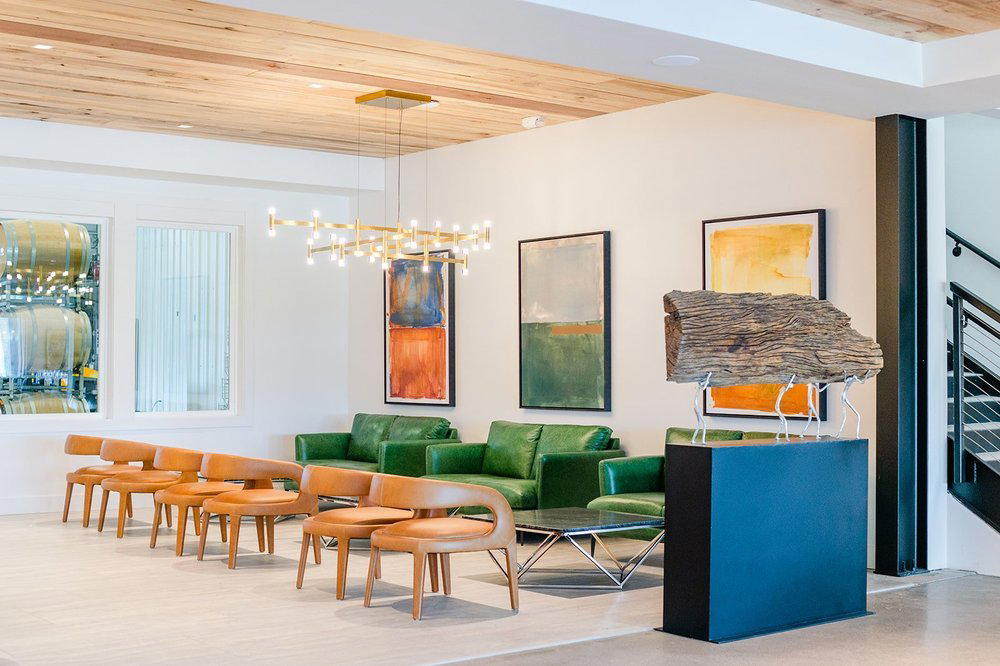
Tranquil atmosphere with vivid colors, natural materials, woven carpets, and antique Asian decor creating a magical Central Asian feel.