
Tabelog 100 #24
Our verdict
Yokohama’s Minatomirai dining scene often splits between hotel polish and casual mall traffic; Sichuan Restaurant Chin Yokohama ten occupies the more formal Chinese tier, with Sichuan, dim sum and yum cha categories and selection for Tabelog 100 Chinese EAST 2026. The appeal is less about novelty than coordination: kitchen heat, wine and cocktails, private-room service and family accommodation working inside a large hotel-restaurant format.

Pearl is the En Primeur Club membership app, where members save venues, book tables and use the concierge.
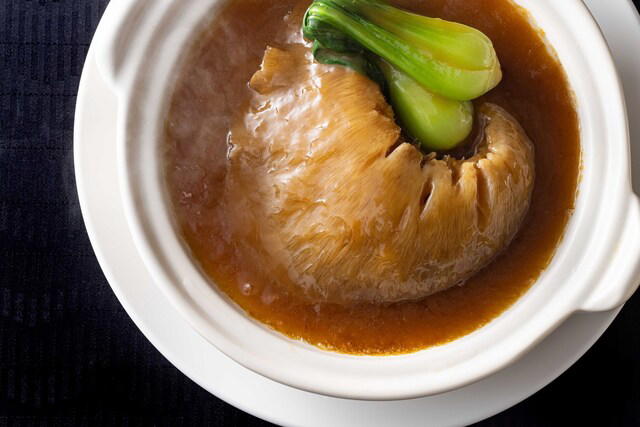
The menu
What to order
- Traditional mapo tofu
- Dim sum / yum cha items
- Seasonal Sichuan courses
Yokohama changes character quickly: shopping areas, business settings and dining rooms sit within a few minutes of one another. In that setting, a Chinese restaurant has a different job than a quick snack counter. It has to offer Sichuan heat and a composed meal option while serving business dinners, family tables and celebrations without losing clarity. Sichuan Restaurant Chin Yokohama ten belongs to the more deliberate end of Yokohama dining, where the documented cuisine range and occasion matter almost as much as the spice.
Yokohama has long had a Chinese-food identity through its port history, but the restaurant’s appeal is more contemporary and controlled. The documented category here is not simply late-night dumplings or quick noodle bowls; it is Chinese, Sichuan, dim sum and yum cha presented as a more deliberate restaurant experience. Recognition in Tabelog’s Hyakumeiten-related 2026 listing puts the restaurant inside a curated Chinese-dining context rather than the broad tourist category, a useful distinction in a city where Chinese cooking ranges from street-snack counters to more formal dining rooms.
Sichuan cooking in a Yokohama room built for coordination
The defining tension is format. Sichuan cuisine depends on contrast: chile heat, fermented depth, numbing spice, vinegar, oil, aromatics and texture. A composed restaurant has to translate that language for a wider range of tables, including guests who may be ordering dim sum or a structured meal rather than chasing maximum intensity. The better reading is to treat the restaurant as an occasion-focused choice. Any Chinese meal built around shared dishes needs pacing, because dishes may arrive for the table, drinks need attention, and larger groups can change the rhythm again.
That occasion-focused role is where the restaurant’s positioning becomes clearer. The public category notes Chinese, Sichuan, dim sum and yum cha, which points to a restaurant bridging two expectations: Chinese dining as communal meal and Yokohama dining as a planned occasion. For travelers comparing Yokohama options, this is a different decision from choosing a casual sweet stop such as Coffret, Gelato Firenze or Leonard's Yokohama wa-rudo po-ta-zu ten. Those visits belong to narrower moments. This one is easier to frame as a longer meal, especially when the table wants Chinese food with Sichuan character.
The category emphasis is also worth reading in Yokohama context. Port cities tend to absorb outside influences into multiple cuisines, and a Sichuan restaurant in this city can speak to that appetite without turning into a generic catch-all idea. The point is not fusion as a label; it is fit. A Yokohama dining room serving Sichuan food has to feel credible to diners who know Chinese spice and practical to guests who want a composed evening before or after other city plans.
Why the service model matters as much as the spice
Chinese restaurants built for shared meals live or fail by coordination. This is not the same choice as a tiny counter where every exchange is personal and immediate. The booking, ordering and meal sequence have to suit different party sizes, celebrations and guests with varied expectations while keeping the meal moving. That is why the restaurant’s format is not a side detail; it explains the kind of Yokohama meal being considered.
For business entertaining or multigenerational dining, the composed-meal setup changes the calculation. Yokohama has plenty of casual choices, including sweet or relaxed stops such as Mrs. Elizabeth Muffin Randomaaku puraza ten and more theme-led venues such as ハードロックカフェ 横浜店. A Sichuan-focused Chinese restaurant in Yokohama is useful when the table needs a broader meal structure and options that can suit guests with different spice tolerance. It is also a practical alternative to choosing only the most obvious tourist-facing Chinese dining in the city.
The Tabelog score of 3.63 should be read with Japanese review culture in mind, where high numerical scores are harder to accumulate than on many international platforms. The stronger trust signal is the restaurant’s 2026 Tabelog Hyakumeiten-related recognition, which places it within a documented Chinese-cuisine selection. Awards do not guarantee a great table, but they help separate a convenient restaurant with broad appeal from one that has drawn category-level attention.
How to place it within a Yokohama itinerary
The restaurant makes the most sense when Yokohama is the anchor of the day: cultural plans, shopping, hotel stays, concerts or family schedules. It is less compelling as a quick detour for a solo diner chasing one unnamed specialty. The value lies in managed complexity: Sichuan cooking, dim sum range and a Chinese restaurant format operating as one package. That makes it a strong choice for travelers who want Chinese food in Yokohama without defaulting automatically to the city’s most familiar tourist routes.
Yokohama’s broader food map rewards contrast. A visitor could to balance this kind of Chinese meal with smaller counters, casual local addresses and allowed nearby comparisons such as Coffret, Gelato Firenze, Leonard's Yokohama wa-rudo po-ta-zu ten, Mrs. Elizabeth Muffin Randomaaku puraza ten and ハードロックカフェ 横浜店. Broader regional browsing can also help, but the practical decision remains local: cuisine, room type and occasion should lead rather than a checklist of famous names.
The editorial verdict is practical: choose this restaurant for a Sichuan-focused Chinese meal in Yokohama when the table needs comfort, structure and a broader category range as well as heat. Diners seeking a tiny counter or a rough-edged local room should look elsewhere; diners planning a more composed Yokohama evening have a clearer case.
Frequently asked questions
What's Sichuan Restaurant Chin Yokohama ten's location?
Yokohama.
What's the pricing like at Sichuan Restaurant Chin Yokohama ten?
Pricing at Sichuan Restaurant Chin Yokohama ten is listed as dinner JPY 10,000 - JPY 14,999 and lunch JPY 4,000 - JPY 4,999.
What's the best way to book Sichuan Restaurant Chin Yokohama ten?
Use the venue’s listed contact details and confirm current availability directly. The documented budget is lunch at JPY 4,000–JPY 4,999 and dinner at JPY 10,000–JPY 14,999, so planning ahead makes sense for a timed meal in Yokohama.
What's the defining dish or idea at Sichuan Restaurant Chin Yokohama ten?
The clearest cue is the restaurant’s Sichuan focus, alongside Chinese, dim sum and yum cha. It has 2026 Tabelog Hyakumeiten-related recognition, which places it in a documented Chinese-dining selection rather than a generic dining-room category.
Can Sichuan Restaurant Chin Yokohama ten adjust for dietary needs?
Ask the restaurant directly before booking or visiting, especially for allergies or other dietary needs. The available public facts identify the cuisine categories and budget, but individual accommodations should be confirmed with the venue.
Is Sichuan Restaurant Chin Yokohama ten good for families?
The available public facts do not give a specific family-policy statement. For children, strollers or group needs, confirm directly with the restaurant before planning a meal in Yokohama.
The Quick Read
Comparable venues at the same tier for side-by-side context.
| Venue | Cuisine | Price | Awards | Notes |
|---|---|---|---|---|
| Sichuan Restaurant Chin Yokohama tenThis venue (the venue you are viewing) | Upscale Sichuan (Szechwan) Chinese | $50–100 | Tabelog 100 #24 | Not listed |
| Manchin ro Honten | Historic Cantonese fine dining in Yokohama Chinatown | $50–100 | Tabelog 100 #87 | Naka, Historic Cantonese fine dining in Yokohama Chinatown |
| Kasei Rou Honten | Traditional Beijing-style Chinese banquet restaurant | $30–50 | Tabelog 100 #76 | Naka, Traditional Beijing-style Chinese banquet restaurant |
| Chen Kenichi Mapo Tofu Restaurant (陳建一麻婆豆腐店) | Sichuan Mapo Tofu Specialist | Not listed | Not listed | Minatomirai, Sichuan Mapo Tofu Specialist |
| Manchinro Tenshinpo (萬珍樓 點心舗) | Cantonese Dim Sum | $20–30 | Tabelog 100 #81 | Chinatown, Cantonese Dim Sum |
| The Bar CASABLANCA | Authentic Cocktail Bar | $20–30 | Tabelog 100 #17 | Naka, Authentic Cocktail Bar |
Recognition history
Dated appearances from independent guides and award organizations, with the underlying list record or original source where available.
Tabelog 100 #24 · No. 24
Tabelog · Tabelog 100 - Chinese cuisine - EAST - 2026
Continue exploring
More in Yokohama
Restaurants in Yokohama
All restaurants in Yokohama →




Bars in Yokohama
Browse all →






Details
- Modern
- Elegant
- Scenic
- Sophisticated
- Business Dinner
- Date Night
- Celebration
- Special Occasion
- Group Dining
- Family
- Private Event
- Waterfront
- Panoramic View
- Private Dining
- Hotel Restaurant
- Corkage Allowed
- Local Sourcing
- Waterfront
- Skyline
- Tasting Menu
- A La Carte
- Set Menu
- Wine
- Beer
- Spirits
- Allergy Accommodating
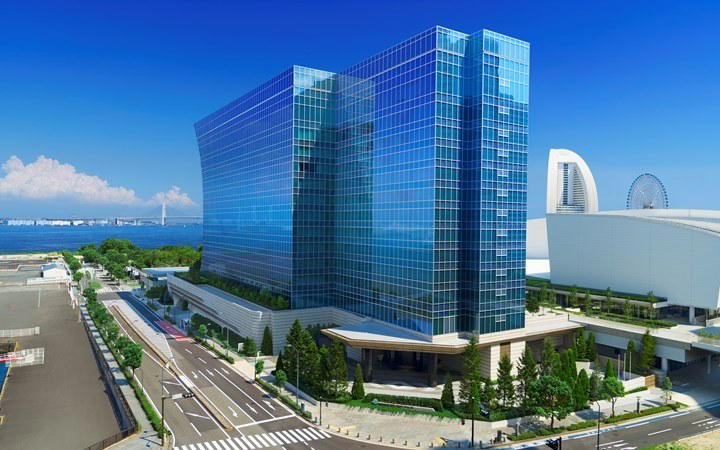
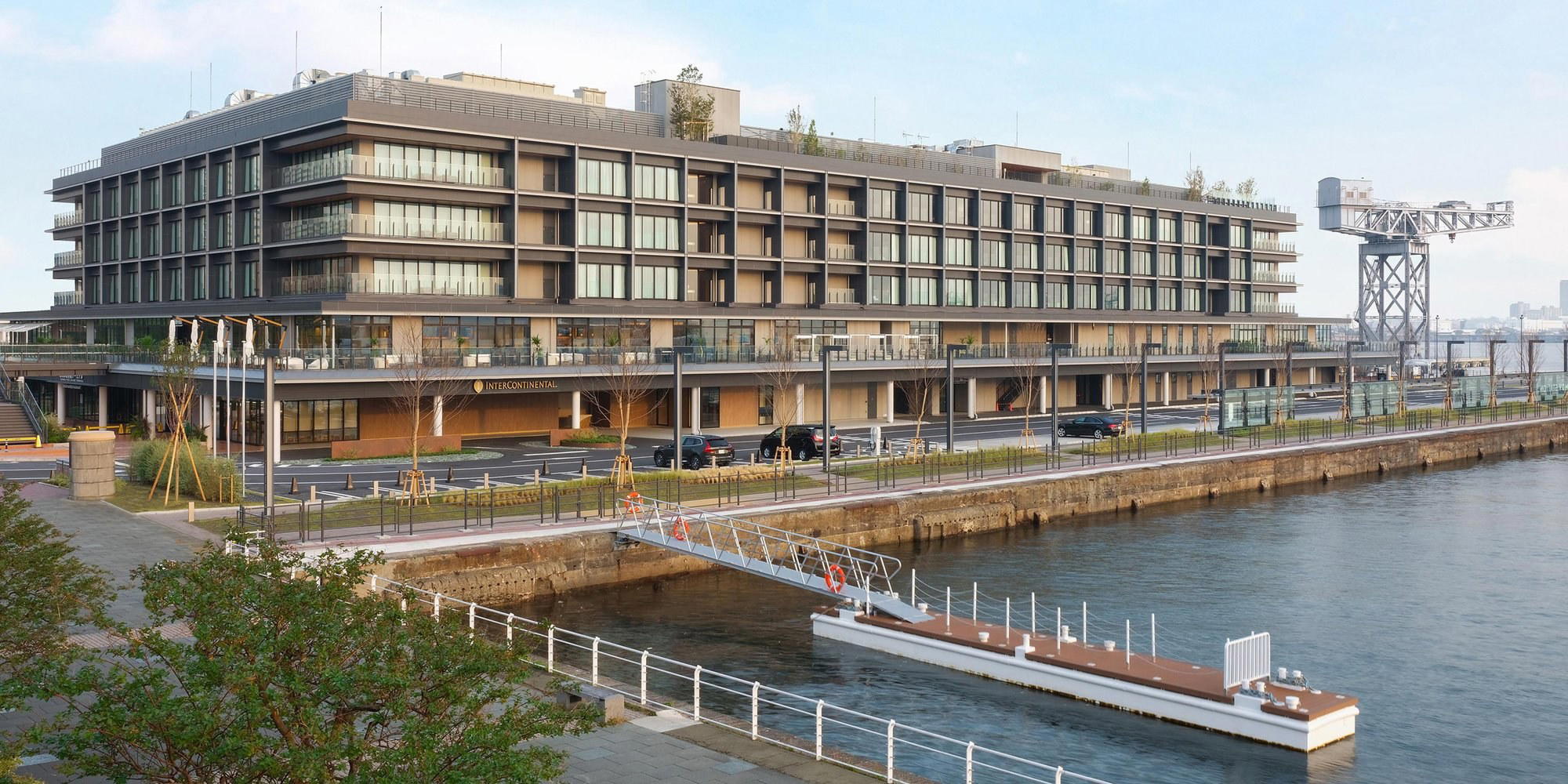
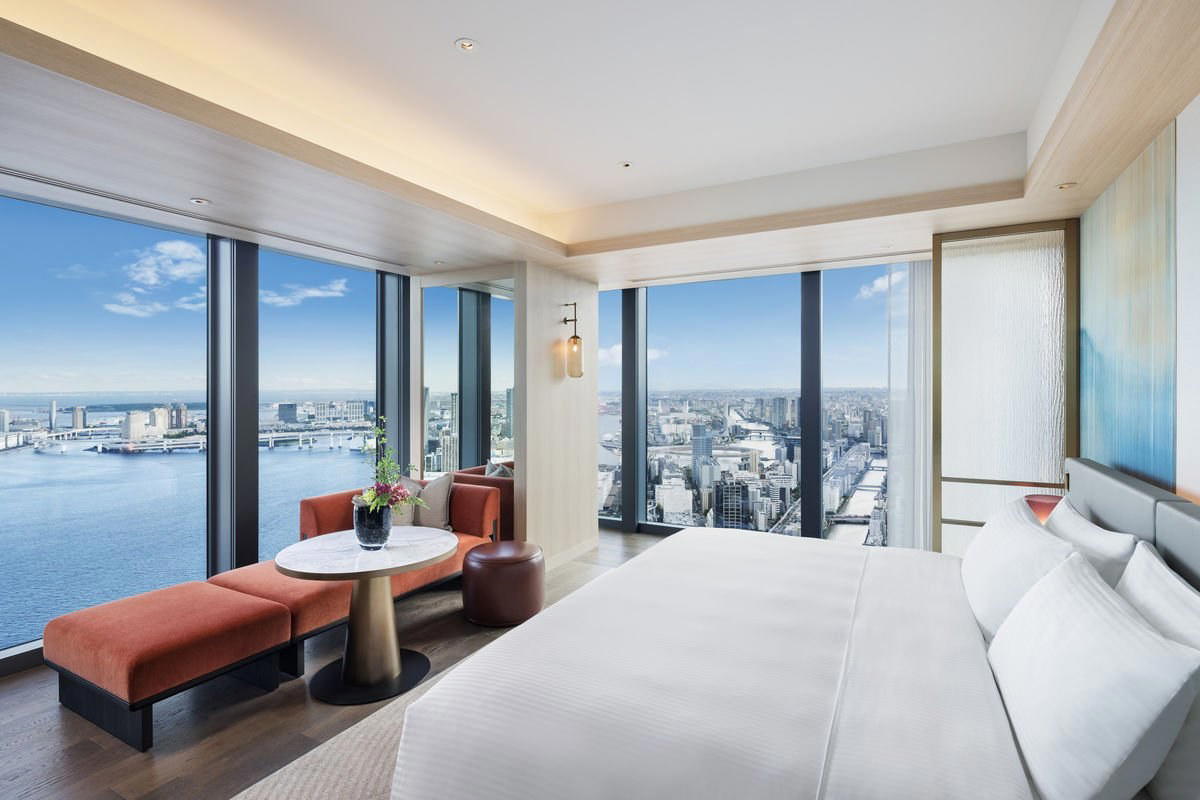
A refined hotel-restaurant setting with modern Chinese design, comfortable seating and lighting suited to leisurely multi-course meals, framed by large windows overlooking the Minatomirai waterfront and Ferris wheel, creating a sophisticated yet relaxed special-occasion atmosphere.