Tabelog 100 #23
Our verdict
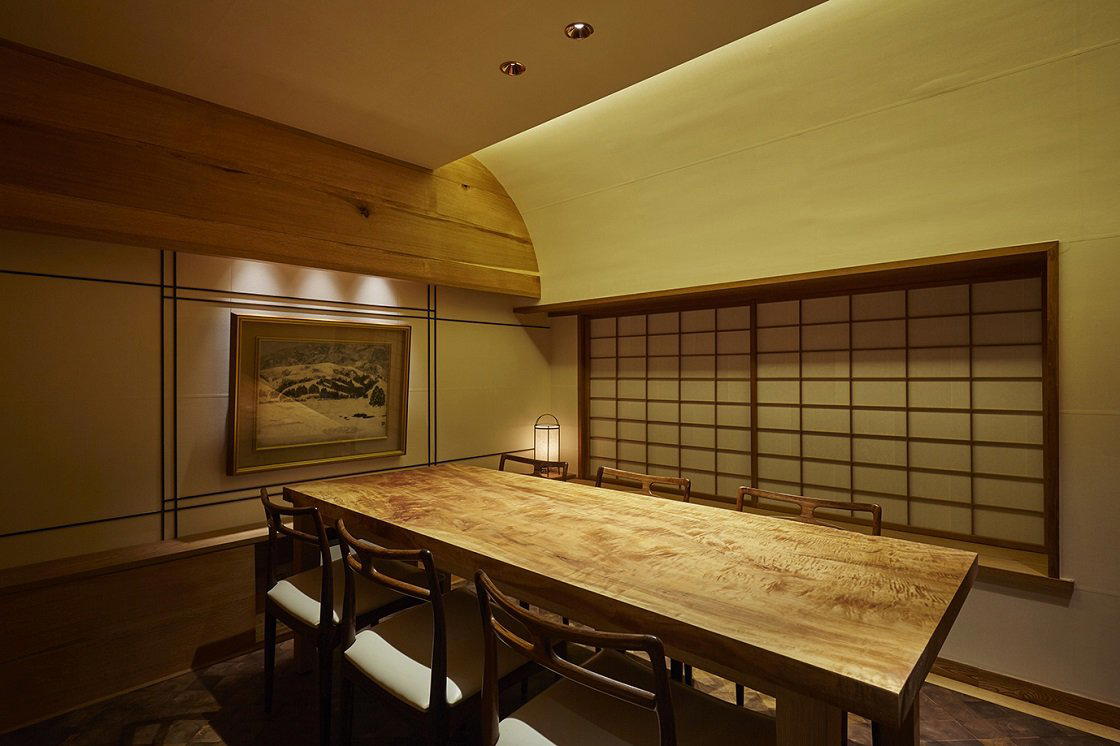
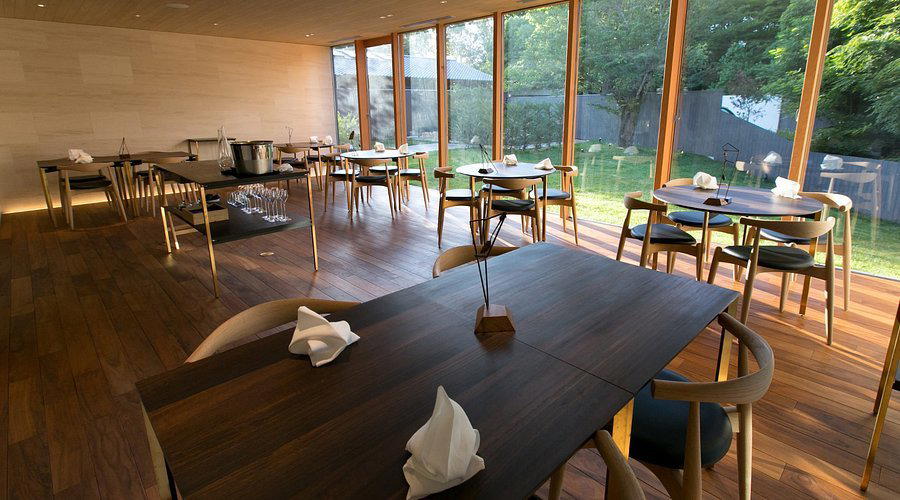
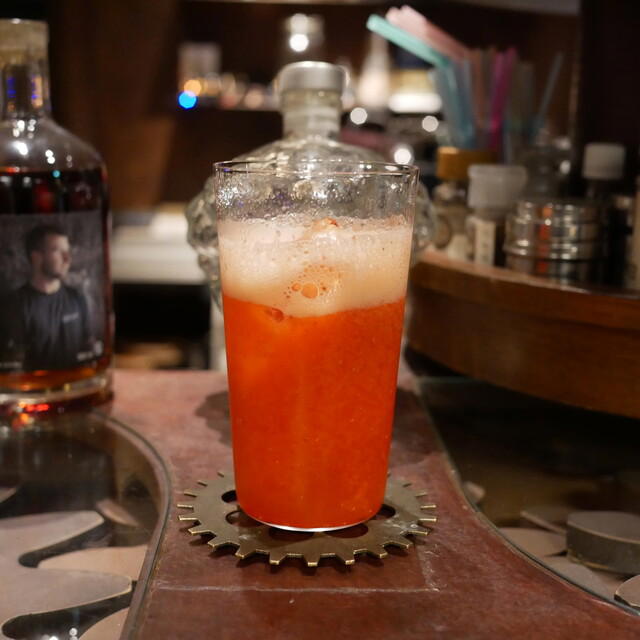
Shushi Mon belongs to Osaka’s smaller, regular-driven izakaya tier: fish-led cooking, serious sake and wine attention, and a room scaled for people who return rather than drift through. Its 2025 Tabelog 100 Izakaya WEST selection places it among the region’s stronger tavern addresses, while the Nishitenma setting keeps the experience closer to local dining rhythm than tourist spectacle.

Pearl is the En Primeur Club membership app — saves, bookings, and concierge access live there. Same editors, same standards.
The menu
What to order
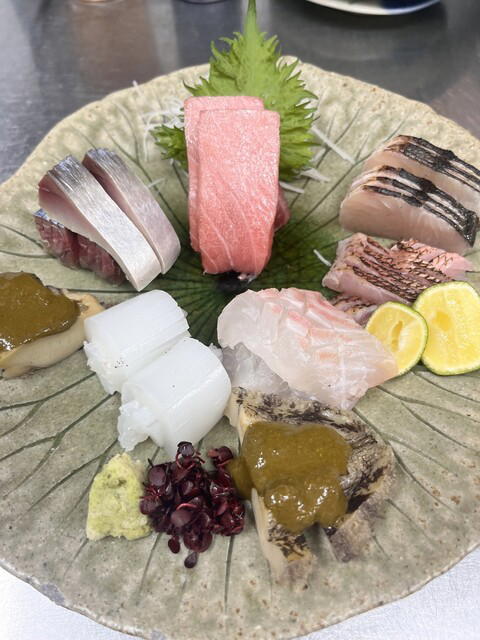
- Assorted sushi
- Meat dishes
Osaka changes tone after office hours. The city loses some of its daytime formality, shutters come down, and the better small restaurants start to feel less like destinations than appointments kept by people who know exactly where they are going. In that setting, the Osaka izakaya is not a casual fallback; it is a serious format, built on repeat custom, properly chosen food and drink, and a room attuned to regulars before the first order is placed.
Shushi Mon fits that Osaka pattern with unusual clarity. The draw is not a chef-as-celebrity narrative or a tasting-menu performance, but the older izakaya logic of trust: a tavern format, a measured evening, and enough structure to make dinner feel considered without turning it into ceremony. Its Tabelog Hyakumeiten 2025 recognition matters because the category is crowded and deeply local. Izakaya recognition tends to reward consistency, repeat appeal and food that holds up across many visits, not just novelty.
Osaka and the return-visit grammar of the izakaya
Osaka’s restaurant identity is often flattened into street food, but the city tells a wider story. Its better rooms can attract diners who want precision without the social theatre of a grand restaurant. Here, an izakaya can be polished, adult and quietly exacting while still functioning as a place for conversation rather than performance.
The regulars’ perspective is the useful one. A first-timer may look for a named dish; a returning diner reads the broader signals: the category, the mood, the pacing, the listed budget and the kind of format that makes rhythm matter. That is the unwritten menu at places like this. The meal is less about chasing a single plate than allowing the room to set the evening’s tempo around what suits the occasion.
Within the local competitive set, the positioning is clear. Goichi Nishitenma ten, Ren, Sushi shizuku Nishitenma, Nishitemma Ichigaya and Moriyama Ya give useful context for how Osaka diners compare Japanese dining options across different expectations and budgets. Against that spread, Shushi Mon reads as a serious izakaya rather than a luxury counter or an everyday canteen: focused, drink-aware in spirit, and made for diners who value repetition over spectacle.
That distinction is important in Osaka. The city’s casual dining culture rewards places that can absorb different moods: a work dinner, a small celebration, a relaxed night with regular companions, or a more purposeful stop on a dining itinerary. A tavern that keeps its identity clear can become a habit because it does not demand the emotional pitch of a special-occasion restaurant. The achievement is not excess; it is calibration.
Where the Osaka tavern becomes a specialist room
The modern premium izakaya has split into two forms. One chases noise, breadth and social-media abundance. The other narrows the field: clearer priorities, more attention to how food and drink share the table, and a dining rhythm that assumes guests are listening. Shushi Mon belongs to the second camp. Its recognition as an izakaya, and its Tabelog Hyakumeiten 2025 listing, put it closer to a specialist tavern than a general drinking shop.
That makes it a useful counterpoint to the way visitors often plan Osaka. The city can be approached through casual snacks, takeout counters, modern dining rooms and classic Japanese formats as much as through formal restaurant reservations. A broader itinerary might move from one quick stop to another, from a daytime bite to a more considered evening table, or from an easy meal to a room with stronger local recognition. The point is not hierarchy; it is range. Osaka eats across formats with unusual confidence.
For travellers mapping that range, Our full Osaka restaurants guide gives the dining frame, while Our full Osaka hotels guide, Our full Osaka bars guide, Our full Osaka wineries guide and Our full Osaka experiences guide help place dinner inside a larger trip. The better Osaka evenings often come from this kind of sequencing: a compact restaurant, a precise drinking plan, then a short move elsewhere in the city rather than a single grand production.
The Japan-wide context is just as varied. A traveller comparing formats might look across unnamed dining rooms in other Japanese cities, from casual taverns to more formal counters and narrow speciality shops. Outside Japan, Japanese dining takes different shapes again, with formats adapted to local habits and audiences. Shushi Mon is rooted in the Osaka version of that broader idea: small-scale in feeling, repeat-minded, and built around the social logic of the izakaya rather than spectacle.
The decision: regulars' room, not spectacle dining
This is the kind of Osaka address that rewards diners who understand izakaya as a serious Japanese dining form. The 2025 Tabelog Hyakumeiten recognition supplies the external signal; the more meaningful cue is how the format aligns with local habits. A recognised izakaya with a dinner budget listed at JPY 8,000 - JPY 9,999 can serve different occasions without losing its centre.
The strongest reason to go is not to collect a famous dish. It is to experience the disciplined end of Osaka tavern culture, where the value lies in sequencing, consistency and the social intelligence of a room built for return visits. Travellers looking for spectacle will find louder choices elsewhere. Diners interested in how locals turn an izakaya into a dependable address will understand the appeal quickly.
Frequently asked questions
How do I find Shushi Mon?
Shushi Mon is in Osaka.
Is Shushi Mon expensive?
Pricing at Shushi Mon is listed as Dinner: JPY 8,000 - JPY 9,999; Lunch: JPY 1,000 - JPY 1,999.
Do they take walk-ins at Shushi Mon?
Reservation details are not provided in the available record. Given its Tabelog Hyakumeiten 2025 recognition, planning ahead is the safer approach. Check the venue's official channels for the latest details.
What do critics highlight about Shushi Mon?
The available recognition identifies Shushi Mon as an izakaya in Osaka. It received Tabelog Hyakumeiten recognition in 2025, with a listed score of 3.66, which gives the room clear external validation.
Do they accommodate allergies at Shushi Mon?
Those details are not published. The listed phone number is +81-6-6364-3573, and allergy checks should be raised before ordering. Check the venue's official channels for the latest details.
Is Shushi Mon child-friendly?
Check the venue's official channels for the latest details.
Peers You’d Cross-Shop
Comparable venues by price and recognition.
| Venue | Cuisine | Price | Awards | Notes |
|---|---|---|---|---|
| Shushi MonThis venue (the venue you are viewing) | Traditional Japanese Izakaya | $50–100 | Tabelog 100 #23 | Not listed |
| Goichi Nishitenma ten | Yakitori Omakase | $50–100 | Tabelog 100 #72 | JPY 8,000 - JPY 9,999 |
| Nishitemma Ichigaya | Modern Kappo | $100–150 | 1 Michelin Star | Japanese |
| Ren | Cocktail bar with light bar food | $20–30 | Tabelog 100 #13 | JPY 6,000 - JPY 7,999 |
| Moriyama Ya | Indian-style Curry House | $10–20 | Tabelog 100 #60 | JPY 1,000 - JPY 1,999 JPY 1,000 - JPY 1,999 View spending breakdown |
| Sushi shizuku Nishitenma | Edo-mae Sushi Omakase | $150–200 | Tabelog 100 #65 | JPY 20,000 - JPY 29,999 |
Recognition history
Dated appearances from independent guides and award organizations, with the underlying list record or original source where available.
Tabelog 100 #23 · No. 23
Tabelog · Tabelog 100 - Izakaya - WEST - 2025