
Tabelog 100 #60
Our verdict
Moriyama Ya belongs to Osaka’s compact, ritual-driven curry culture rather than the city’s high-spend tasting-menu circuit. Its Tabelog Curry WEST 100 selections, 13-seat format and no-photography rule point to a meal built around focus, pace and repeat local use, with Indian curry as the anchor rather than spectacle.

Pearl is the En Primeur Club membership app, where members save venues, book tables and use the concierge.
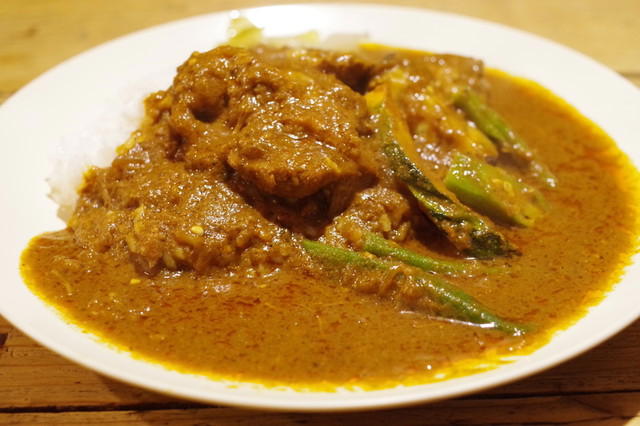
Osaka changes the tempo of dining. The city’s smaller restaurants often feel more disciplined than showy: focused menus, regulars who know when to arrive, and meals that do not need theatre to hold attention. Moriyama Ya fits that pattern. The restaurant is best understood as a purpose-driven stop, and the dining ritual is shaped by concentration: order, eat, move on, and let the meal itself carry the experience.
That last point matters. Osaka is a city where food queues and online attention can turn modest rooms into public stages. A restaurant like Moriyama Ya is more useful when approached as an everyday specialist rather than as a spectacle. The listed price band also keeps the experience in that register, closer to a repeatable city lunch or casual dinner than to the expense account dining found elsewhere in the city.
Osaka curry, measured against higher-spend rooms
Osaka’s restaurant map often gets flattened into two familiar ideas: street-level appetite and high-counter precision. The city complicates that reading. Lower-spend rooms can sit beside much more expensive reservations, and the contrast is useful. Sushi shizuku Nishitenma sits in a far higher spend bracket, while Ren, Goichi Nishitenma ten and Sumibi Yakitori Ikoka Nishitenma all point to Osaka’s stronger evening-dining economy. Against that field, Moriyama Ya occupies a different lane: Indian curry, Indian and curry categories, a lower spend, and a format that rewards directness rather than ceremony.
The Tabelog Hyakumeiten recognition in 2024 gives the room a credible public marker without changing the nature of the meal. Curry in Japan has never been only one thing. It can mean comfort cooking, everyday lunch, spice-led independent shops, South Asian cooking translated through Japanese habits, or hybrid plates that have become local vernacular. In Osaka, where casual food is often judged by repetition as much as novelty, recognition through a category-specific source is more meaningful than a generic popularity badge. It places the restaurant inside a defined field, where price, queue tolerance, speed and spice preference matter more than linen or glassware.
The useful comparison is not with temples of luxury but with other small Osaka addresses that ask diners to understand the format before they arrive. Other daytime rooms, casual restaurants and imported dining forms across the city show how service habits can localize different cuisines. Curry belongs in that same conversation when it is treated as a practiced meal rather than a backup option.
The ritual is compact: curry, dining discipline and a focused meal
Service format matters because small curry rooms operate on rhythm. The meal is naturally scaled for a focused lunch or casual dinner rather than a long, formal sitting. Dining in a specialist room changes the etiquette: orders need to be clear, lingering is shaped by the room’s pace, and the experience depends on the meal moving without feeling rushed. In this context, the appeal is not extravagance. It is a direct, concentrated meal in a category where repetition and timing matter.
Moriyama Ya’s Tabelog Hyakumeiten recognition in 2024 says more than a vague popularity claim would. For a low-price curry specialist, recognition tied to a defined dining category suggests consistency in a field where locals compare portion, spice balance, timing and value with unforgiving regularity. It also explains why the venue is better read as part of Osaka’s everyday expertise than as a destination built around a chef narrative.
The absence of a public chef persona in the provided details suits this kind of page. Japanese curry shops often run on repetition and house style, not celebrity authorship. The diner’s decision is less about following a named figure and more about choosing a format: an Osaka restaurant, Indian curry as the category, recognized status in 2024, and a meal that does not require a long evening. For travellers, that can be more useful than another formal booking in a city already rich with counters and tasting menus.
How to place it in an Osaka eating day
This is the kind of address that works when Osaka’s schedule needs one focused meal rather than another sprawling reservation. It pairs naturally with a practical city plan, especially for travellers already moving through Osaka and looking for a meal that is clear in purpose. The listed budget keeps it in a casual range, and that makes preparation simple: treat it as a focused curry stop rather than as a long, ceremonial booking.
For a wider Osaka plan, place it among practical city eating rather than ceremony. Use Our full Osaka restaurants guide for the broader dining map, then separate the meal from hotel, bar and cultural planning through Our full Osaka hotels guide, Our full Osaka bars guide, Our full Osaka wineries guide and Our full Osaka experiences guide. For Japan comparisons beyond Osaka, the same practical lens applies to other dining rooms generically: formats matter, categories matter, and a simple meal can be just as revealing as a formal reservation. Further afield, Japanese dining rituals travel best when format is treated seriously rather than reduced to novelty.
Frequently asked questions
Can I bring kids to Moriyama Ya?
Moriyama Ya is best approached as a focused Osaka curry stop, so family visits depend on how well children handle a meal-first setting.
How would you describe the vibe at Moriyama Ya?
It is a focused, no-frills curry room in Osaka, with a dining-first atmosphere built around a direct and practical meal.
How much does it cost to eat at Moriyama Ya?
Pricing at Moriyama Ya is listed as Dinner: JPY 1,000 - JPY 1,999; Lunch: JPY 1,000 - JPY 1,999.
Where do I go for Moriyama Ya?
Osaka.
Should I book Moriyama Ya in advance?
Advance planning makes sense for a focused Osaka curry stop, especially because its Tabelog Hyakumeiten recognition in 2024 signals public recognition.
What makes Moriyama Ya worth seeking out?
Moriyama Ya has Tabelog Hyakumeiten recognition in 2024, and that recognition carries weight for a curry-focused Osaka meal. Add the JPY 1,000–1,999 lunch and dinner price range, and it becomes a precise lunch or casual dinner stop rather than a broad-appeal curry house.
Style and Standing
Comparable venues at similar price and category levels.
| Venue | Cuisine | Price | Awards | Notes |
|---|---|---|---|---|
| Moriyama YaThis venue (the venue you are viewing) | Indian-style Curry House | $10–20 | Tabelog 100 #60 | Not listed |
| Curry Ya Nunkui | Curry / Indian Curry | Not listed | Tabelog 100 #98 | Sakai Ward |
| Osaka Halal Restaurant | Traditional Pakistani Halal Restaurant | $10–20 | Tabelog 100 #72 | Nishiyodogawa |
| Satch's Curry | Indian-style Curry Shop | $10–20 | Tabelog 100 #44 | Kita |
| Nepal & Indian Manakamana | Nepalese & Indian Curry House | $10–20 | Tabelog 100 #32 | Chūō |
| ANNAPURNA | Traditional Indian Curry House | $1–10 | Tabelog 100 #61 | Kita |
Recognition history
Dated appearances from independent guides and award organizations, with the underlying list record or original source where available.
Tabelog 100 #60 · No. 60
Tabelog · Tabelog 100 - Curry - WEST - 2024
Continue exploring
More in Osaka
Restaurants in Osaka
All restaurants in Osaka →



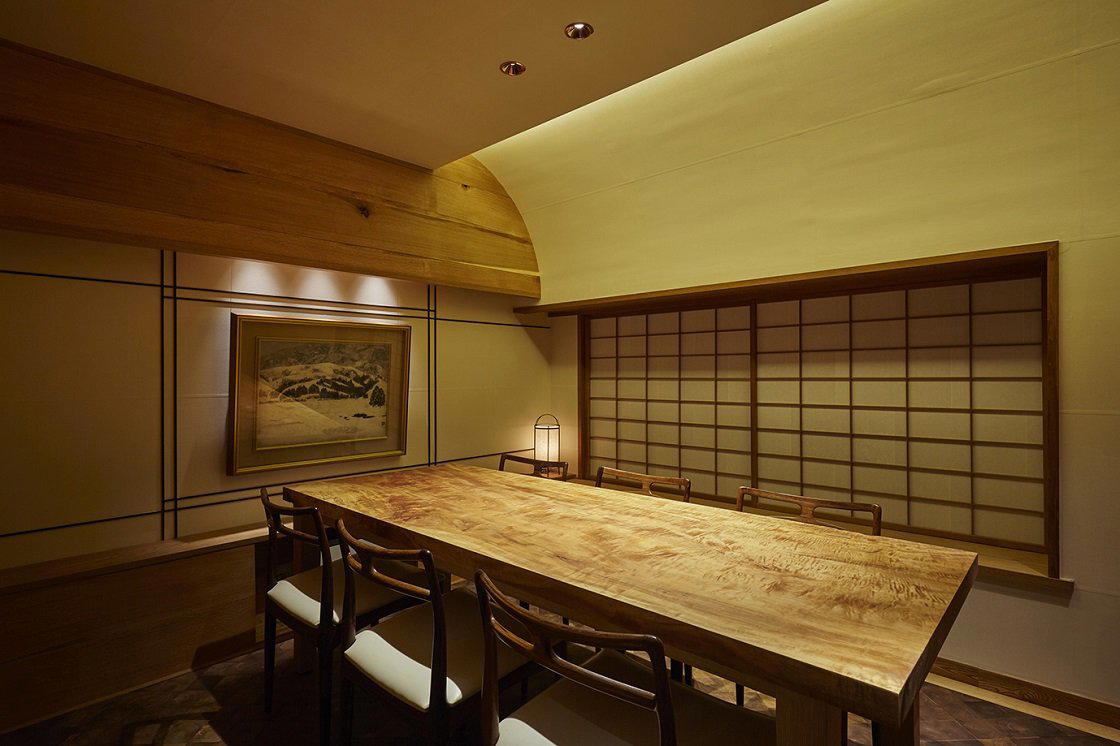
Bars in Osaka
All bars in Osaka →



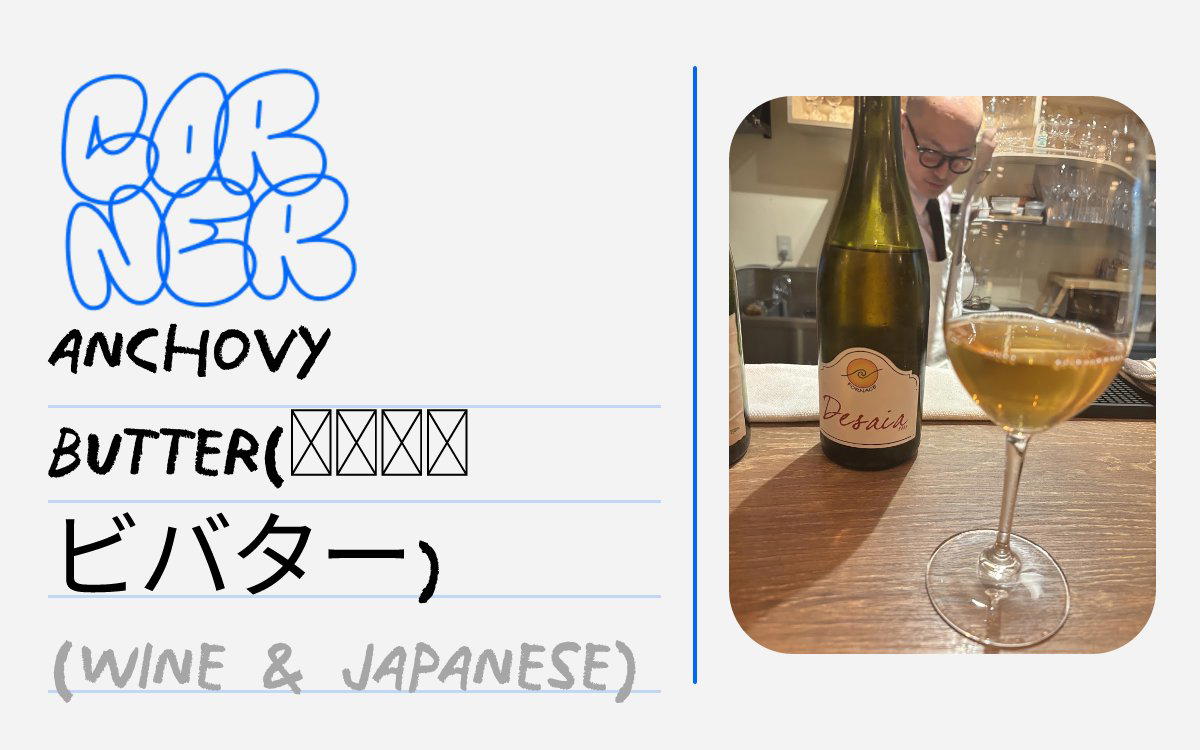
Hotels in Osaka
All hotels in Osaka →



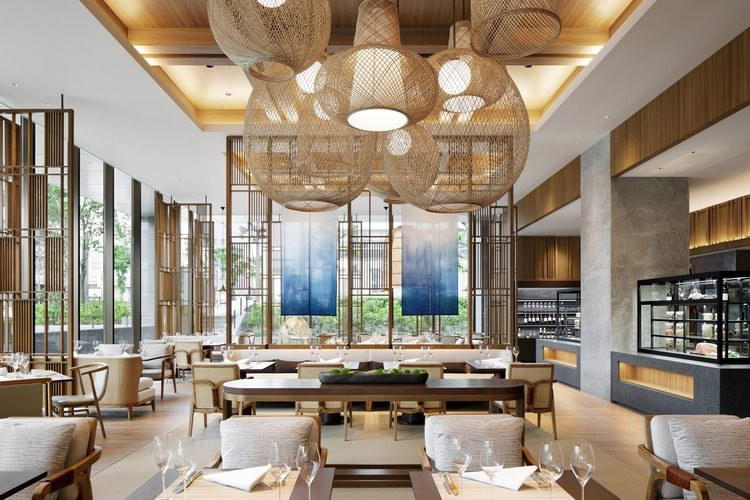
Wineries in Osaka
Browse all →
Details
- Cozy
- Quiet
- Classic
- Solo
- Casual Hangout
- After Work
- Business Dinner
- Standalone
- A La Carte
- Counter Dining
An intimate, non-smoking curry hideout with just a counter and a few tables, described as calm and easy to enjoy, with a relaxed, low-key atmosphere suited to solo diners and small groups rather than loud gatherings.