Shun Lee Palace

Our verdict
Open since the early 1970s, Shun Lee Palace has anchored Midtown Manhattan's Chinese dining scene for decades, earning consecutive recognition on Opinionated About Dining's North America list. Located at 155 E 55th St, the restaurant operates under Michael Tong and represents the tier of formal Chinese dining that shaped how the city understood the cuisine long before the current wave of regional specialists arrived.

Pearl is the En Primeur Club membership app, where members save venues, book tables and use the concierge.
The menu
What to order
- Peking Duck
- Grand Marnier Prawns
- General Tso's Chicken
- Shanghai Dumplings
- Hot and Sour Soup
Midtown's Long View on Chinese Dining
New York's Chinese restaurant scene has fragmented sharply over the past two decades. Regional specialists, Sichuan hotpot houses, Cantonese seafood parlors pulling live catch from tanks, Shanghainese dumpling counters operating out of Flushing basements, have reshaped what the city expects from the cuisine. Against that backdrop, the formal, full-service Chinese dining room that defined Midtown's approach to the cuisine in an earlier era occupies a smaller, more particular niche. Shun Lee Palace, operating at 155 E 55th St since the early 1970s under Michael Tong, sits in that niche and has held it with unusual consistency.
Tea as Structure, Not Afterthought
In the formal Chinese dining tradition that Shun Lee Palace represents, tea is not a beverage category appended to a drinks list. It is the structural partner to the meal, a practice rooted in the same Cantonese yum cha culture that gave the West its first coherent framework for thinking about Chinese hospitality. Where a French tasting menu at this price tier organises around a wine pairing, a well-run formal Chinese table organises its flavour progression partly through tea selection. The logic is sound: the astringency of a high-grade oolong clears the palate between roasted or sauced dishes in a way that still water cannot; a lightly oxidised white tea works alongside steamed preparations without competing; pu-erh, with its earthy, fermented character, has a long tradition of being served late in a meal to aid digestion after rich proteins. For a restaurant that has served this format through five decades of New York dining, the tea program is less a selling point than an inherited discipline, the kind of institutional knowledge that younger, trendier openings have to build deliberately. Diners approaching Shun Lee Palace for the first time should treat the tea selection with the same attention they would give a wine list at a comparable French address. Ask what is being poured, engage the service staff on the question, and pace the meal accordingly.
The Formal Chinese Dining Room in Context
The tier Shun Lee Palace occupies, white-tablecloth Chinese in a major American city, is smaller than it was in the 1980s and 1990s, when restaurants of this format represented the ceiling of what the mainstream dining public understood Chinese cuisine to be. The subsequent decades brought a different kind of prestige: the regional specialists, the open-kitchen Cantonese fine-dining formats imported from Hong Kong, and the new wave of Chinese-American chefs reinterpreting the cuisine through a contemporary lens. Mister Jiu's in San Francisco is a clear example of that latter category, Chinese-American identity expressed through a fine-dining framework that would be unrecognisable to the generation of restaurants Shun Lee Palace belongs to. Restaurant Tim Raue in Berlin shows a parallel trajectory in a European context: Chinese culinary technique reinterpreted by a non-Chinese chef in a high-concept format. Neither of those trajectories displaced the original format; they simply created a more complex map. Shun Lee Palace sits at one coordinate on that map, representing continuity rather than reinvention, and its OAD recognition across two consecutive cycles suggests that continuity still carries critical weight.
For context on what that recognition tier implies: OAD's methodology aggregates opinions from professional diners, critics, and food professionals globally, weighting contributors by track record. A ranked position in 2025 and a Recommended listing in 2023 means the restaurant has passed through that filter twice and come out the other side with its reputation intact. That is a different kind of validation than a Michelin star, which rewards consistency and service format, but it is not a lesser one.
The Midtown Setting and Its Implications
East 55th Street between Lexington and Third Avenue is not a dining destination block in the way that the West Village or the lower stretches of the East Village are. It is a working Midtown address, surrounded by corporate hotel towers and office buildings, which means the lunch service draws a different crowd than the dinner sitting. That split is reflected in the hours: lunch service runs Tuesday through Friday and Sunday, 12 to 2:30 pm; dinner runs Tuesday through Sunday, 4:30 to 9:30 pm; Monday is closed. The Saturday schedule is dinner-only, which is consistent with a restaurant whose weekday lunch trade is partly business-driven. Diners visiting from outside New York should note the Monday closure and plan accordingly. The proximity to the Park Avenue corridor and Grand Central Terminal makes the address direct to reach by subway from most Manhattan neighborhoods.
For comparison, the formal French rooms that occupy a similar position in Midtown, The French Laundry equivalent in terms of institutional authority, though in a very different city and cuisine context, tend to operate in the same geographic register: accessible to the business traveler, structured for a two-hour meal, not dependent on a destination-neighborhood draw. Shun Lee Palace fits that pattern precisely.
Where It Sits Among New York's Chinese Options
The Chinese dining options available across New York's five boroughs now cover a range that would have been difficult to describe comprehensively even fifteen years ago. Asian Jewel Seafood Restaurant and Big Wong in Manhattan's Chinatown operate at a different price point and in a different register entirely, canteen-format, cash-forward, focused on roast meats and congee rather than formal multi-course service. Chongqing Lao Zao represents the regional Sichuan wave. Blue Willow and Alley 41 occupy their own positions in the city's Chinese dining grid. Shun Lee Palace is not competing with any of these directly. Its competitive set is the formal, full-service Chinese dining room targeting a corporate and upscale residential clientele in Midtown, a peer group that has thinned considerably over the decades, which is part of what makes its sustained critical recognition worth noting.
For those building a broader New York itinerary, see our guides to New York City restaurants, New York City hotels, New York City bars, New York City wineries, and New York City experiences. If formal Chinese dining in a white-tablecloth Midtown setting is the specific interest, Shun Lee Palace is one of the very few addresses still operating in that format with critical recognition to support it.
Planning Your Visit
Address: 155 E 55th St, New York, NY 10022. Hours: Tuesday through Friday and Sunday, lunch 12–2:30 pm; Tuesday through Sunday, dinner 4:30–9:30 pm; Saturday dinner only; closed Monday. Awards: Opinionated About Dining Leading Restaurants in North America Ranked #488 (2025); Recommended (2023). Reservations: Budget: Price tier not listed; formal Midtown Chinese dining in this category typically runs at a moderate-to-high per-head spend at dinner.
Frequently asked questions
Where do I go for Shun Lee Palace?
Shun Lee Palace is located at 155 E 55th St, New York, NY 10022, New York City.
Who is the chef or culinary lead at Shun Lee Palace?
The chef associated with Shun Lee Palace is Michael Tong.
What has Shun Lee Palace built its reputation on?
Shun Lee Palace has held its position in Midtown Manhattan's formal Chinese dining tier across more than five decades, under Michael Tong's long tenure, a category that has contracted significantly since the 1980s and 1990s. The restaurant received an Opinionated About Dining recommendation in 2023 and a ranked placement at #488 in North America in 2025, placing it among a small group of Chinese restaurants in New York that trade on consistency and occasion dining rather than regional novelty.
Similar Picks
| Venue | Cuisine | Price | Awards | Notes |
|---|---|---|---|---|
| Shun Lee PalaceThis venue (the venue you are viewing) | Classic Upscale Chinese | $50–100 | Not listed | Not listed |
| Le Bernardin | French Seafood Fine Dining | $300–500 | 3 Michelin Stars · World's 50 Best #13 | French, Seafood |
| Atomix | Modern Korean Tasting Menu | $300–500 | 2 Michelin Stars · World's 50 Best #7 | Modern Korean, Korean |
| Masa | Seasonal Hokkaido Tempura Omakase | $150–200 | Tabelog 100 #34 | Sushi, Japanese |
| Per Se | French Fine Dining Tasting Menu | $300–500 | 3 Michelin Stars · World's 50 Best #40 | French, Contemporary |
| Eleven Madison Park | Contemporary Plant-Based Fine Dining | $300–500 | 3 Michelin Stars · World's 50 Best #4 | French, Vegan |
Recognition history
Dated appearances from independent guides and award organizations, with the underlying list record or original source where available.
Opinionated About Dining Casual in North America Recommended
Opinionated About Dining
Full recognition history (3 entries)
Opinionated About Dining Top Restaurants in North America Ranked #488
Opinionated About Dining
Opinionated About Dining Top Restaurants in North America Recommended
Opinionated About Dining
Continue exploring
More in New York City
Restaurants in New York City
All restaurants in New York City →
Bars in New York City
All bars in New York City →




Details
- Elegant
- Classic
- Well Known
- Sophisticated
- Date Night
- Business Dinner
- Group Dining
- Special Occasion
- Private Dining
- Historic Building
- Craft Cocktails
- Family Style
- A La Carte
- Prix Fixe
- Cocktails
- Wine
- Gluten Free Options
- Vegetarian Friendly
Current opening hours
- Monday
- 12–10 PM
- Tuesday
- 12–10 PM
- Wednesday
- 12–10 PM
- Thursday
- 12–10 PM
- Friday
- 12–10 PM
- Saturday
- 12–10 PM
- Sunday
- 12–10 PM
Hours can change for holidays and private events. Hours as of .
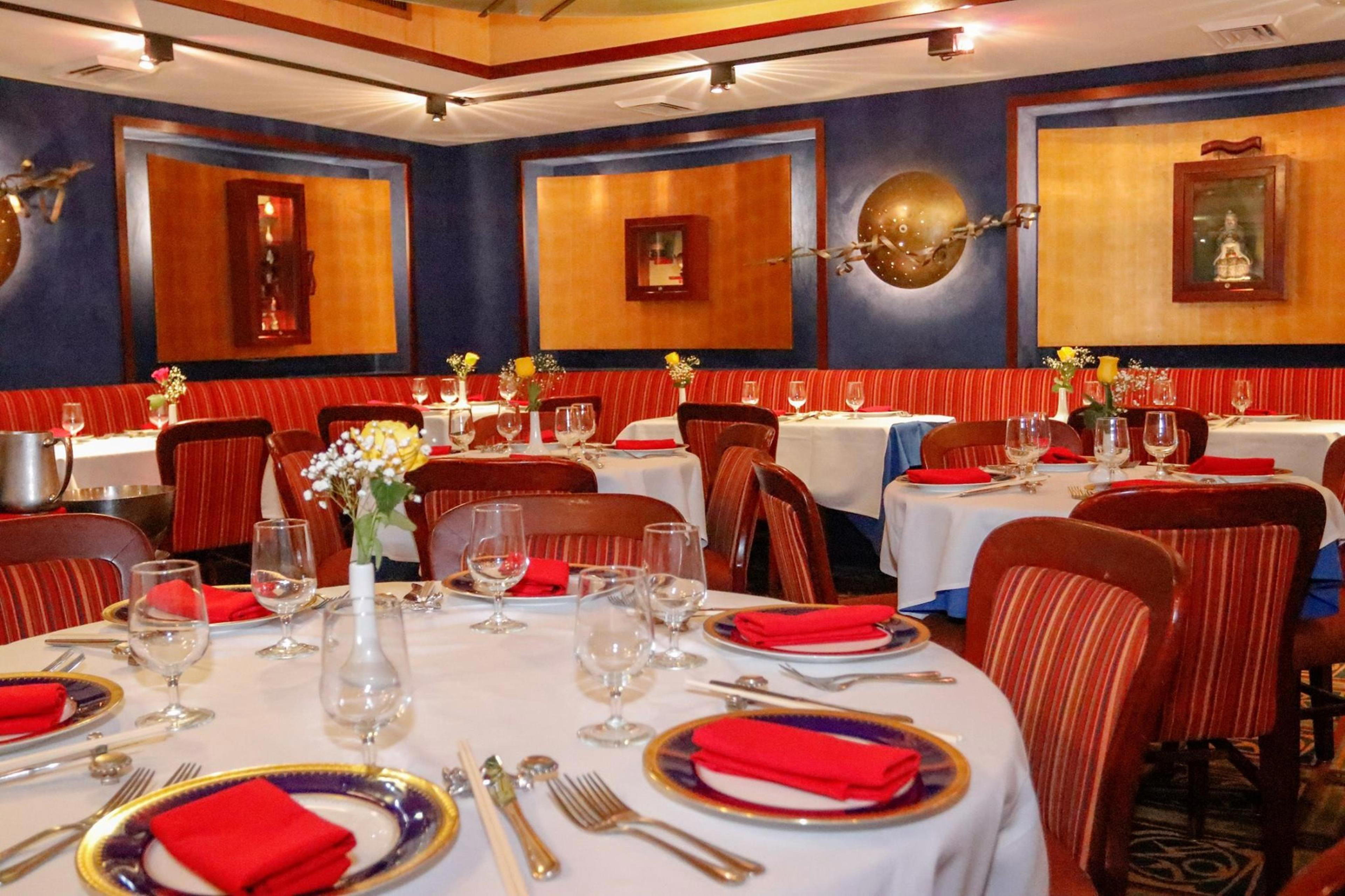
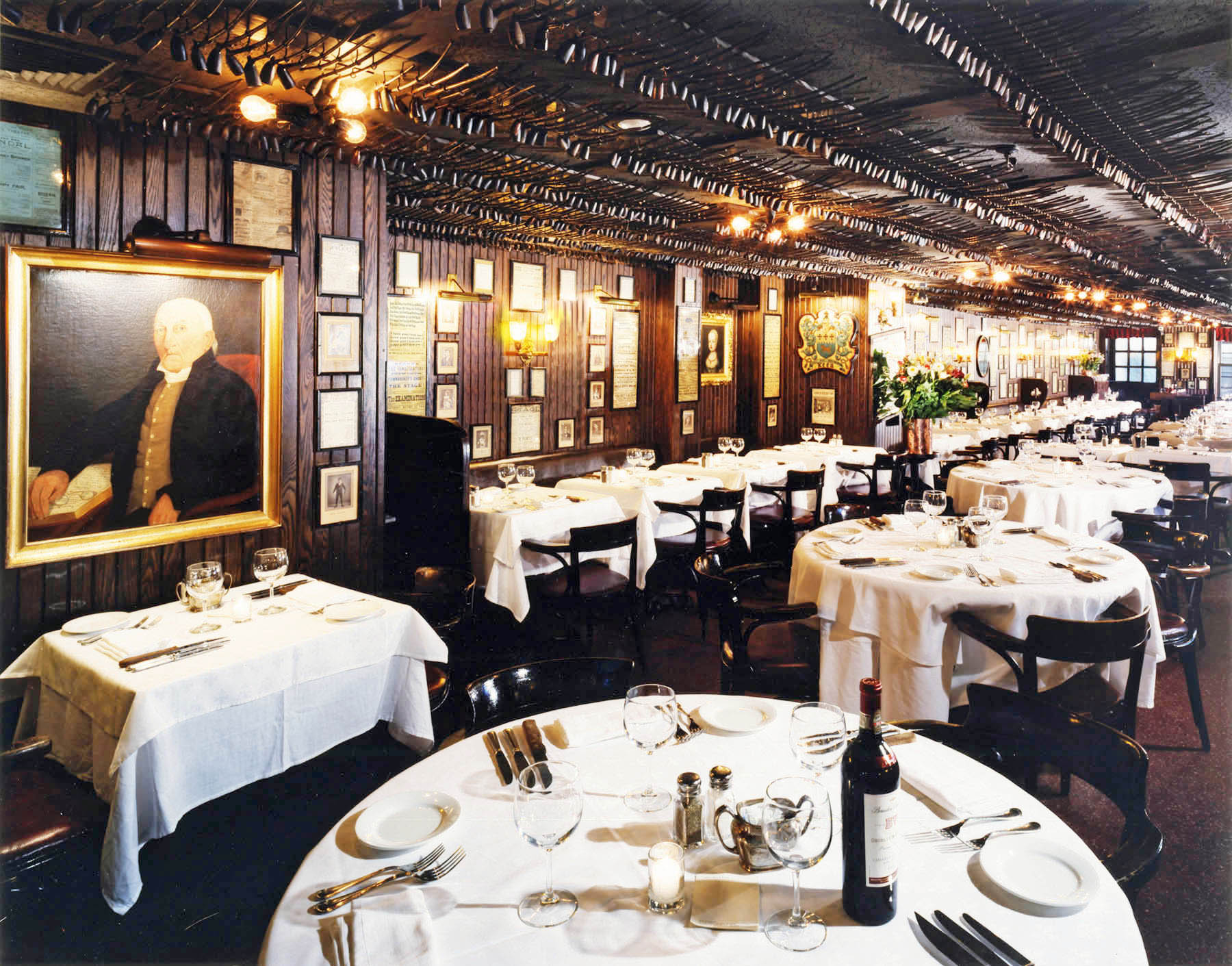
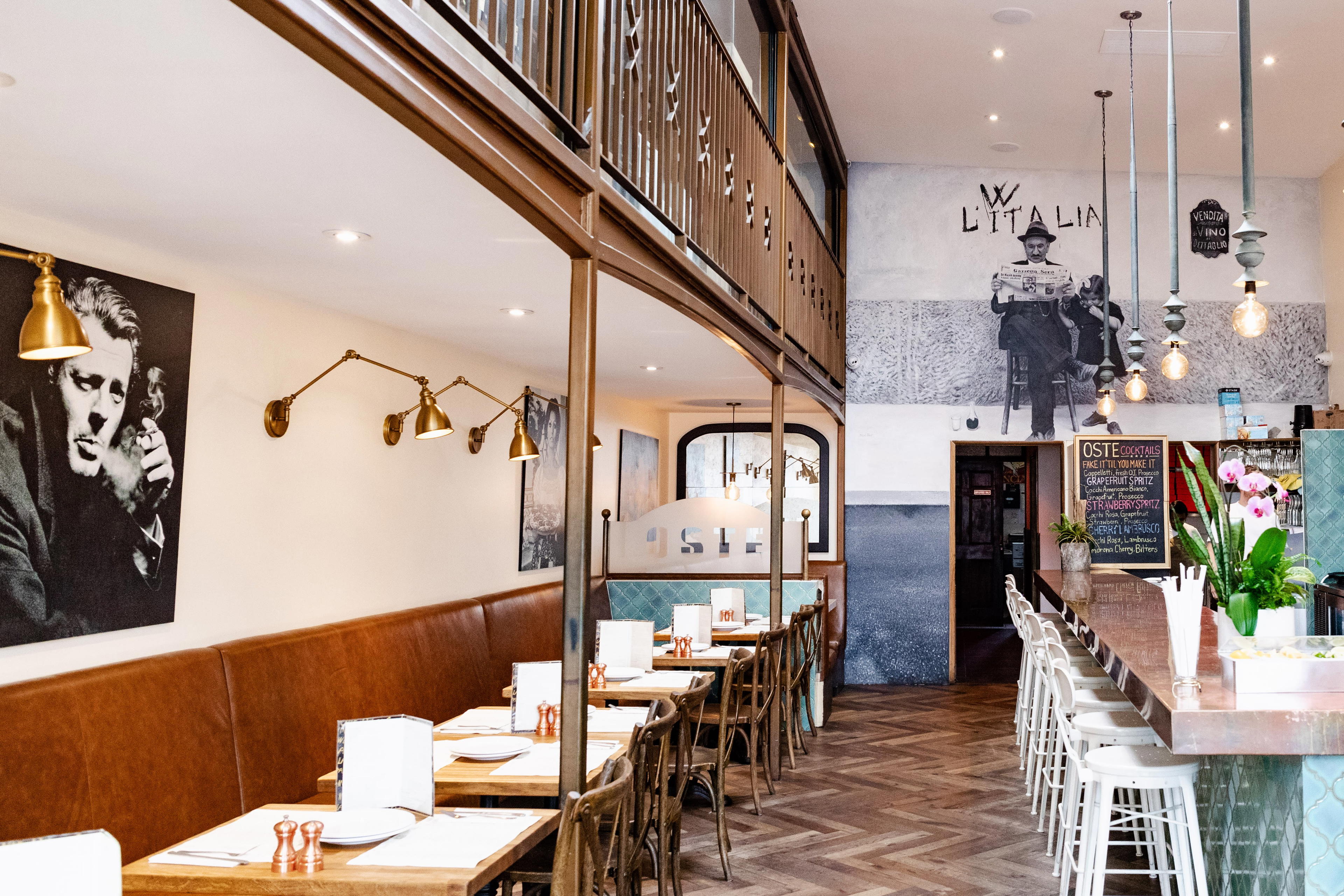
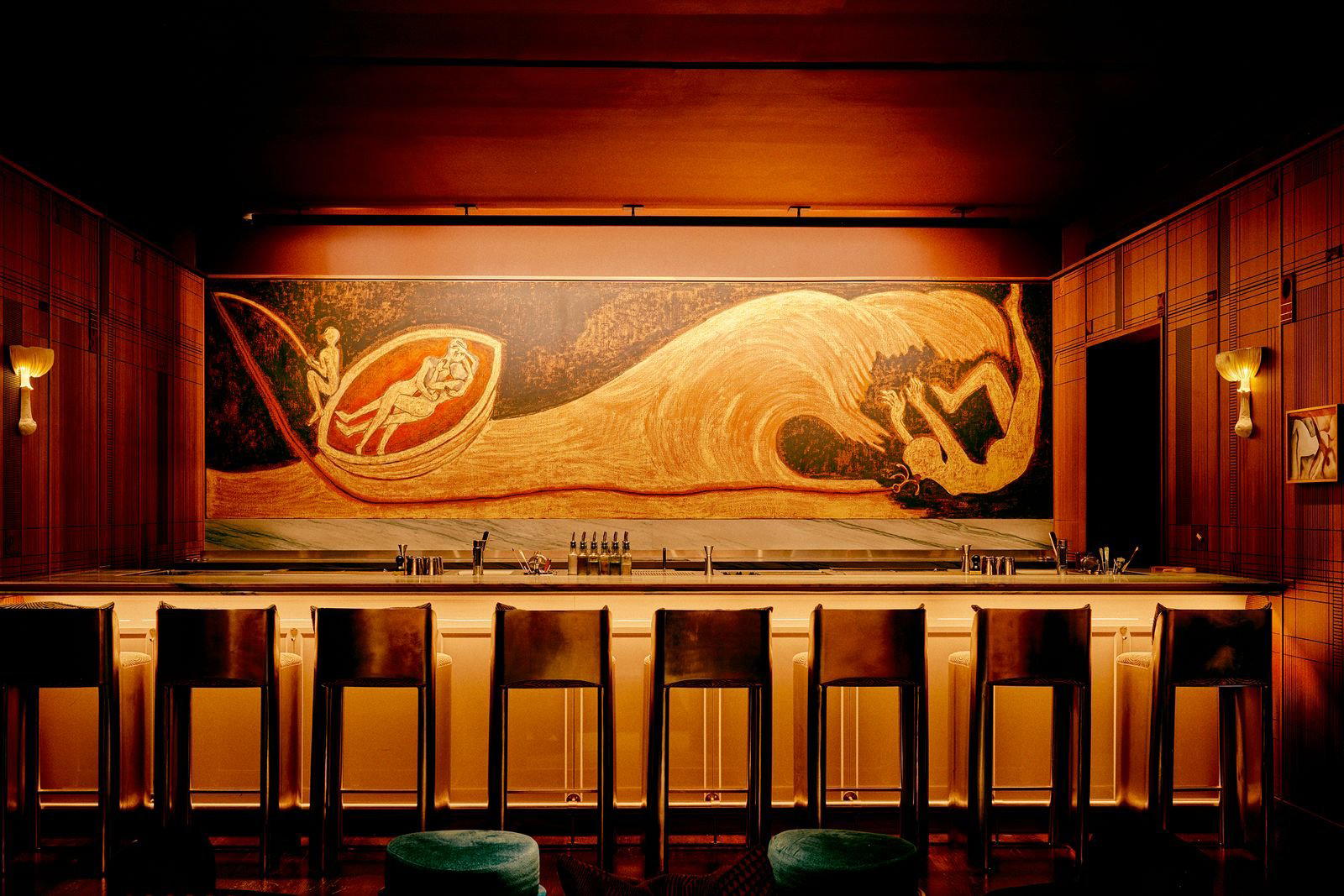
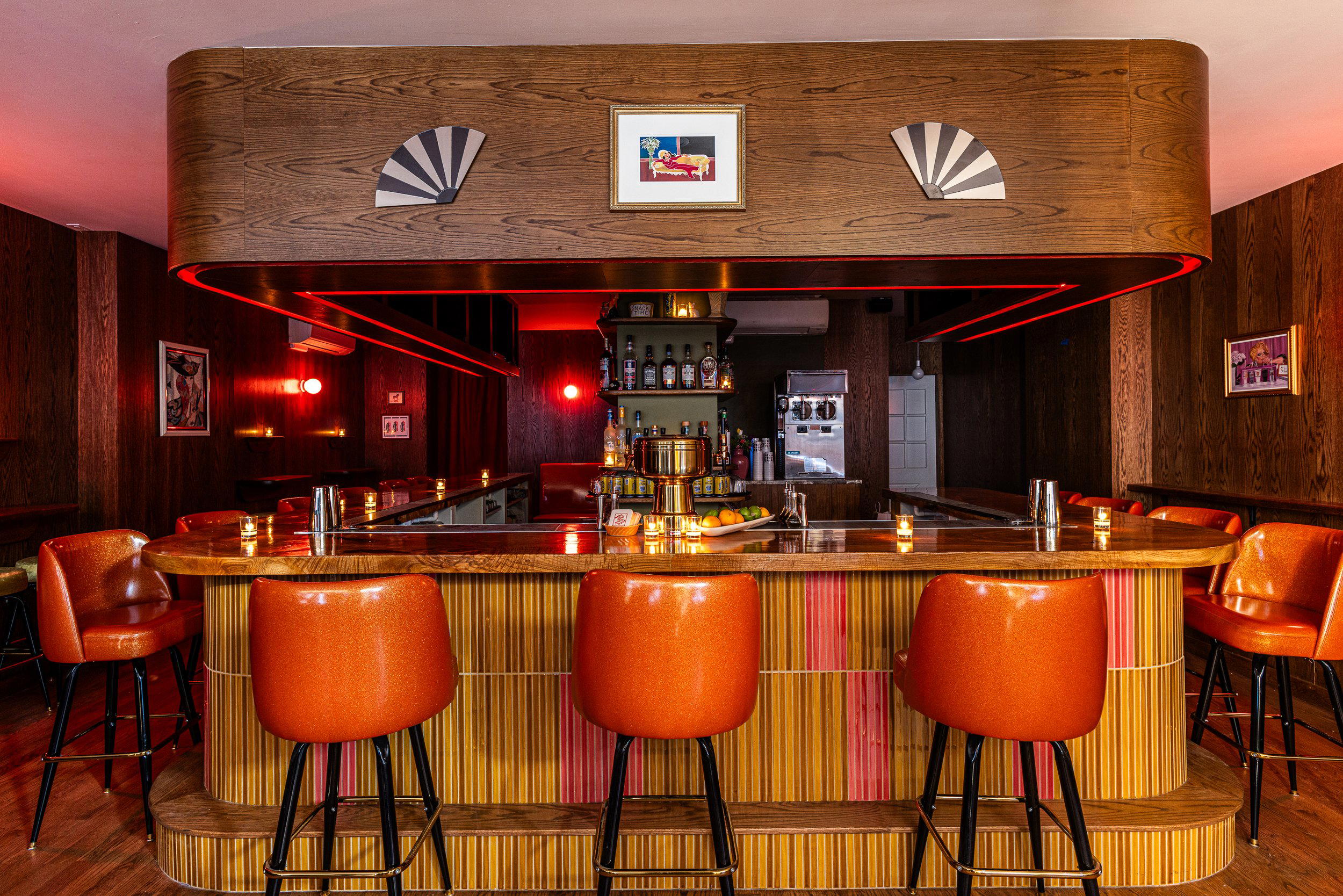
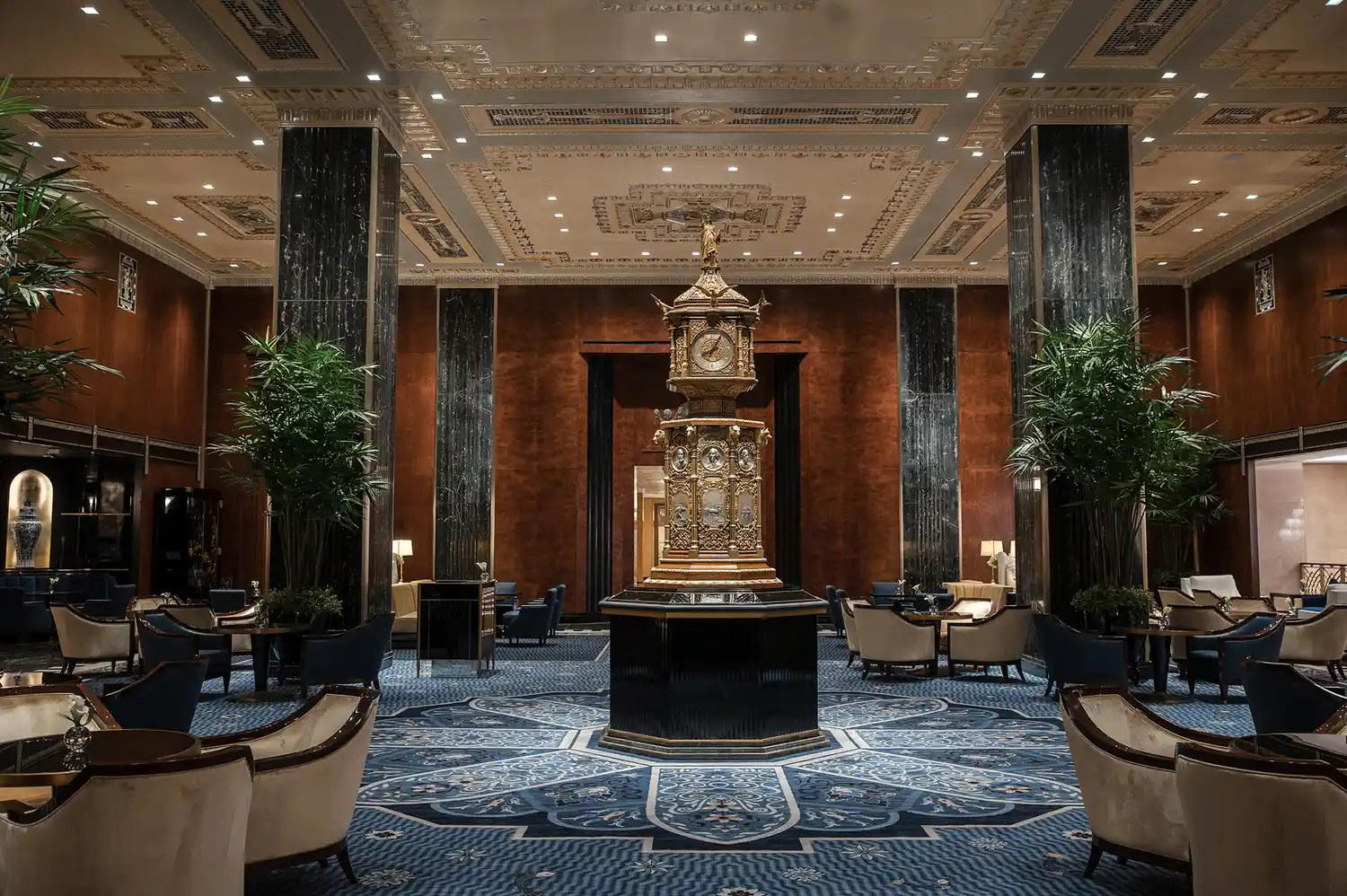
Elegant and exotic with black and red accents, illuminated golden dragon motif, white tablecloths, and classic fine dining atmosphere; decor described as tired and dated by recent visitors.