
Shokunin Kan belongs to the rural Nagano soba tradition rather than the city-counter school of Japanese dining. Its Tabelog 100 Soba EAST 2025 selection, 34-seat scale, sake focus, tatami setting, and house-restaurant character place it in the serious regional category, where buckwheat, water, seasonality, and access matter as much as polish.
Pearl is the En Primeur Club membership app — saves, bookings, and concierge access live there. Same editors, same standards.
- Address
- 長野県佐久市春日3250-3
- Phone
- +81267522010
- Website
- tabelog.com
- Directions
- Get directions
 Saves & bookings on Pearl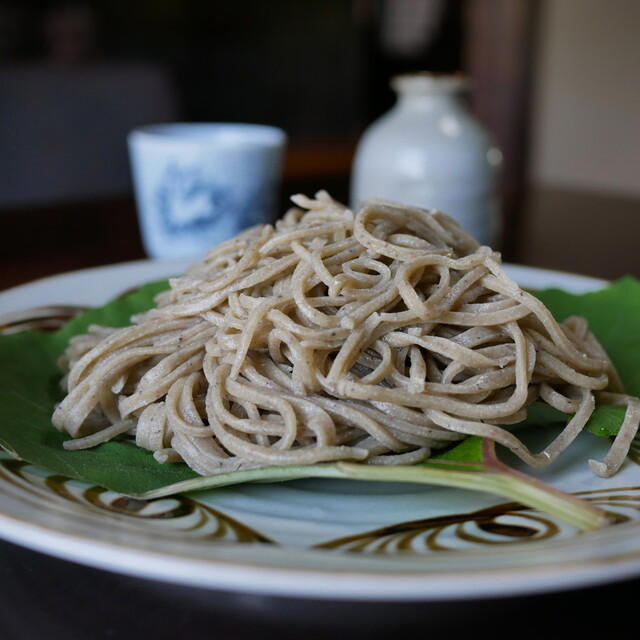
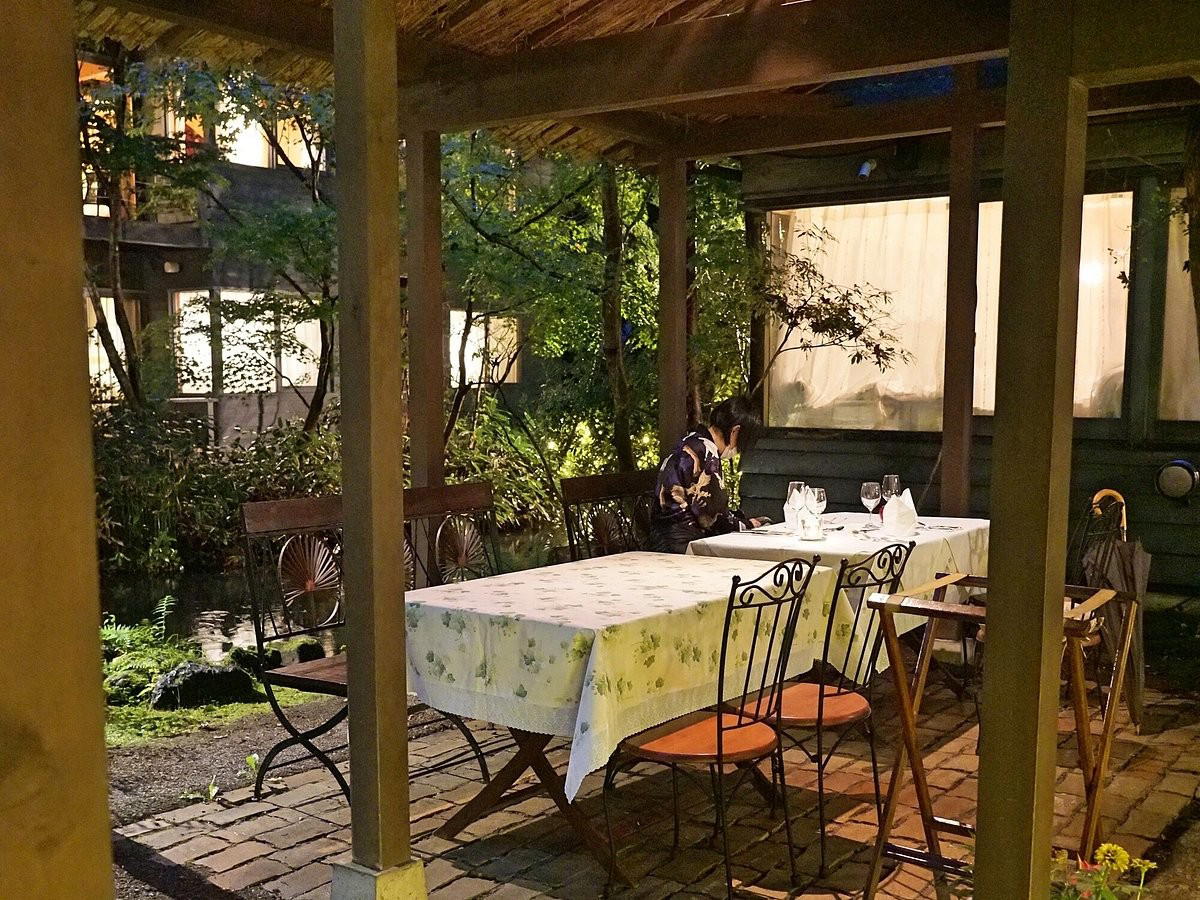
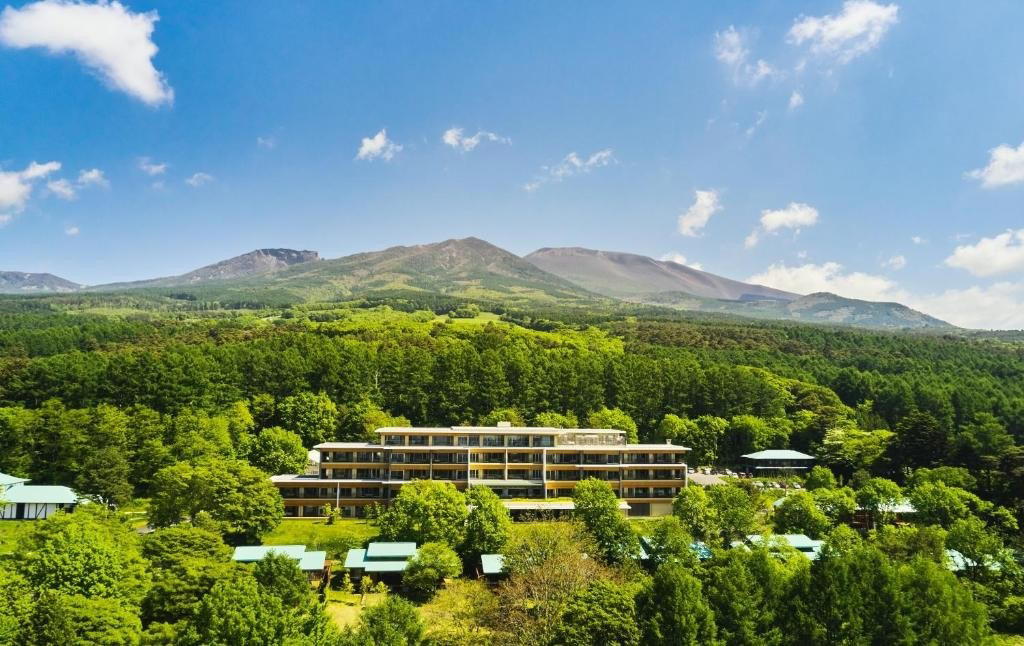
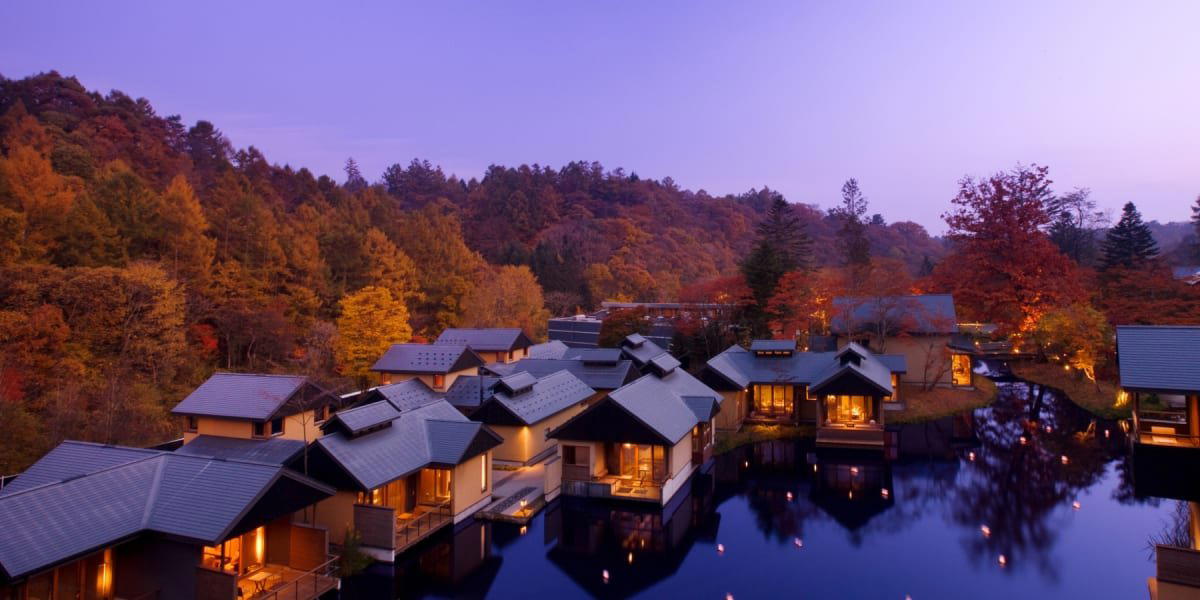
The approach to Kasuga, in Saku’s mountain-side Nagano countryside, explains part of the meal. This is not urban soba with quick turnover near a station, but a rural house-restaurant with tatami rooms, a no-smoking room, parking, and a setting noted for its view and retreat-like feel. In Nagano, that context matters. Soba is tied to altitude, cold winters, clean water, and buckwheat culture, so the setting is not decorative; it is part of the argument.
Shokunin Kan sits at the serious end of that argument. Selection for Tabelog 100 Soba EAST 2025 places it among regionally watched soba addresses, not casual noodle shops, and earlier selections in 2017, 2018, and 2022 show repeat recognition across cycles. The point is not trophy collecting. For soba, sustained attention signals consistency in sourcing, milling discipline, noodle handling, and the surrounding meal. In a category where small changes in grain, water, drying, and timing register quickly, consistency is the credential.
Nagano soba, judged by grain and place rather than city gloss
Japan’s soba culture splits between metropolitan specialists and country restaurants close to agricultural terrain. Tokyo counters often compete on precision, pacing, and scarcity. Rural Nagano rooms compete through access to buckwheat culture, a restrained format, and the ability to feel rooted without turning rusticity into theatre. Shokunin Kan belongs to this second camp.
Saku matters because of sourcing. Nagano has long been associated with soba because buckwheat grows well in cooler, less forgiving conditions, and the prefecture’s noodle culture needs none of the explanatory machinery attached to imported luxury ingredients. A serious soba meal turns on few variables: grain, grind, buckwheat-to-binder ratio, water, cut, and the moment noodles leave the kitchen. When the category is this spare, provenance matters more than menu breadth.
The venue’s sake emphasis also places it inside a broader Nagano dining pattern. Sake is not merely an add-on in regional soba restaurants; it often sets the tempo before noodles arrive and frames local mountain cooking. The listing’s specific attention to nihonshu suggests more than a bowl-and-go stop, especially with a dinner format built around a reserved course. The experience moves toward countryside dégustation, still within soba’s grammar rather than haute-cuisine borrowing.
For travellers comparing Saku options, the distinction is clear. Zingara operates in a lower everyday price band in the same city, while Shokunin Kan occupies a more deliberate soba category shaped by recognition, setting, and meal structure. One style is not better; they answer different needs: casual Saku dining versus destination soba.
The room keeps the meal in the countryside, not in a performance space
The room follows an old Japanese hospitality logic: remove distraction, slow the meal, and let origin speak. A 34-seat scale keeps it intimate without becoming a counter-only shrine. Tatami rooms and private-use availability create a house-restaurant atmosphere suited to families or small groups rather than a hushed urban tasting room. Private rooms are not part of the format, important for diners expecting fully separated seating.
There is a practical cultural point here. Rural Japanese restaurants can feel casual in architecture while carrying serious expectations around timing, payment, children, and course structure. That contrast catches travellers off guard. The setting may feel relaxed, but the meal is not as flexible as a station-front noodle shop. Children are generally welcomed, while small children are restricted in the venue’s own remarks, making this a considered family choice, not an automatic one.
Recognition also changes how to read the room. A Tabelog score of 3.72 in a specialist category, paired with Tabelog 100 Soba EAST 2025 selection, places the restaurant within Japan’s enthusiast-driven soba conversation. Tabelog scores can be conservative beside global rating platforms, and specialist noodle shops often sit outside Michelin-led fine-dining recognition. For travellers, the useful point is that the meal belongs to a Japanese domestic benchmark rather than an international luxury script.
How to place it in a Saku itinerary
Saku is not built around a single dining strip, so planning should start with geography, not appetite alone. The restaurant is in Kasuga, away from the easy station-adjacent rhythm of many Japanese meals. That isolation is part of the appeal, but it fits a day with a car, a Nagano countryside route, or a Saku-Karuizawa itinerary better than a last-minute urban dinner.
The meal is strongest for diners who care about soba as regional craft: buckwheat, water, milling, and restraint. It is weaker for travellers seeking a long wine-pairing dinner, a chef-led counter narrative, or a broad à la carte menu. The better comparison is not another luxury restaurant, but the difference between soba as a quick staple and soba as disciplined agricultural cuisine.
For broader trip planning, use our full Saku restaurants guide alongside our full Saku hotels guide, our full Saku bars guide, our full Saku wineries guide, and our full Saku experiences guide. Readers building a wider Japan food route can compare formats, from -Grilled beef Sukiyaki- KAMAKURA TANUKIAN 鎌倉 たぬき庵 in Kamakura. 鮪と炭火焼き うお炭 秋葉原店 in Tokyo.cafe in Osaka.know in Kumamoto, (Shoku) Vietnam in Kawasaki, [Curry Senmon Ten] Maruyama Kyoju. in Sapporo, [ki:] in Kyoto, #肉といえば松田 奈良本店 in Kashihara, 1/3 HAMBURGER FACTORY in Kanazawa, and 1000 in Yokohama. For sake-led comparisons outside Japan, Jōdo Saké Bar in Los Angeles and Onigiri Time in Pasadena show how Japanese casual formats travel differently when removed from their agricultural base.
The editorial verdict is narrow and useful: this is for travellers who want Nagano soba treated as place-specific craft, not as a side note between temples and trains. Its credibility comes from repeated domestic recognition, a focused buckwheat category, sake attention, and a rural room that keeps the meal close to its source.
Fast Comparison
Comparable venues by cuisine and price in the same metro.
| Venue | Cuisine | Price | Notes |
|---|---|---|---|
| Shokunin Kan | Farm-to-table soba (buckwheat noodles) in rural Nagano | $$$ | Saku (former Mochizuki area) |
| Zingara | Neapolitan Pizza & Southern Italian | $$ | Not listed |
| 天ぷら はやし | Traditional Tempura | $$$ | 経堂 |
| 竹彩 | 鉄板焼き | $$$ | 秋月町 |
| Yakitori 58 | Modern Yakitori & Local Yamanashi Sake | $$$ | Chuo, Kofu |
| Yakiniku Sumikou | Aged Sendai Wagyu Yakiniku | $$$ | Shimo-Wada-machi |
Recognition history
Dated appearances from independent guides and award organizations, with the underlying list record or original source where available.
Tabelog 100 #16 · No. 16
Tabelog · Tabelog 100 - Soba - EAST - 2025

At a Glance
- Rustic
- Scenic
- Cozy
- Classic
- Family
- Group Dining
- Special Occasion
- Casual Hangout
- Standalone
- Historic Building
- Design Destination
- Sake Program
- Farm To Table
- Organic
- Local Sourcing
- Mountain
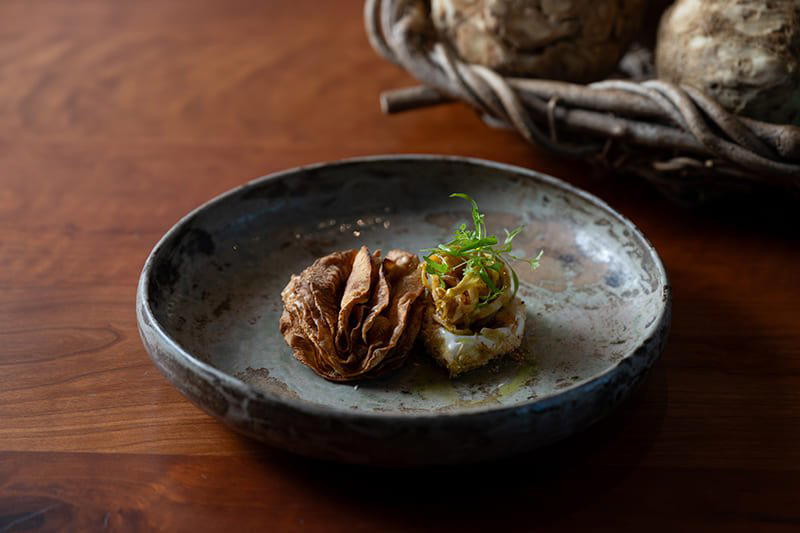
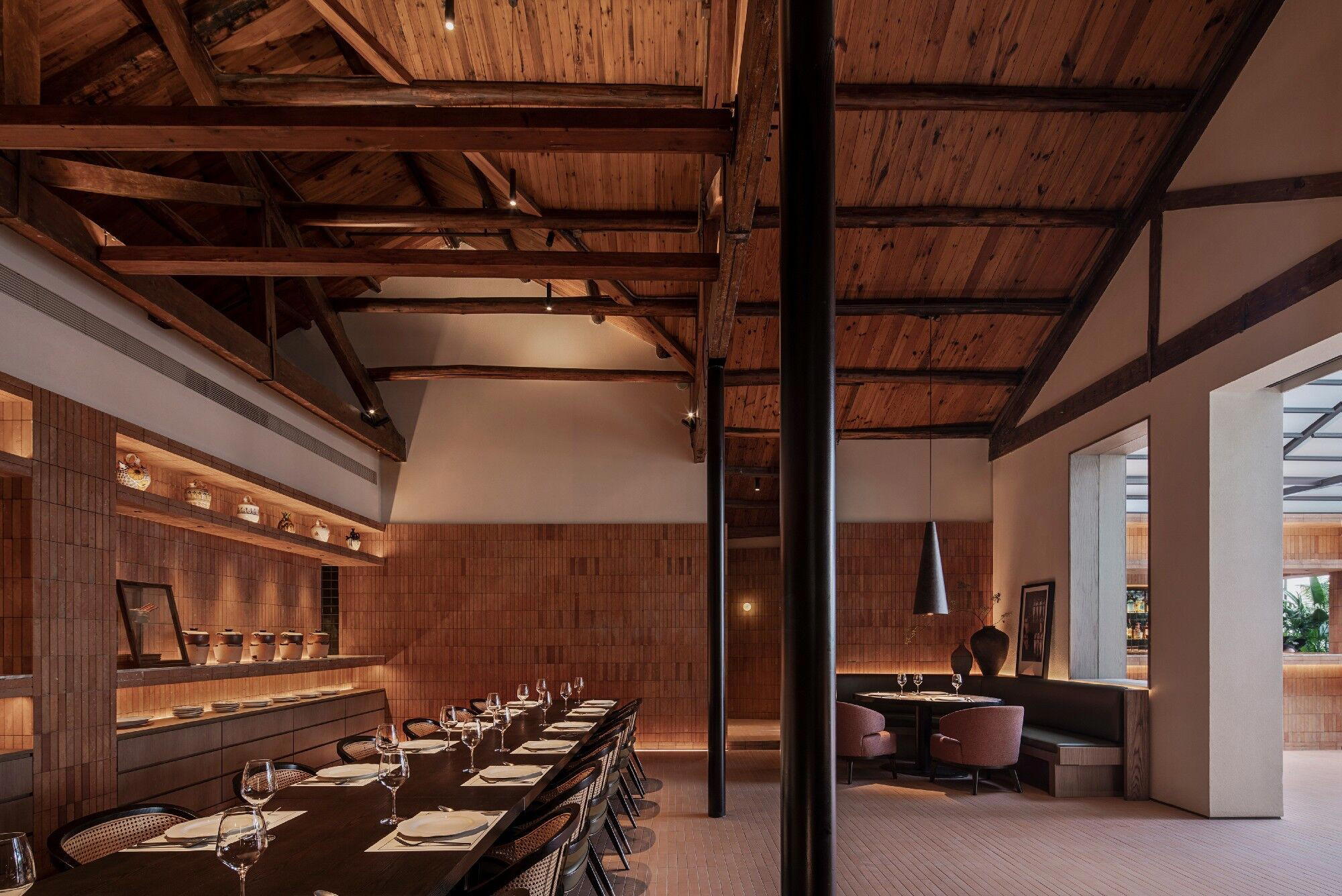
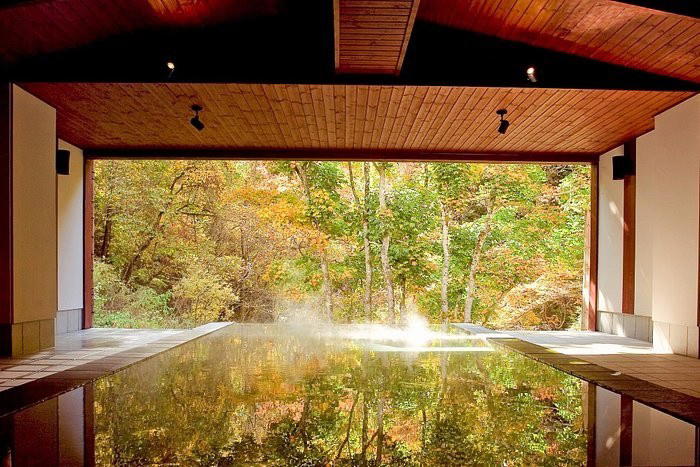
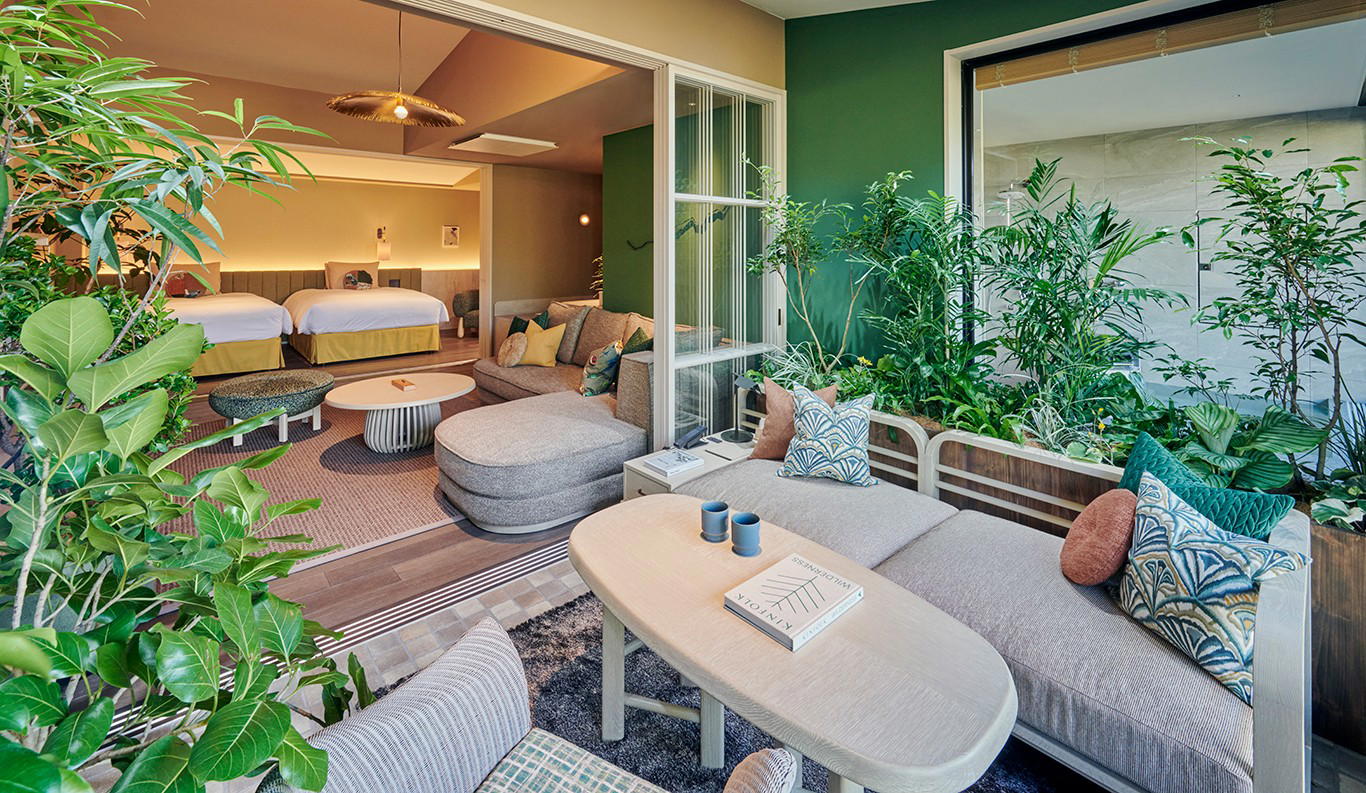
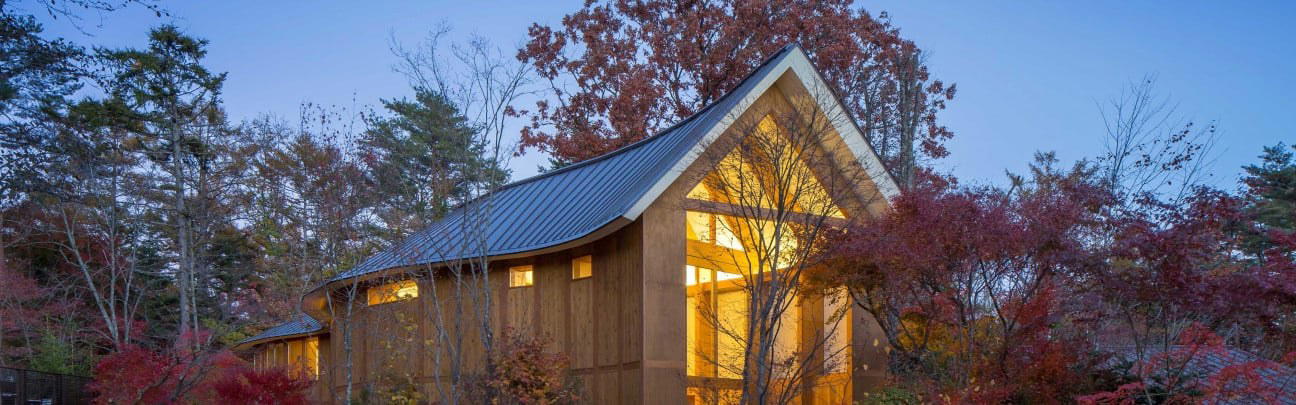
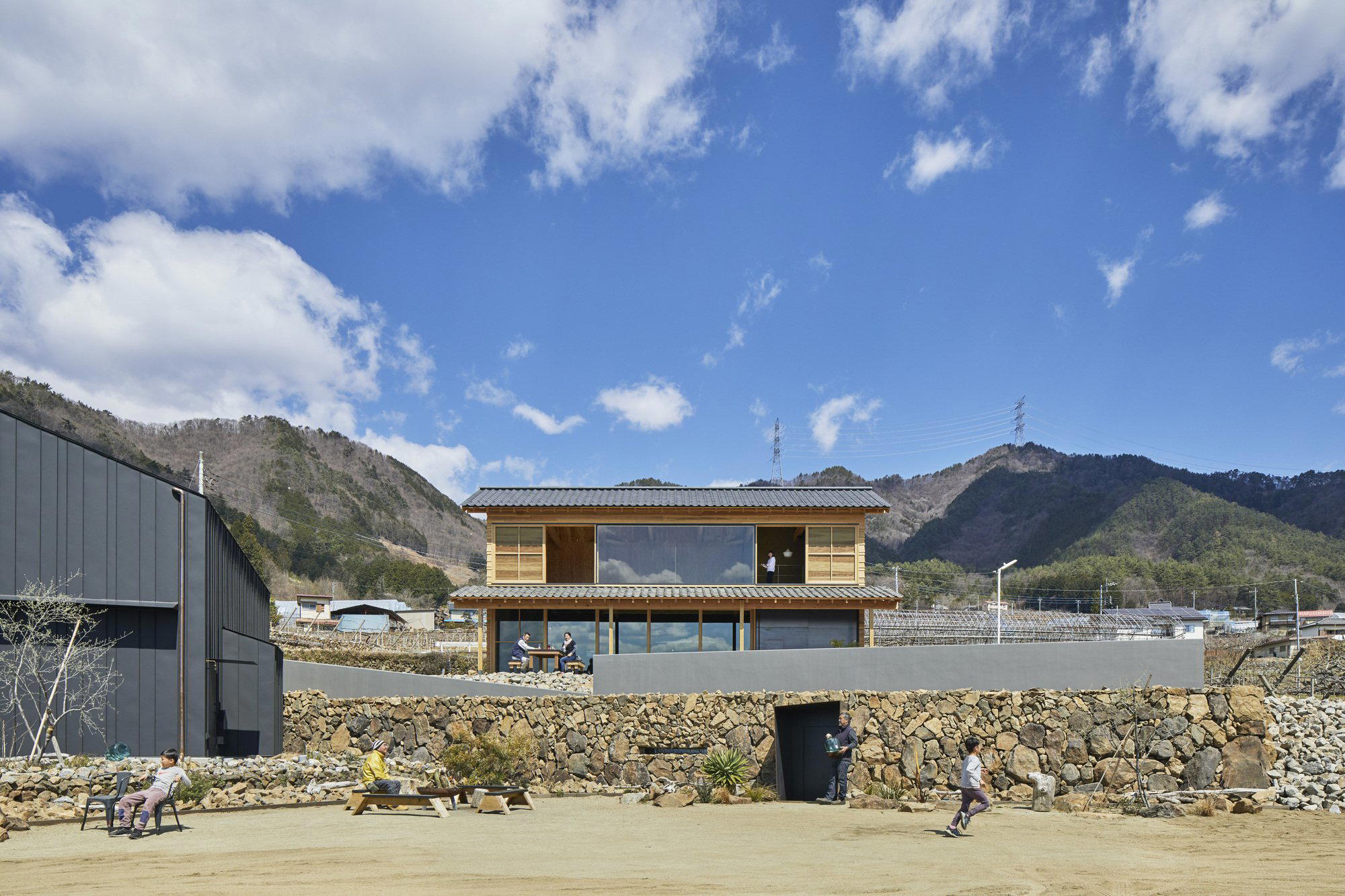
Relaxed and rustic, with tatami rooms and a house-like setting surrounded by nature, giving a quiet, hideout feel that emphasizes craftsmanship and the beauty of the countryside.