
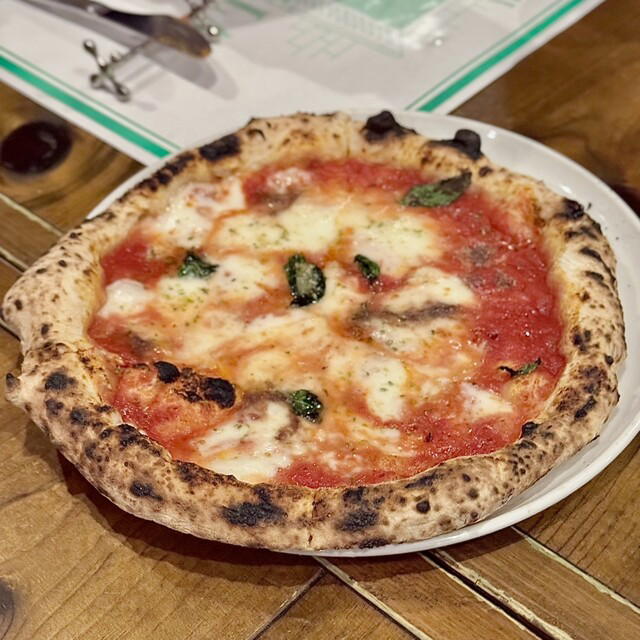
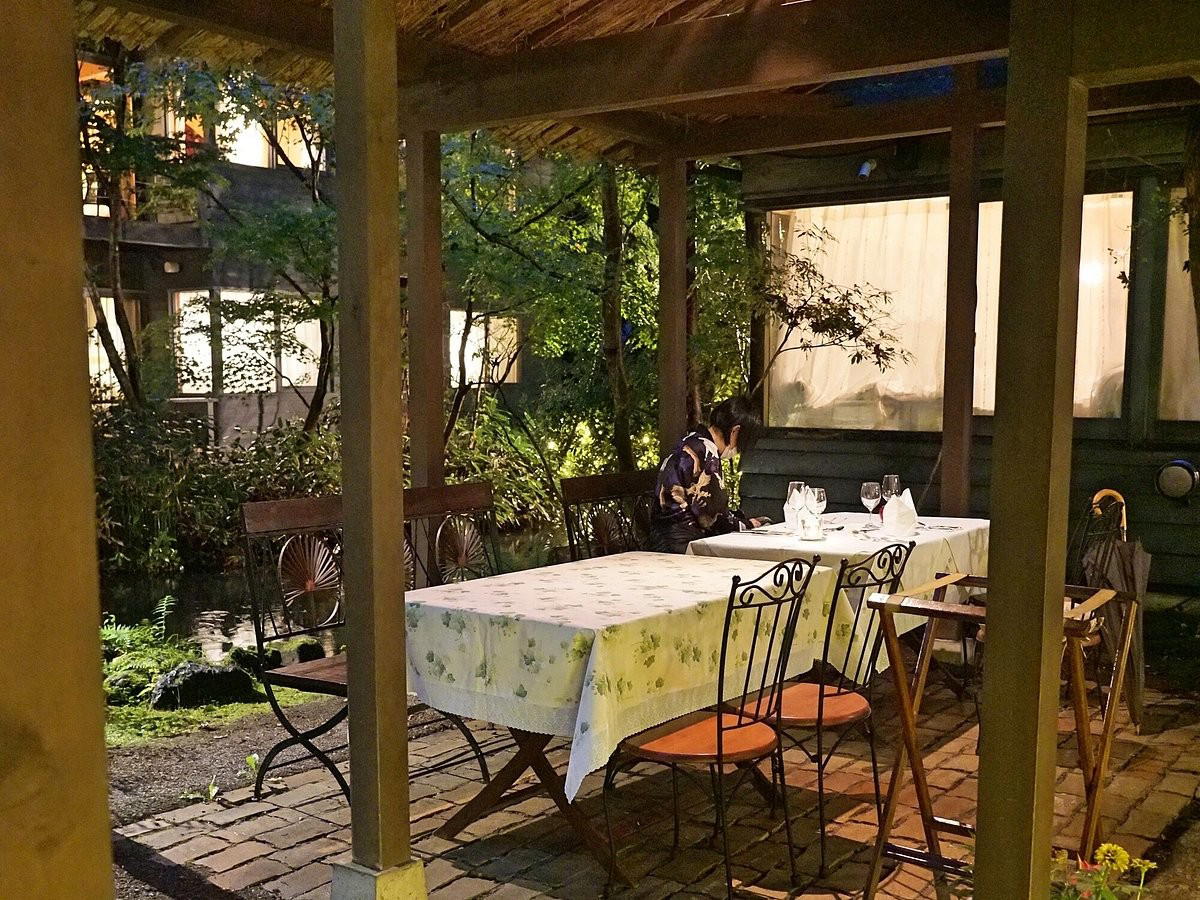
Zingara gives Saku a serious pizza address outside Japan’s big-city dining circuits, with Tabelog 100 Pizza 2025 recognition and a 3.72 score placing it in a national conversation rather than a purely local one. The draw is the format: pizza and Italian cooking in a house-restaurant setting, with wine, cocktails, counter seating, takeout, and enough flexibility for families, dates, or a low-key meal with friends.
Pearl is the En Primeur Club membership app — saves, bookings, and concierge access live there. Same editors, same standards.
- Address
- 長野県佐久市上平尾691-4
- Phone
- +81267678770
- Website
- pizzazingara.jp
- Directions
- Get directions
 Saves & bookings on Pearl
Approaching a house restaurant in Saku changes the way pizza is read. The category is often judged through urban cues: counter heat, imported flour, quick turnover, tight rooms. In Nagano, the frame widens. Mountains, farmland, fruit orchards, dairy country, and cold winters all shape expectations before a menu appears. Zingara sits inside that slower regional register, not as a rustic novelty, but as proof that Japan’s pizza culture now reaches well beyond Tokyo and Osaka.
That matters because pizza in Japan has split into two tracks. One track chases Naples with strict technical fidelity. The other absorbs local dining habits: smaller groups, multi-purpose rooms, wine alongside casual Italian plates, and service patterns that work for families as easily as couples. Saku’s version leans toward the second reading. The value is not only the dough or the oven, though those are the obvious tests. It is the way an Italian format fits a Nagano day, after a drive, a market stop, or a detour through eastern Nagano rather than a night built around a metropolitan reservation.
Nagano ingredients make the pizza conversation more serious
Nagano has long made sense for restaurants that care about produce. The prefecture’s altitude and temperature swings support fruit, vegetables, mushrooms, dairy, and wine culture, and those elements give Italian cooking a natural foothold. A pizzeria here does not need to imitate countryside Italy to feel coherent; the regional pantry already supplies the logic. When a pizza restaurant earns national attention from this setting, it suggests a broader shift in Japanese Italian dining: quality is no longer concentrated only where rent, media, and chef migration gather.
Zingara’s selection for Tabelog 100 Pizza 2025 is the key trust signal. The list is category-specific, which is useful: it measures the restaurant against other pizza specialists rather than folding it into a general Italian ranking. The Tabelog score of 3.72 reinforces that this is not merely a convenient local address. In a city such as Saku, where destination dining is less dense than in Tokyo or Kyoto, that recognition carries extra weight because the restaurant has to pull attention without the constant foot traffic and critic saturation of a major dining district.
The comparison inside Saku is also instructive. A restaurant such as Shokunin Kan points toward the area’s craft-led dining identity, while Zingara shows how a familiar international format can participate in the same regional seriousness. For readers mapping the wider area, our full Saku restaurants guide gives the broader dining context, while our full Saku hotels guide, our full Saku bars guide, our full Saku wineries guide, and our full Saku experiences guide help place the meal inside a longer Nagano itinerary.
A house-restaurant format keeps the meal flexible
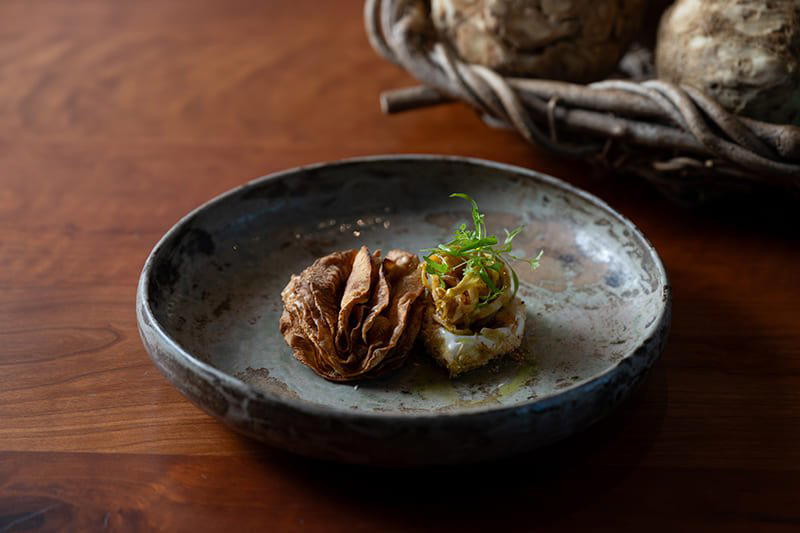
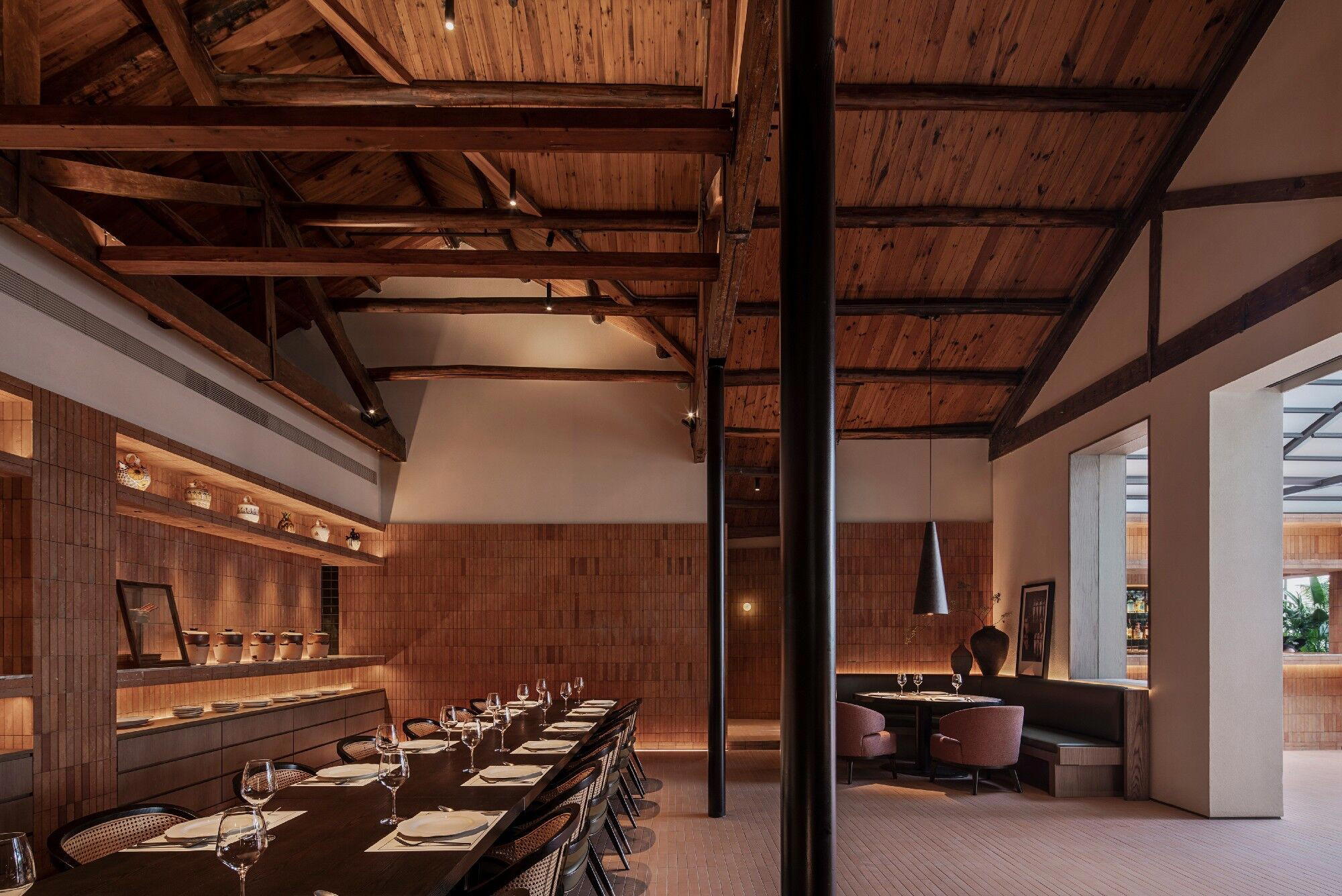
The room format tells its own story. Counter seating signals pizza as craft watched up close, while table seating keeps the restaurant usable for families and small groups. Private rooms are not part of the setup, so the appeal is less about seclusion than about a relaxed, mixed-use dining room. Non-smoking status, children welcome, takeout service, BYO drinks, wine, and cocktails all point to a restaurant that has adapted Italian casual dining to a Japanese regional rhythm.
This flexibility is a strength. In big-city pizzerias, the experience can become narrowly performative: sit, watch the oven, eat quickly, leave. Here, the house-restaurant setting makes the category feel less pressured. The venue works for a date, but it is not only date-night dining. It works for friends, but not only as a casual fallback. It works for families because the structure allows children, while the Tabelog 100 recognition keeps the meal from feeling like a compromise.
Logistics matter in Saku more than they do in a rail-dense neighborhood. The restaurant is associated with Iwamurada Station, but eastern Nagano dining often rewards travelers who think by car rather than by platform alone. Parking availability changes the calculation: this is a viable stop within a regional route, not just a restaurant for those already nearby. Lunch operates on a first-come basis, while dinner is the meal to plan ahead for; that split suits a pizzeria with both local regularity and national list recognition.
Where it fits in a Japan itinerary
For travelers building a Japan dining map, Zingara belongs to the category of regional addresses that broaden the usual circuit. Tokyo, Kyoto, Osaka, and Fukuoka will always dominate first-pass restaurant planning, but places such as Saku show how much of Japan’s contemporary food culture is now happening between the major nodes. Pizza is a useful lens because it exposes technique quickly, but it also reveals how a restaurant thinks about locality, pacing, and hospitality.
The broader national picture is worth keeping in view. A trip might compare the regional calm of Saku with beef-focused dining at -Grilled beef Sukiyaki- KAMAKURA TANUKIAN 鎌倉 たぬき庵 in Kamakura, casual seafood and charcoal cooking at. 鮪と炭火焼き うお炭 秋葉原店 in Tokyo, cafe culture at.cafe in Osaka, or contemporary regional dining at.know in Kumamoto. Other useful contrasts include (Shoku) Vietnam in Kawasaki, [Curry Senmon Ten] Maruyama Kyoju. in Sapporo, [ki:] in Kyoto, #肉といえば松田 奈良本店 in Kashihara, 1/3 HAMBURGER FACTORY in Kanazawa, and 1000 in Yokohama. For readers extending the Japanese food thread abroad, Jōdo Saké Bar in Los Angeles and Onigiri Time in Pasadena offer a useful diaspora counterpoint.
The editorial case is clear: Zingara is not interesting because pizza in Nagano sounds unexpected. It is interesting because the format has matured enough in Japan that a Saku house restaurant can be judged in a national pizza category and still feel tied to its region. That is the kind of address that rewards travelers who build meals around place, not only around fame.
In Context: Similar Options
Comparable venues by cuisine and price in the same metro.
| Venue | Cuisine | Price | Notes |
|---|---|---|---|
| Zingara | Neapolitan Pizza & Southern Italian | $$ | Not listed |
| Shokunin Kan | Farm-to-table soba (buckwheat noodles) in rural Nagano | $$$ | Saku (former Mochizuki area) |
| Mr. Maurice’s Italian | Modern American-Style Italian Osteria | $$ | 中京区 |
| SAVOY Classic (SAVOY クラシック) | Neapolitan Pizza | $$ | Azabu Juban |
| The Kitchen | Neapolitan Pizza & Italian | $$ | Shimogyo-ku |
| SAVOY Tomato & Cheese (SAVOY とまととちーず) | Neapolitan Pizza with Japanese Fusion | $$ | Azabujuban |
Recognition history
Dated appearances from independent guides and award organizations, with the underlying list record or original source where available.
Tabelog 100 #39 · No. 39
Tabelog · Tabelog 100 - Pizza - 2025


At a Glance
- Cozy
- Lively
- Rustic
- Family
- Casual Hangout
- Group Dining
- Date Night
- Celebration
- Standalone