Shiro Japanese Bistro

A Japanese bistro on Jones Avenue that occupies an interesting position in San Antonio's dining scene: Japanese technique applied to a relaxed, bistro-format setting far from the city's Tex-Mex and barbecue mainstream. The address places it in a walkable pocket north of downtown, making it a practical choice for those moving between the Pearl District and the River Walk corridor.
Pearl is the En Primeur Club membership app — saves, bookings, and concierge access live there. Same editors, same standards.
- Address
- 107 W Jones Ave, San Antonio, TX 78215
- Phone
- +12105851863
- Website
- shirossan.com
- Directions
- Get directions
 Saves & bookings on Pearl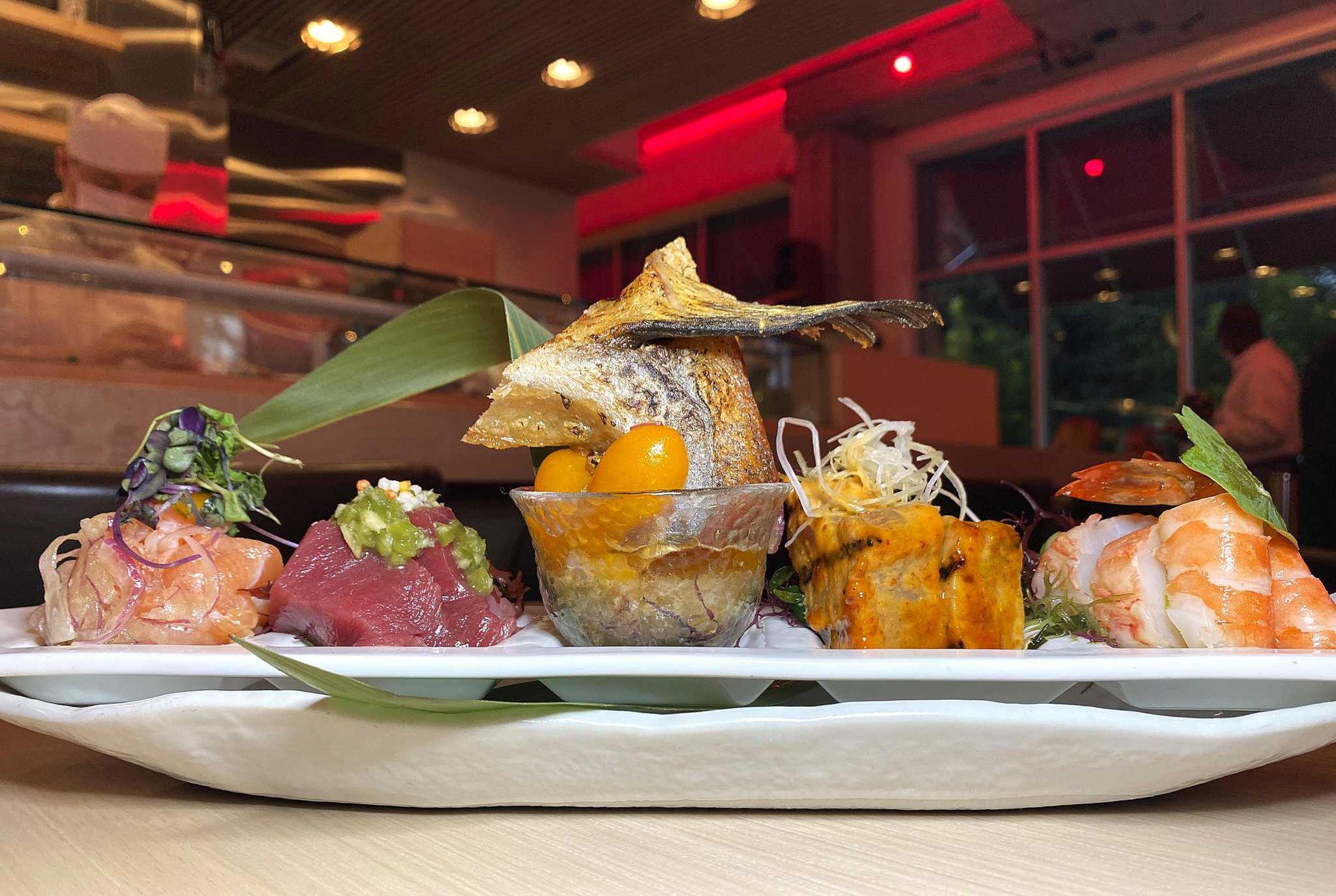
Where Japanese Discipline Meets a Bistro Register
Shiro Japanese Bistro is an Authentic Japanese Sushi Bistro in San Antonio, Texas, at 107 W Jones Ave. San Antonio's dining scene has historically been defined by its Mexican and Tex-Mex foundations, with a barbecue current running underneath everything. Japanese restaurants in this city tend to occupy one of two positions: high-volume sushi operations aimed at suburban dinner crowds, or small, deliberate counters serving a narrower audience. The bistro label Shiro applies to itself signals a third posture, somewhere between the informal roll-and-sashimi model and the austere omakase format.
That middle position is where some of the more interesting Japanese dining in American mid-sized cities has been happening. The bistro framing, borrowed from the French tradition of accessible but curated restaurants, translates in a Japanese context to something like izakaya formality without the volume and chaos. It implies a menu with range, a room that rewards a full evening rather than a quick pass, and a kitchen that is trying to say something without demanding ceremonial attention from the guest. For San Antonio specifically, where the competition for that dinner-occasion dollar includes strong contenders like Mixtli at the upper Mexican register and Isidore in the Texan contemporary space, the Japanese bistro slot is genuinely underoccupied.
The Arc of a Meal: How the Format Unfolds
The bistro structure, when applied well to Japanese cooking, tends to organize a meal as a progression from delicate to substantial, from raw to cooked, from single-ingredient clarity to more layered preparations. In Japanese cuisine broadly, this mirrors the kaiseki logic of sequencing, even when the setting drops the formal kaiseki apparatus. A thoughtful opening might move through lighter preparations, whether sashimi, dressed vegetables, or something cured, before advancing toward warmer dishes with more weight and fat. The mid-course range in this format is where a kitchen shows its range: the ability to hold precision in a sauced dish, to time protein correctly, to decide when a Western technique serves the ingredient and when it does not.
This kind of sequencing matters more in a bistro format than in a pure omakase counter, because the guest is making choices rather than surrendering to a set order. In the leading versions of the Japanese bistro, the menu is written so that a guest who reads it carefully ends up ordering a natural progression without needing a sommelier to guide them through it. The discipline required to achieve that through menu design, rather than through chef-directed omakase, is often underestimated. For context, this is the challenge that separates strong neighborhood Japanese bistros from their more passive counterparts, and it applies whether you are eating in San Antonio or in a comparable mid-sized American city.
The Japanese bistro format operates in deliberate contrast to that pressure, choosing accessibility over ceremony. In San Antonio, that contrast is especially readable: the city's dining formats tend toward the intensely local, as Mixtli's hyper-regional Mexican tasting menu demonstrates, or toward the casual end, as 2M Smokehouse shows in the barbecue category. The bistro format occupies the middle ground that both of those approaches leave open.
San Antonio's Position in the Wider Japanese Dining Map
Texas's Japanese dining scene has historically concentrated in Houston and Dallas, where larger Japanese-American communities and stronger corporate dining cultures created the customer base for serious sushi and ramen operations earlier than in San Antonio. San Antonio's Japanese dining has developed more slowly, which means that the early entrants into each format carry more definitional weight than they might in a city with a saturated market. A Japanese bistro that gets the format right in San Antonio is not competing against a deep field. It is, in some sense, establishing what the category means locally.
For comparison, consider how the Pearl District's arrival changed San Antonio's dining confidence across several categories simultaneously. The Pearl's development brought dining formats the city had not previously supported at scale, and operators who positioned correctly in that period built audiences that proved durable. Jones Avenue sits adjacent to that gravitational pull without being inside it, which places Shiro in a zone with genuine foot traffic potential but without the rent pressure or conceptual noise of being inside the Pearl itself. The 1Watson and 410 Diner represent the range of what the broader neighborhood supports, from the considered to the everyday, and Shiro reads as an attempt to plant a more specialized flag in that territory.
When you compare the Japanese bistro format across American cities, particularly successful versions tend to share a few structural traits: a menu that is long enough to reward return visits but disciplined enough to avoid incoherence, a drinks program that takes sake and Japanese whisky seriously without making it a performance, and a room that can carry both the quick weeknight dinner and the longer occasion meal. Shiro's address and format positioning suggest it is aiming at that model. For readers comparing this against higher-end references like Providence in Los Angeles or Single Thread Farm in Healdsburg, the register is different but the underlying intent, to build a meal with an arc, is shared.
Know Before You Go
Address: 107 W Jones Ave, San Antonio, TX 78215
Cuisine: Japanese Bistro
Price: About $40 per person
Reservations: Recommended
Hours: Mon: Closed; Tue: 4–10 PM; Wed: 4–10 PM; Thu: 4–10 PM; Fri: 4–11 PM; Sat: 4–11 PM; Sun: 12–3 PM, 4–9 PM
Getting There: Jones Avenue is accessible from downtown San Antonio; the address sits north of the River Walk corridor, within range of the Pearl District by car or ride-share
Price Lens
Comparable venues nearby, for context on price, style, and recognition.
| Venue | Cuisine | Price | Notes |
|---|---|---|---|
| Shiro Japanese BistroThis venue — the venue you are viewing | Not listed | $$$ | Not listed |
| Sushi Zushi | Northwest, Japanese Sushi Fusion | $$ | Not listed |
| TARDIF'S AMERICAN BRASSERIE | Not listed | $$$ | The Dominion, French Brasserie with Texas Flair |
| Aleteo | Not listed | $$$ | Convention Center District, Yucatán Fusion Rooftop |
| Pullman Market | Not listed | $$$ | River North District, Texas Farm-to-Market Eclectic |
| Frederick's Bistro | Shavano Park, French-Asian Fusion Bistro | $$$ | Not listed |
Recognition history
Dated appearances from independent guides and award organizations, with the underlying list record or original source where available.
James Beard Award Semi Finalist
James Beard Award
Continue exploring
More in San Antonio
Restaurants in San Antonio
Browse all →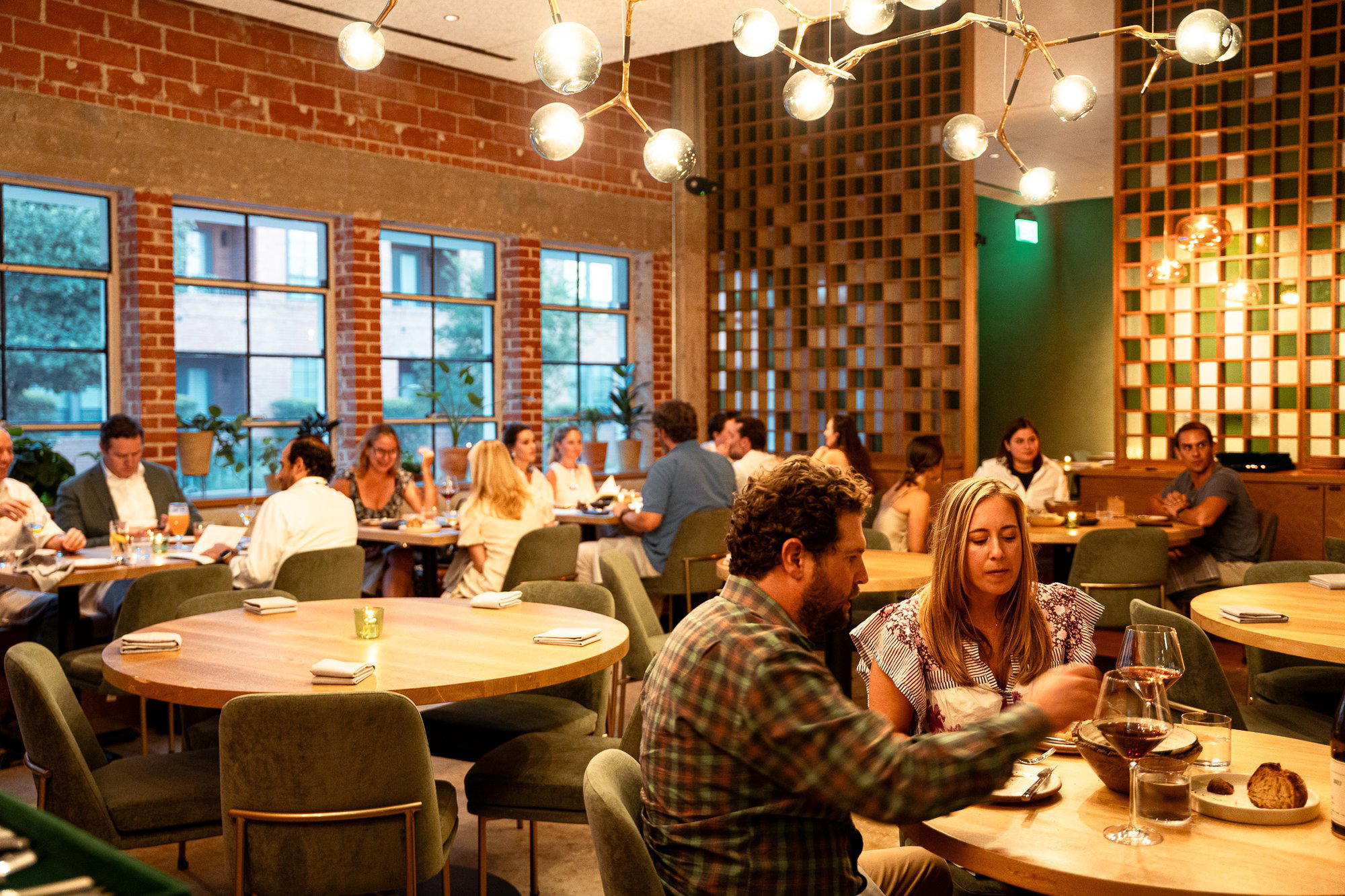
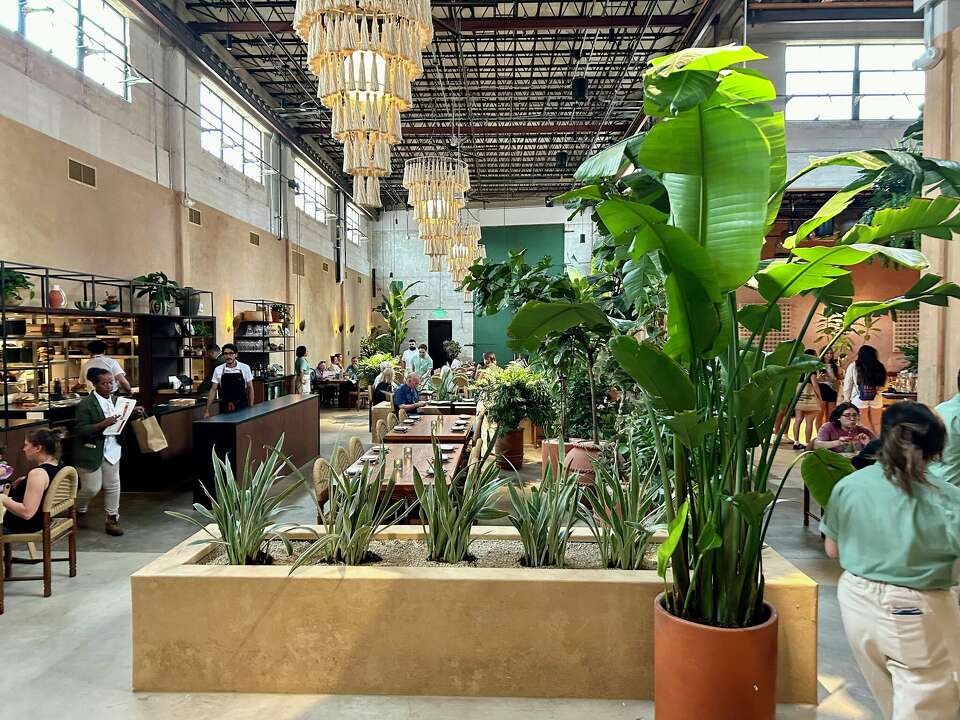
Bars in San Antonio
Browse all →
Hotels in San Antonio
Browse all →

Wineries in San Antonio
Browse all →
At a Glance
- Modern
- Elegant
- Cozy
- Date Night
- Casual Hangout
- Open Kitchen
- Sake Program
- Local Sourcing
- Street Scene
Current opening hours
- Monday
- Closed
- Tuesday
- 4–10 PM
- Wednesday
- 4–10 PM
- Thursday
- 4–10 PM
- Friday
- 4–11 PM
- Saturday
- 4–11 PM
- Sunday
- 12–3 PM, 4–9 PM
Hours can change for holidays and private events. Last verified .
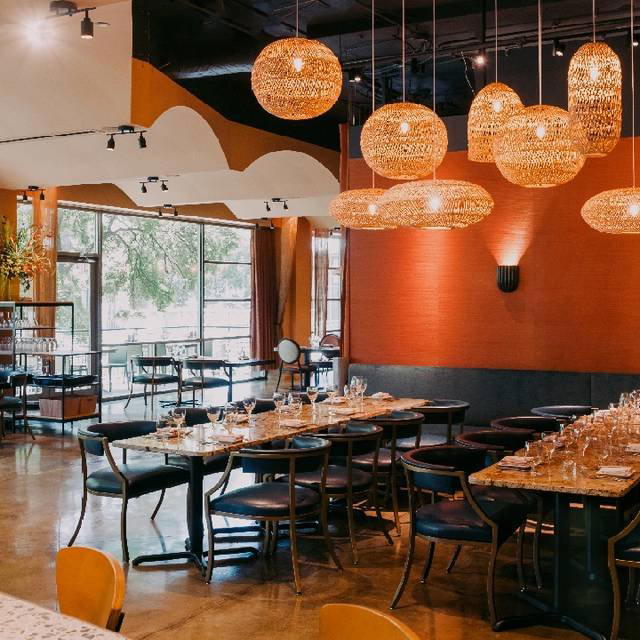
Sleek and full of light with cozy comfortable chairs, high-quality atmosphere without being stuffy.