Aleteo
Aleteo brings the cooking traditions of Mexico's Yucatán Peninsula to San Antonio's South Alamo corridor, anchored by mezcal-forward cocktails and a program built around raw and cured seafood. The address puts it inside the city's most visited cultural corridor, but the kitchen draws from a regional Mexican tradition that remains largely underrepresented in Texas dining rooms. For visitors approaching the city through its barbecue and Tex-Mex familiarity, Aleteo operates in a different register entirely.
Pearl is the En Primeur Club membership app — saves, bookings, and concierge access live there. Same editors, same standards.
- Address
- 222 S Alamo St, San Antonio, TX 78205
- Phone
- (210) 714-8200
- Website
- themonarchsa.com
- Directions
- Get directions
 Saves & bookings on Pearl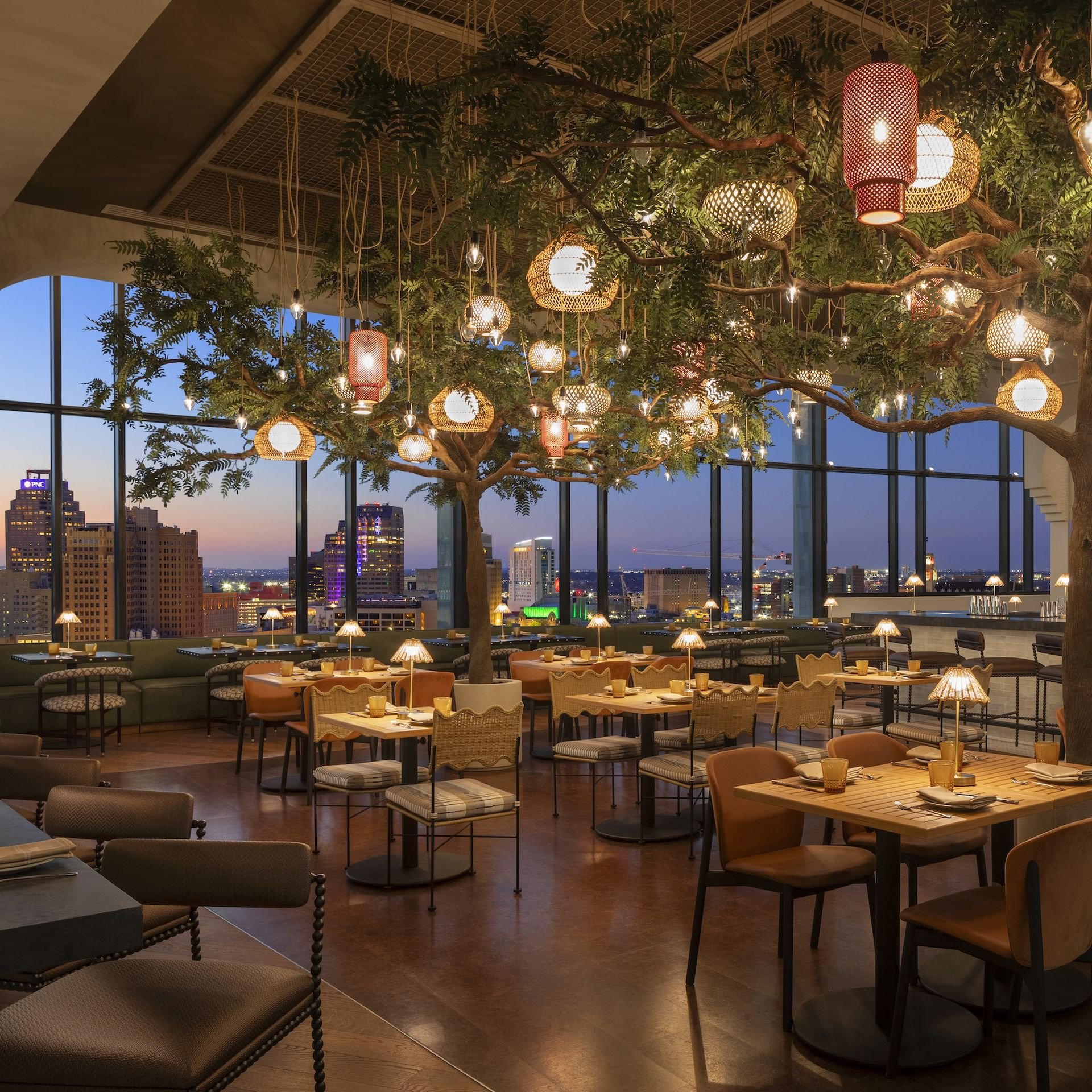
Where the Gulf Meets the Grill: Yucatán Cooking in San Antonio
South Alamo Street runs through the heart of San Antonio's museum and arts district, a corridor where the city's competing identities — colonial history, Tejano culture, tourist commerce — press up against each other at close quarters. The address at 222 S Alamo puts Aleteo squarely inside that friction zone, where visitors arrive expecting a certain version of the city and the kitchen offers something considerably more specific. Yucatán-inspired cooking has almost no established footprint in San Antonio, a city whose Mexican food identity runs heavily toward northern Mexican and Tex-Mex traditions. That regional gap is what gives Aleteo its clearest editorial argument.
The Yucatán Peninsula has one of the most distinct culinary profiles in Mexico, shaped by Mayan technique, achiote-based seasoning, slow pit cooking, and a coastline that produces some of the country's most prized seafood. These traditions diverge sharply from the flour-tortilla, cumin-and-chile grammar that defines most Mexican cooking north of the Rio Grande. When a restaurant attempts to work within that tradition in Texas, the sourcing questions become immediate: where does the seafood come from, how quickly does it move from water to plate, and does the raw-and-cured program reflect actual access to quality product or simply menu ambition?
The Sourcing Argument: Raw and Cured Seafood in a Landlocked City
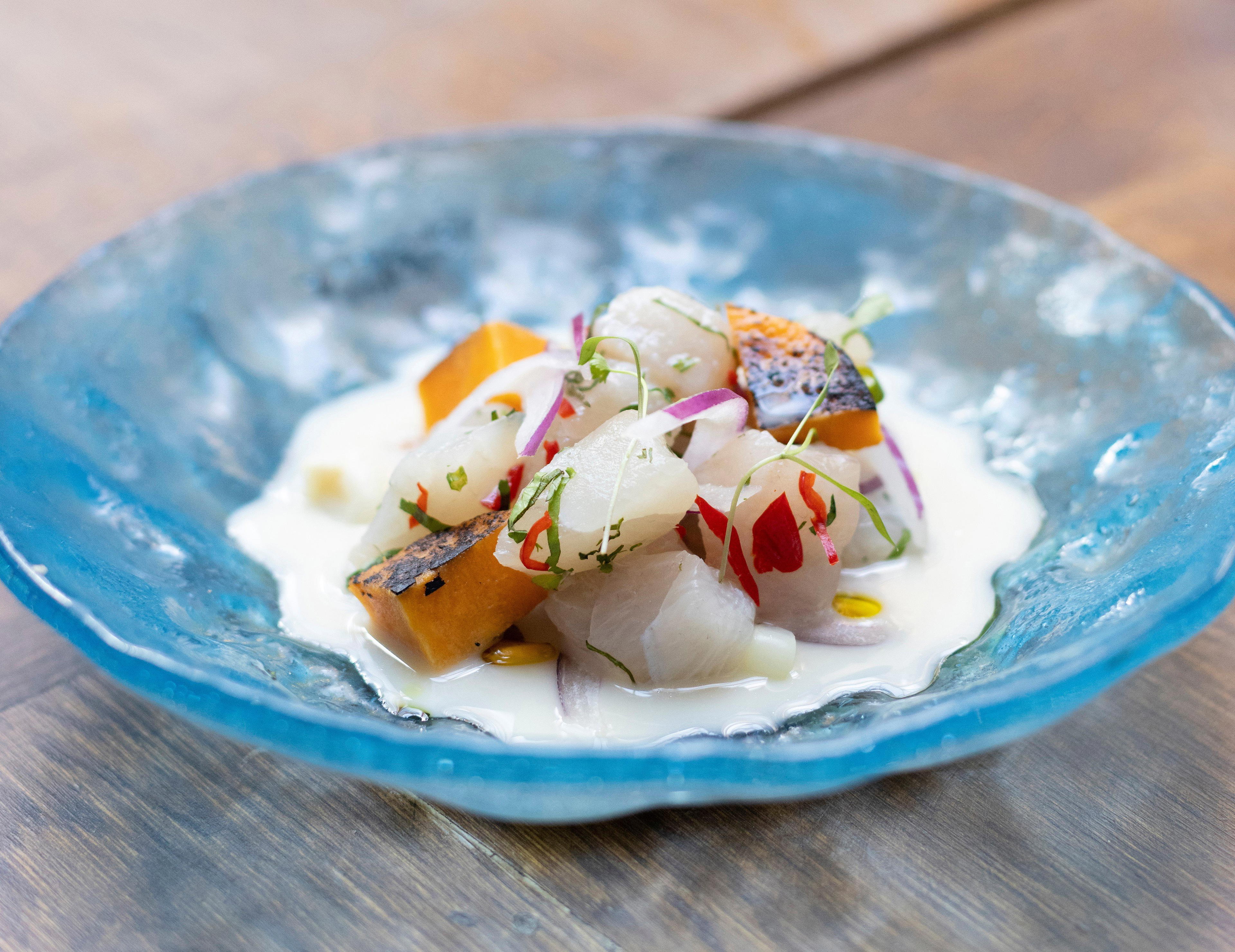
San Antonio sits roughly 140 miles from the Texas Gulf Coast, a distance that shapes what any seafood-forward kitchen can credibly offer. The raw and cured seafood program at Aleteo represents the most demanding part of its proposition, because that format tolerates no concealment. Acid-cured preparations like aguachile and tiradito, common in Yucatán and Pacific Mexican coastal cooking, require product with both integrity and freshness. Unlike braised or grilled preparations, where technique can compensate, cured fish arrives essentially unmodified, the sourcing shows directly on the plate.
This is the category where the comparison to coastal-access restaurants becomes most relevant. Venues like Le Bernardin in New York City or Single Thread Farm in Healdsburg operate inside near-continuous supply chains with direct producer relationships. Inland kitchens making similar commitments have to work harder logistically and be more transparent about sourcing provenance. The raw bar tradition in the Gulf South, from New Orleans outward, has demonstrated that inland cities can sustain serious raw seafood programs, Emeril's in New Orleans helped establish that regional argument two decades ago, but the model requires consistent supply discipline, not just a category on the menu.
The mezcal-focused cocktail program sits alongside the seafood emphasis as a second point of specificity. Mezcal has moved from specialty spirits category to mainstream bar staple over the past decade, but a kitchen with genuine Yucatán-inspired ambitions uses agave spirits differently than a bar that simply stocks a broad mezcal shelf. In proper Yucatán tradition, mezcal and its agave relatives serve as digestive counterweights to the acidity and fat of seafood preparations. When the cocktail program is built around that logic rather than as a separate beverage offering, the two halves of the menu reinforce each other.
San Antonio's Evolving Mexican Food Geography
San Antonio's Mexican food scene has been moving toward greater regional specificity for several years. Mixtli has been the most visible expression of that shift, operating a tasting menu format that moves through distinct Mexican regional traditions and drawing national attention in the process. The fact that a venue like Mixtli can sustain a $$$$ tasting menu built around regional Mexican specificity signals that the market has moved beyond requiring Tex-Mex familiarity as a precondition for acceptance.
Aleteo operates below that tasting-menu tier, at least in format, but the Yucatán focus gives it a regional specificity that Mixtli's rotating structure can only periodically visit. These are different propositions rather than competing ones. The broader city context also includes Isidore on the Texan fine dining side and the barbecue anchors 2M Smokehouse and Barbecue Station, which together define one dominant current in how the city eats. Boudro's on the Riverwalk occupies the Texas bistro territory that draws the tourist corridor's most consistent foot traffic.
Nationally, the turn toward Mexico's southern and coastal regions as a serious culinary reference point has been building since the mid-2010s. Venues in cities like Los Angeles, Chicago, and New York have demonstrated that Oaxacan, Yucatán, and Veracruz traditions can hold a premium-tier position without apology. Chicago's Alinea and New York's Atomix operate in a different register, but the broader critical infrastructure they helped build, where technique and specificity earn attention regardless of cuisine origin, creates conditions in which a focused Yucatán program in Texas can be taken seriously as a dining destination rather than a novelty.
Planning a Visit: What to Know Before You Go
The South Alamo Street address places Aleteo within walking distance of the city's main cultural institutions, including the San Antonio Museum of Art and the McNay's satellite programming area, which makes it a logical dinner anchor for arts district itineraries. The neighborhood runs at high tourist density, particularly on weekends and during the city's major festival calendar, so timing a visit to a weeknight generally means a more manageable approach. Given the raw seafood program at the center of the menu, visiting earlier in a service rather than later is the sensible call, raw and cured preparations are leading consumed when the evening's supply is freshest rather than at end-of-service.
For visitors building a wider San Antonio itinerary, the full scope of the city's dining, drinking, and hospitality options is covered across EP Club's guides: our full San Antonio restaurants guide, our full San Antonio hotels guide, our full San Antonio bars guide, our full San Antonio wineries guide, and our full San Antonio experiences guide. For visitors arriving via the Alamo and Riverwalk circuit, a pivot to the specific culinary grammar of the Yucatán, its acid-forward seafood, its achiote-tinged preparations, its agave-driven drinks, offers a useful counterweight to the city's more familiar Texas register. Aleteo's position at 222 S Alamo makes that pivot logistically easy. Whether the kitchen delivers fully on its sourcing premise is the question worth asking when you sit down.
How Aleteo San Antonio compares with similar nearby venues.
| Venue | Cuisine |
|---|---|
| Aleteo | Yucatán-inspired cuisine; mezcal-focused cocktails; raw and cured seafood |
| Oak & Amber | wood-fired steakhouse |
Continue exploring
More in San Antonio
Restaurants in San Antonio
Browse all →
Bars in San Antonio
Browse all →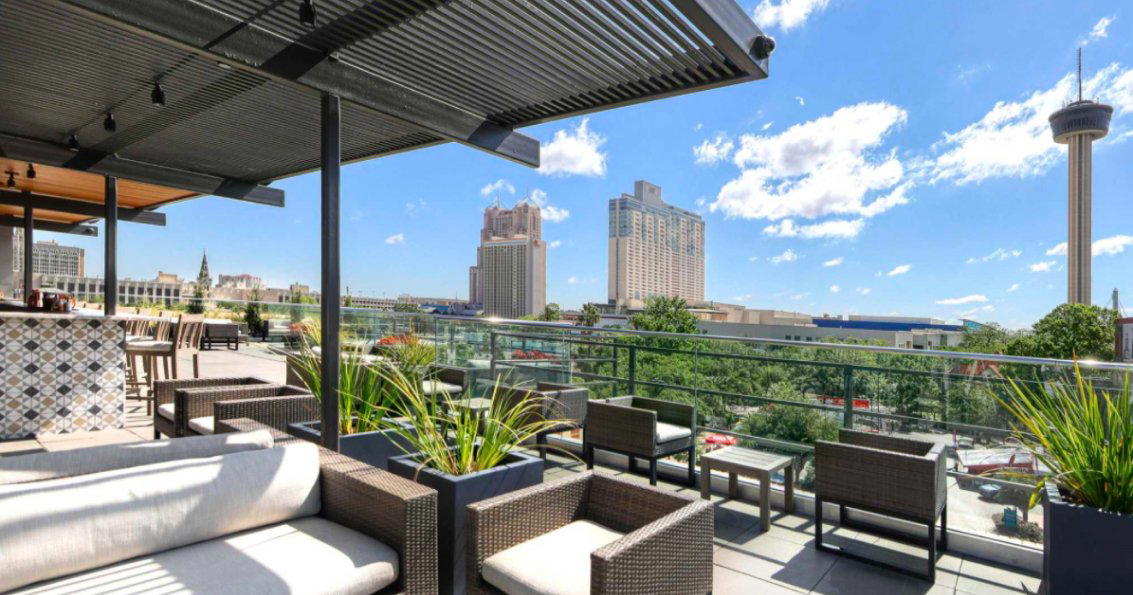
Hotels in San Antonio
Browse all →
Wineries in San Antonio
Browse all →
At a Glance
- Trendy
- Elegant
- Lively
- Sophisticated
- Date Night
- Brunch
- Special Occasion
- Rooftop
- Panoramic View
- Craft Cocktails
- Skyline
Current opening hours
- Monday
- 7 AM–10 PM
- Tuesday
- 7 AM–10 PM
- Wednesday
- 7 AM–10 PM
- Thursday
- 7 AM–10 PM
- Friday
- 7 AM–1 AM
- Saturday
- 7 AM–1 AM
- Sunday
- 7 AM–10 PM
Hours can change for holidays and private events. Last verified .
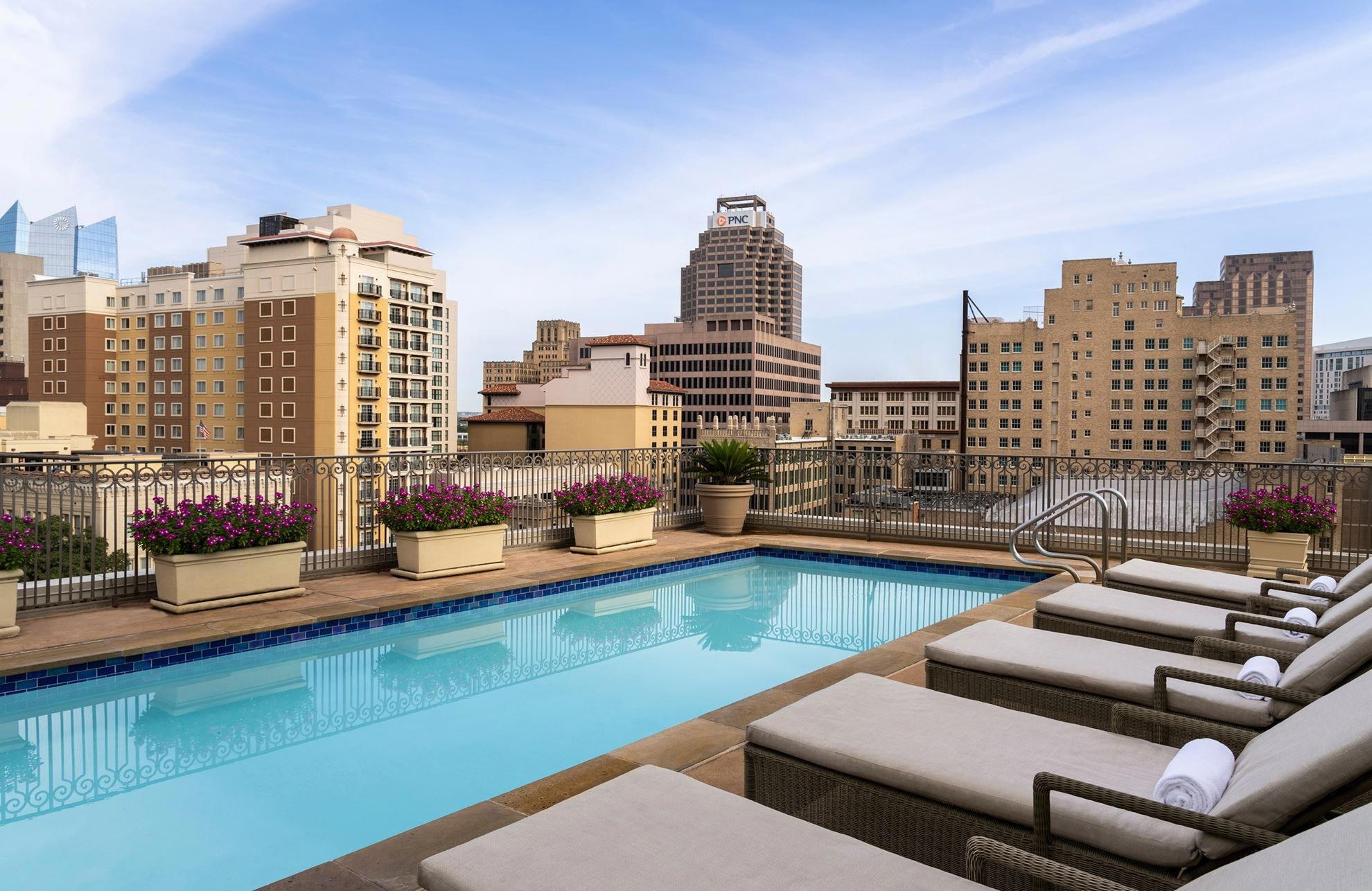
Relaxed beach vibe blended with refined sophistication, featuring sweeping downtown skyline views.
Know Before You Go
- Getting there
- 222 S Alamo St, San Antonio, TX 78205