
Tabelog 100 #20
Our verdict
Shio Ramen Shinka 2nd places a compact Machida ramen room inside Tokyo’s serious shio conversation, with Tabelog Ramen TOKYO 100 selections in 2024 and 2025 and a 3.80 Tabelog score. The draw is not luxury staging but format discipline: counter seating, 20 seats, no reservations, and a suburban address that rewards diners willing to leave the central wards.

Pearl is the En Primeur Club membership app, where members save venues, book tables and use the concierge.
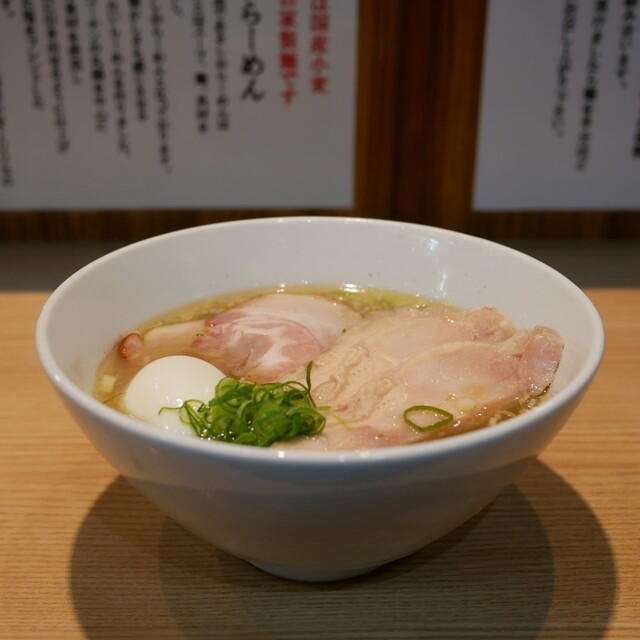
The menu
What to order
- Shio ramen
- Shio tsukemen
- Se-abura shio ramen (backfat ginger shio)
- Cold white shoyu ramen (summer special)
- Maze soba with se-abura char siu
Tokyo changes the rhythm before the first ticket is bought. The city’s ramen options can range from station-side meals to quieter local stops, but the strongest ones often share the same promise: a focused bowl, clear pacing, and little unnecessary ceremony. Shio Ramen Shinka 2nd sits in that tradition. The message is clear. This is not a long restaurant evening. It is a ramen format, built around direct purpose, judged by regulars and destination diners, and recognized in Tabelog’s Hyakumeiten selection for 2025.
A focused ramen stop where the format explains the meal
Tokyo ramen has always been partly about format. The room is not just decoration; it shapes how the meal works. Diners come for a bowl, eat while the noodles hold texture, and move on without turning the visit into a lounge-like evening. That rhythm matters in Tokyo, where a ramen shop may serve locals, solo eaters, and people crossing the city for a specific recommendation.
The category here is ramen, a format with less room for vague luxury than many formal restaurants. A bowl lives or fails on balance, temperature, texture, and how much structure it can carry without becoming heavy or thin. In Tokyo, ramen has moved from everyday staple to serious evaluation category, especially as rating platforms and award lists make specialist shops easier to compare across the city. A Tabelog score of 3.80 signals judgment against a demanding group, not casual noodle shops alone.
The appeal is practical rather than theatrical. The bowl arrives, the diner eats with focus, and the meal stays within an everyday price tier: dinner and lunch are both listed at JPY 1,000–JPY 1,999. Ramen at this level rarely needs fine-dining visuals. It needs a visit that protects heat, pace, and concentration. For travelers used to tasting menus, the discipline can feel severe, but it helps keep Tokyo’s ramen scene technically competitive at a modest spend.
Tokyo gives ramen a demanding competitive frame
Tokyo dining lists tend to overrepresent places visitors already know, but ramen rewards a broader map. Shio Ramen Shinka 2nd should be understood as part of Tokyo’s wider specialist culture rather than only as a convenient stop between larger plans. The decision is less about ceremony and more about intent: choosing a focused ramen meal because the format itself is the point.
That context explains why the restaurant’s recognition matters. Tabelog’s Hyakumeiten selection for 2025 places Shio Ramen Shinka 2nd in a defined field of ramen specialists, while the listed price band keeps the experience in the everyday realm. In Tokyo, those two ideas often overlap. A modest bill does not mean modest critical pressure; small, casual formats can be judged with the intensity other cities reserve for formal dining rooms.
Within the comparison set, Ichiban Ichiban sits in the same broad Tokyo conversation, while Lilien Berg, Curry&herb Cherry blossom, Etienne, and 鮨 おとわ show how quickly Japan’s casual-to-specialist dining categories separate by location, format, and spend. The comparison is structural, not dish-for-dish: a low price ceiling does not mean low ambition. Shio Ramen Shinka 2nd belongs to that group as a focused ramen address with a clear recognition signal.
For readers mapping a wider trip, Tokyo’s dining range is easier to understand by category than by neighborhood alone. Casual Japanese formats can sit beside explicit destination meals, and other Tokyo dining rooms may require very different levels of planning, budget, and time. For the broader city edit, use Our full Tokyo restaurants guide, then cross-check the surrounding trip through Our full Tokyo hotels guide, Our full Tokyo bars guide, Our full Tokyo wineries guide, and Our full Tokyo experiences guide.
The practical case for making the trip
The case for Shio Ramen Shinka 2nd rests on clean signals: ramen category focus, a Tabelog Hyakumeiten 2025 selection, a 3.80 score, and a budget band that keeps the meal in everyday Japan rather than luxury dining. That combination suits travelers who want one serious ramen stop without making the day a reservation campaign. The trade-off is that ramen rewards timing, patience, and a willingness to follow the shop’s pace.
Payment, ordering, and service details can vary in Japanese ramen rooms, so visitors should arrive prepared rather than assuming the flexibility of a hotel restaurant. File that with ramen etiquette and meal pacing: order decisively, eat with focus, and treat the visit as part of a compact service model rather than a place to linger.
The wider lesson is that Tokyo’s ramen hierarchy is not always visible from hotel districts. A specialist ramen shop can carry more critical weight than a polished venue with better English-language discoverability. The Tabelog Hyakumeiten 2025 selection places Shio Ramen Shinka 2nd inside a defined competitive class, while the price band underlines how serious Tokyo dining can be at everyday levels.
Travelers extending the same lens beyond Tokyo can compare how Japanese casual formats shift by city and setting without needing to anchor every meal to luxury cues. Seen that way, Shio Ramen Shinka 2nd is not a detour from Tokyo dining. It reminds you that the city’s serious food culture often works through modest prices, direct meals, and highly specific formats.
Frequently asked questions
What time does Shio Ramen Shinka 2nd open and close?
Current opening hours for Shio Ramen Shinka 2nd should be checked directly before visiting, as the reliable details provided here focus on its ramen category, Tabelog recognition, score, and budget.
How much does it cost to eat at Shio Ramen Shinka 2nd?
Pricing at Shio Ramen Shinka 2nd is listed as JPY 1,000 - JPY 1,999 JPY 1,000 - JPY 1,999.
What's Shio Ramen Shinka 2nd's location?
Tokyo.
What's the standout thing about Shio Ramen Shinka 2nd?
Its clearest credential is the Tabelog Hyakumeiten 2025 selection for ramen, alongside a listed Tabelog score of 3.80 and an everyday budget band for both lunch and dinner.
How does Shio Ramen Shinka 2nd handle allergies?
The safest approach is to speak about allergies before ordering. The published details provided here focus on the ramen category, Tabelog recognition, score, and budget, so clear communication is the practical route.
Cuisine and Awards Snapshot
Comparable venues by cuisine and category.
| Venue | Cuisine | Price | Awards | Notes |
|---|---|---|---|---|
| Shio Ramen Shinka 2ndThis venue (the venue you are viewing) | Modern Shio Ramen Shop | $10–20 | Tabelog 100 #20 | Not listed |
| Jun Teuchi Daruma | Handmade Noodle Ramen (Light Shoyu) | $10–20 | Tabelog 100 #7 | Suginami |
| Menya Sho Honten | Chicken shio ramen shop | $10–20 | Tabelog 100 #73 | Shinjuku |
| Konpira Chaya | Handmade Udon & Beef Curry Udon | $10–20 | Tabelog 100 #25 | Shinagawa |
| Oniyanma Gotanda honten | Standing Sanuki Udon Shop | $1–10 | Tabelog 100 #27 | Shinagawa |
| China Soba Osada | Ramen & Tantanmen | $10–20 | Tabelog 100 #66 | Itabashi |
Recognition history
Dated appearances from independent guides and award organizations, with the underlying list record or original source where available.
Tabelog 100 #20 · No. 20
Tabelog · Tabelog 100 - Ramen - TOKYO - 2025
Continue exploring
More in Tokyo
Restaurants in Tokyo
All restaurants in Tokyo →



Bars in Tokyo
All bars in Tokyo →



Hotels in Tokyo
All hotels in Tokyo →


Wineries in Tokyo
Browse all →
Details
- Lively
- Cozy
- Solo
- Casual Hangout
- After Work
- Group Dining
- Standalone
- A La Carte
- Counter Dining
Current opening hours
- Monday
- Closed
- Tuesday
- 11:30 AM–2:50 PM, 6–9:50 PM
- Wednesday
- 11:30 AM–2:50 PM, 6–9:50 PM
- Thursday
- 11:30 AM–2:50 PM, 6–9:50 PM
- Friday
- 11:30 AM–2:50 PM, 6–9:50 PM
- Saturday
- 11:30 AM–2:50 PM, 6–8:50 PM
- Sunday
- 11:30 AM–2:50 PM, 6–8:50 PM
Hours can change for holidays and private events. Hours as of .
Compact ramen shop with counter and a few small tables, a casual and energetic atmosphere focused on quick ramen service rather than lingering, popular with local ramen fans.