
Bajo So puts Fukuoka’s gyoza culture in its leanest form: a small Nishijin counter-and-table room, a dumpling-and-izakaya classification, and a price band that stays far below much of the city’s dinner circuit. Its Tabelog Dumplings 100 selection in 2019 and 2024 gives the address a clear credential, but the appeal is also logistical: no reservations, limited seats, and a room built for decisive, early-evening dining.
Pearl is the En Primeur Club membership app — saves, bookings, and concierge access live there. Same editors, same standards.
- Address
- Japan, 〒814-0002 Fukuoka, Sawara Ward, Nishijin, 1 Chome−7−6 馬上荘
- Phone
- +81 92-831-6152
- Website
- tabelog.com
 Saves & bookings on Pearl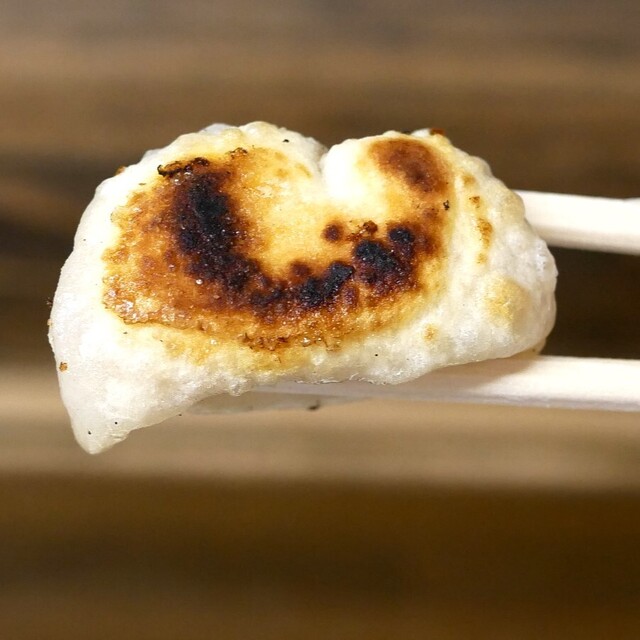
Approaching Nishijin after dark, the dining rhythm changes from central Fukuoka’s department-store polish to something tighter and more local: short walks from the subway, small shopfronts, and restaurants that make decisions for diners through scale rather than ceremony. In that setting, gyoza works because it is compact, fast, and social. Bajo So belongs to the older end of that tradition, opened in 1957 and now operating as a small dumpling-and-izakaya address with counter seating rather than a modern tasting-menu posture.
Fukuoka is often discussed through ramen, motsunabe, and late-night yatai, but its dumpling culture deserves separate attention. Gyoza here is less about spectacle than repetition: thin margins, quick turnover, drinks that suit salt and heat, and rooms where solo diners and small groups make equal sense. Bajo So’s Tabelog Dumplings 100 selections in 2019 and 2024 place it inside a national gyoza conversation rather than only a neighbourhood one, and the 3.70 Tabelog score gives that recognition a useful second signal.
Nishijin gyoza at izakaya scale, not destination-dining volume
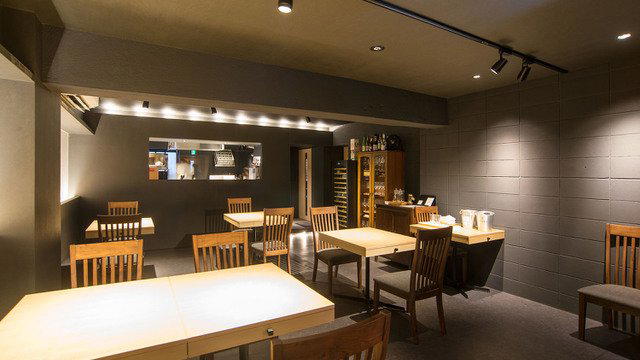
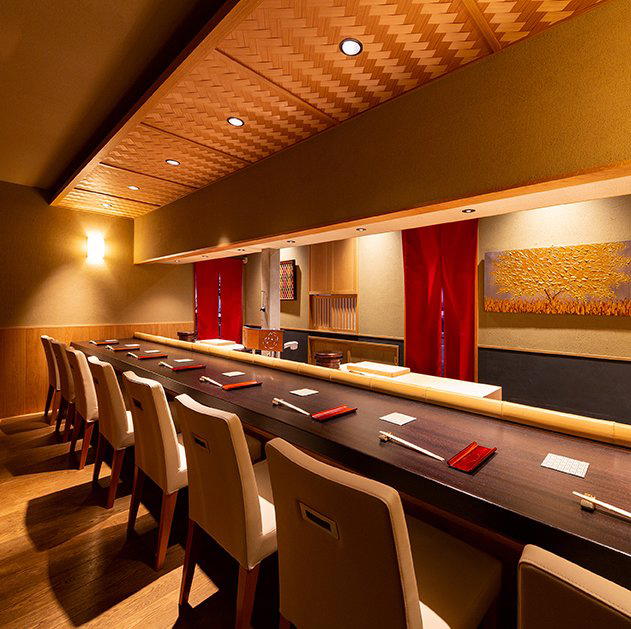
The room’s format matters more than decorative language. Sixteen seats, divided between an eight-seat counter and two tables for four, put Bajo So in the low-capacity tier where timing shapes the experience as much as appetite. This is not the Fukuoka dinner model built around long reservations, multi-course pacing, or chef narration. It is closer to the city’s everyday drinking-food grammar: dumplings, sake, shochu, and the kind of compact service model that rewards diners who arrive with a plan.
The price band, JPY 1,000 to JPY 1,999 for dinner, also separates it from many Nishijin alternatives. Shokudo Shiotosake and Yakitori Benkei Nishijin ten sit in the JPY 3,000 to JPY 3,999 bracket, while Rojiura Sakaba Gompoji moves higher at JPY 4,000 to JPY 4,999. Nishishin Hatsuki Honten overlaps at lunch-level pricing but also reaches the JPY 3,000 to JPY 3,999 dinner tier. Against that local set, the restaurant reads as a narrower, more tactical stop: the point is not a long night built across many plates, but a focused gyoza-led meal that can anchor an evening without consuming it.
That distinction is useful for travelers planning Fukuoka by neighbourhood rather than by single trophy reservations. Tenjin and Hakata carry the city’s densest visitor flow, while Nishijin has a more residential, west-side cadence. The subway link keeps it accessible, but the dining mood is different from the central restaurant crawl.
The planning variable is the door, not the menu
The booking experience is the editorial crux. Reservations are unavailable, which makes the restaurant a walk-in proposition by design. That changes the calculation for anyone used to arranging Japan dining weeks ahead. The practical move is to treat the visit as a flexible early-evening slot rather than the fixed centre of a night. A room of 16 seats can absorb only a small number of parties at once, and the two four-person tables mean that solo diners and pairs have a different probability curve from groups.
Cash planning matters as well. Credit cards, electronic money, and QR code payments are not accepted, so the low price band should not be confused with low-friction payment. Parking is unavailable, which reinforces the subway-first logic of the address. Non-smoking status and the counter format make it easier to place in a modern Fukuoka itinerary, but the operation remains old-school in the ways that affect arrival: go light on assumptions, carry cash, and avoid building a tight transfer immediately after dinner.
For visitors assembling a fuller Fukuoka stay, the useful comparison is not only restaurant-to-restaurant but category-to-category. A west-side dumpling stop can sit before drinks from Our full Fukuoka bars guide, or inside a wider city plan that includes Our full Fukuoka hotels guide, Our full Fukuoka experiences guide, and Our full Fukuoka wineries guide. The point is sequencing. The restaurant suits a night where the meal is deliberately compact, not an evening where a large party expects a held table and a long drinks progression.
Where it fits in Japan's casual-dining map
Japan’s strongest casual restaurants often communicate through constraints: few seats, narrow categories, clear payment rules, and a limited tolerance for indecision. The restaurant fits that pattern more than the export-friendly image of Japanese dining built around omakase counters and luxury hotel restaurants. The Tabelog Dumplings 100 recognition gives it a national badge, but the deeper lesson is how serious Japanese food culture can look ordinary from the outside: a modest category, a tight room, and a format that has had decades to lose unnecessary gestures.
That makes it a sharper editorial reference point than another broad recommendation for “where to eat in Fukuoka.” It helps explain why the city rewards diners who alternate between specialist rooms and everyday formats. Aji Dokoro Taro Gen Sougyou ten belongs to a different local dining lane, while national comparisons can stretch from -Grilled beef Sukiyaki- KAMAKURA TANUKIAN 鎌倉 たぬき庵 in Kamakura and. 鮪と炭火焼き うお炭 秋葉原店 in Tokyo to.cafe in Osaka.know in Kumamoto, (Shoku) Vietnam in Kawasaki, and [Curry Senmon Ten] Maruyama Kyoju. in Sapporo. Even overseas Japanese casual formats, from Jōdo Saké Bar in Los Angeles to Onigiri Time in Pasadena, show how much meaning can sit inside a narrow brief.
The critical read is simple: the restaurant is compelling for travelers who understand that logistics are part of the meal. The award history supplies the trust signal, the price keeps the commitment low, and the no-reservation system makes timing the real currency. In Fukuoka, that is often where the better casual dining decisions are made.
Cuisine and Credentials
Comparable venues for orientation by cuisine and category.
| Venue | Cuisine | Price | Notes |
|---|---|---|---|
| Bajo SoThis venue — the venue you are viewing | Traditional Hakata gyoza & izakaya | $$ | Not listed |
| Kiharu no Gomasaba ya | Mackerel-focused Japanese Izakaya | $$ | Chūō |
| Hakata Meidai Yoshizuka Unagiya | Traditional Unagi Specialist | $$ | Hakata |
| Koryoriya Sono Hen | Seasonal Japanese Izakaya & Obanzai | $$ | Hakata |
| Rankan | Traditional Japanese Kissaten Coffee House | $$ | Dazaifu |
| 安春計 | Japanese Izakaya | Not listed | Chūō |
Recognition history
Dated appearances from independent guides and award organizations, with the underlying list record or original source where available.
Tabelog 100 #92 · No. 92
Tabelog · Tabelog 100 - Dumplings - 2024
At a Glance
- Classic
- Cozy
- Well Known
- Solo
- Casual Hangout
- After Work
- Group Dining
- Standalone
- Sake Program
- Beer Program
Current opening hours
- Monday
- Closed
- Tuesday
- 5:30–9:30 PM
- Wednesday
- 5:30–9:30 PM
- Thursday
- 5:30–9:30 PM
- Friday
- 5:30–9:30 PM
- Saturday
- 5:30–9:30 PM
- Sunday
- 5:30–9 PM
Hours can change for holidays and private events. Last verified .
A small, non-smoking neighborhood gyoza joint with counter seating and a couple of tables, simple classic décor, and an easygoing izakaya feel that suits solo diners and small groups of friends in the evening.