
Tabelog 100 #11
Our verdict
Genji is a compact Sendai izakaya in Ichibancho with counter-led service, a fish-and-sake focus, and repeated selection for Tabelog’s Izakaya 100 in 2021, 2024, and 2025. Its appeal sits in the gap between everyday tavern pricing and serious regional recognition, making it a sharper value proposition than Sendai’s higher-priced sushi and kappo counters.

Pearl is the En Primeur Club membership app, where members save venues, book tables and use the concierge.
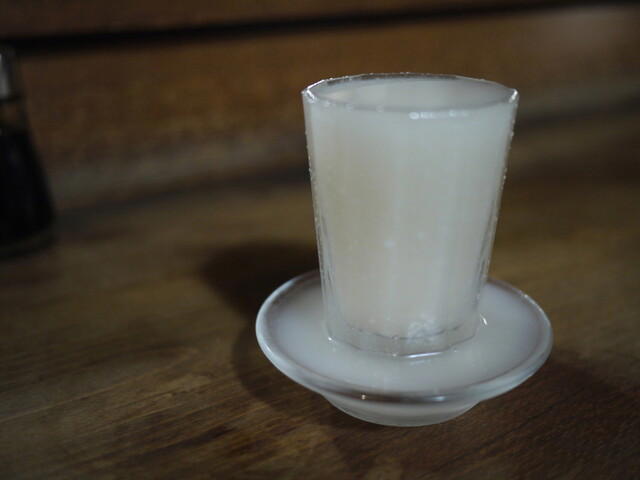
The menu
What to order
- Dried salmon ‘foya’
- Assorted sashimi
- Yakitori and grilled skewers
- Seasonal seafood small plates
Sendai’s evening dining rhythm is less theatrical than Tokyo’s restaurant districts: shutters lift, seats fill, and after-work appetite turns to tavern food, drinks, and conversation rather than long tasting-menu ceremony. Genji fits a Sendai category the city does particularly well: the izakaya, direct and practical, where pleasure comes from choosing well rather than surrendering to a chef’s sequence.
The value is clear within the city’s broader dining mix. Sendai supports a wide range of serious dining, from sushi counters and specialist rooms to casual taverns and dessert-led stops. Genji works on its own terms. Its reputation rests on an izakaya format rather than luxury ingredients framed as ceremony. That matters where a traveller can spend heavily without learning much about how locals eat after dark.
Drinks, food, and the Sendai izakaya economy
Start with the regional dining logic. Sendai izakaya culture is grounded in after-work and neighbourhood drinking traditions, with the format kept direct rather than overproduced. The strongest examples do not need elaborate menus or dining-room theatre. They need regulars, an easy rhythm, and a drinks-and-food balance that makes sense for the evening.
Genji has the markers of that older, narrower model. It carries the kind of recognition that in this category usually signals trust rather than international visibility. Its category is telling: izakaya, not formal fine dining. That scale of expectation changes the meal, replacing large-venue anonymity with attention to pace, ordering, and the relationship between the table and the room.
The external recognition is significant without making it a trophy booking. Recognition in the 2025 Tabelog Hyakumeiten context places Genji within a curated izakaya field, a competitive category shaped by local consensus. Its Tabelog score of 3.69 reinforces the point: not a luxury-dining number, but a serious signal in a user-review ecosystem where casual Japanese restaurants move within tight margins.
The comparison set clarifies the position. DASHIRO Sendai minamimachidoori honten, Hassen, Koban Zushi, hou, and kazunori ikeda individuel Minamimachidoori ten all point to different ways of using Sendai’s dining map. Genji lands in its own lane: not a quick bite framed only by speed, not a formal destination defined by ceremony, but an izakaya with enough recognition to justify planning around it.
A tavern meal that rewards restraint over performance
Sendai is often flattened into a few visitor shorthand dishes, but its better dining map is broader: counters, dessert specialists, casual shops, izakaya, and drinks-led rooms across the city. Genji gives travellers access to the city’s drinking-food culture without requiring a full formal dinner budget. The format suits diners who want a contained evening, not a parade of courses.
The izakaya format also explains why it works for solo dining and small groups. Izakaya can be noisy, sprawling, and group-driven; Genji is better understood through a tavern rhythm rather than a staged fine-dining script. A solo diner is not compromising, and a pair can build a meal without the pressure of a long reservation-led sequence. The value lies in concentration: a focused category, accessible pricing, and recognition earned in the izakaya field rather than through fine-dining crossover.
There is practical value, too. Genji’s listed dinner budget of JPY 3,000 - JPY 3,999 places it in a range where travellers can plan a serious evening without treating the meal as a luxury booking. That is not merely a price note; it affects the whole decision. Better to see Genji simply: a Sendai izakaya first, with Tabelog Hyakumeiten recognition layered on top.
For broader Sendai planning, Genji pairs well with itineraries that avoid treating dinner as the only event. The central restaurant circuit can move across styles: other Sendai dining rooms for contrasting meals, casual local stops for texture, and slower daytime pauses when the schedule needs space. The wider map sits in Our full Sendai restaurants guide, with sleep, drinking, wine, and cultural planning separated into Our full Sendai hotels guide, Our full Sendai bars guide, Our full Sendai wineries guide, and Our full Sendai experiences guide.
Where it fits in a Japan itinerary
For travellers moving beyond Sendai, the lesson transfers: Japan’s value often sits below the formal tasting-menu tier, in specialist rooms with narrow focus and local credibility. Other dining in Japanese cities can point to the same strategy: read format and local use before chasing formal hierarchy. For drink-minded readers outside Japan, similarly narrow Japanese formats may translate abroad, though the social texture differs.
Genji is strongest for travellers who want Sendai to feel like a working city rather than a checklist. The draw is not excess but proportion: an izakaya format, accessible pricing, and Tabelog Hyakumeiten recognition. In a market where higher spending can blur into sameness, that proportion is the argument.
Frequently asked questions
How do I find Genji?
Genji is located in Sendai.
What should I budget for a meal at Genji?
Pricing at Genji is listed as JPY 3,000 - JPY 3,999.
What are the operating hours at Genji?
Operating hours are not provided in the verified venue information for Genji.
What do critics highlight about Genji?
The strongest signal is its 2025 Tabelog Hyakumeiten recognition, alongside a Tabelog score of 3.69 and a listed dinner budget of JPY 3,000 - JPY 3,999. Genji is categorized as an izakaya in Sendai.
Credentials Lens
Comparable venues to calibrate price, style, and recognition.
| Venue | Cuisine | Price | Awards | Notes |
|---|---|---|---|---|
| GenjiThis venue (the venue you are viewing) | Traditional Sendai Izakaya | $30–50 | Tabelog 100 #11 | Not listed |
| Salamanger Hiro | Yoshoku hamburger steak specialist | $10–20 | Tabelog 100 #60 | Not listed |
| Senrei Zushi JR sendai eki 3 kai ten | Standing sushi counter with Sanriku seafood | $30–50 | Tabelog 100 #58 | Aoba-ku |
| Sumibi Yakiniku Gura Sendai asaichi ekimae ten | Japanese Yakiniku BBQ | $30–50 | Tabelog 100 #12 | Aoba-ku |
| Izakaya Chocho | Traditional Japanese Izakaya with Fresh Seafood | $30–50 | Tabelog 100 #3 | Kokubuncho, Aoba Ward |
| Gout | Yoshoku Western-style Japanese | $20–30 | Tabelog 100 #97 | Ichibancho |
Recognition history
Dated appearances from independent guides and award organizations, with the underlying list record or original source where available.
Tabelog 100 #11 · No. 11
Tabelog · Tabelog 100 - Izakaya - EAST - 2025
Continue exploring
More in Sendai
Restaurants in Sendai
All restaurants in Sendai →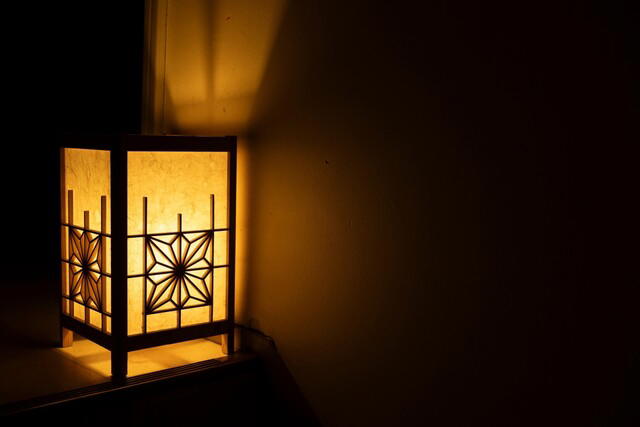
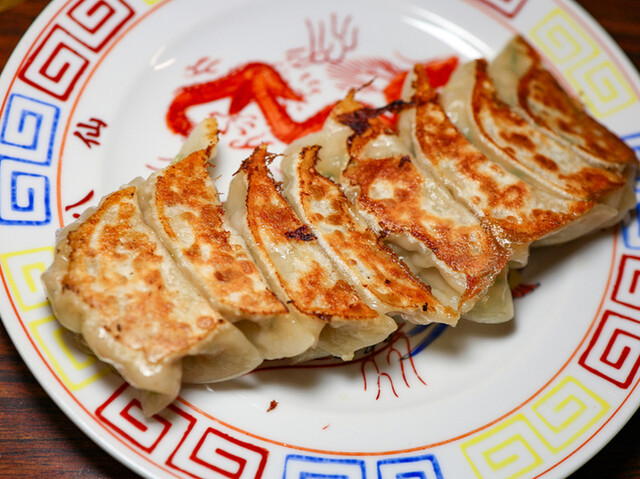
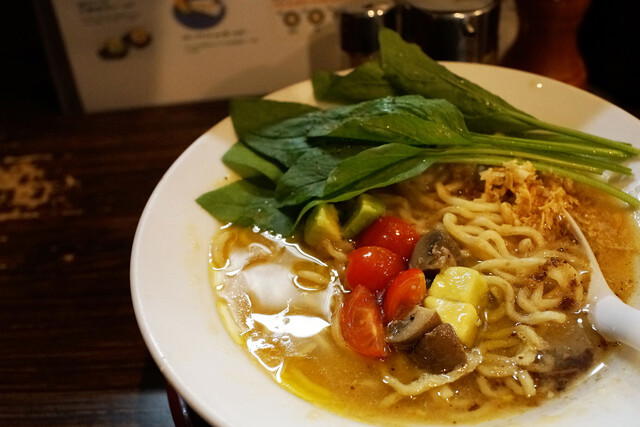
Hotels in Sendai
Browse all →
Wineries in Sendai
All wineries in Sendai →
Details
- Cozy
- Classic
- Intimate
- Lively
- After Work
- Casual Hangout
- Solo
- Date Night
- Group Dining
- Late Night
- Standalone
- Historic Building
- Sake Program
- Beer Program
- A La Carte
- Small Plates
- Counter Dining
- Sake
- Beer
Current opening hours
- Monday
- Closed
- Tuesday
- 5:10–10 PM
- Wednesday
- 5:10–10 PM
- Thursday
- 5:10–10 PM
- Friday
- 5:10–10 PM
- Saturday
- 5:10–10 PM
- Sunday
- Closed
Hours can change for holidays and private events. Last verified .
traditional, compact izakaya with an old-school, nostalgic interior; most seating is at a counter facing the open kitchen, with warm lighting, bottles of sake lining the walls, and a lively but relaxed pub-like buzz once it fills up.