
Shinmen Hotaka belongs to Sapporo’s small-shop ramen culture: compact rooms, quick pacing, and a meal built around focus rather than ceremony. Its selection for Tabelog 100 Ramen Hokkaido 2025 and 2024 places it within Hokkaido’s closely watched ramen tier, while the low price band keeps the experience rooted in everyday local eating.
Pearl is the En Primeur Club membership app — saves, bookings, and concierge access live there. Same editors, same standards.
- Address
- Japan, 〒004-0041 Hokkaido, Sapporo, Atsubetsu Ward, Oyachihigashi, 4 Chome−2−15 第一西村ビル 1F
- Phone
- +81 11-896-5167
- Website
- japoncompany.business
 Saves & bookings on Pearl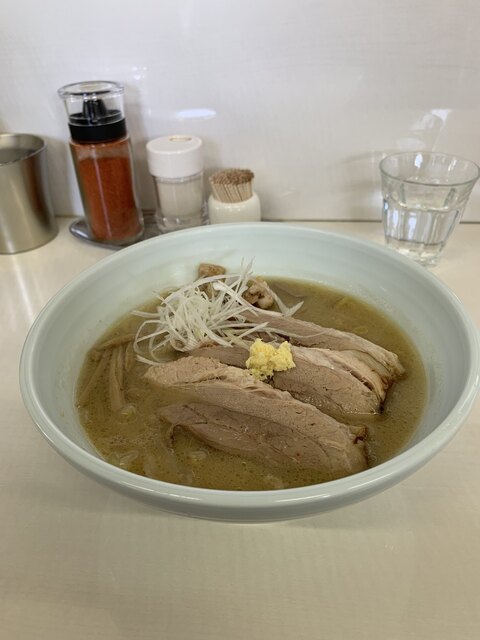
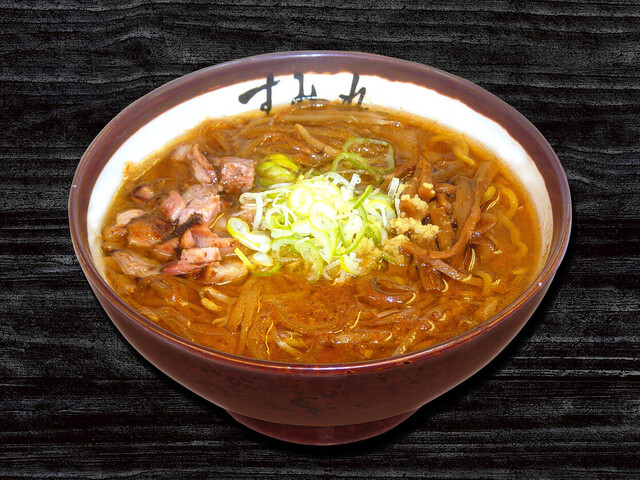
Approaching a Sapporo ramen shop outside the central nightlife districts changes the meal’s rhythm. The room matters less as theatre than as a working mechanism: counter seats, table turnover, a short pause before the bowl arrives, then quiet concentration while the noodles are at their proper texture. Shinmen Hotaka sits in that tradition, in Oyachi rather than Susukino or Sapporo Station, and that location is part of the point. Hokkaido ramen culture is not only a late-night city-centre pursuit; it is also a neighbourhood habit, measured in repeat visits, family use, solo lunches, and bowls priced for regular life.
The useful context is discipline, not romance. Sapporo carries a heavy national ramen reputation because it helped define miso ramen as a postwar urban style, yet Hokkaido’s ramen scene reaches beyond one flavour lane. Shops compete through broth concentration, noodle choice, tare balance, heat management, and service speed. In that field, formal luxury signals matter less than consistency under pressure. Selection for Tabelog 100 Ramen Hokkaido in both 2024 and 2025 gives Shinmen Hotaka a clear trust signal in a category where local diners tend to be exacting and impatient with hype.
A neighbourhood ramen ritual built around pace, not performance
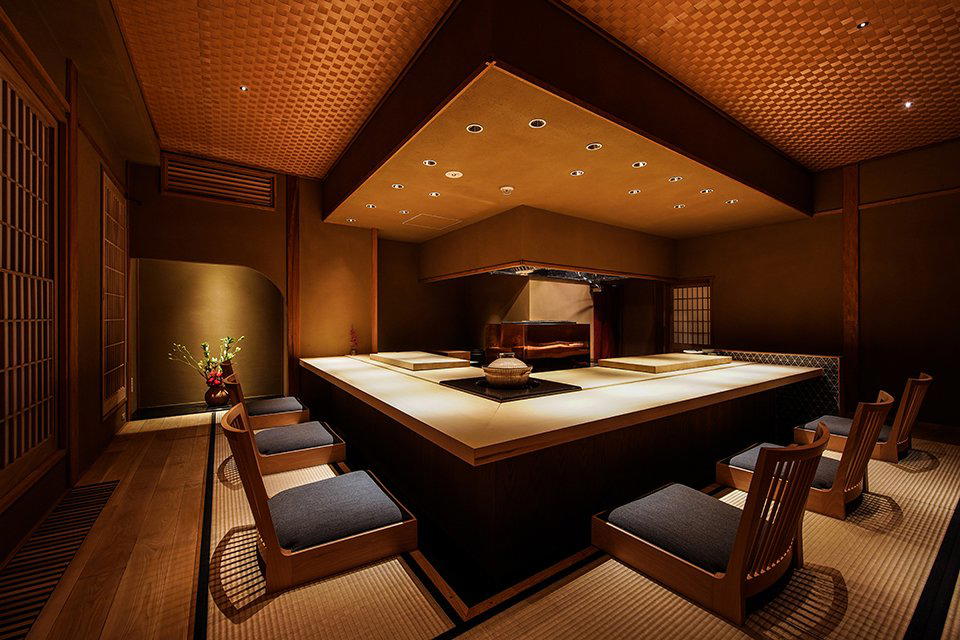
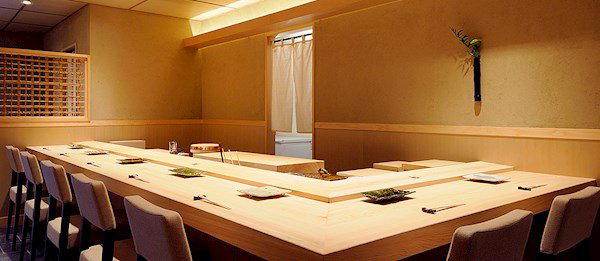
The dining ritual follows Japanese ramen grammar rather than destination tasting-menu pacing. The meal is short, the focus narrow, and the room’s scale reinforces that expectation. With 13 seats, including counter seating and two tables for four, the format suits diners who understand ramen as time-sensitive food: order, eat while hot, leave the seat for the next guest. That compactness is not a minor operational detail. In ramen culture, it shapes the experience as much as décor or service language would in a formal restaurant.
That distinction matters for travellers building a Sapporo food itinerary. A ramen counter is not competing with a seafood kaiseki room, a French-influenced dining room, or a whisky bar. It competes with other bowls at similar price and intensity. The average price band here sits below JPY 1,000, with review-based spending commonly shown at JPY 1,000 to JPY 1,999, placing the meal in a rare visitor category: a recognised Hokkaido ramen address still priced like an everyday stop rather than a trophy booking.
The no-reservations format changes the etiquette. The serious diner treats timing as part of the meal, not an inconvenience. Lunch and early dinner are natural windows, and small rooms reward decisiveness. Groups should read the room before lingering; solo diners and pairs fit the counter culture more easily. Children are welcomed, broadening the audience, but the ramen-shop rhythm remains quick and practical.
Where it fits in Sapporo's wider eating map
Sapporo dining can mislead from outside because the city’s strongest food identity is split between everyday formats and special-occasion spending. Ramen, soup curry, jingisukan, seafood, coffee shops, and hotel dining occupy different social roles. Shinmen Hotaka belongs to the everyday end, but Tabelog 100 recognition moves it beyond anonymous neighbourhood-shop status and onto the list worth plotting around if ramen is a serious part of the trip.
Compared with casual Sapporo peers in similar price territory, the value signal is clear. Shoyuya Honten Sanpiaza ten sits in the same sub-JPY 999 band, while Curry Kibun and Ichimonji Curry Ten generally occupy the JPY 1,000 to JPY 1,999 curry bracket; Yoshoku Konoyoshi Kiyotaku kitano ten moves higher for dinner. These comparisons do not rank cuisines. They show Sapporo’s casual dining economy: highly specific shops, modest pricing, and strong local loyalty. A visitor can eat intelligently here without making every meal a reservation project.
For route-building, the restaurant makes most sense as a ramen anchor on an east-side day rather than a detour tacked onto a central bar crawl. The nearest station is Oyachi on the municipal subway’s Tozai Line, and the address places it in Atsubetsu Ward. Parking is available, another clue that the shop serves local routines as well as travelling ramen hunters. Payment is cash-only in practice, with credit cards, electronic money, and QR payments not accepted, so prepare as for many serious small restaurants in Japan: arrive with yen, order clearly, and do not assume the conveniences of a larger hospitality group.
How to use it in a Sapporo itinerary
The strongest reason to seek out this kind of ramen shop is not breadth. It is focus. Sapporo rewards travellers who let meals serve different purposes: a concise ramen lunch, a curry dinner, a hotel bar later, a pastry or bakery stop the next morning. For broader planning, Our full Sapporo restaurants guide gives the city-level frame, while Our full Sapporo hotels guide, Our full Sapporo bars guide, Our full Sapporo wineries guide, and Our full Sapporo experiences guide help place the meal in a fuller stay.
Within Sapporo’s casual dining circuit, ramen can sit alongside other focused stops rather than replace them. 175°DENO Tantanmen Sapporo kitaguchi ten points toward the city’s spice-and-noodle appetite, while [Curry Senmon Ten] Maruyama Kyoju., Ajanta Indo Curry Ten, and Ajanta Sohonke speak to Hokkaido’s long-running curry culture. Aigues Vives adds a different register, useful for travellers who want the region’s food map to include baking and European technique as well as bowls and spice.
Beyond Sapporo, the same principle applies across Japan and Japanese-influenced dining abroad: small formats often communicate local habits more clearly than grand rooms. The comparison is less about cuisine than decision-making. A traveller reading across -Grilled beef Sukiyaki- KAMAKURA TANUKIAN 鎌倉 たぬき庵 in Kamakura. 鮪と炭火焼き うお炭 秋葉原店 in Tokyo.cafe in Osaka.know in Kumamoto, (Shoku) Vietnam in Kawasaki, [ki:] in Kyoto, Jōdo Saké Bar in Los Angeles, and Onigiri Time in Pasadena is comparing formats: counter, table, bar, café, specialist shop. The restaurant’s case is clear: a small ramen room with recognised Hokkaido standing, modest pricing, and a ritual that rewards diners who respect the bowl’s pace.
What It’s Closest To
Nearby venues at a similar price tier for orientation.
| Venue | Cuisine | Price | Notes |
|---|---|---|---|
| Shinmen HotakaThis venue — the venue you are viewing | Hokkaido Ramen Shop | $ | Not listed |
| Koku Ichiban Ramen Midoriya | Ramen shop | $ | Chūō |
| IN CURRY | Sapporo soup curry | $ | Nishi |
| Tokou An Shinkotoni | Japanese Ramen | $ | Kita |
| Ganso Sapporo Ramen Mogura | Sapporo ramen shop | $ | Chūō |
| Saera | Japanese kissaten & sandwich shop | $ | Chūō |
Recognition history
Dated appearances from independent guides and award organizations, with the underlying list record or original source where available.
Tabelog 100 #16 · No. 16
Tabelog · Tabelog 100 - Ramen - HOKKAIDO - 2025
At a Glance
- Solo
- Casual Hangout
- Late Night
- After Work
- Family
- Standalone
Current opening hours
- Monday
- Closed
- Tuesday
- 11 AM–3 PM, 5–8 PM
- Wednesday
- 11 AM–3 PM, 5–8 PM
- Thursday
- 11 AM–3 PM, 5–8 PM
- Friday
- 11 AM–3 PM, 5–8 PM
- Saturday
- 11 AM–3 PM, 5–8 PM
- Sunday
- Closed
Hours can change for holidays and private events. Last verified .
Casual, compact ramen shop atmosphere focused on quick service and counter-style dining, with a lively but not overly loud environment typical of popular local ramen-ya.