
Tabelog 100 #15
Our verdict
Shin Japanese cuisine Kanya gives Toki a serious Japanese-cuisine address outside the usual metropolitan dining circuit. Its 2025 Tabelog 100 Japanese cuisine EAST selection, reservation-only format, counter-and-tatami layout, and sake-shochu focus place it in the category of regional restaurants where sourcing, seasonality, and local dining customs matter as much as ceremony.

Pearl is the En Primeur Club membership app, where members save venues, book tables and use the concierge.
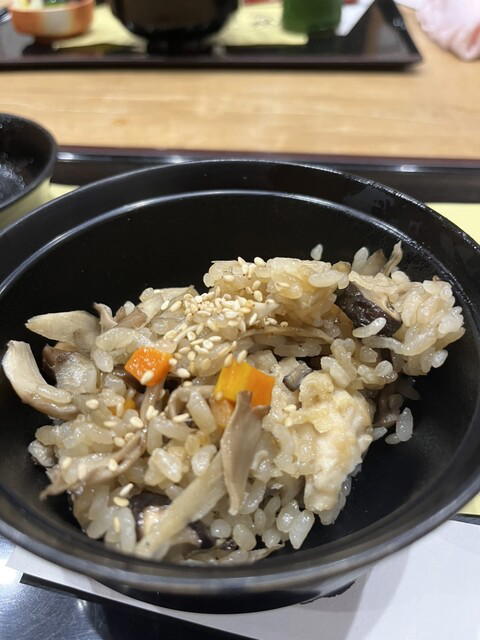
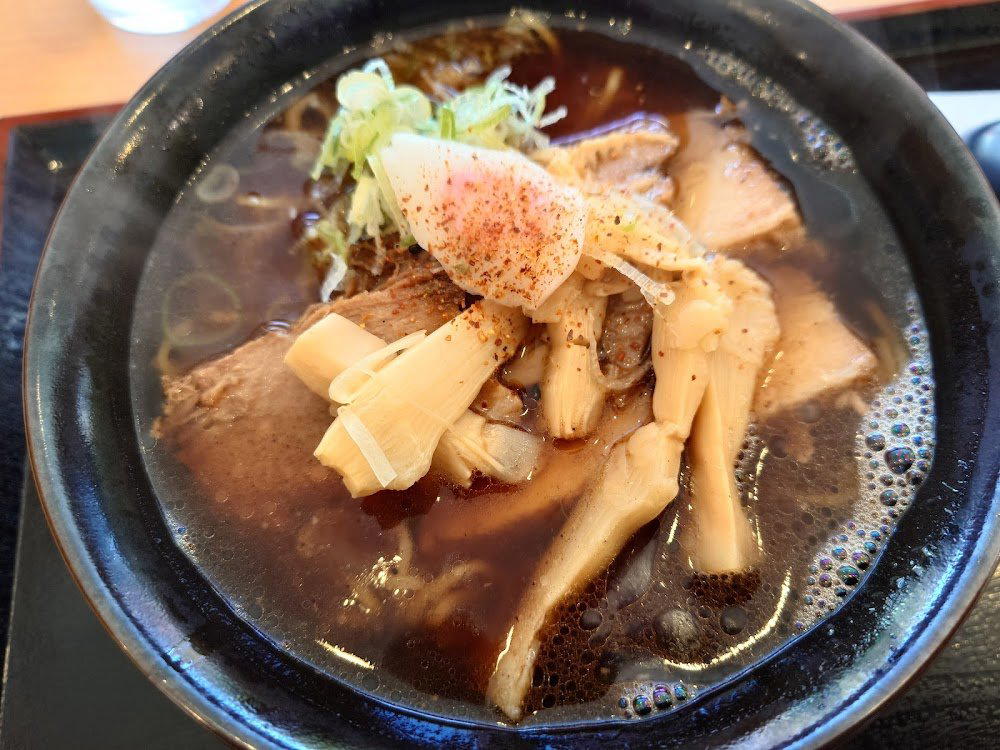
The menu
See the current menu on j47.jp →Approach in Toki and the signal is domestic, not theatrical: a Japanese-cuisine address in a smaller city, shaped less by spectacle than by the expectations of diners who want the meal to feel rooted in its setting. In a regional context, that matters. A serious local meal is not judged by how closely it imitates a metropolitan counter; it is judged by control, seasonality, sourcing, and a room that lets the cooking speak without excess performance.
Shin Japanese cuisine Kanya belongs to that regional tier. Its listing in the Tabelog Hyakumeiten recognition set for 2025 gives it a clear external marker, and the category is straightforward: Japanese Cuisine. That combination places it in a useful lane for travelers who want a planned meal in Toki rather than another generic stop between local errands, craft visits, and rail connections.
Regional Japanese cooking framed by a local inland pantry
Ingredient thinking is the right lens because Toki is neither a coastal sushi capital nor a nightlife-heavy restaurant district. Inland Japanese cooking often draws character from seasonal produce, preserved seasonings, rice, and the discipline of balancing courses instead of relying on luxury seafood alone. Value in this category is not spectacle; it is how well a restaurant connects season, place, and technique.
That makes the Tabelog Hyakumeiten 2025 recognition significant. The list does not simply mirror high-price counter culture in the largest cities; it also catches regional rooms where diners care about craft, repeatability, and cooking that travels poorly on social media. Shin Japanese cuisine Kanya sits in that conversation as a Toki address, not a Tokyo satellite, and that distinction is the point. The meal belongs to a slower regional dining pattern, where restraint and setting are part of the experience rather than decoration.
The price band places it above casual local dining while still within a recognizable regional occasion-meal range. In the local comparison set, Nobumi and Una Sen can be read as different points on Toki’s dining map, while Belle Equipe, Niku no Higuchi Chokuei Yakiniku Yasufuku Honten, and Shinano Ya show how varied the city’s restaurant options can be. Kanya’s position is narrower: Japanese cuisine with enough formality for a planned meal, without needing to claim the rarefied pricing or theatre of the capital’s hardest-reserved counters.
A room built for attention rather than spectacle
The way to read Shin Japanese cuisine Kanya is through focus. It is not positioned as a loud, bar-driven stop or a quick casual bite; it is better understood as a seated Japanese-cuisine meal where pacing, seasonality, and the kitchen’s decisions matter. For experienced diners, that kind of restraint is often the difference between a restaurant that merely serves local customers and one that becomes useful to travelers as well.
Drinks should be approached in the same spirit: as support for the meal rather than the main attraction. Regional Japanese cuisine can lose focus when it behaves like an international tasting-menu room; the stronger approach lets rice, fermentation, broth, grilling, simmering, and seasonal produce set the tempo, then chooses pairings that do not pull the meal out of place. That is the lens through which Kanya is most persuasive.
There is also a practical cultural note behind the appeal of a restaurant like this in a smaller city. Japanese fine dining outside the largest urban centers can feel more closely tied to local occasions than to late-night tourism. That does not make the meal casual, but it does change the mood: more measured, more domestic, and more dependent on how well the cooking fits the place. In Toki, that distinction matters.
How to place it within a Toki itinerary
Toki is often read through its local craft context first, then food. That can undersell the city. A Japanese-cuisine meal here works especially well when treated as part of the same regional rhythm: objects, meals, and small decisions made for use rather than display. For a wider local dining map, start with Our full Toki restaurants guide, then use Our full Toki hotels guide, Our full Toki bars guide, Our full Toki wineries guide, and Our full Toki experiences guide to build the rest of the trip.
Travelers comparing Japanese regional dining should keep the frame local rather than chasing a checklist of famous addresses elsewhere. Within Toki, useful contrasts include Belle Equipe, Niku no Higuchi Chokuei Yakiniku Yasufuku Honten, Nobumi, Shinano Ya, and Una Sen, alongside other unnamed dining rooms that fill out the city’s everyday food culture. The point is not to force one hierarchy across different formats, but to understand why Shin Japanese cuisine Kanya occupies a more focused Japanese-cuisine lane.
The editorial case for Shin Japanese cuisine Kanya is not that it competes with Tokyo on glamour. It is that Toki has a serious regional Japanese-cuisine restaurant, with external recognition, a Tabelog score of 3.50, and a price structure that makes it a considered meal rather than an impulsive snack. For travelers already nearby, that makes it sharper than another generic stop between local plans and rail connections.
Frequently asked questions
Can I bring kids to Shin Japanese cuisine Kanya?
Check the venue's official channels for the latest policy. The safest way to plan is to confirm directly before booking, especially for a Japanese-cuisine meal in Toki.
Is Shin Japanese cuisine Kanya better for a quiet night or a lively one?
It reads more as a quiet, seated Japanese-cuisine meal than a lively night out. Plan it as a focused dining stop in Toki rather than a bar-style evening.
What's the pricing like at Shin Japanese cuisine Kanya?
Pricing at Shin Japanese cuisine Kanya is listed as dinner: JPY 8,000 - JPY 9,999; lunch: JPY 5,000 - JPY 5,999.
Is Shin Japanese cuisine Kanya open every day?
Check the venue's official channels for current opening days and hours before you go, as schedules can change.
How do I find Shin Japanese cuisine Kanya?
Toki.
What is Shin Japanese cuisine Kanya known for?
Its clearest credential is selection in the Tabelog Hyakumeiten recognition set for 2025. It is a Japanese-cuisine address in Toki, with lunch at JPY 5,000 to JPY 5,999 and dinner at JPY 8,000 to JPY 9,999.
Quick Comparison
Comparable venues by cuisine and price in the same metro.
| Venue | Cuisine | Price | Awards | Notes |
|---|---|---|---|---|
| Shin Japanese cuisine KanyaThis venue (the venue you are viewing) | Seasonal Japanese Kaiseki | $50–100 | Tabelog 100 #15 | Not listed |
| Rakuichi | Traditional Hokkaido Soba Kaiseki | $50–100 | Not listed | Niseko Annupuri |
| 太平寿し | Traditional Japanese Sushi with Steamed Specialties | Not listed | Not listed | 太平寺 |
| 和食晴ル | Kyoto Kappo Izakaya | $50–100 | Not listed | Shinkyō-chō, Shimogyō-ku |
| Tachigui Sushi Yusho | Standing Sushi | $20–30 | Not listed | Kanazawa Port |
| PRETTY PORK FACTORY & KATSUプリポー | Pork-focused Japanese shabu-shabu, samgyeopsal & tonkatsu | $50–100 | Tabelog 100 #80 | Shibuya (Harajuku) |
Recognition history
Dated appearances from independent guides and award organizations, with the underlying list record or original source where available.
Tabelog 100 #15 · No. 15
Tabelog · Tabelog 100 - Japanese cuisine - EAST - 2025
Continue exploring
More in Toki
Restaurants in Toki
All restaurants in Toki →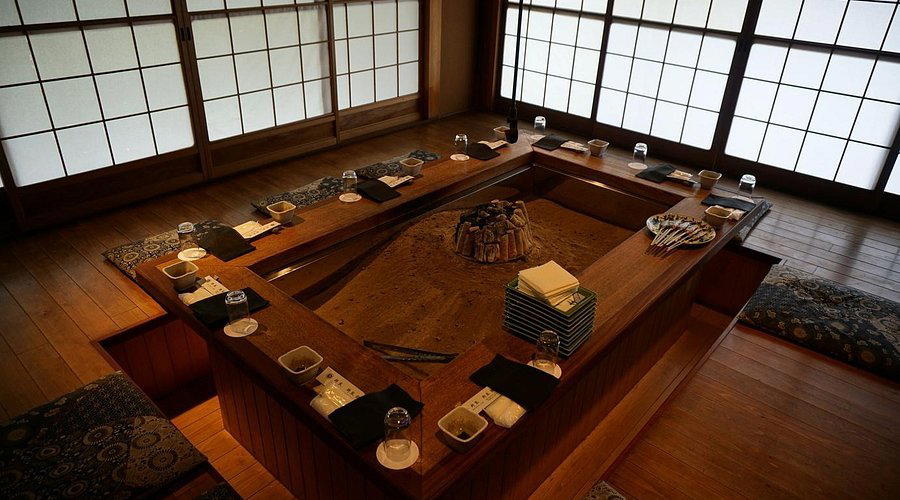




Details
- Quiet
- Classic
- Cozy
- Elegant
- Date Night
- Business Dinner
- Special Occasion
- Celebration
- Standalone
- Design Destination
- Sake Program
- Local Sourcing
- Tasting Menu
- Set Menu
- Sake
Current opening hours
- Monday
- 11:30 AM–2 PM, 5–10 PM
- Tuesday
- 11:30 AM–2 PM, 5–10 PM
- Wednesday
- Closed
- Thursday
- 11:30 AM–2 PM, 5–10 PM
- Friday
- 11:30 AM–2 PM, 5–10 PM
- Saturday
- 11:30 AM–2 PM, 5–10 PM
- Sunday
- 11:30 AM–2 PM, 5–10 PM
Hours can change for holidays and private events. Hours as of .
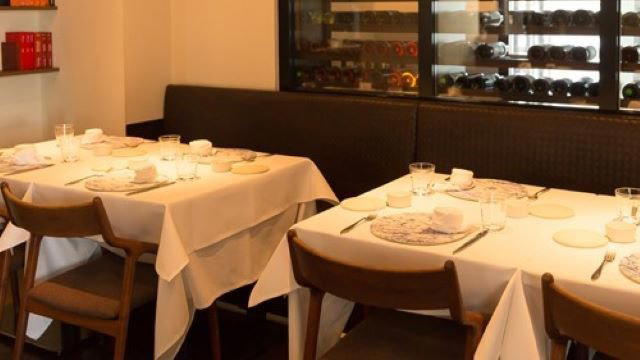
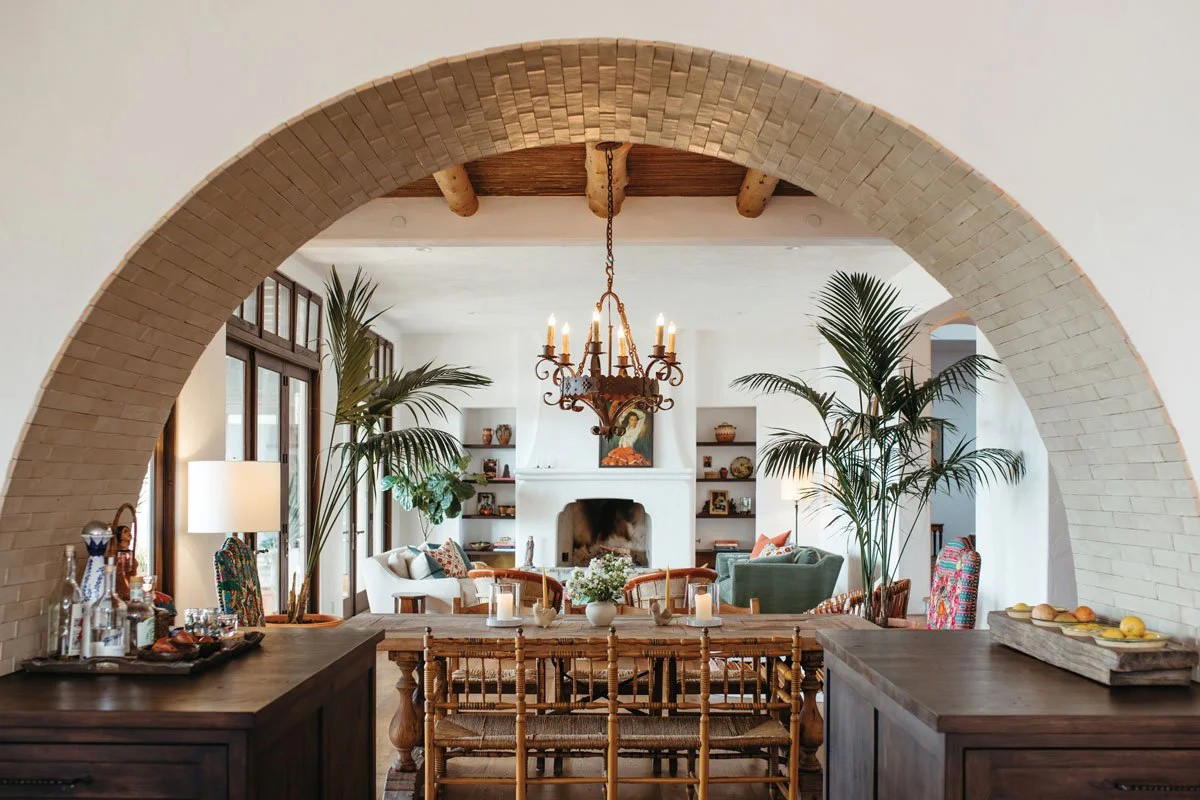
A calm, intimate Japanese dining room with a classic, understated design that focuses attention on carefully presented seasonal dishes rather than on flashy decor.