
SHIER Omakase brings Guangzhou into the Japanese counter-dining conversation through a format where sourcing, pacing, and restraint matter more than spectacle. Its Black Pearl Restaurant Guide 2026 one-diamond recognition gives it a clear trust signal in a city better known internationally for Cantonese depth than for omakase counters.

Pearl is the En Primeur Club membership app — saves, bookings, and concierge access live there. Same editors, same standards.
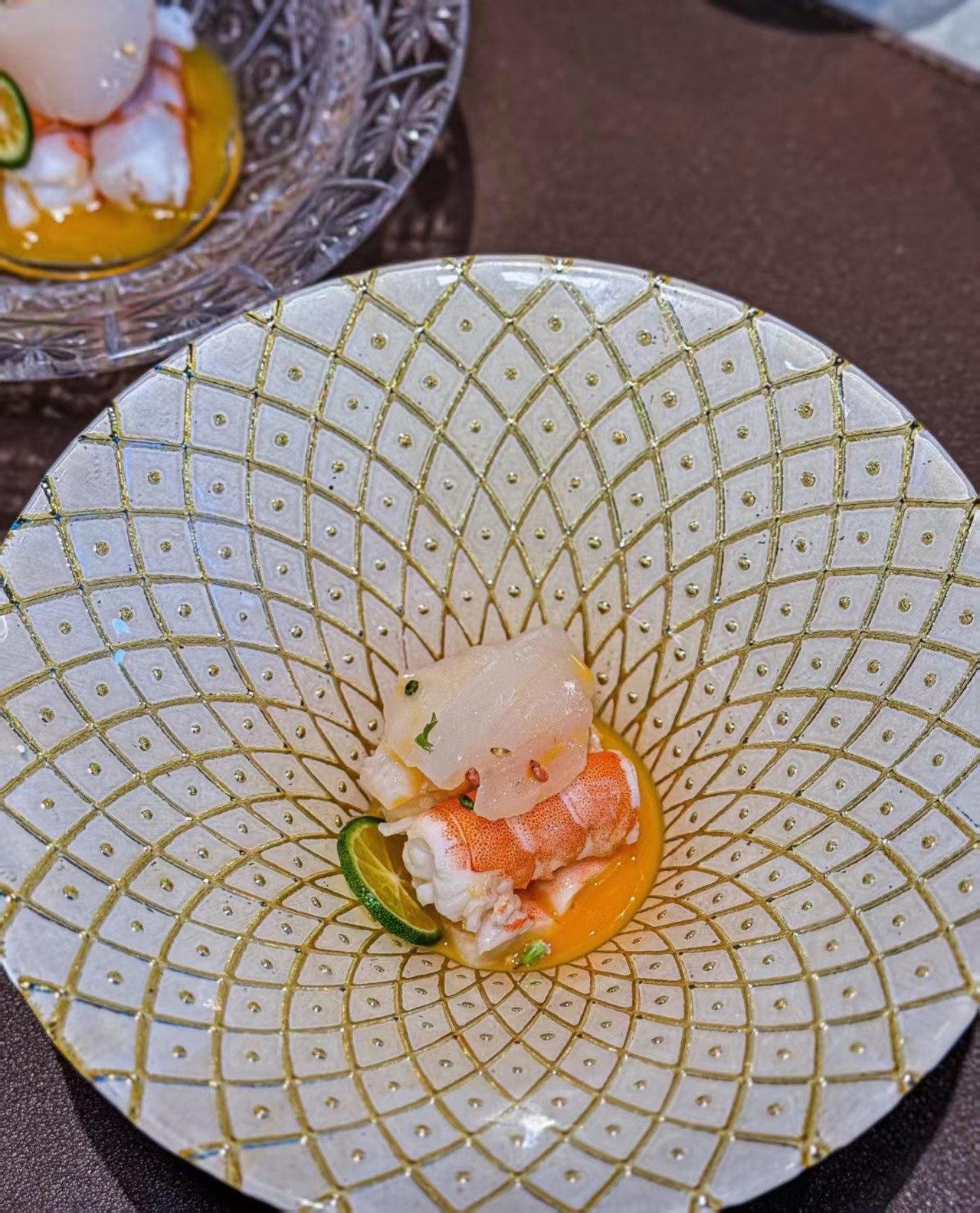
The omakase counter asks for a different kind of attention from Guangzhou diners. Instead of the shared-table grammar that defines much of the city’s Cantonese dining culture, the format narrows the room to sequence, temperature, knife work, and the sourcing decisions behind each course. SHIER Omakase enters that conversation with Black Restaurant Guide 2026 one-diamond recognition, a useful marker in a city where Japanese fine dining competes not only with imported benchmarks but with Guangzhou’s own ingredient-led traditions.
That tension is the interesting part. Guangzhou has long treated freshness as a form of status: live seafood tanks, seasonal river fish, carefully timed market cooking, and a Cantonese suspicion of unnecessary interference. Omakase, when handled seriously, is not far from that logic. The chef’s counter simply changes the language. Provenance replaces banquet abundance; sequence replaces table-wide choice; rice temperature and cutting rhythm become part of the argument. In this context, the venue is less an outlier than a different expression of a local habit: paying attention to where food comes from and how little it needs to be pushed.
Ingredient sourcing matters more than theatre at the counter
Guangzhou’s Japanese dining scene has matured beyond the early prestige signals of imported fish and minimalist rooms. The stronger counters now have to answer harder questions: what arrives in season, what is handled locally, what is flown in, and how the kitchen manages the gap between Japanese technique and South China’s climate, supply chains, and diner expectations. The Black one-diamond listing places SHIER Omakase inside that quality conversation without requiring the restaurant to mimic Tokyo as a costume.
The sourcing angle is especially relevant in Guangzhou because the city’s diners already understand procurement. A high-end Cantonese meal can rise or fall on the condition of a crab, the timing of a vegetable, or the clarity of a stock. Omakase translates the same concern into a narrower, more scripted format. The result is a meal where value is not measured by variety alone, but by the confidence of selection: fewer decisions for the guest, more accountability for the kitchen.
For readers mapping the city more broadly, the contrast with Cantonese institutions is useful. Beiyuan Cuisine (Cantonese) and Bingsheng Mansion (Cantonese) sit closer to Guangzhou’s native dining grammar, while AKEN’S KITCHEN, Al Fresco, and Aroma (European) show how international formats have been absorbed into the city’s premium circuit. SHIER Omakase belongs to that second pattern, but its credibility depends on the first: Guangzhou rewards kitchens that take ingredients seriously.
Why the recognition carries weight in Guangzhou
Black ’s one-diamond tier matters because it is calibrated for Chinese dining markets rather than imported prestige alone. For a Guangzhou omakase counter, that recognition signals relevance to local luxury diners who may move between Cantonese dining rooms, European tasting menus, and Japanese counters in the same month. It does not settle every question about the meal, but it establishes that the restaurant has been judged within a Chinese fine-dining framework.
That framework is helpful for visitors. In cities with deep native food cultures, the risk with imported formats is sameness: polished rooms, expensive ingredients, and little sense of place. Guangzhou is harder to fool. The city’s dining culture has a long memory for seasonality and product quality, and omakase succeeds here only when it respects that intelligence. The more compelling reading of the restaurant is therefore not as a transplant, but as a test of how Japanese counter dining can operate in a Cantonese city without losing discipline.
The point is not that these kitchens serve the same food; it is that regional Chinese dining increasingly rewards restaurants with a clear relationship to sourcing, format, and local expectation.
How to frame the meal within a Guangzhou trip
The restaurant works well for a controlled, counter-led evening rather than a large social meal. The format naturally suits diners who want a sequence chosen by the kitchen and who are comfortable letting ingredient selection define the night. Families with children, large groups, or guests looking for flexible ordering may find Cantonese dining rooms more natural for the city.
For planning, treat the restaurant as part of Guangzhou’s premium dining layer and allow the evening to be shaped around the meal rather than squeezed between bar stops. Broader city research can start with Our full Guangzhou restaurants guide, then branch into Our full Guangzhou hotels guide, Our full Guangzhou bars guide, Our full Guangzhou wineries guide, and Our full Guangzhou experiences guide. For readers tracking Japanese food culture beyond China, Jōdo Saké Bar in Los Angeles and Onigiri Time in Pasadena offer useful contrast in how Japanese formats travel across cities.
In Context
Comparable venues nearby, for context on price, style, and recognition.
| Venue | Cuisine | Price | Awards | Notes |
|---|---|---|---|---|
| SHIER OmakaseThis venue — the venue you are viewing | High-End Japanese Omakase | $$$$ | Not listed | Not listed |
| Suyab Courtyard | Not listed | $$$$ | Not listed | Panyu, Refined Chao Zhou / Chiu Chow fine dining |
| The Eminent | Guangzhoushi, Modern Cantonese | $$$$ | Michelin Plate | Not listed |
| Aroma | Guangzhoushi, Modern European | $$$ | Michelin Plate | Not listed |
| Flavor Restaurant | Not listed | $$$ | Not listed | Guangzhoushi, Huaiyang and Sichuan Chinese |
| BingSheng Private Kitchen | Tianhe, Fine Cantonese Private Kitchen | $$$ | Not listed | Not listed |
Recognition history
Dated appearances from independent guides and award organizations, with the underlying list record or original source where available.
Black Pearl 1 Diamond
Black Pearl
Continue exploring
More in Guangzhou
Restaurants in Guangzhou
Browse all →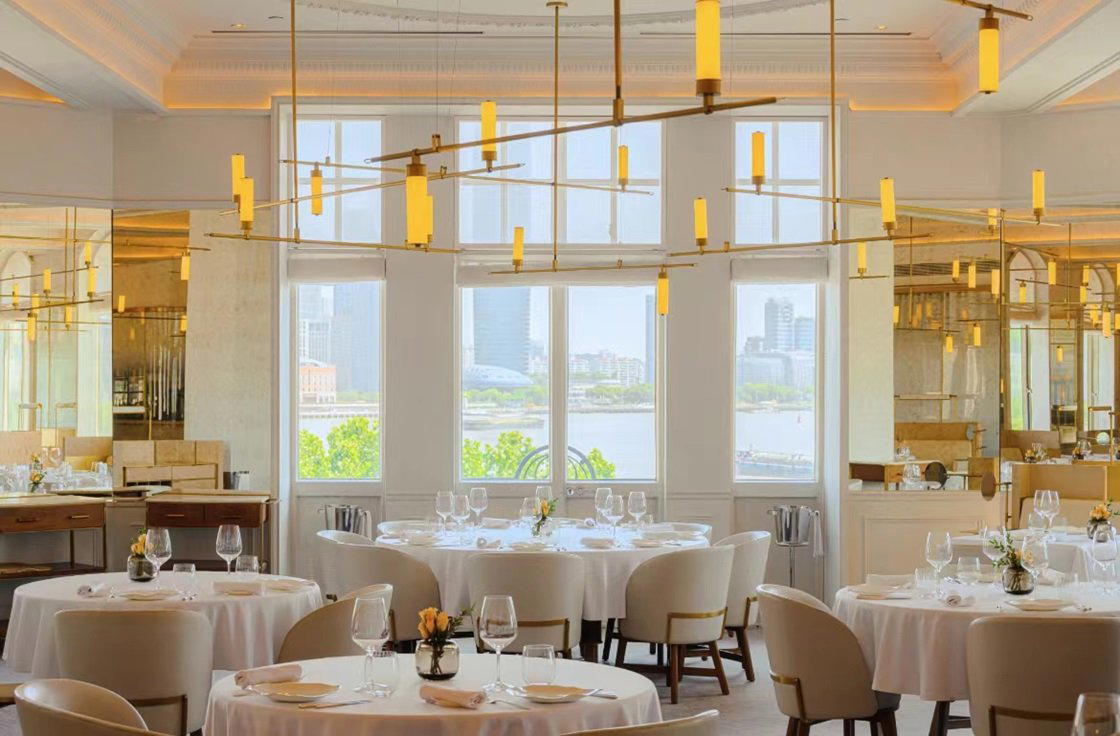
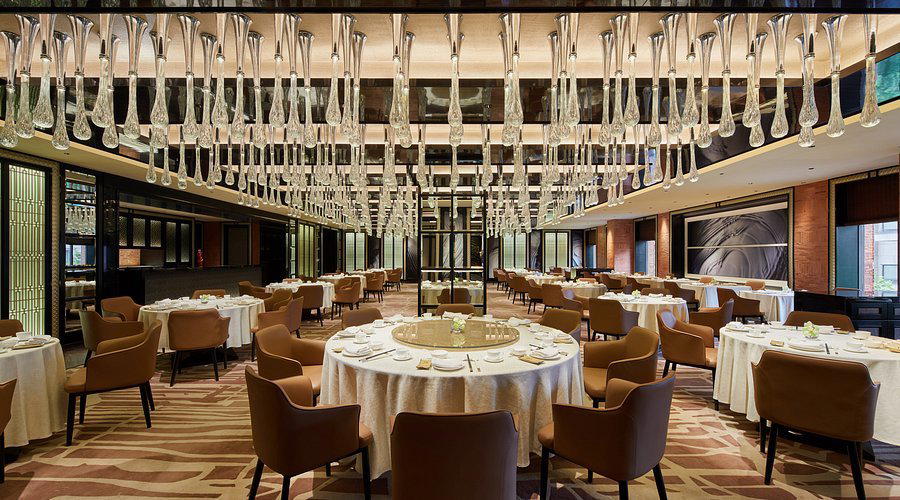
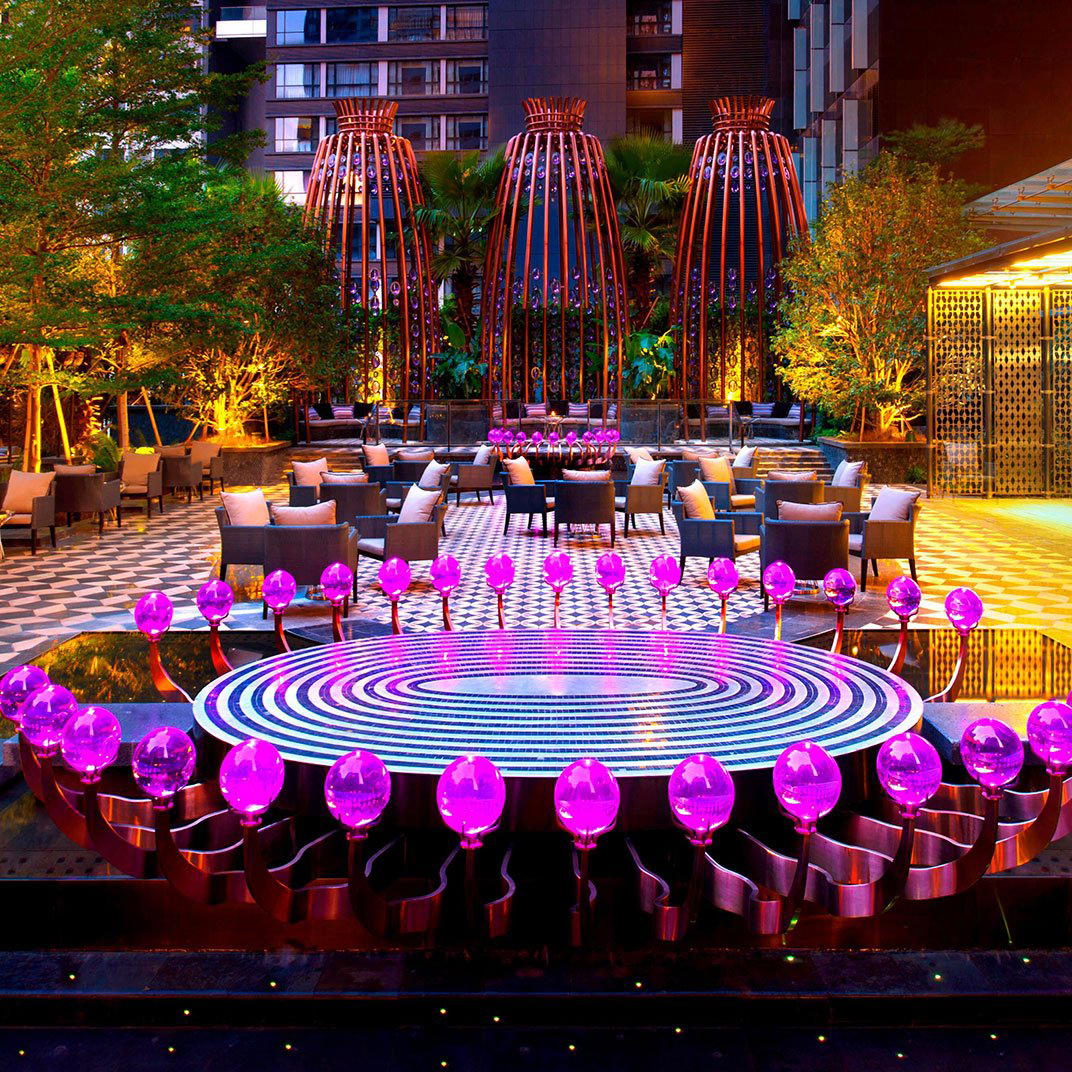
Bars in Guangzhou
Browse all →
At a Glance
- Elegant
- Intimate
- Sophisticated
- Modern
- Date Night
- Special Occasion
- Business Dinner
- Solo
- Chefs Counter
- Standalone
- Sake Program
- Sustainable Seafood
An intimate, minimalist Japanese omakase setting with a small counter, soft lighting, and a calm, refined atmosphere focused on the chef’s seasonal tasting menu.