
Tabelog 100 #17
Our verdict
Shichirin Yakiniku Tanoshiira puts Nishio’s grill culture into a serious regional frame: shichirin charcoal cooking, steak and bento categories, and a Tabelog Yakiniku EAST 100 selection in 2025. The draw is not ceremony for its own sake, but the controlled format of beef over a small grill, with semi-private sunken seating and a price tier that sits above casual udon and ramen without entering luxury omakase territory.

Pearl is the En Primeur Club membership app, where members save venues, book tables and use the concierge.

The menu
What to order
- Maboroshi-tan assorted tongue platter
- Black Wagyu fillet
- Chef’s omakase yakiniku course
- Charcoal-grilled offal selection
- Yakiniku bento box
Approach yakiniku in Nishio and the first cue is spatial: tabletop heat, shared decisions and cuts arriving in sequence rather than a chef-led procession. In Aichi, where local dining habits can differ from metropolitan restaurant fashion, shichirin has a different register from counter sushi or kaiseki: tactile, communal and dependent on sourcing discipline because diners cook with little room for disguise.
Shichirin Yakiniku Tanoshiira has unusual visibility for a Nishio address. Its 2025 recognition through Tabelog’s Hyakumeiten context places it in a regional field beyond the city’s everyday dining rotation. In yakiniku, consistency in procurement, trimming, seasoning and grill management reveals itself over repeat meals, not one showpiece plate.
Charcoal grilling makes sourcing the central argument
Yakiniku is often described through marbling, but control is the better lens. A shichirin concentrates heat and forces fast decisions: thicker cuts need patience, thinner slices punish hesitation, and heavily sauced meat can overwhelm charcoal if fat, sweetness and smoke are not balanced. The format makes ingredient selection visible. Yakiniku, steak and bento categories show a kitchen working across several uses of meat rather than one tasting-menu script.
That range suits Nishio. Dinner sits at JPY 5,000 to JPY 5,999, while lunch is JPY 2,000 to JPY 2,999, above everyday quick dining yet below many destination beef rooms elsewhere in Aichi. Inside Nishio, Sanshu Teuchi Udon Garyu offers a different regional meal pattern. The contrast clarifies the choice: udon answers one kind of local appetite; yakiniku here is a longer table built around meat quality, pacing and group dining.
The Tabelog score of 3.56 should be read in the platform’s Japanese context, where scores compress and category lists carry weight beyond raw decimals. The 2025 Hyakumeiten recognition is the stronger signal, placing the restaurant among serious grill specialists rather than just Nishio’s local rotation. That helps travelers building an Aichi food itinerary already anchored by regional staples rather than another metropolitan tasting counter.
A table-centered format suits Nishio better than counter drama
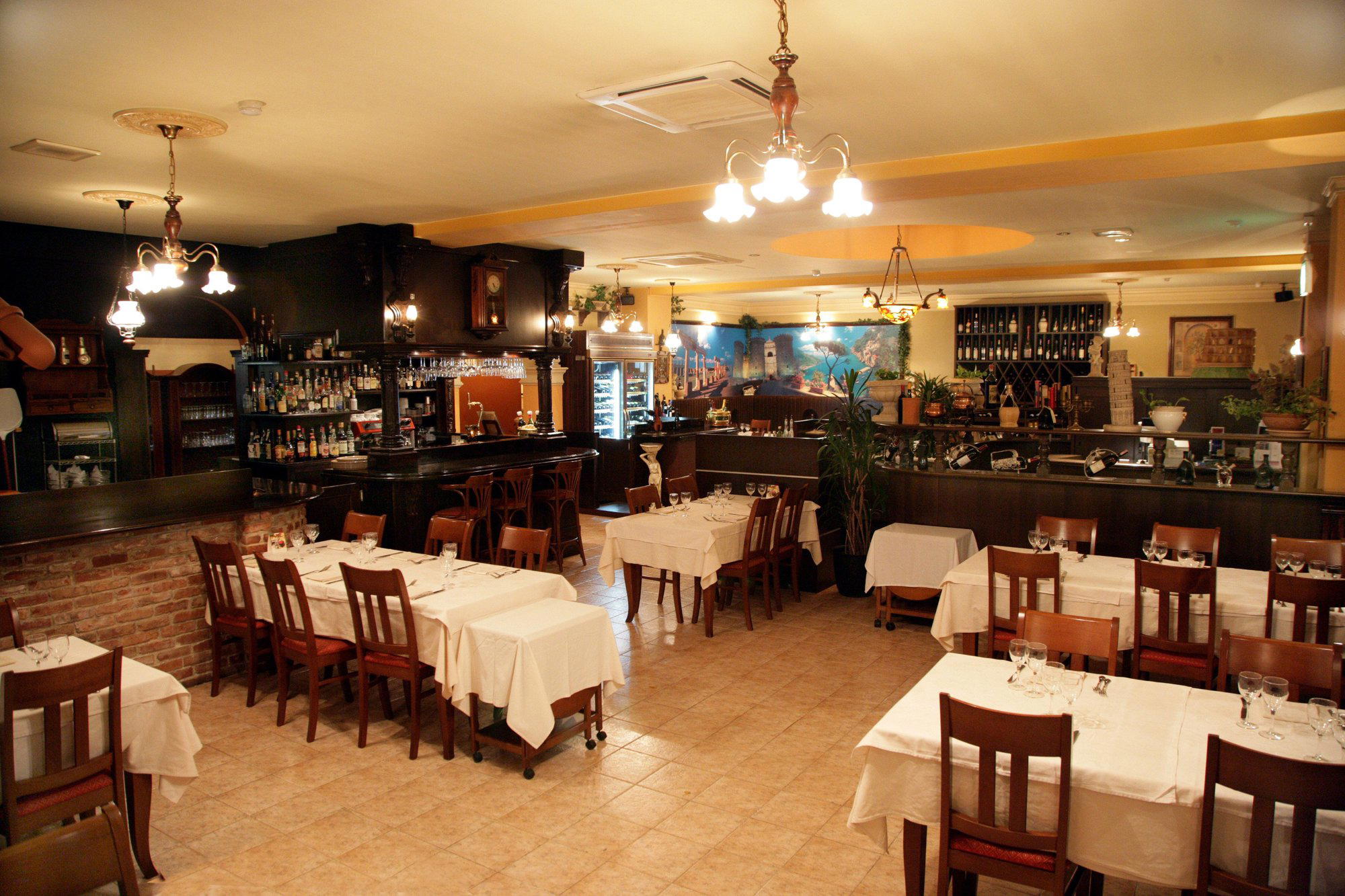
The room reinforces the style without needing counter theatrics to make its point. Yakiniku produces smoke, heat, conversation and timing negotiations; a table-centered format lets groups manage the grill together instead of turning the meal into a hushed performance. The emphasis is practical: meat, fire and pacing have to work in real time.
That makes the restaurant feel distinct from both formal beef counters and casual volume chains. This Nishio restaurant sits between those poles: structured enough for regional recognition, relaxed enough to serve as a local meal rather than a ceremony. The appeal is not built on spectacle but on the way the format gives diners direct responsibility for the grill.
Drinks may broaden a yakiniku meal, but the central pairing here is still heat and meat rather than a bar identity. Salt, sauce, fat and smoke shape the table more than any single beverage choice. The point is flexibility, not performance: diners can build the meal around the cuts, the grill and the rhythm of conversation.
Nishio’s dining map is compact but varied. Other Nishio dining rooms show the city’s casual and regional range, while the complete restaurant context sits in our full Nishio restaurants guide. For travelers treating the city as more than a lunch stop, the adjacent planning rails help too: our full Nishio hotels guide, our full Nishio bars guide, our full Nishio wineries guide and our full Nishio experiences guide separate a single meal from a fuller Aichi itinerary.
How to place it within a Japan food itinerary
The restaurant’s value is clearest for diners who care about ingredient handling but do not need a chef biography to justify the meal. No chef name is central to the public identity, which is not a weakness. Yakiniku houses often work through procurement networks, cutting skill, table setup and service pacing, rewarding repeatable systems more than personal mythology.
Its Nishio setting makes it viable without treating the city as an isolated food detour. The lunch and dinner price bands create a useful rhythm: lunch can be a more contained introduction, while dinner gives the grill format more room. For visitors comparing options, the key is to plan around a table meal rather than a quick counter stop.
For readers comparing Japanese meat formats across regions, the contrast is instructive. Other beef-led restaurants in Japan may point toward sukiyaki, steakhouse service or more formal course structures. The Nishio address is less about choreography than grill immediacy: heat, timing, fat and smoke managed at the table.
Those mapping a wider Japan trip can use it as one node among different formats: unnamed charcoal rooms, seafood counters, curry specialists, cafes and casual Japanese dining all answer different travel needs. Overseas Japanese restaurants show how categories travel, but shichirin remains anchored in distinctly domestic table culture and in the shared labor of cooking at the table.
The editorial case for Shichirin Yakiniku Tanoshiira is narrow and strong: go for a Nishio yakiniku meal where charcoal format, meat-focused categories and 2025 Tabelog recognition align. It does not mimic a metropolitan counter. It gives beef, fire and group dining the room they need.
Frequently asked questions
Is Shichirin Yakiniku Tanoshiira a family-friendly restaurant?
The public facts available here do not specify a family policy. Its yakiniku format is table-centered, so check the venue's official channels for the latest details before planning a family meal in Nishio.
What's the overall feel of Shichirin Yakiniku Tanoshiira?
It reads as a Nishio yakiniku restaurant built around shichirin grilling rather than a counter-led tasting format. The appeal is the shared table rhythm of meat, heat and timing.
Is Shichirin Yakiniku Tanoshiira more mid-range or high-end?
Pricing at Shichirin Yakiniku Tanoshiira is listed as Dinner: JPY 5,000 - JPY 5,999; Lunch: JPY 2,000 - JPY 2,999.
When is Shichirin Yakiniku Tanoshiira open?
Current opening hours are not provided here. Check the venue's official channels for the latest schedule before visiting.
Where exactly is Shichirin Yakiniku Tanoshiira?
Nishio.
What makes Shichirin Yakiniku Tanoshiira worth seeking out?
Its strongest credential is its 2025 Tabelog recognition. Add the shichirin grill format, a Tabelog score of 3.56, and a dinner budget of JPY 5,000–JPY 5,999, and it sits firmly in the Nishio yakiniku conversation.
A Quick Peer Check
Comparable venues by cuisine and price in the same metro.
| Venue | Cuisine | Price | Awards | Notes |
|---|---|---|---|---|
| Shichirin Yakiniku TanoshiiraThis venue (the venue you are viewing) | Traditional Japanese Yakiniku with Shichirin Charcoal Grill | $30–50 | Tabelog 100 #17 | Not listed |
| Sanshu Teuchi Udon Garyu | Traditional Japanese Udon Shop | Not listed | Tabelog 100 #77 | Nishio |
| Pizzeria Ocean | Beachfront Organic Pizza & Italian | $20–30 | Tabelog 100 #18 | Terabecho, Nishio |
| Takano Fruit Parlour | Japanese Fruit Parlor | $30–50 | Not listed | Shinjuku |
| Syokusai Hirafu (食彩 比羅夫) | Traditional Japanese Sushi & Sashimi | $30–50 | Not listed | Hirafu |
| Konasu | Seasonal Japanese Cuisine & Tempura Omakase | $50–100 | Tabelog 100 #50 | Kariya Sta. |
Recognition history
Dated appearances from independent guides and award organizations, with the underlying list record or original source where available.
Tabelog 100 #17 · No. 17
Tabelog · Tabelog 100 - Yakiniku - EAST - 2025
Continue exploring
More in Nishio




Details
- Cozy
- Lively
- Intimate
- Group Dining
- Family
- Celebration
- Casual Hangout
- Date Night
- After Work
- Private Dining
- Standalone
- Beer Program
- Sake Program
- Local Sourcing
- A La Carte
- Set Menu
- Family Style
- Beer
- Sake
- Shochu
Current opening hours
- Monday
- Closed
- Tuesday
- 5–11 PM
- Wednesday
- 5–11 PM
- Thursday
- 5–11 PM
- Friday
- 5–11 PM
- Saturday
- 11:30 AM–2:30 PM, 5–11 PM
- Sunday
- 11:30 AM–2:30 PM, 5–11 PM
Hours can change for holidays and private events. Hours as of .
Warm, cozy atmosphere with all private horigotatsu rooms and a focus on intimate group dining; the feel is lively yet comfortable, centered around the glow and aroma of shichirin charcoal grills.