Shichifuku

Shichifuku belongs to Nakatsugawa’s chestnut-sweets tradition, a regional craft shaped by mountain agriculture, autumn gifting culture, and the disciplined restraint of wagashi. Its Tabelog 100 selection for Japanese traditional sweets and sweets cafe in 2023 places it in a serious local conversation rather than a casual snack stop.
Pearl is the En Primeur Club membership app — saves, bookings, and concierge access live there. Same editors, same standards.
- Address
- 岐阜県中津川市中津川3022-18
- Phone
- +81573667311
- Website
- 7fuku.co.jp
 Saves & bookings on Pearl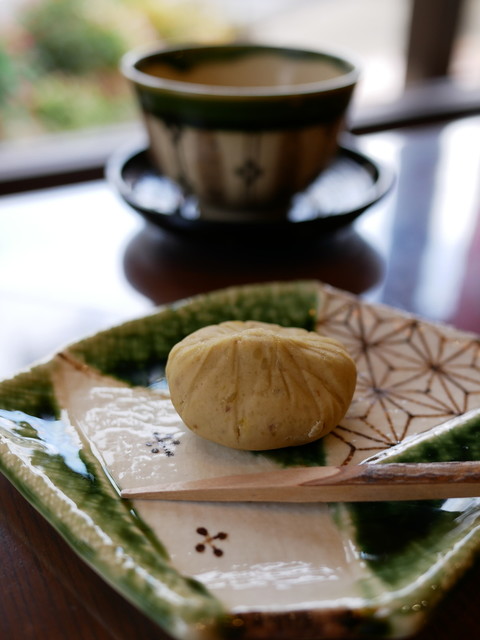
Approaching a wagashi shop in Nakatsugawa is less about spectacle than calibration: the pace drops, the shopfronts read quietly, and the city’s mountain-edge identity starts to matter. This is chestnut country, and the sweets culture here is built around a crop that carries more local weight than any imported pastry trend. Shichifuku sits inside that tradition, where the measure of quality is not excess but how clearly chestnut, bean, sugar, and season are allowed to register.
Nakatsugawa’s sweets scene rewards comparison at close range. Kawakamiya Honten, Kurinton Honke Suya Honten, Shogetsu Do, and Suya Nishiki all point to the same regional truth: Japanese traditional sweets in this part of Gifu are not after-dinner decoration. They are seasonal craft, travel purchase, local identity, and agricultural memory compressed into a small format.
Chestnut country, not pastry theater
The useful way to read this address is through sourcing. Nakatsugawa is closely associated with kurikinton, the chestnut sweet that defines much of the city’s confectionery reputation. That matters because wagashi made around chestnut has a different logic from Western dessert culture. The sugar has to support rather than dominate. Texture carries meaning. Seasonality is not a menu flourish; it is the point of the category.
Shichifuku’s inclusion in the Tabelog 100 list for Japanese traditional sweets and Japanese sweets cafes in East Japan in 2023 gives the shop a credible external marker in a field where reputation often travels through gifting, local habit, and repeat seasonal purchase rather than restaurant-style ceremony. The same awards history also notes selection in the sweets category in 2018, 2019, 2020, and 2022, which signals continuity across several cycles of public recognition.
The price band, below JPY 999, is part of the appeal but not the full story. In Nakatsugawa, serious wagashi can remain modestly priced because the format is compact and retail-led. That makes the category unusually democratic compared with destination dining elsewhere in Japan. A visitor can understand a city’s food grammar through a sweet bought in minutes, while a soba meal at Teuchi Soba Wakuri sits in a different price and pacing bracket.
This is also why the city’s confectioners are better judged as a cluster than as isolated stops. The differences among shops matter, but the larger pattern matters more: chestnut as raw material, wagashi as craft language, and the railway-town rhythm of visitors carrying sweets onward. For broader planning, Our full Nakatsugawa restaurants guide gives the category more context across meals, while Our full Nakatsugawa experiences guide helps frame why food here often overlaps with craft and place.
Where a low-price sweet shop carries serious regional meaning
Japanese dining coverage often gives attention to counters, tasting menus, and chefs with international resumes. Nakatsugawa asks for a different reading. A traditional sweets shop with a sub-JPY 999 spend can carry more local specificity than a polished restaurant in a larger city. The signal is not luxury spend; it is whether the format preserves the relationship between ingredient, season, and regional habit.
That distinction becomes clearer when set against broader Japan itineraries. A beef-focused address such as -Grilled beef Sukiyaki- KAMAKURA TANUKIAN 鎌倉 たぬき庵 in Kamakura, an urban grill like. 鮪と炭火焼き うお炭 秋葉原店 in Tokyo, or a cafe listing such as.cafe in Osaka belongs to a different travel appetite. Nakatsugawa’s sweets are quieter, more portable, and more tied to a particular agricultural identity.
That does not make the experience minor. It makes it precise. Wagashi is one of Japan’s clearest examples of restraint as a technical value: shape, sweetness, and portion are controlled so that the ingredient does the work. In a chestnut town, that restraint becomes a test of seriousness. Heavy-handed sweetness would flatten the reason to be here.
The room and service format are not the headline. The category is. Shichifuku functions as evidence of how Nakatsugawa treats sweets as civic culture, not merely as souvenirs. The Tabelog 3.65 score adds another public signal, but the stronger argument is the shop’s place within a city where several confectioners occupy the same small competitive field and where the audience understands the difference between generic sweetness and seasonal chestnut craft.
How to place it in a Nakatsugawa itinerary
For travelers, the smart move is to treat traditional sweets as a daytime anchor rather than a dessert afterthought. Nakatsugawa’s food day can move from wagashi to soba, then outward into the Kiso Valley’s walking routes and post-town history. The category also works well for families because the spend is low, the format is casual, and the decision does not require a long tasting-menu commitment.
Hotels, bars, and wineries are not the city’s defining editorial story in the same way sweets are, but they shape the rhythm of a stay. Our full Nakatsugawa hotels guide, Our full Nakatsugawa bars guide, and Our full Nakatsugawa wineries guide are useful for building the practical frame around a sweets-led day.
Compared with larger-city dining, the pleasure here is narrow and specific. It is not the late-night energy of.know in Kumamoto, the specialist comfort of (Shoku) Vietnam in Kawasaki, the curry focus of [Curry Senmon Ten] Maruyama Kyoju. in Sapporo, or the Japanese-drinks lens of Jōdo Saké Bar in Los Angeles and Onigiri Time in Pasadena. Nakatsugawa’s argument is older and more compact: a regional ingredient, a small sweet, and a town that knows exactly why that combination matters.
Comparison Snapshot
Comparable venues by cuisine and price in the same metro.
| Venue | Cuisine | Price | Awards | Notes |
|---|---|---|---|---|
| ShichifukuThis venue — the venue you are viewing | Traditional Japanese Wagashi & Chestnut Sweets | $ | , | |
| Kawakamiya Honten | Traditional Japanese wagashi & chestnut sweets | $ | , | Hommachi |
| Kurinton Honke Suya Honten | Japanese Traditional Sweets | $ | , | Shinmachi, Nakatsugawa |
| Shogetsu Do | Japanese Wagashi & Chestnut Sweets | $ | , | .Nakatsugawa |
| Suya Nishiki | Traditional Japanese wagashi & tea cafe | $ | , | / Nakatsugawa bypass area |
| Teuchi Soba Wakuri | Handmade Soba (Buckwheat Noodles) | $$ | , | Nakatsugawa |
Continue exploring
More in Nakatsugawa
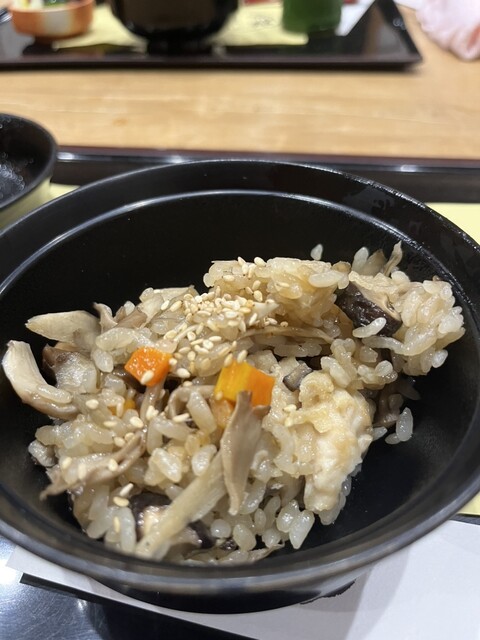
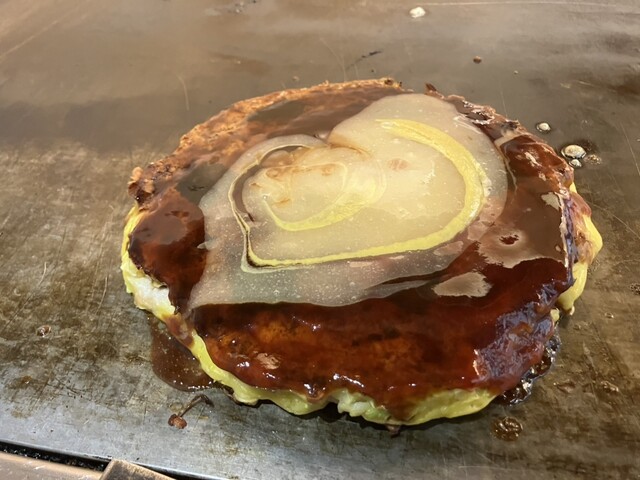
Restaurants in Nakatsugawa
Browse all →
Hotels in Nakatsugawa
Browse all →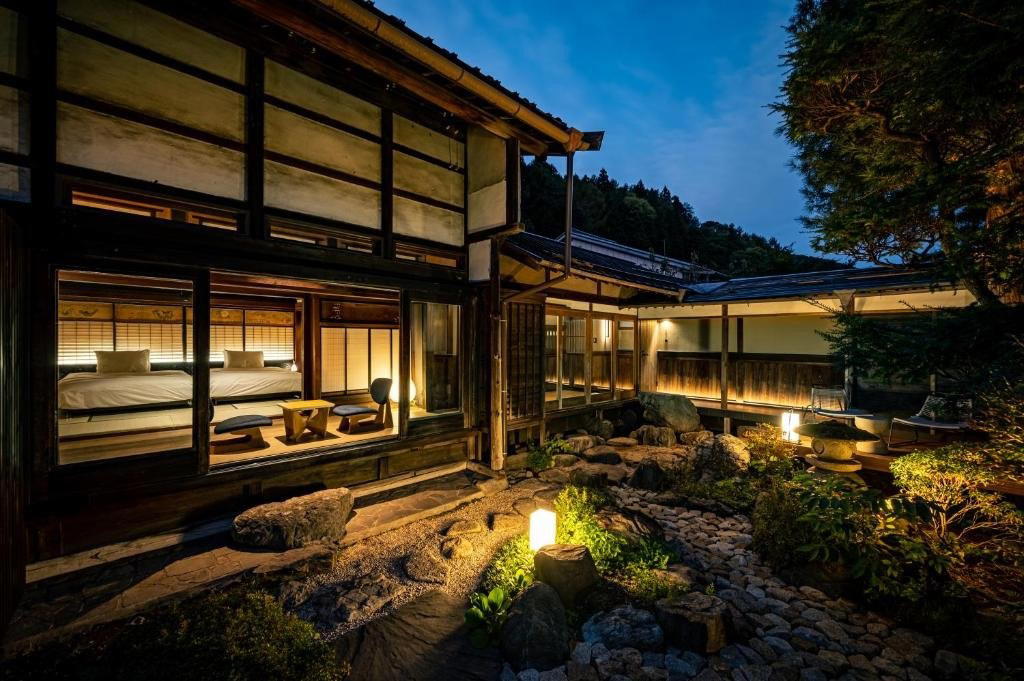
Wineries in Nakatsugawa
Browse all →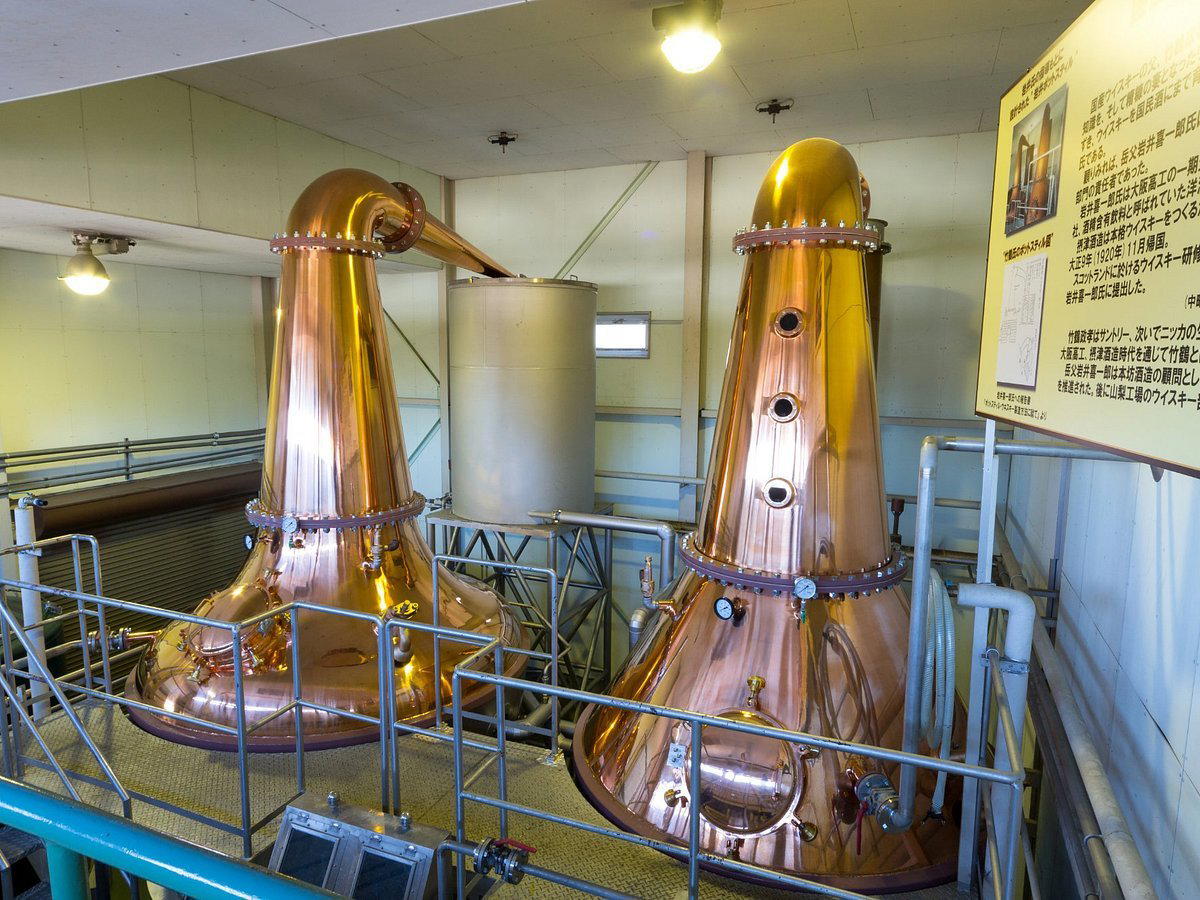
At a Glance
- Classic
- Cozy
- Hidden Gem
- Family
- Casual Hangout
- Solo
- After Work
- Standalone
- Local Sourcing
- Farm To Table
A small, traditional Japanese sweets shop with a classic, homely feel, focused on take-home wagashi rather than sit-down dining, with a relaxed and unhurried atmosphere typical of a local confectioner.