Shogetsu Do

Tabelog 100 #26
Our verdict
Shogetsu Do belongs to Nakatsugawa’s serious wagashi circuit, a city where chestnut sweets carry the weight that sushi counters carry in Ginza. Its selection for Tabelog’s 2023 Japanese traditional sweets and sweets cafe EAST 100 places it in a regional field defined by ingredient discipline, restrained sweetness, and seasonal gifting culture rather than restaurant theatre.

Pearl is the En Primeur Club membership app, where members save venues, book tables and use the concierge.
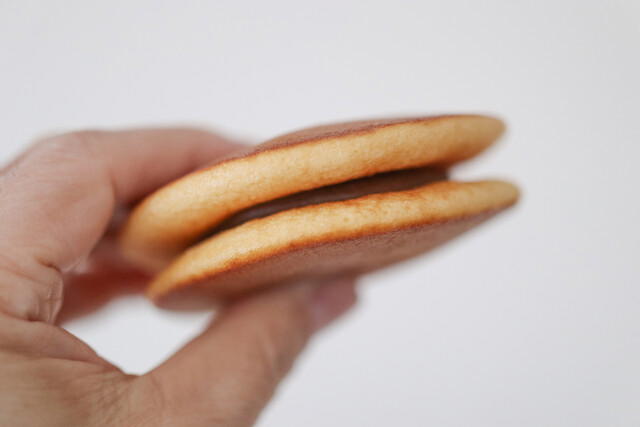
Approaching Nakatsugawa, the cues are quieter than in Japan’s large dining capitals: shopfront noren, boxed sweets in careful rows, and the rhythm of customers buying for home, guests, or the train ride onward. This is not a city built only around long tasting menus. Its serious food culture often sits behind wagashi counters, where traditional technique, sweetness, texture, and tea-side etiquette form a grammar locals understand without explanation.
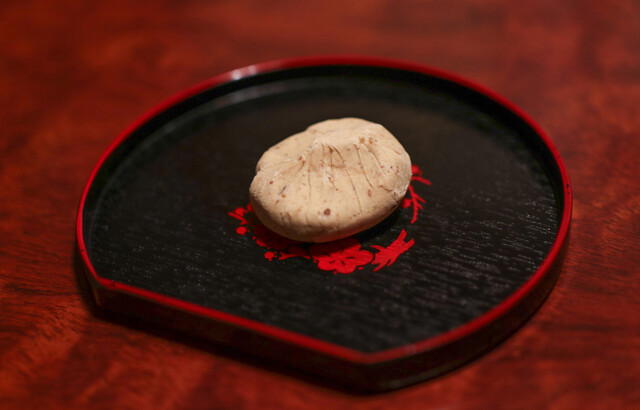
Shogetsu Do belongs to that world. The relevant comparison is not a dessert course after dinner, but Nakatsugawa’s broader confectionery tradition, where regional identity is measured in seasonal sweets and precision of texture. Its inclusion in Tabelog’s 2023 Hyakumeiten recognition for Japanese traditional sweets gives the shop a clear external signal, placing it among selected wagashi addresses rather than among casual souvenir stops.
Nakatsugawa wagashi is built around ingredients, not spectacle
Nakatsugawa’s reputation in Japanese sweets is inseparable from its local confectionery culture. In this category, ingredient handling matters because small changes in moisture, sweetness, and balance alter the whole result. Wagashi here is not plated for drama; it is shaped for short shelf life, gifting etiquette, tea pairing, and seasonal recognition. That is why the city’s better sweets shops read less like cafes and more like specialists.
The local field is unusually dense. Kawakamiya Honten, Kurinton Honke Suya Honten, Shichifuku, and Suya Nishiki sit in the same Nakatsugawa sweets conversation, while Teuchi Soba Wakuri shows how the city’s food identity also extends beyond sweets into other specialist formats. The better way to read this scene is by category discipline: shops compete on restraint, freshness, and how cleanly a regional sensibility is translated into a portable form.
That makes Shogetsu Do useful for travellers who want to understand Nakatsugawa through everyday culinary infrastructure rather than a formal meal. A wagashi purchase here sits in the same cultural lane as tea sweets and regional omiyage: food designed to travel, to mark place, and to be shared. The shop’s listed price band of JPY 1,000 - JPY 1,999 also keeps it within the practical range of comparison shopping across several Nakatsugawa specialists, which is exactly how many Japanese sweets enthusiasts approach the city.
How to read the counter: selection, recognition, and restraint
The Tabelog Hyakumeiten selection matters because wagashi shops rarely have the international award vocabulary that fine dining restaurants use. Michelin stars and global restaurant rankings do not explain this category well. A sweets-focused list is a better signal: it evaluates a field where service format is simpler, menus may shift, and the craft is often expressed through repetition rather than novelty.
For a traveller, the editorial question is not whether this is a sit-down destination on the level of a reservation-only restaurant. It is whether the counter helps decode Nakatsugawa’s confectionery language. On that measure, Shogetsu Do fits a compact itinerary: compare one or two sweets-led shops, buy small, and pay attention to how sweetness, texture, and finish are handled differently from address to address. That comparison teaches more than ordering heavily in one place.
There is also a practical distinction between Japanese sweets culture and Western dessert culture. Wagashi is often calibrated for tea, season, and portion control rather than richness. The craft rewards attention to finish: how quickly sweetness recedes, whether the texture feels heavy or clean, and how clearly the central character comes through. Those are the terms that matter in Nakatsugawa, especially for visitors who have only encountered wagashi in department-store basements or hotel tea sets.
Shogetsu Do’s value is strongest when placed inside a broader city crawl. Use Our full Nakatsugawa restaurants guide to pair sweets with lunch, and check Our full Nakatsugawa hotels guide if staying overnight rather than passing through by rail. The city has enough specialist food addresses to justify more than a transfer stop, especially for travellers tracing regional food culture through this part of Japan.
Where it fits in a Japan food itinerary
Japan’s premium dining coverage often overweights omakase counters, kappo rooms, and kaiseki inns. Nakatsugawa argues for a different kind of seriousness: small purchases, regional identity, and shops that locals use without ceremony. That style can be more revealing than another long dinner, because it shows how craft survives in daily commerce. The format is modest, but the standards are not.
For broader planning, Nakatsugawa works well as a focused food stop rather than a city to over-schedule. Beyond restaurants, Our full Nakatsugawa bars guide, Our full Nakatsugawa wineries guide, and Our full Nakatsugawa experiences guide help separate what belongs to the city itself from what needs a wider regional itinerary. The strongest plan keeps the sweets crawl within Nakatsugawa, then builds meals and lodging around onward rail timing.
Readers comparing Japanese regional food formats can place this style beside other specialist categories across the country and abroad: focused counters, casual seafood and charcoal, cafe culture, and contemporary regional dining. For a wider Japanese-food diaspora lens, compare formats with other focused counters and casual specialists rather than broad-menu restaurants. The useful lesson is the same: narrow formats often explain a place better than broad menus.
The editorial call is simple. Treat Shogetsu Do as part of Nakatsugawa’s ingredient-led wagashi circuit, not as a standalone dessert detour. Its recognition gives the address credibility; the city’s sweets tradition gives it meaning.
Frequently asked questions
Where is Shogetsu Do in Nakatsugawa?
Nakatsugawa.
What should I budget for a meal at Shogetsu Do?
Pricing at Shogetsu Do is listed as JPY 1,000 - JPY 1,999.
What are the opening hours for Shogetsu Do?
The public record provided here does not confirm opening hours for Shogetsu Do. Check the venue's official channels for the latest details.
What's Shogetsu Do best at?
Shogetsu Do is strongest on Japanese traditional sweets, which is the category named in the public record. Its Tabelog Hyakumeiten 2023 recognition gives it clear external recognition in Nakatsugawa, and the listed price range sits at JPY 1,000 - JPY 1,999. Check the venue's official channels for the latest details.
Can Shogetsu Do accommodate dietary restrictions?
The public record confirms Japanese traditional sweets, but it does not spell out a dietary-restrictions programme. For ingredient-sensitive orders, call +81-573-65-3008 before placing an order. Check the venue's official channels for the latest details.
How It Stacks Up
Comparable venues by cuisine and price in the same metro.
| Venue | Cuisine | Price | Awards | Notes |
|---|---|---|---|---|
| Shogetsu DoThis venue (the venue you are viewing) | Japanese Wagashi & Chestnut Sweets | $10–20 | Tabelog 100 #26 | Not listed |
| Kawakamiya Honten | Traditional Japanese wagashi & chestnut sweets | $1–10 | Tabelog 100 #62 | Hommachi |
| Kurinton Honke Suya Honten | Japanese Traditional Sweets | $1–10 | Tabelog 100 #64 | Shinmachi, Nakatsugawa |
| Shichifuku | Traditional Japanese Wagashi & Chestnut Sweets | $10–20 | Tabelog 100 #68 | Nakatsugawa |
| Suya Nishiki | Traditional Japanese wagashi & tea cafe | $10–20 | Tabelog 100 #80 | / Nakatsugawa bypass area |
| Teuchi Soba Wakuri | Handmade Soba (Buckwheat Noodles) | $20–30 | Tabelog 100 #93 | Nakatsugawa |
Recognition history
Dated appearances from independent guides and award organizations, with the underlying list record or original source where available.
Tabelog 100 #26 · No. 26
Tabelog · Tabelog 100 - Japanese traditional sweets / Japanese sweets cafe - EAST - 2023
Continue exploring
More in Nakatsugawa
Restaurants in Nakatsugawa
All restaurants in Nakatsugawa →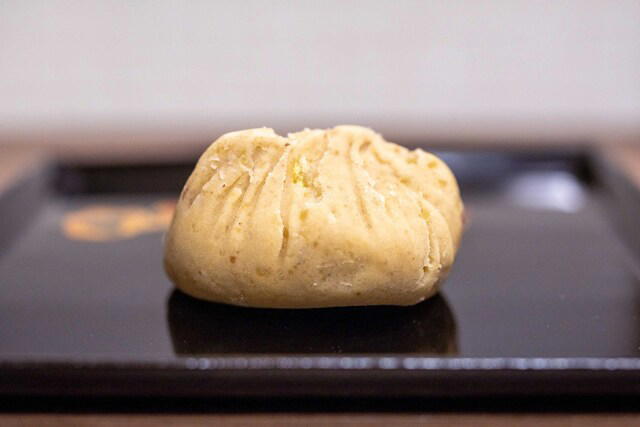
Hotels in Nakatsugawa
Browse all →
Details
- Solo
- Family
- Casual Hangout
- After Work
- Standalone
- Local Sourcing
- A La Carte
Current opening hours
- Monday
- 8:30 AM–6 PM
- Tuesday
- 8:30 AM–6 PM
- Wednesday
- Closed
- Thursday
- 8:30 AM–6 PM
- Friday
- 8:30 AM–6 PM
- Saturday
- 8:30 AM–6 PM
- Sunday
- 8:30 AM–6 PM
Hours can change for holidays and private events. Hours as of .
Bright, simple retail wagashi shop atmosphere focused on takeaway, with a traditional yet unpretentious feel centered on displays of chestnut confections and boxed gifts.