Suya Nishiki

Suya Nishiki belongs to Nakatsugawa’s serious wagashi circuit, where chestnut sweets and tea-room pacing matter more than restaurant theatrics. The draw is traditional Japanese sweets in a house-style setting with take-out available, a JPY 1,000–1,999 spend range, and repeated Tabelog 100 selections that place it among the stronger eastern Japan names in the category.
Pearl is the En Primeur Club membership app — saves, bookings, and concierge access live there. Same editors, same standards.
- Address
- 岐阜県中津川市中津川1296-1
- Phone
- +81573651718
- Website
- suya-honke.co.jp
 Saves & bookings on Pearl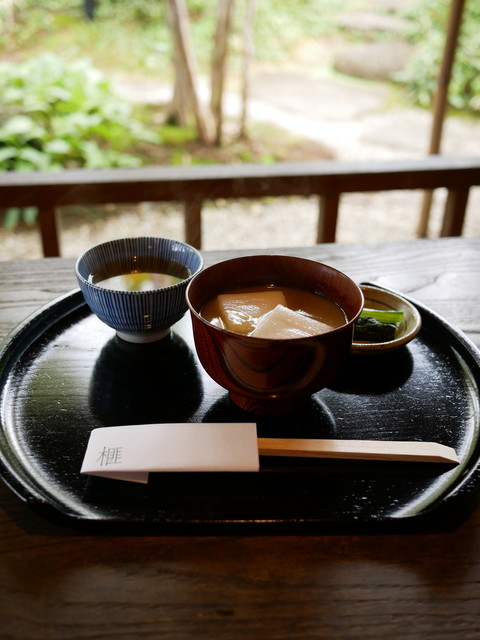
Approaching a Japanese sweets house in Nakatsugawa is not the same proposition as arriving for lunch in Tokyo or Kyoto. The city sits in Gifu’s Kiso Valley orbit, where the rhythm of eating is tied to mountain produce, tea, and seasonal gift culture rather than long tasting menus. Suya Nishiki fits that register: a house restaurant format, a non-smoking room, an open terrace, and a sweets counter logic that makes as much sense for take-out as for sitting down.
Nakatsugawa’s reputation in Japanese confectionery rests heavily on chestnut culture. Kuri sweets are not a decorative sidebar here; they are part of the city’s edible identity, especially through autumn, when local makers extend hours and travelers come specifically for wagashi rather than using it as an afterthought between temple visits. That ingredient focus is the reason this address belongs on a serious food itinerary. The work is less about novelty than about how a regional product is handled inside a narrow, traditional format.
Chestnut-country wagashi, judged by restraint rather than spectacle
Japanese sweets cafes in regional cities tend to reward a different kind of attention than metropolitan dessert rooms. Texture, sweetness level, tea compatibility, wrapping, and seasonality carry more weight than plating drama. Suya Nishiki’s selection for Tabelog’s Japanese traditional sweets and Japanese sweets cafe 100 list for East Japan in 2023 is the useful signal here, not as a trophy line but as category placement. It puts the shop inside a curated field where consistency and local recognition matter.
The repeated recognition is also instructive. The same listing history includes Tabelog Sweets East selections in 2018, 2019, 2020, and 2022, followed by the wagashi and sweets cafe category in 2023. For a traveler, that pattern says the address is not an isolated viral stop. It has remained visible across several cycles in a category where regional specialists can be overshadowed by department-store counters and city-center dessert salons.
The price tier reinforces the point. At JPY 1,000–1,999, the experience sits in the range where the premium is not ceremony or table theatre, but product quality, local identity, and the convenience of eating or carrying sweets away. Nearby comparison sharpens the reading: Kawakamiya Honten and Shichifuku sit in a lower listed spend band, while Kurinton Honke Suya Honten and Shogetsu Do occupy the same JPY 1,000–1,999 bracket. Teuchi Soba Wakuri, at JPY 2,000–2,999, belongs to a different dining decision altogether. In other words, this is not where one comes to compare full meals; it is where Nakatsugawa’s sweets culture becomes the main event.
The format suits travelers who plan around sweets, not just meals
Practical appeal is unusually clear for a regional wagashi stop. Reservations are unavailable, take-out is part of the service, parking is available, and the nearest station is Nakatsugawa. The walking route from JR Nakatsugawa Station is listed at about 20 minutes with a steep uphill section, while drivers reach the area via National Route 19 from the Nakatsugawa Interchange. Those details matter because wagashi travel in Japan often runs on timing: arrive too late in a popular season and the day’s desirable items may be limited, but build the stop into a route and it becomes an efficient way to understand the city through its sweets.
Seasonality is not a decorative claim in Nakatsugawa. The published schedule extends opening until 20:00 from September to December, and the usual Thursday closure is lifted during that same period. That is the clearest operational clue to when demand concentrates. Autumn is when chestnut sweets move from local specialty to regional pilgrimage, and the longer schedule reflects that pressure. The attached Sweet Shop “Kaya” has its own 10:00–18:00 window, which makes the address useful for travelers who want a sit-down pause, take-out, or both.
Payment and comfort details also separate this from more casual countryside stops. Credit cards are accepted, while electronic money and QR code payments are not. Private rooms and private use are unavailable, but children are welcome, and the occasion profile leans toward families and friends rather than formal dining. The setting is described as relaxed with an open terrace, which suits the category: wagashi benefits from calm pacing, but it does not require the hush of a kaiseki room.
How to place it within a Nakatsugawa food day
The stronger itinerary uses Suya Nishiki as a lens on place rather than as a dessert add-on. Start with the city’s confectionery tradition, then decide whether lunch belongs elsewhere. Soba at Teuchi Soba Wakuri frames the same mountain region through grain and broth instead of sugar and tea; the sweets houses frame it through chestnut, gift culture, and seasonal craft. For a broader map of the city, Our full Nakatsugawa restaurants guide is the useful companion, while overnight planning belongs in Our full Nakatsugawa hotels guide.
Travelers building a wider food route through Japan should read this as a regional specialist rather than a generic cafe. It has little in common with destination restaurants such as -Grilled beef Sukiyaki- KAMAKURA TANUKIAN 鎌倉 たぬき庵 in Kamakura, urban grill counters such as. 鮪と炭火焼き うお炭 秋葉原店 in Tokyo, or casual city addresses such as.cafe in Osaka.know in Kumamoto, and (Shoku) Vietnam in Kawasaki. The comparison is useful because it clarifies the decision: Nakatsugawa rewards travelers who give a sweets maker the same attention they might give a lunch reservation.
For non-restaurant planning around the city, EP Club’s related guides keep the trip coherent: Our full Nakatsugawa bars guide, Our full Nakatsugawa wineries guide, and Our full Nakatsugawa experiences guide. Readers extending the route beyond Gifu can contrast the category with specialist Japanese comfort formats abroad, from Jōdo Saké Bar in Los Angeles to Onigiri Time in Pasadena, or with a sharply focused curry address such as [Curry Senmon Ten] Maruyama Kyoju. in Sapporo. The restaurant’s value is narrower and more rooted: it explains why Nakatsugawa’s sweets tradition deserves its own stop.
In Context: Similar Options
Comparable venues by cuisine and price in the same metro.
| Venue | Cuisine | Price | Notes |
|---|---|---|---|
| Suya Nishiki | Traditional Japanese wagashi & tea cafe | $ | / Nakatsugawa bypass area |
| Shichifuku | Traditional Japanese Wagashi & Chestnut Sweets | $ | Nakatsugawa |
| Shogetsu Do | Japanese Wagashi & Chestnut Sweets | $ | . Nakatsugawa |
| Kawakamiya Honten | Traditional Japanese wagashi & chestnut sweets | $ | Hommachi |
| Kurinton Honke Suya Honten | Japanese Traditional Sweets | $ | Shinmachi, Nakatsugawa |
| Teuchi Soba Wakuri | Handmade Soba (Buckwheat Noodles) | $$ | Nakatsugawa |
Recognition history
Dated appearances from independent guides and award organizations, with the underlying list record or original source where available.
Tabelog 100 #80 · No. 80
Tabelog · Tabelog 100 - Japanese traditional sweets / Japanese sweets cafe - EAST - 2023
Continue exploring
More in Nakatsugawa
Restaurants in Nakatsugawa
Browse all →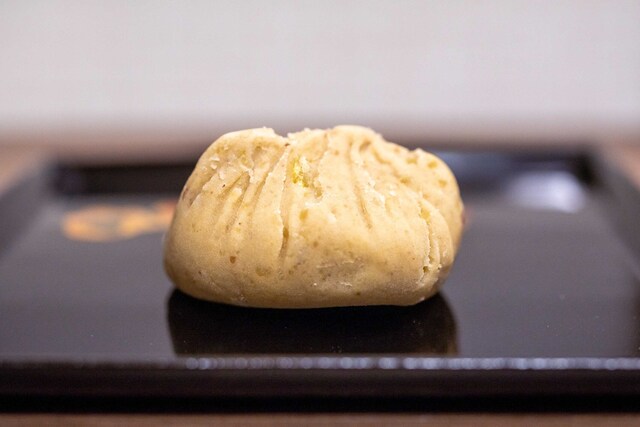

Hotels in Nakatsugawa
Browse all →
At a Glance
- Quiet
- Classic
- Cozy
- Solo
- Family
- Casual Hangout
- After Work
- Historic Building
- Standalone
- Local Sourcing
The atmosphere is that of a classic Japanese wagashi tea room: simple wooden furnishings, bright but gentle natural light, and a calm, unhurried setting suited to quietly enjoying sweets and tea.