
Shibaken puts Osaka’s tonkatsu conversation in a residential register rather than a station-mall one. Its Tabelog 100 Tonkatsu 2026 selection, compact counter-and-table format, and pairing of pork cutlet with curry make it a focused stop in Miyakojima Ward, away from the city’s louder dining corridors.
Pearl is the En Primeur Club membership app — saves, bookings, and concierge access live there. Same editors, same standards.
- Address
- 1 Chome-13-8 Uchindaicho, Miyakojima Ward, Osaka, 534-0013, Japan
- Phone
- +81 80-4724-0800
- Website
- lin.ee
 Saves & bookings on Pearl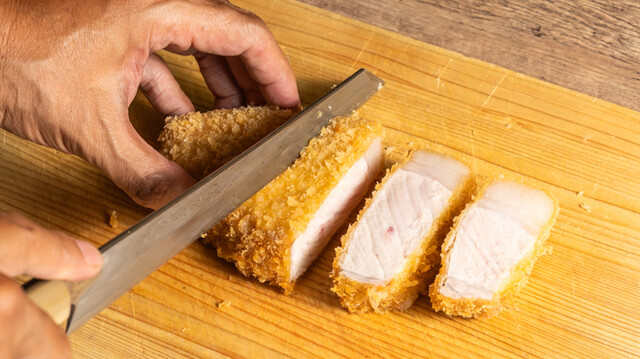
Approaching the Uchindai stretch of Miyakojima Ward, Osaka feels less like a visitor’s checklist and more like a lived-in eating city: supermarkets, small crossings, apartment blocks, and the kind of local restaurant frontage that asks diners to know why they are there. Tonkatsu has always suited this setting. It is precise but not ceremonial, built around timing, frying discipline, rice, cabbage, sauce, and the quiet confidence of a kitchen that does not need a theatrical room to make its case.
Shibaken belongs to that Osaka category of serious everyday dining where the spend sits below formal tasting-menu territory, but the scrutiny can be just as sharp. Its selection for Tabelog 100 Tonkatsu 2026 places it inside a national conversation about pork cutlet specialists, not merely neighbourhood comfort food. That matters in Japan, where tonkatsu is judged by details that rarely translate well into hype: cut thickness, frying temperature, oil management, resting time, and how the meal holds together from first slice to last grain of rice.
Miyakojima tonkatsu, away from the central-city script
Osaka’s better-known food image leans toward Dotonbori brightness, counter snacks, okonomiyaki, takoyaki, and late-night appetite. Tonkatsu sits differently. It rewards slower comparison, and its serious addresses are often judged less by spectacle than by consistency. In that sense, a Miyakojima location is not incidental. The meal reads as part of daily Osaka rather than a performance staged for visitors already moving through Namba or Umeda.
The format reinforces that scale. The room is small, with counter seating and a pair of tables, so the experience stays close to the kitchen without becoming a luxury counter ritual. That is an important distinction. Osaka has restaurants where the counter signals rarity and price escalation; here, the counter is more functional, keeping the focus on frying, pacing, and the practical rhythm of a pork-cutlet meal. The category is tonkatsu with curry also in the frame, which places it between specialist craft and familiar Japanese comfort rather than in a single-dish purist lane.
For travellers building a food day, this is the kind of stop that changes the shape of an Osaka itinerary. It argues for looking beyond the central wards and making room for residential districts where serious cooking is embedded in ordinary streets. Readers comparing it with other Osaka listings such as 551 Horai (551蓬莱), 52CHO-ME BAKERY, .cafe, 99 Pizza Napoletana Gourmet, and a canto (Italian) will see the contrast: Osaka’s appeal is not one cuisine type, but the way specialised rooms sit alongside bakeries, pork buns, cafés, pizza, and Italian cooking in the same urban appetite.
Why the Tabelog 100 signal matters for a pork-cutlet room
Tabelog’s Hyakumeiten lists are useful because they sort by category rather than by broad fine-dining glamour. A tonkatsu selection in 2026 points to peer recognition inside a narrow field, where a restaurant is measured against other pork-cutlet specialists instead of against sushi counters, kaiseki rooms, or French tasting menus. That is the right competitive frame for Shibaken. The award does not make the restaurant formal; it makes the casual format more legible.
The price band also helps explain the appeal. Osaka has a deep middle tier where restaurants can be destination-worthy without demanding a special-occasion budget. In comparison terms, Unagi no Uoi Honten occupies a similar spend bracket through eel rather than pork cutlet, while Odashi to Spice Ganso Electroni Curry sits in a lower curry-focused range. Hachidori, meanwhile, represents the city’s izakaya register. Read together, these venues show how Osaka’s dining strength often sits in category mastery rather than grand-room ambition.
The absence of chef-driven biography is not a weakness here. Tonkatsu culture is rarely improved by turning the cook into the story. The better lens is technique, category, and place: how a small restaurant in a quieter ward can carry enough specialist credibility to be useful for diners who already know Osaka’s obvious circuits. The room’s non-smoking policy, card acceptance, and reservation availability make it easier to fold into a planned day, while the small seating footprint keeps expectations realistic. This is not a large-format group solution; it is a focused meal for people who care about the difference between generic fried pork and a specialist counter.
How to place it in an Osaka trip
Strongest use case is a day that leaves the tourist spine. Miyakojima Ward gives the meal a local setting without turning it into a detour for detour’s sake, and the nearby station access keeps it practical for diners moving from central Osaka. Lunch gives the tonkatsu format a clear role in the day; dinner works better for travellers who want a quieter neighbourhood meal after busier central stops. Tuesday closure and occasional schedule changes make advance checking sensible, particularly around Japanese holiday periods.
Families can treat it as more approachable than many counter-led Japanese restaurants, though the small room matters. Children are welcomed, but stroller logistics are conditional, especially on weekday evenings. The dining room is compact enough that a quick call ahead is not etiquette theatre; it is the difference between a smooth meal and an awkward arrival.
For broader planning, use Our full Osaka restaurants guide to balance specialist meals with other neighbourhood stops, and pair the food map with Our full Osaka hotels guide, Our full Osaka bars guide, Our full Osaka wineries guide, and Our full Osaka experiences guide. Travellers extending the Japan brief can compare category-led dining across -Grilled beef Sukiyaki- KAMAKURA TANUKIAN 鎌倉 たぬき庵 in Kamakura. 鮪と炭火焼き うお炭 秋葉原店 in Tokyo.know in Kumamoto, (Shoku) Vietnam in Kawasaki, [Curry Senmon Ten] Maruyama Kyoju. in Sapporo, and [ki:] in Kyoto; outside Japan, Jōdo Saké Bar in Los Angeles and Onigiri Time in Pasadena show how Japanese formats read differently abroad.
The editorial case is simple: Shibaken is not about chasing grandeur in Osaka. It is about taking tonkatsu seriously in the kind of neighbourhood where the city’s eating culture often becomes clearer. The Tabelog 100 Tonkatsu 2026 selection supplies the external signal; Miyakojima supplies the context.
Same-City Peers
Comparable venues by cuisine and category.
| Venue | Cuisine | Price | Notes |
|---|---|---|---|
| ShibakenThis venue — the venue you are viewing | Premium branded-pork tonkatsu & curry | $$ | Not listed |
| Manryo Minamimori machi ten | Traditional Osaka Yakiniku & Horumon | $$ | Kita |
| Roan Oosaka doujima ten | Japanese Soba | $$ | Kita |
| Watanabe Curry Umeda honten | Japanese–Sri Lankan Curry House | $$ | Kita |
| Makino | Soba noodle shop | $$ | Osaka |
| Soba Kiri masa | Traditional Soba Noodle Shop | $$ | Nishi |
Recognition history
Dated appearances from independent guides and award organizations, with the underlying list record or original source where available.
Tabelog 100 #3 · No. 3
Tabelog · Tabelog 100 - Tonkatsu - 2026
Continue exploring
More in Osaka
Restaurants in Osaka
Browse all →




Bars in Osaka
Browse all →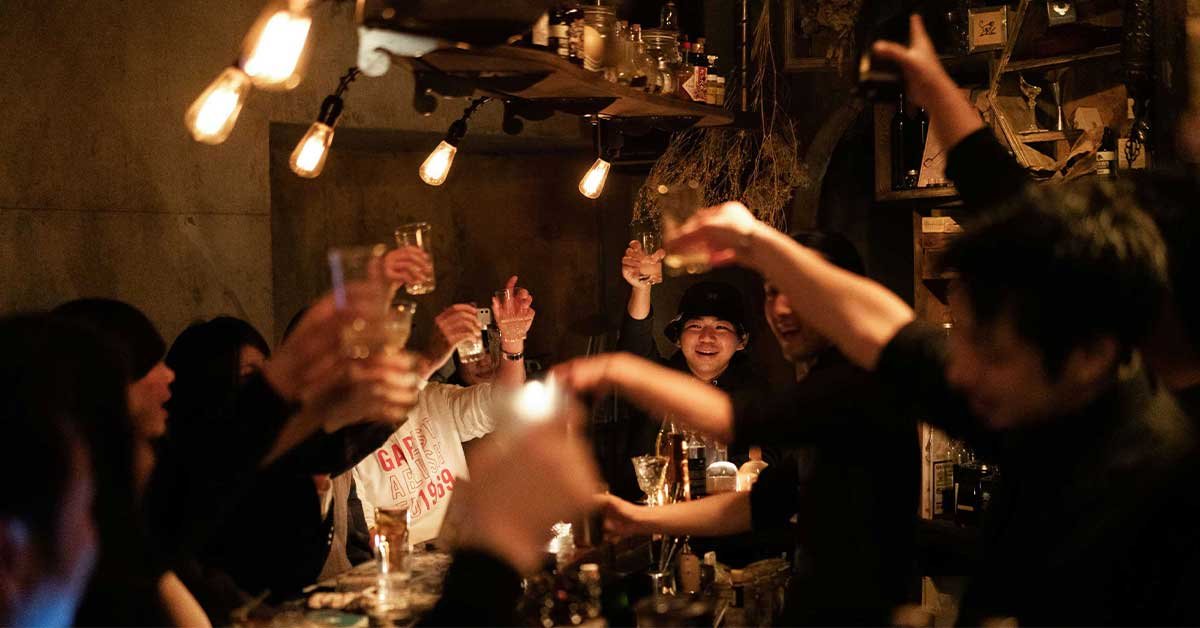



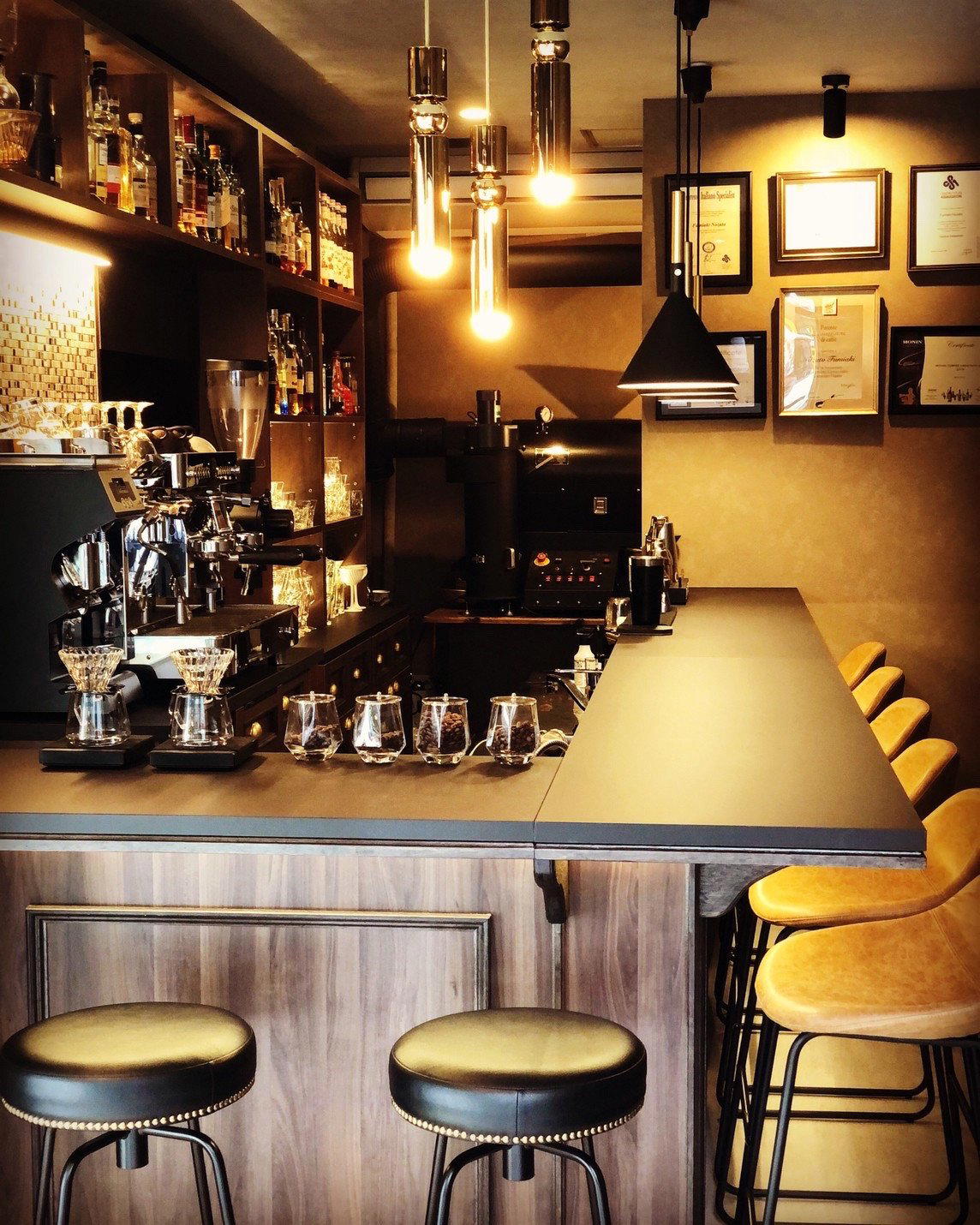
Hotels in Osaka
Browse all →
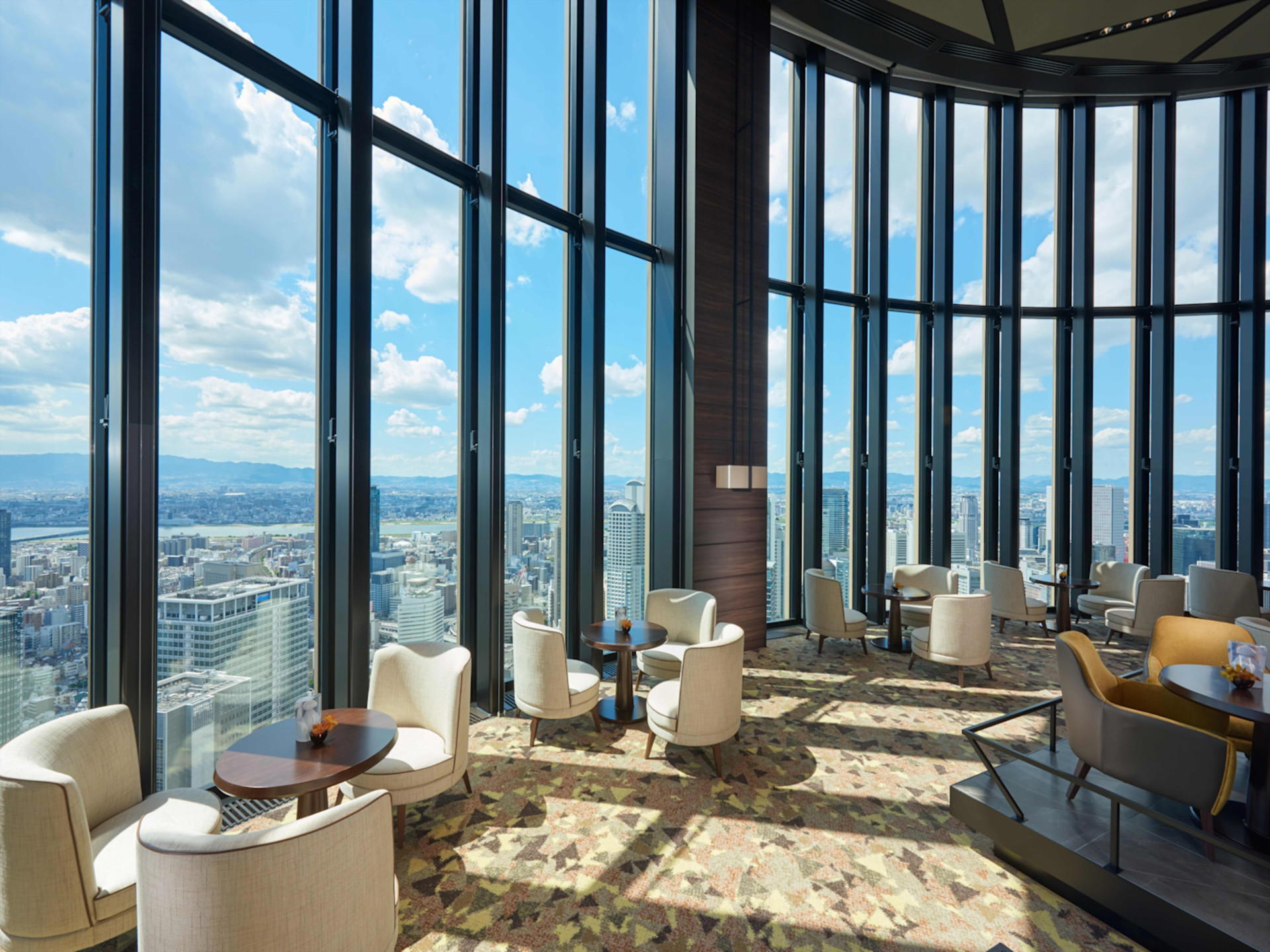



Wineries in Osaka
Browse all →
At a Glance
- Cozy
- Intimate
- Solo
- Casual Hangout
- Family
- Standalone
- Local Sourcing
Current opening hours
- Monday
- 11:30 AM–3 PM, 5:30–8:30 PM
- Tuesday
- Closed
- Wednesday
- 11:30 AM–3 PM, 5:30–9 PM
- Thursday
- 11:30 AM–3 PM, 5:30–9 PM
- Friday
- 11:30 AM–3 PM, 5:30–9 PM
- Saturday
- 11:30 AM–3 PM, 5:30–9 PM
- Sunday
- 11:30 AM–3 PM, 5:30–9 PM
Hours can change for holidays and private events. Last verified .
A small, non-smoking neighborhood tonkatsu shop with about fourteen seats, creating a cozy, relaxed atmosphere suited to enjoying carefully prepared premium pork dishes.