
Manryo Minamimori machi ten belongs to Osaka’s serious yakiniku circuit: grill-at-the-table beef, tripe, sake, shochu, wine and cocktails, with repeat selection in Tabelog’s Yakiniku WEST 100 from 2018 through 2025. Its appeal is menu architecture rather than ceremony, a broad meat-and-offal format built for groups who want control over pace, cuts and drinking rhythm.
Pearl is the En Primeur Club membership app — saves, bookings, and concierge access live there. Same editors, same standards.
- Address
- Japan, 〒530-0054 Osaka, Kita Ward, Minamimorimachi, 1 Chome−2−14 ロイヤルハイツ 1F
- Phone
- +81 6-6361-1371
- Website
- yakiniku-manryo.orwst.com
 Saves & bookings on Pearl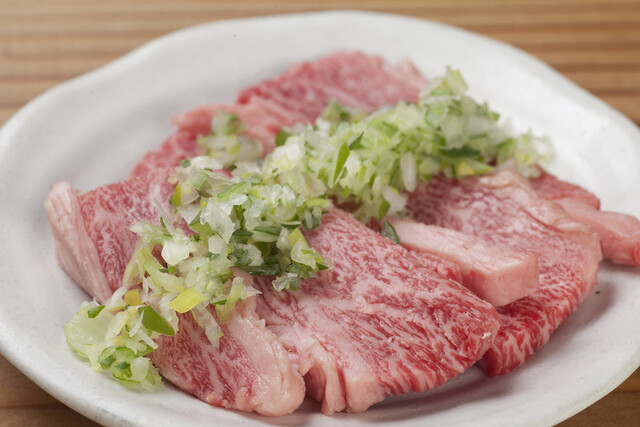
Approach Minamimorimachi after dark and Osaka’s louder food corridors fall away. The pace is office-district practical: side streets, low-rise storefronts, late trains, tables filling before the night fully opens. That suits yakiniku, a genre of heat, disciplined smoke, shared ordering and quick decisions. Manryo Minamimori machi ten sits in Osaka’s middle ground: more serious than casual chain grilling, less formal than counter-led wagyu temples, and built around a table making the meal together.
Osaka is often reduced to takoyaki and okonomiyaki, but its restaurant culture is just as persuasive with meat. Yakiniku here rewards fluency: beef is only part of the order, offal matters, drinks are not decorative, and value depends on the table’s control over sequence and quantity. Selection in Tabelog’s Yakiniku WEST 100 for 2025, with earlier selections back to 2018, places this address in a sustained regional conversation rather than as a passing local favourite. In this category, repeat recognition usually signals consistency in sourcing, grill management, turnover and the less glamorous cuts that reveal discipline.
A yakiniku menu built around range, not chef's-counter theatre
The restaurant is best read through structure. Yakiniku menus can slip into endless beef luxury or bargain grill-room sprawl. The better format gives diners breadth to build a meal across texture, fat and intensity without surrendering to a fixed script. Here, the listed categories are yakiniku and tripe, which says plenty. Beef anchors the meal, but offal is not a footnote. In Kansai, horumon culture has long treated texture as seriously as marbling, and a grill meal without tripe or innards can feel cosmetically complete but technically thin.
The drinks list supports the same architecture. Sake, shochu, wine and cocktails are all offered, with emphasis on sake, shochu and wine. That breadth is not about one canonical beef pairing; it gives the table routes through the meal: shochu for fat and char, sake for salt and sauce, wine for richer cuts, cocktails when the occasion is more social than studious. In Osaka, where dinner and drinking session often blur, that flexibility is functional.
Contrast with other specialist lanes is useful. Ramen Hayato concentrates attention into narrow ramen grammar; Washoku Iikura belongs to a composed Japanese dining register; La Kanro moves through French technique. Yakiniku asks for different participation. The diner controls the grill, the table edits the order, and the meal improves when the group understands progression. Manryo Minamimori machi ten is not a chef-driven tasting room, but a grill restaurant whose seriousness shows through selection, breadth and repeat recognition.
Osaka dining is strongest when the room serves the format
Room does not turn yakiniku into fine-dining theatre. Seating is substantial by small-restaurant standards, and the format is group-friendly. Conversation, ordering and cooking happen at once. The experience depends less on polished narrative than on rhythm: leaner cuts before richer ones, offal when the grill is hot, drinks paced to the order rather than left as an afterthought.
That makes the restaurant legible for travellers wanting Osaka beyond the obvious crawl. Minamimorimachi sits outside dense tourist loops, and its appeal is partly normalcy: offices, local regulars, transit convenience, and restaurants that need not perform Osaka-ness for the camera. For a broader itinerary, this is the meat-and-grill counterweight to bakery mornings, department-store snacks and late-night bars. EP Club’s wider Osaka coverage maps that spread, from our full Osaka restaurants guide to our full Osaka bars guide, our full Osaka hotels guide, our full Osaka wineries guide and our full Osaka experiences guide.
The surrounding Osaka list shows how varied the city’s eating day can be. A morning might run through.cafe or 52CHO-ME BAKERY; a transit snack might mean 551 Horai (551蓬莱); Italian cravings can pull toward 99 Pizza Napoletana Gourmet or a canto (Italian). Against that range, yakiniku supplies the communal, flame-led evening register: less about collecting dishes than managing a shared table well.
How to place it in a Japan-wide eating itinerary
For travellers comparing restaurant types across Japan, yakiniku has a different logic from sukiyaki, izakaya grilling, curry, onigiri or sake-bar formats. -Grilled beef Sukiyaki- KAMAKURA TANUKIAN 鎌倉 たぬき庵 in Kamakura puts beef into a sweeter, more composed tradition; 鮪と炭火焼き うお炭 秋葉原店 in Tokyo frames charcoal around seafood and izakaya rhythm; [Curry Senmon Ten] Maruyama Kyoju. in Sapporo narrows attention to curry specialization. Yakiniku is more interactive than all three: technique sits partly with the restaurant, partly with the diner.
That is why menu range matters. A table that only orders prestige beef misses the point; one that works across beef, tripe and drinks understands the form. The absence of private-room emphasis fits the genre’s social side. This is for friends, families and groups comfortable in a close, active room rather than a hushed appointment. Dress is relaxed, appropriate for a grill meal driven by heat and pace rather than ceremony.
Beyond Osaka, the same traveller might use other Japanese and overseas addresses to calibrate format rather than status:.know in Kumamoto, (Shoku) Vietnam in Kawasaki, [ki:] in Kyoto, Jōdo Saké Bar in Los Angeles and Onigiri Time in Pasadena each answer a different dining question. Manryo Minamimori machi ten answers a specific Osaka one: where to put a grill-led, drinks-aware, group meal when the city’s more obvious food rituals are covered.
The case is not reinvention. It is durability within a crowded western Japan category, repeat Tabelog Yakiniku 100 recognition, and a menu grammar treating tripe, beef and drinks as one meal. For diners who know yakiniku is a sequence to be built, not a spectacle to be watched, that is the reason to pay attention.
At-a-Glance Comparison
Comparable venues at a glance for context.
| Venue | Cuisine | Price | Notes |
|---|---|---|---|
| Manryo Minamimori machi tenThis venue — the venue you are viewing | Traditional Osaka Yakiniku & Horumon | $$ | Not listed |
| Menya JouRoku (麺屋 丈六) | Takaida-Style Tamari Shoyu Ramen | $$ | Namba |
| Yuni yumo | Modern Japanese Izakaya Counter | $$ | Kita |
| sumibi yaki tori kamo jin Ohatsu tenjin ten | Japanese Yakitori & Duck Hot Pot | $$ | Kita |
| Yoshoku Bistro Awano | Yoshoku (Japanese-style Western bistro) | $$ | Chūō |
| Onomichi Murakami | Japanese Teppan-Yaki / Okonomiyaki | $$ | Kita |
Recognition history
Dated appearances from independent guides and award organizations, with the underlying list record or original source where available.
Tabelog 100 #19 · No. 19
Tabelog · Tabelog 100 - Yakiniku - WEST - 2025
Continue exploring
More in Osaka
Restaurants in Osaka
Browse all →




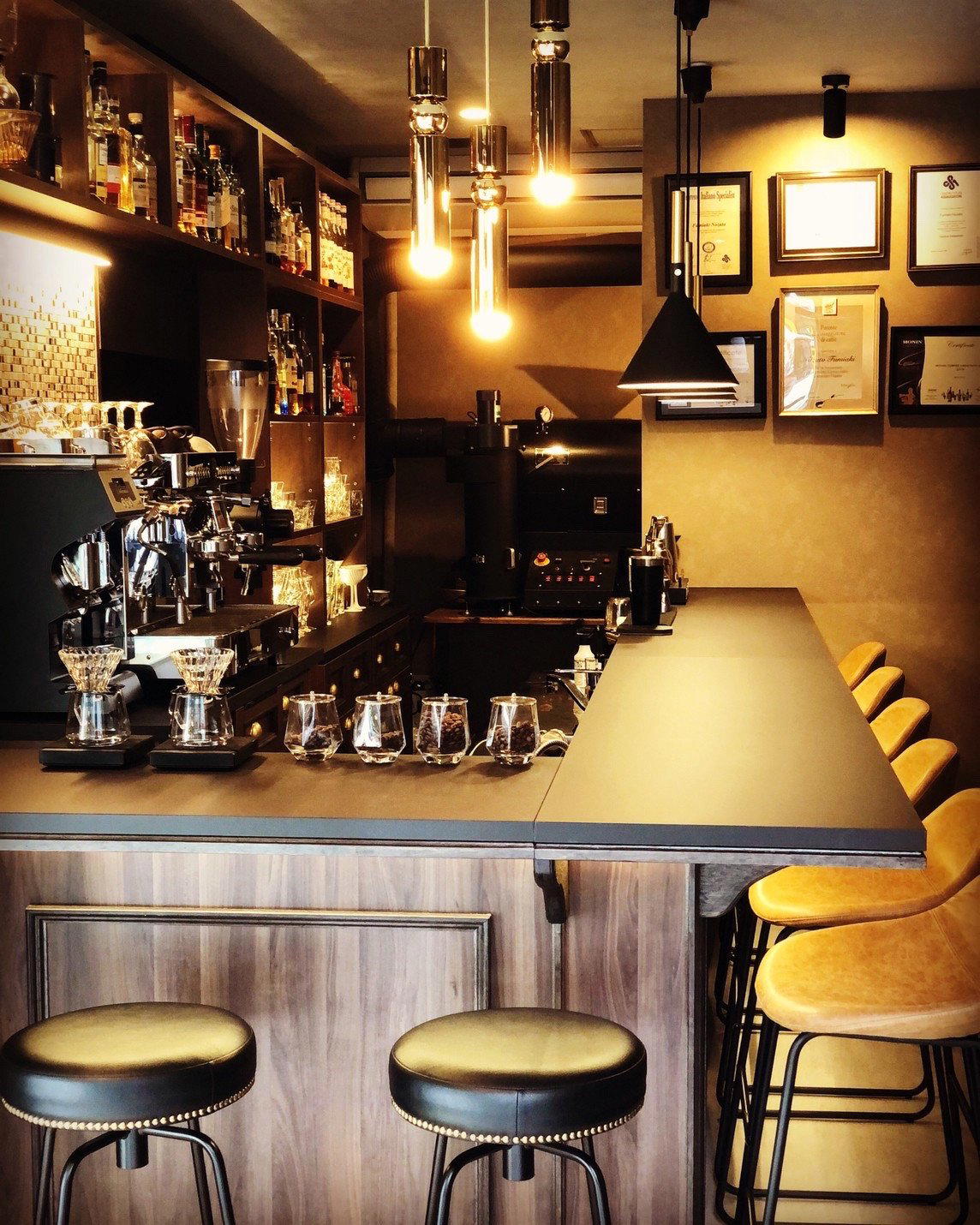
Bars in Osaka
Browse all →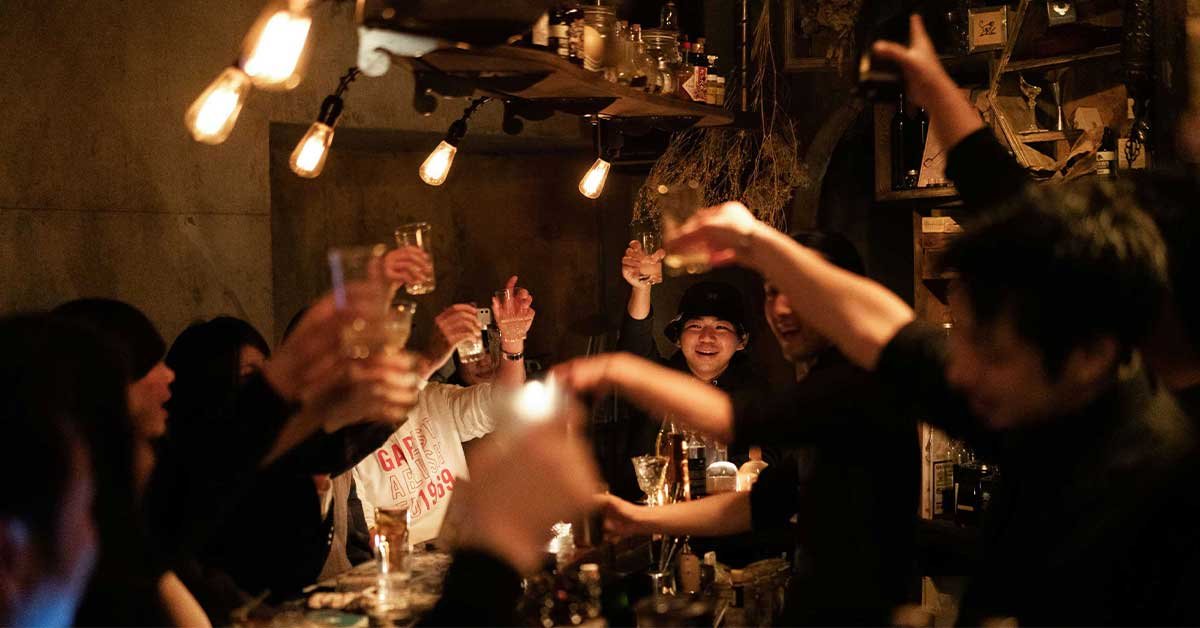



Hotels in Osaka
Browse all →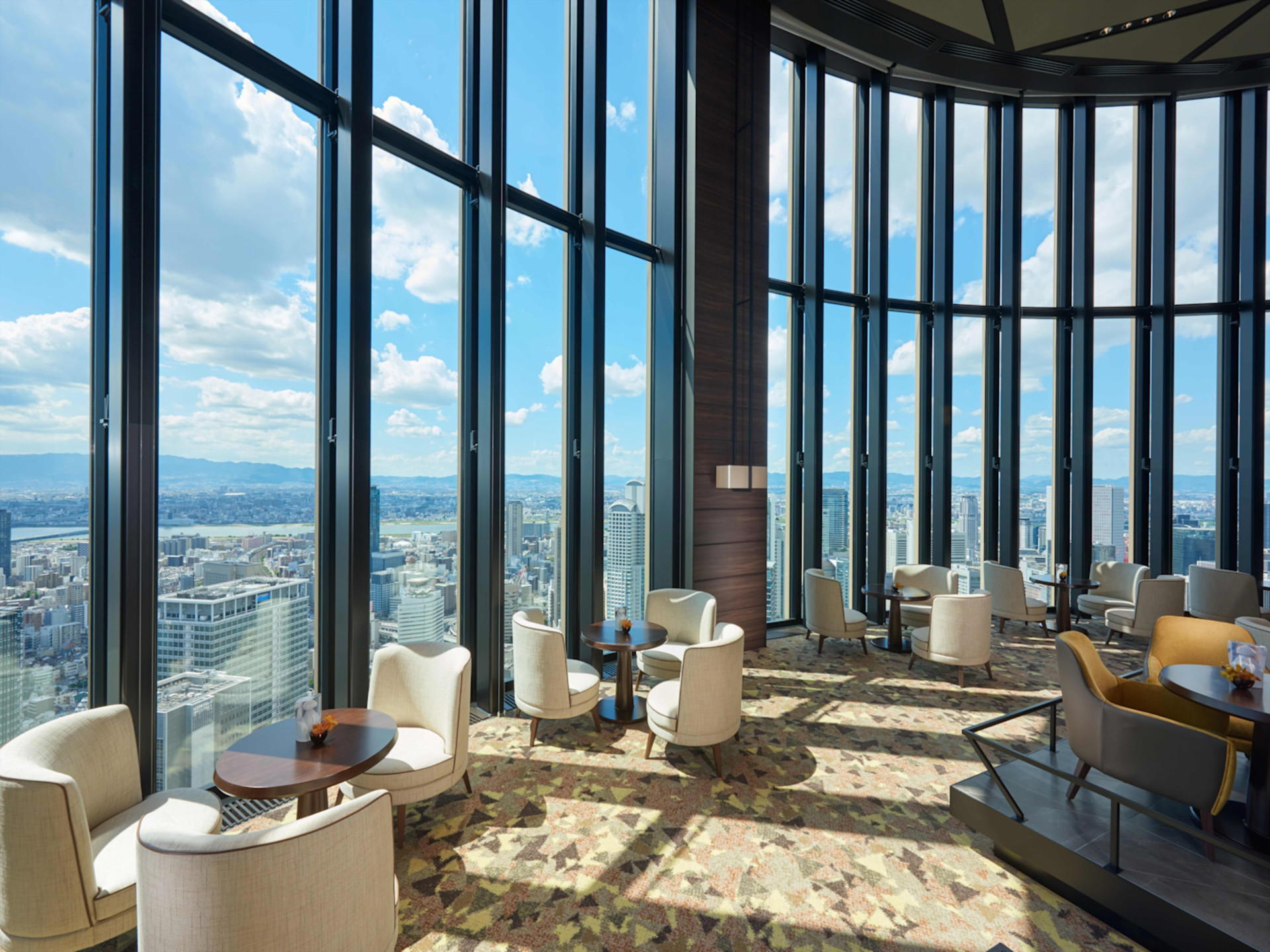




Wineries in Osaka
Browse all →
At a Glance
- Lively
- Cozy
- Classic
- Energetic
- Group Dining
- Family
- Casual Hangout
- After Work
- Late Night
- Celebration
- Standalone
- Byob
- Beer Program
Current opening hours
- Monday
- Closed
- Tuesday
- 4 PM–12 AM
- Wednesday
- 4 PM–12 AM
- Thursday
- 4 PM–12 AM
- Friday
- 4 PM–12 AM
- Saturday
- 4 PM–12 AM
- Sunday
- 4 PM–12 AM
Hours can change for holidays and private events. Last verified .
A classic Osaka yakiniku joint with tightly packed tables, glowing grills, red lantern signage, and a warm, energetic atmosphere where the focus is on charcoal smoke, sizzling meat, and convivial group dining rather than sleek design.