Industry Kitchen
Industry Kitchen sits at 70 South St in Lower Manhattan's Seaport district, where working-waterfront bones meet a menu built around wood-fired preparation and market-driven American cooking. The room draws a financial district crowd that ranges from quick weekday lunches to unhurried weekend dinners. Its position on the East River puts it at the edge of one of New York's quieter dining corridors, away from the midtown press of destination restaurants.
Pearl is the En Primeur Club membership app — saves, bookings, and concierge access live there. Same editors, same standards.
- Address
- 70 South St, New York, NY 10005
- Phone
- +12124879600
- Website
- industry-kitchen.com
- Directions
- Get directions
 Saves & bookings on Pearl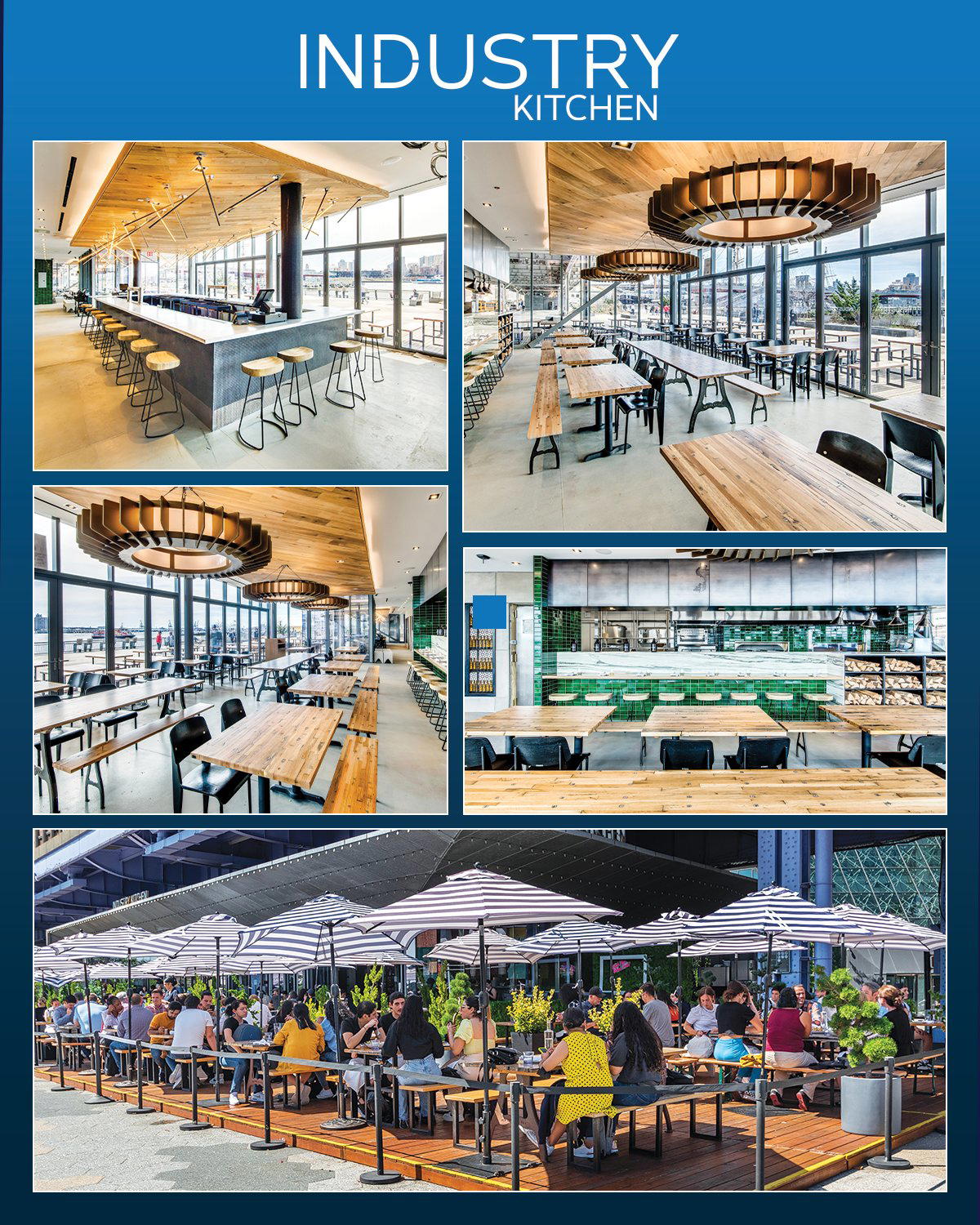
Where the East River Sets the Tempo
Industry Kitchen is a restaurant at 70 South St, New York, NY 10005, serving Modern American Pizza & Grill in the Seaport district. For decades it registered as tourist territory, a place where the scenery did the work and the kitchens didn't have to. That calculus has shifted over the past several years, slowly and then with more conviction, as the neighbourhood around Fulton Street and the piers began attracting operators willing to run serious food programs in spaces that happen to have waterfront access. Industry Kitchen, at 70 South Street, sits inside that shift. The address puts you at the edge of the East River, with a room that reads as a working restaurant rather than a scenic stop.
The approach from the street runs through the older bones of the Seaport's landmarked district, past cobblestones and converted warehouse facades that predate the contemporary food moment by a century. Inside, the industrial register, exposed materials, high ceilings, the physical weight of a building with commercial history, frames a dining room that signals casual authority rather than occasion dining. This is not the register of Midtown's formal table-service rooms. It occupies a middle ground that New York does well when it commits: serious cooking in an environment where the room doesn't perform for you.
How the Menu Is Built, and What That Reveals
The menu architecture at restaurants positioned in this price tier and neighbourhood tells you a great deal about what the kitchen believes and who it expects to be feeding. Across Lower Manhattan's current dining stock, operators have largely split between two approaches: broad-appeal menus designed to absorb the financial district's transactional lunch trade, and more considered formats that extend into evening service with a distinct culinary point of view. Industry Kitchen's structure leans toward the latter without abandoning accessibility.
Wood-fired cooking provides the organisational logic for much of what comes out of the kitchen. In American restaurant programming over the past decade, wood and fire have moved from novelty to methodology, a technique set that disciplines a menu around heat management, timing, and the particular flavour compounds that open-flame cooking produces. When a kitchen commits to that approach, the menu naturally contracts around proteins and vegetables that respond well to high, direct heat, and expands in the direction of shareable formats that suit the pace of a wood-fired kitchen. That structural choice is evident here, and it sets Industry Kitchen in a different conversation than the white-tablecloth French and contemporary American rooms that occupy the $$$$ tier across town. For reference points in that higher bracket, Le Bernardin, Per Se, and Masa operate formats built around different service contracts entirely, tasting menus, counter omakase, or prix-fixe progressions that remove the menu decision from the diner. The restaurant extends decision-making back to the guest, which suits the Seaport's mixed crowd of regulars and first-time visitors.
The American market-cooking framework, when executed with discipline, produces menus that read accessible on the surface and reveal more specificity on the plate. Dishes organised around sourcing, seasonal produce, proteins that respond to wood heat, sit differently from kitchens that centre the menu on technique demonstration or chef-driven abstraction. New York's contemporary American tier, which includes ambitious programs like Blue Hill at Stone Barns outside the city, has pushed this sourcing-centred logic into formal tasting contexts. The restaurant applies a version of the same logic in a format that allows for drop-in dining, which in the Seaport's current position as a neighbourhood in transition is both a practical concession and a competitive advantage.
Lower Manhattan's Dining Geography
Understanding where the restaurant sits requires some sense of what Lower Manhattan has become as a dining district. The financial district and Seaport together hold a population that has grown substantially as residential conversions of commercial buildings have added density. That resident base, combined with the daytime office population, creates demand that the neighbourhood's restaurant stock has been slow to absorb at a quality level. The result is a district where a kitchen running a committed daily program occupies a position of relative scarcity, not because the competition is weak, but because the density of serious operators has not yet matched demand the way it has in, say, the West Village or Williamsburg.
That positioning matters when you consider the broader New York dining map. The city's most decorated tables, Atomix, Jungsik New York, and the rooms that carry multi-Michelin recognition, cluster in Midtown and the inner neighbourhoods of Manhattan and Brooklyn. Lower Manhattan operates as a secondary tier not because its kitchens are lesser, but because the neighbourhood's identity as a dining destination is still consolidating. For visitors who have already worked through the city's most-booked rooms, the Seaport offers a different texture: water proximity, landmarked streetscapes, and a pace that Midtown rarely permits.
For comparative context across American cities, the pattern of serious kitchens anchoring transitional urban neighbourhoods repeats in other markets. Emeril's in New Orleans and Bacchanalia in Atlanta have played similar roles as anchor operators in districts where dining credibility was still being established. Lazy Bear in San Francisco and Alinea in Chicago represent a different pole, destination-first formats that drew their neighbourhoods up rather than meeting existing demand. The restaurant's format aligns more with the former: a daily-use restaurant that serves a neighbourhood's actual population while maintaining standards that hold up to critical attention.
Know Before You Go
Address: 70 South St, New York, NY 10005
Neighbourhood: Seaport / Lower Manhattan
Dress code: Smart casual, the room is relaxed but the waterfront setting invites more than jeans
Booking: Walk-ins are generally possible, particularly at lunch; weekends and evening peak times benefit from a reservation
Getting there: Fulton Street station (2, 3, 4, 5, A, C, J, Z lines) puts you within a short walk; the East River waterfront is pedestrian-accessible from multiple subway approaches
Good for: Waterfront lunches, after-work dinners, groups comfortable with a shared-plate format
Nearby context: The Seaport Museum district and Pier 17 development sit in close proximity, making this a logical stopping point on any lower Manhattan day
Comparable Options
Comparable venues nearby, for context on price, style, and recognition.
| Venue | Cuisine | Price | Notes |
|---|---|---|---|
| Industry KitchenThis venue — the venue you are viewing | Modern American Pizza & Grill | $$ | Not listed |
| Chimera | Eclectic American Cafe with Vegetarian Focus | $$ | Downtown Tulsa |
| Next Level Burger Brooklyn | Plant-Based American Burgers | $$ | Fort Greene |
| Ace's Pizza | Detroit-Style Pizza | $$ | Williamsburg |
| Brooklyn Bowl | American Comfort Food by Blue Ribbon | $$ | Williamsburg |
| Just Salad | Healthy Fast-Casual Salads | $$ | Midtown-Times Square |
Continue exploring
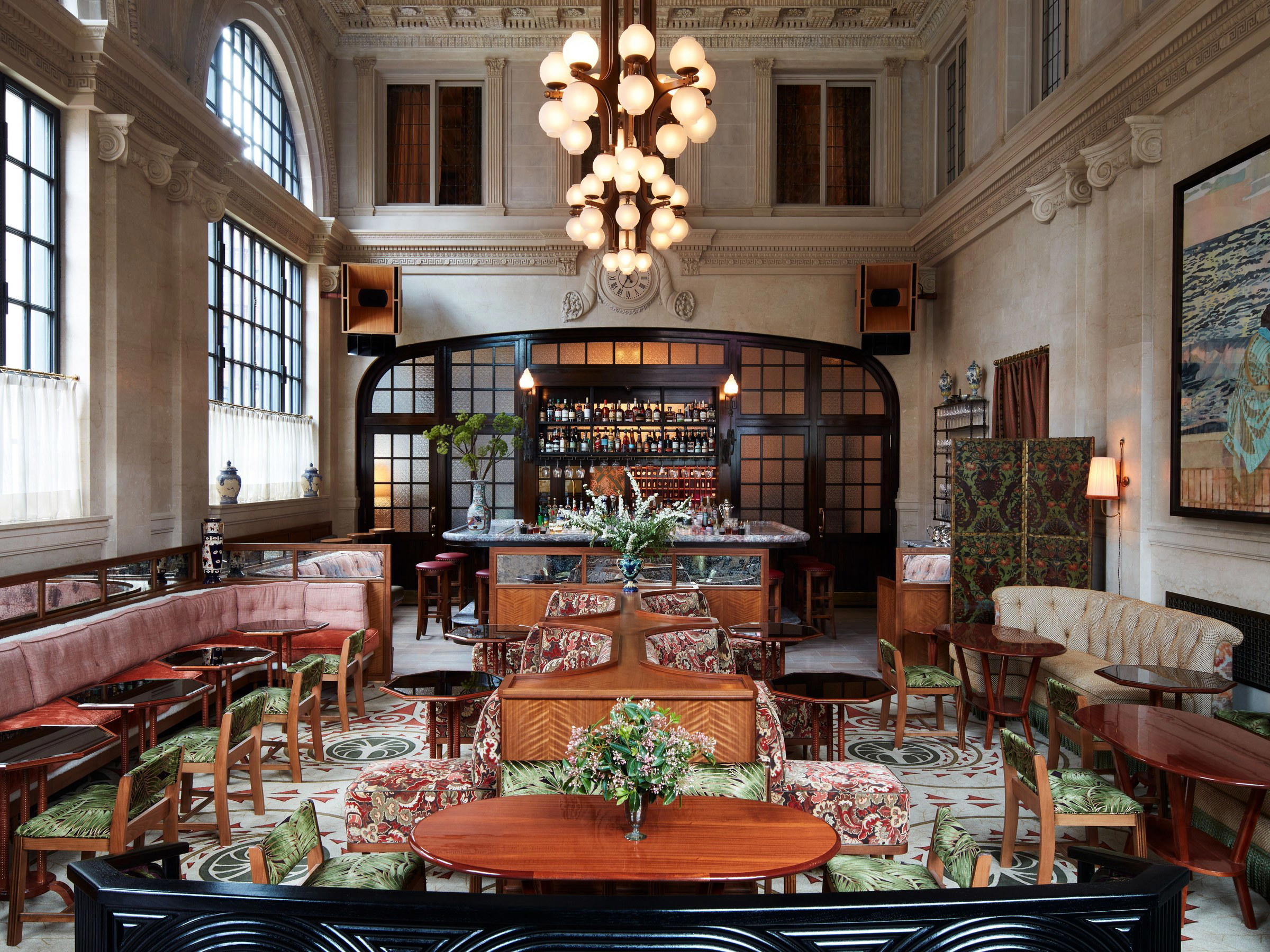
More in New York City
Restaurants in New York City
Browse all →
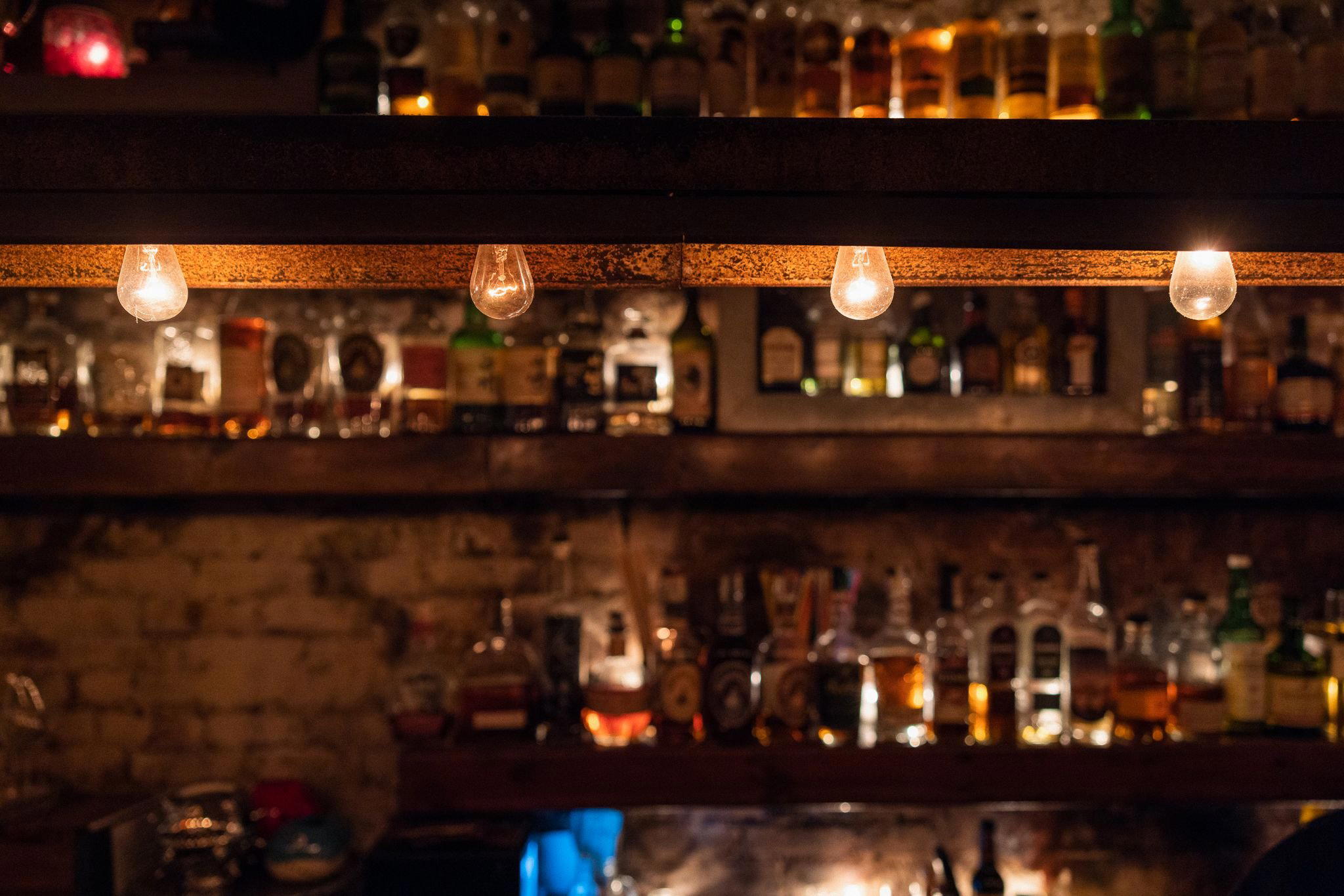
Bars in New York City
Browse all →
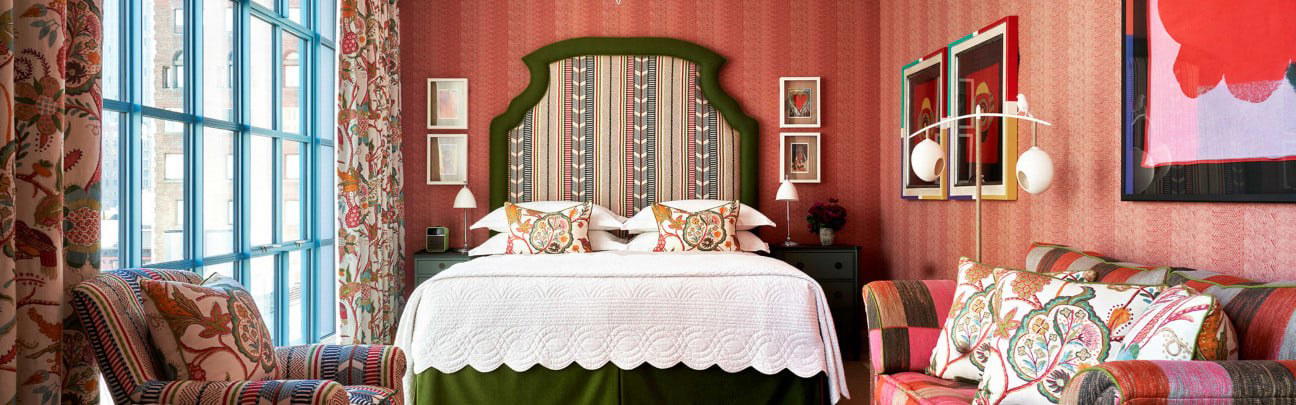
Hotels in New York City
Browse all →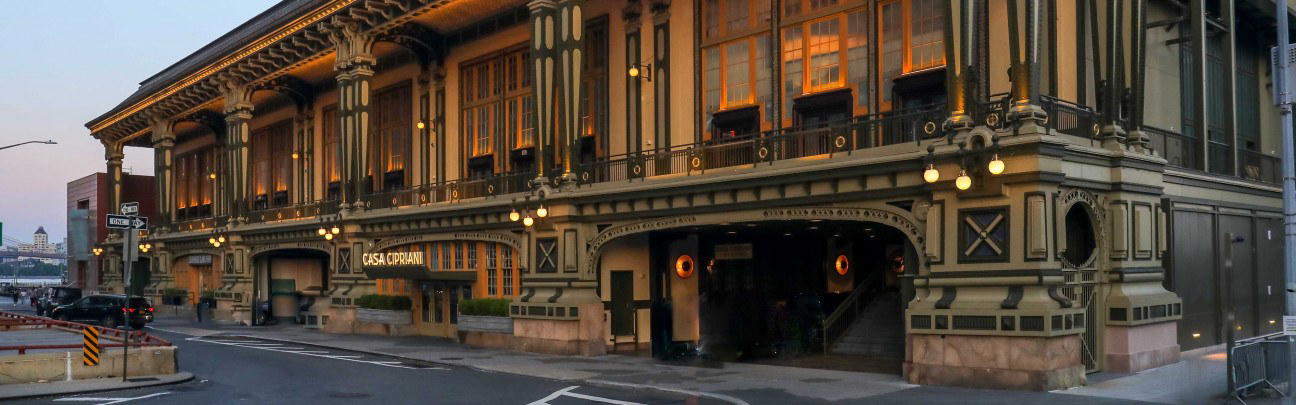




At a Glance
- Trendy
- Modern
- Lively
- Scenic
- Brunch
- Group Dining
- Casual Hangout
- Celebration
- Waterfront
- Open Kitchen
- Terrace
- Craft Cocktails
- Extensive Wine List
- Waterfront
- Skyline
Current opening hours
- Monday
- 12–10 PM
- Tuesday
- 12–10 PM
- Wednesday
- 12–10 PM
- Thursday
- 12–10 PM
- Friday
- 12–11 PM
- Saturday
- 12–11 PM
- Sunday
- 12–10 PM
Hours can change for holidays and private events. Last verified .
Lively waterfront atmosphere with dramatic views of the Brooklyn Bridge and skyline, featuring modern industrial design and lively terrace seating.