
Tabelog 100 #64
Our verdict
Shaotsai Iedie brings Chinese and Sichuan cooking into Nagoya’s small-format dining conversation, with counter seating, wine as a stated drinks focus, and repeat selection for Tabelog’s Chinese EAST 100 list in 2021, 2023, 2024, and 2026. Its reputation rests less on spectacle than on a compact room, fish-conscious cooking, and a category position that feels distinct from the city’s steak, Italian, and washoku-driven circuits.

Pearl is the En Primeur Club membership app, where members save venues, book tables and use the concierge.
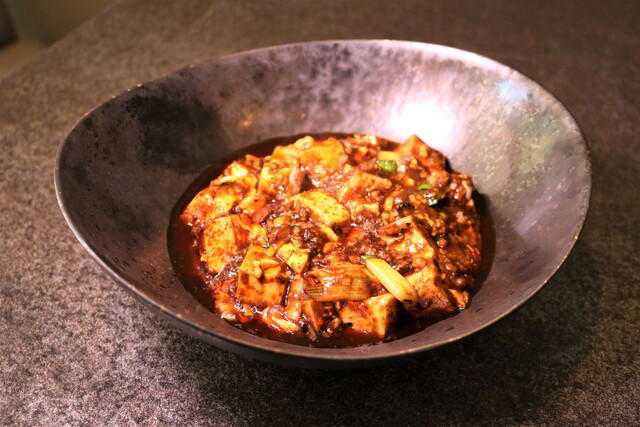
The menu
What to order
- Mapo Tofu
- Steamed Whole Fresh Fish with house special soy sauce
- Singapore Chicken Rice (limited-time)
Approaching a Chinese restaurant in Nagoya shifts the rhythm of a Nagoya meal. Beyond broad avenues, department-store dining floors, and polished hotel restaurants, this side of the city’s dining life can feel more focused: closer attention to the meal, more immediate service, and cooking that registers as part of the evening rather than only a category choice. Shaotsai Iedie belongs to Nagoya’s specialist dining conversation, and its Chinese and Sichuan identity gives the room a sharper editorial role than another general-purpose neighborhood stop.
Nagoya’s premium dining conversation is often framed by hitsumabushi, miso-katsu, tebasaki, kaiseki, and confident café culture. Chinese cooking occupies another lane: familiar within everyday Japanese eating, yet serious Sichuan cooking asks for a different register of heat, oil, aroma, and pacing. Here, format matters. A focused restaurant pulls Chinese food away from banquet assumptions and toward contemporary Japanese dining, where room, sequence, and beverage choices can shape the evening as much as cuisine category.
Chinese and Sichuan cooking in a focused Nagoya setting
Read this not as a generic Chinese address, but as Nagoya’s answer to the focused Sichuan room. Its public positioning is Chinese and Sichuan, which says more than a long menu description. In Japan, category-specific Chinese cooking often has a different center of gravity from the broad, banquet-coded image many travelers bring to the category. It suits Nagoya, where specialist restaurants can sit beside larger dining formats without needing to imitate them.
The more interesting signal is how the restaurant’s identity changes the rhythm of a night out. Chinese restaurants in Japan can range from casual everyday rooms to more deliberate destination meals, and Shaotsai Iedie’s appeal sits in that latter conversation. That does not make the room European or formal by default; it suggests a dining culture where Sichuan heat, aroma, and texture can be treated as part of a composed evening rather than only a quick comfort-food category.
The award trail supports that reading. The restaurant is listed in Tabelog’s 2026 Hyakumeiten recognition, carries a Tabelog score of 3.93, and is categorized as Chinese and Sichuan. These are not Michelin markers and should not be treated as such. They do, however, place it inside a recognized Japanese peer group for Chinese cooking, a more useful benchmark than Nagoya’s broad casual Chinese field.
A specialist alternative to Nagoya's bigger dining scripts
Scale and focus change the experience. The meal sits apart from the large-party model that shaped much of Japan’s postwar Chinese restaurant culture. A specialist setting also raises the importance of pacing, portioning, and how the room guides the evening. The appeal is not corporate privacy or ceremony, but the directness of a restaurant presenting the category at a contemporary Nagoya scale.
That focus clarifies its Nagoya position. Compared with il AOYAMA or イル アオヤマ, which sit in the city’s Italian conversation, Shaotsai Iedie speaks to spice, aroma, and Chinese technique rather than pasta, regional Italian structure, or imported trattoria cues. Against Hamburger Steak Shokudo Enomoto Yoshihiro Shoten, the contrast is sharper: one offers a focused Western-style Japanese comfort format; the other asks diners to consider Chinese technique as an evening meal. Names such as 橦木町 しみず and 龍文 show the breadth of Nagoya’s local dining web, but this restaurant’s Tabelog Chinese recognition puts it in a category-specific frame rather than a general neighborhood popularity contest.
The practical character is straightforward but still worth planning around. Public listing data places the restaurant in Nagoya, with dinner budget guidance at JPY 5,000 - JPY 5,999 and lunch guidance at up to JPY 999. The listed phone number is +81-52-908-9666. Beyond that, diners should confirm current service details directly before going, because restaurants can change schedules, reservation procedures, and payment preferences more quickly than larger hotel or department-store dining rooms.
Where it fits into a sharper Nagoya itinerary
For a Nagoya dining run, Shaotsai Iedie works as counterpoint rather than token Chinese stop. The city rewards meals that show range: local specialties for historical appetite, hotel dining for business polish, cafés for daytime rhythm, and specialist restaurants for the current story. This address belongs in that last group. Its Tabelog 2026 Chinese recognition shows it has moved beyond being merely another local option and into a more clearly identified category conversation.
The Sichuan angle also helps diners who prefer meals crossing categories. Outsiders often reduce Sichuan cooking to heat, but Japanese Sichuan rooms often prize fragrance, oil control, sourness, and the relationship between texture, spice, and pacing. A focused Chinese restaurant adds another layer. The point is not category novelty for its own sake, but how a Sichuan identity changes the tempo of Chinese dining in a city better known internationally for regional comfort foods.
Use it with intention. Diners comparing Nagoya’s range can start with Our full Nagoya restaurants guide, then widen the trip through Our full Nagoya hotels guide, Our full Nagoya bars guide, Our full Nagoya wineries guide, and Our full Nagoya experiences guide. For a broader restaurant cross-section, compare it with other Nagoya dining rooms across comfort food, Italian-leaning cooking, Japanese counters, and local specialists. Wider Japan and overseas notes can be useful for context, but the sharper comparison is closer to home: unnamed restaurants that show how Nagoya moves between regional staples, specialist rooms, and contemporary dining formats.
The editorial case is concise: a Nagoya Chinese restaurant with Sichuan identity, Tabelog 2026 Chinese recognition, and a score of 3.93 separating it from a routine neighborhood choice. For travelers who know Nagoya through local staples, the meal is a useful correction. The city is not only famous regional dishes; it also has rooms where imported culinary traditions have been narrowed, sharpened, and made local in scale.
Frequently asked questions
Where exactly is Shaotsai Iedie?
Nagoya.
Is Shaotsai Iedie more mid-range or high-end?
Pricing at Shaotsai Iedie is listed as Dinner: JPY 5,000 - JPY 5,999; Lunch: - JPY 999.
What days is Shaotsai Iedie closed?
Current opening days and hours should be confirmed directly with Shaotsai Iedie before visiting.
What has Shaotsai Iedie built its reputation on?
Shaotsai Iedie is listed in Tabelog Hyakumeiten recognition for 2026, and that recognition matters more than any branding language. The listing identifies the restaurant as Chinese and Sichuan, with a Tabelog score of 3.93.
Can Shaotsai Iedie accommodate dietary restrictions?
The house is focused on Chinese and Sichuan cooking. Anyone with dietary restrictions should plan around that style and confirm details before booking.
Is Shaotsai Iedie suitable for children?
Suitability for children should be confirmed directly with the restaurant, especially for diners planning a meal in Nagoya.
Cuisine-First Comparison
Comparable venues side-by-side for orientation.
| Venue | Cuisine | Price | Awards | Notes |
|---|---|---|---|---|
| Shaotsai IedieThis venue (the venue you are viewing) | Authentic Sichuan Chinese | $30–50 | Tabelog 100 #64 | Not listed |
| China Hanten Shunju | Modern Shanghai Chinese with Chubu regional ingredients | $50–100 | Tabelog 100 #71 | Naka |
| Manchin Ken | Nagoya egg-drop ramen & Chinese | $10–20 | Tabelog 100 #50 | Nakamura |
| China Sichuan Kinsui En | Authentic Sichuan Chinese | Not listed | Tabelog 100 #78 | Kita |
| Jinsei Gyoza | Casual Chinese Gyoza & Ramen Shop | $10–20 | Tabelog 100 #26 | Nakagawa |
| Aaron | Japanese Coffee Shop | $10–20 | Tabelog 100 #36 | Naka |
Recognition history
Dated appearances from independent guides and award organizations, with the underlying list record or original source where available.
Tabelog 100 #64 · No. 64
Tabelog · Tabelog 100 - Chinese cuisine - EAST - 2026
Continue exploring
More in Nagoya
Restaurants in Nagoya
All restaurants in Nagoya →

Details
- Cozy
- Modern
- Intimate
- Date Night
- Family
- Group Dining
- Casual Hangout
- Special Occasion
- Solo
- Chefs Counter
- Standalone
- Extensive Wine List
- Local Sourcing
- A La Carte
- Counter Dining
- Small Plates
- Shaoxing Wine
- Wine
Current opening hours
- Monday
- Closed
- Tuesday
- 11:30 AM–1:30 PM, 5:30–9 PM
- Wednesday
- 11:30 AM–1:30 PM, 5:30–9 PM
- Thursday
- 11:30 AM–1:30 PM, 5:30–9 PM
- Friday
- 11:30 AM–1:30 PM, 5:30–9 PM
- Saturday
- 11:30 AM–1:30 PM, 5:30–9 PM
- Sunday
- 11:30 AM–1:30 PM, 5:30–9 PM
Hours can change for holidays and private events. Hours as of .
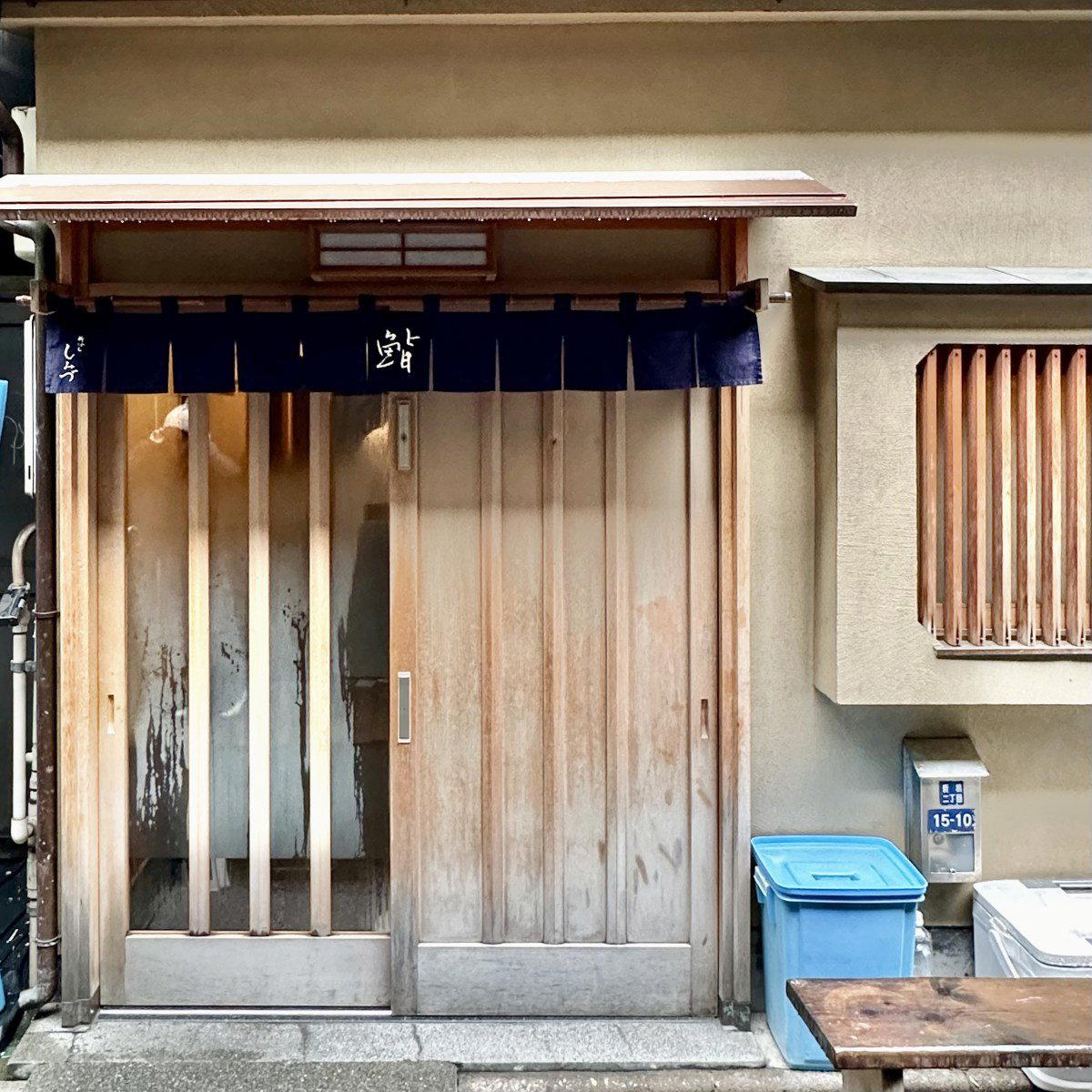
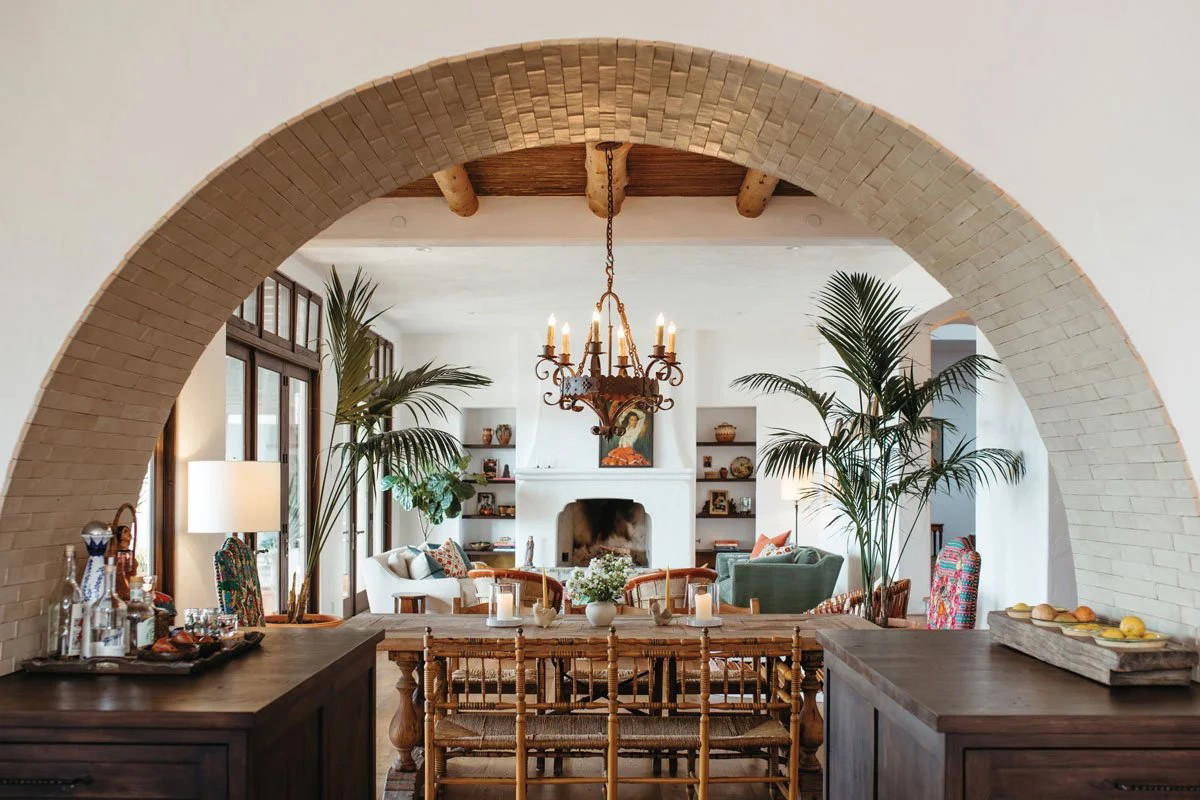
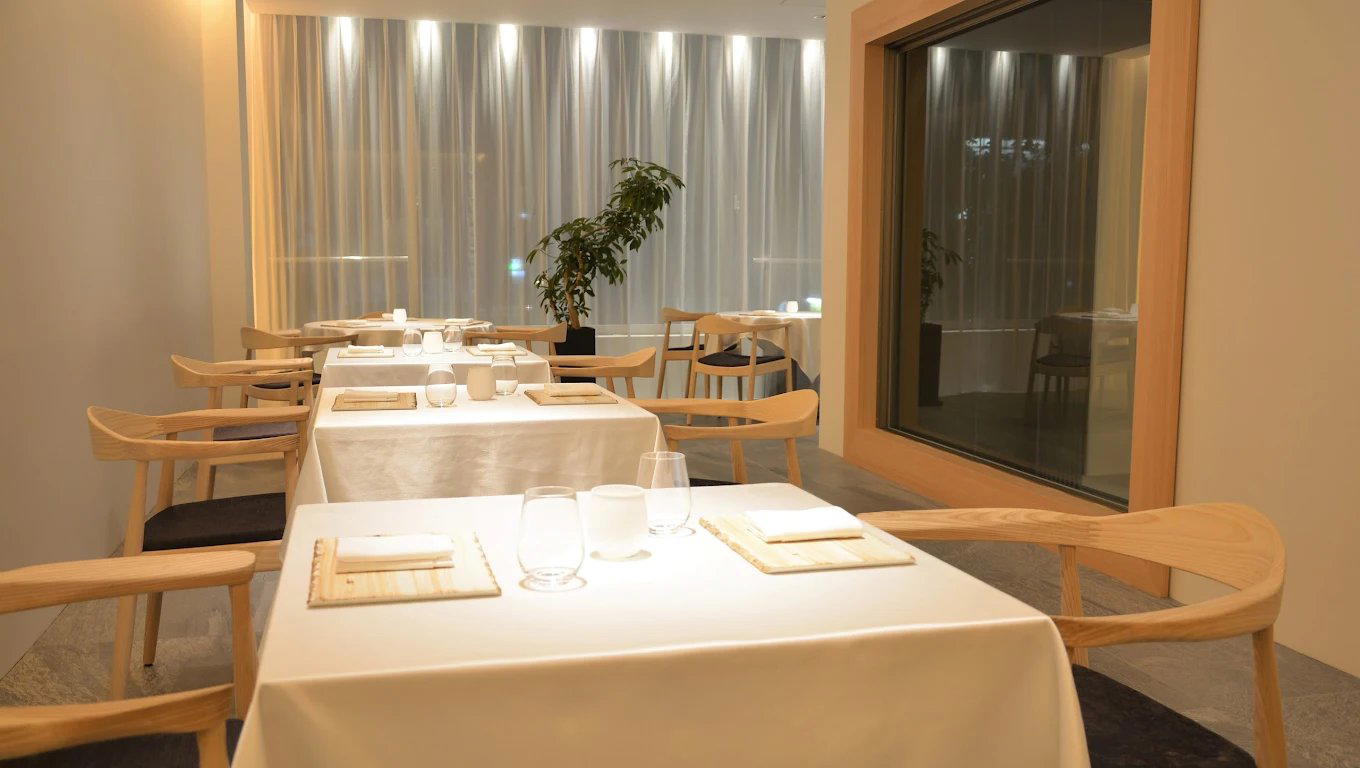
A small, non-smoking hideout with only 15 seats, stylish yet relaxed, centered around counter seating where guests watch the chef prepare boldly spiced Sichuan dishes in an intimate, casual setting.