
Tabelog 100 #50
Our verdict
In Nagoya’s Taiko Dori area, Manchin Ken belongs to the late-evening ramen-and-Chinese dining tradition rather than the chef-counter ramen cult. Its Tabelog Ramen AICHI 100 selection for 2025, 65-seat room, counter seating, take-out, sake and shochu make it a regulars’ address with more breadth than a quick bowl stop.

Pearl is the En Primeur Club membership app, where members save venues, book tables and use the concierge.
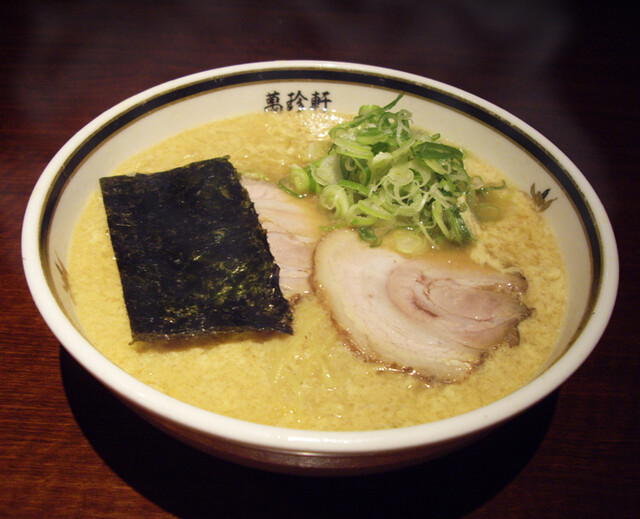
The menu
What to order
- 玉子とじラーメン (Egg-drop ramen)
- 麻婆飯 (Mapo tofu rice)
- 焼餃子 (Pan-fried dumplings)
- 四川麻婆豆腐
- なす飯 (Mapo eggplant rice)
- 手羽先 (Nagoya-style chicken wings)
The approach is not Ginza theatre or Kyoto hush, but urban Nagoya at working speed: subway exits, local traffic, small restaurants, and the pull of a room built for repeat use rather than ceremony. Manchin Ken fits: not a single tasting-menu moment, but a ramen-and-Chinese house where the appeal points to locals who know how they want to eat.
Outsiders often flatten Nagoya’s noodle culture into miso-katsu clichés, but the city’s dining map is broader and more functional. Ramen shops compete not only on broth identity, but on absorbing after-work groups, solo diners, families, and second-stop appetites without making dinner a reservation project. Manchin Ken reads as a local institution with reach: selected for Tabelog Ramen AICHI 100 in 2025, carrying a Tabelog score of 3.63, and listed across ramen, tantan-men, and Chinese categories rather than one narrow ramen subgenre.
Ramen, tantan-men and Chinese cooking under one roof
Read Manchin Ken as a hybrid format. A purist ramen counter asks diners to focus on one bowl, one queue, one turnover cycle. A Chinese-leaning ramen house gives regulars more uses for the same place: noodles solo, small plates when dinner needs breadth, and a meal that can move quickly when speed matters. Its ramen, tantan-men, and Chinese categories place it in an older, more elastic Japanese urban tradition.
That breadth matters in Nagoya, where casual dining value can be sharp without turning bare-bones. Average spend sits at JPY 1,000 to JPY 1,999. The value is format, clarity, and repeatability rather than luxury signalling or a chase for the cheapest possible bowl.
The regulars’ lens is right. A flexible ramen-and-Chinese address changes how a noodle stop behaves. Smaller counters can feel intense and fragile, especially when every seat is theatre. A broader casual room can join a weekly circuit, useful for friends, families, and diners who want noodles without pilgrimage pressure. The appeal is practical as much as culinary.
The category mix reinforces this. At a ramen-and-Chinese address, the meal can move beyond bowl-and-go efficiency. Some diners come for noodles, others think in terms of a wider casual dinner, and the format allows both without turning the room into a special-occasion stage.
Why Tabelog recognition matters differently in Aichi ramen
Tabelog’s Ramen AICHI 100 selection is a useful trust signal because ramen is a Japanese category where local knowledge can matter more than international guide attention. Michelin-style recognition tends to privilege small counters, tasting-menu discipline, and metropolitan visibility. Tabelog’s regional ramen lists sit closer to the everyday competitive field: shops that draw repeat diners, hold local reputation, and survive comparison across a dense prefectural noodle scene.
Manchin Ken’s 2025 selection places it inside the Aichi conversation, not a generic national ranking. That matters. A Nagoya ramen address competes with station-area specialists, neighbourhood chuka soba shops, and udon or Chinese rooms overlapping the same casual dining budget. The 2025 recognition signals relevance in that local set, while the source display order should not be read as an official rank.
Compared with tighter specialist ramen counters, the case here is breadth. Compared with casual Chinese restaurants, the noodle identity gives sharper purpose. That middle position is where regulars live: enough specificity for a repeat craving, enough flexibility for different companions and moods. For visitors, it shows ramen culture is not only rare-seat chasing; revealing meals often happen in rooms locals use often because the format answers ordinary needs well.
How to place it in a Nagoya eating day
Nagoya has the polished hotel-and-department-store dining image many travellers attach to its central zones, but Manchin Ken belongs to a more everyday rhythm. The appeal is practical: a ramen-and-Chinese address in Nagoya with a price band that makes it easy to fold into an evening rather than build an entire trip around it. These details explain how a place enters local routine rather than becoming a single-purpose destination.
Planning should stay flexible. Treat Manchin Ken as a casual Nagoya ramen-and-Chinese option where local timing matters, especially on busier evenings. The useful confirmed signals are its 2025 Tabelog Ramen AICHI 100 recognition, Tabelog score of 3.63, categories spanning ramen, tantan-men and Chinese, and a listed price range of JPY 1,000 to JPY 1,999.
For a Nagoya food itinerary, Manchin Ken is the grounded counterpoint to formal meals: the schedule slot where appetite, convenience, and local texture matter more than ceremony. Pair it with broader planning through Our full Nagoya restaurants guide, then use Our full Nagoya hotels guide, Our full Nagoya bars guide, Our full Nagoya wineries guide, and Our full Nagoya experiences guide to shape the trip.
Readers comparing casual Japanese dining formats can look across EP Club’s wider restaurant coverage, from other Nagoya dining rooms to unnamed Japanese and international reference points. The point is not to force Manchin Ken into a destination-restaurant frame, but to understand how an everyday ramen-and-Chinese format can carry real local value.
The editorial case is simple: Manchin Ken is not imitating a tiny destination counter. Its strength is durable Nagoya format: ramen, tantan-men, Chinese cooking, casual value, and enough recognition to separate it from competent neighbourhood noodle shops. Go for the local pattern as much as the bowl.
Frequently asked questions
Where do I go for Manchin Ken?
Nagoya.
What should I budget for a meal at Manchin Ken?
Pricing at Manchin Ken is listed as JPY 1,000 - JPY 1,999.
What days is Manchin Ken closed?
Specific opening days and closing days are not provided here; check directly with Manchin Ken before visiting.
What is Manchin Ken known for?
Manchin Ken is listed in Nagoya for ramen, tantan-men and Chinese, and was selected for Tabelog Ramen AICHI 100 in 2025.
Accolades, Compared
Comparable venues by cuisine and category.
| Venue | Cuisine | Price | Awards | Notes |
|---|---|---|---|---|
| Manchin KenThis venue (the venue you are viewing) | Nagoya egg-drop ramen & Chinese | $10–20 | Tabelog 100 #50 | Not listed |
| Hyakurotei Imaike ten | Nagoya gyoza & dumpling counter | $10–20 | Tabelog 100 #89 | Chikusa |
| Yaba Misen | Spicy Taiwan Ramen & Taiwanese-Chinese | $20–30 | Tabelog 100 #96 | Naka |
| Shaotsai Iedie | Authentic Sichuan Chinese | $30–50 | Tabelog 100 #64 | Higashi |
| Nanohana | Cozy Neighborhood Chinese | $20–30 | Tabelog 100 #47 | Chikusa |
| KAKO Yanagibashi ten | Japanese Kissaten / Coffee Shop | $1–10 | Tabelog 100 | Nakamura |
Recognition history
Dated appearances from independent guides and award organizations, with the underlying list record or original source where available.
Tabelog 100 #50 · No. 50
Tabelog · Tabelog 100 - Ramen - AICHI - 2025
Continue exploring
More in Nagoya
Restaurants in Nagoya
All restaurants in Nagoya →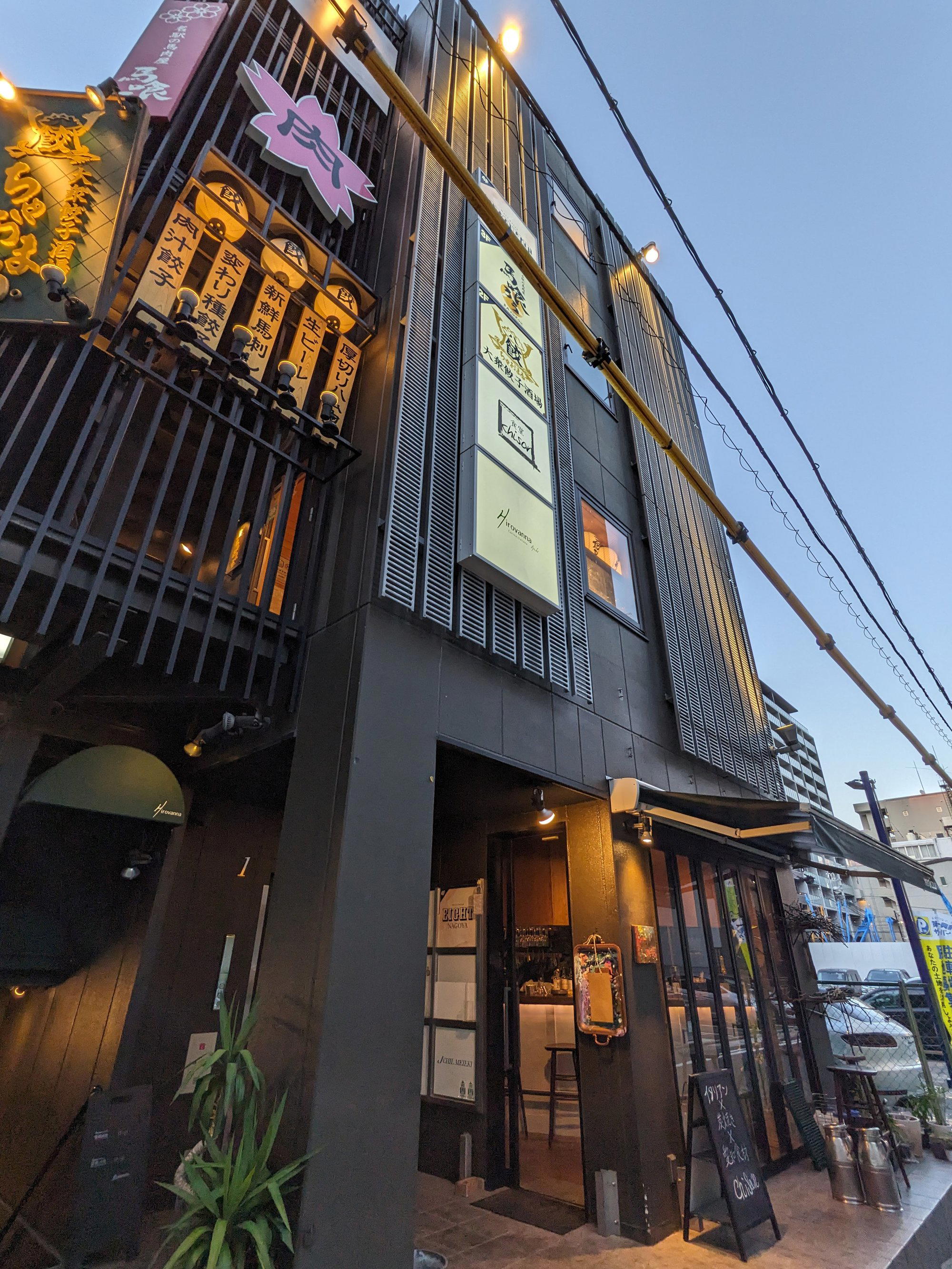
Details
- Lively
- Classic
- Cozy
- Well Known
- Solo
- Family
- Group Dining
- Casual Hangout
- Late Night
- After Work
- Standalone
- Beer Program
- A La Carte
- Beer
- Sake
- Spirits
- Soft Drinks
Current opening hours
- Monday
- 5 PM–12:30 AM
- Tuesday
- 5 PM–1 AM
- Wednesday
- 5 PM–12:30 AM
- Thursday
- 5 PM–12:30 AM
- Friday
- 5 PM–1 AM
- Saturday
- 5 PM–1 AM
- Sunday
- Closed
Hours can change for holidays and private events. Hours as of .