
Tabelog 100 #26
Our verdict
Jinsei Gyoza places Nagoya’s everyday Chinese-raamen-gyoza tradition in a compact Nakagawa Ward room rather than a formal dining frame. Its 2026 Tabelog Chinese EAST 100 selection, 15-seat scale, counter seating, and low price band make it a strong fit for casual milestone meals where the point is shared comfort, not ceremony.

Pearl is the En Primeur Club membership app, where members save venues, book tables and use the concierge.
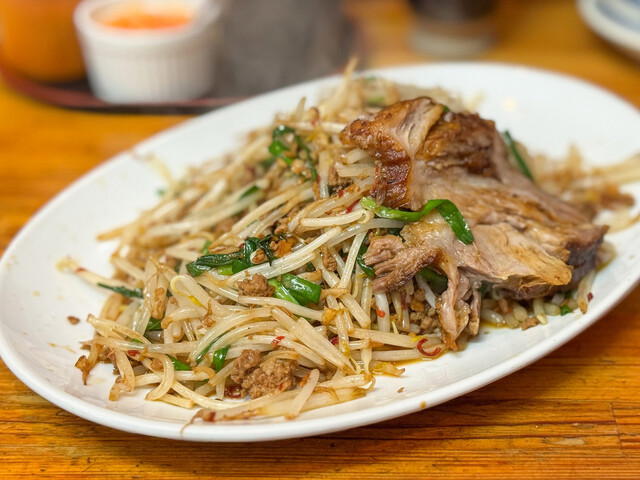
The menu
What to order
- Sara Taiwan (Taiwan-style yakisoba)
- Gyoza dumplings
- Ramen
Approaching Jinsei Gyoza in Nagoya feels less like a staged celebration than a local, everyday choice: an unfussy meal built around quick decisions, appetite, and the comfort of a casual place with a clear purpose. Nagoya’s serious casual dining often works this way. The meal needs no linen, view, or chef biography; it needs a format that makes a family birthday, school-year finish, or low-key reunion feel grounded in the city’s daily appetite.
Jinsei Gyoza fits that category. Publicly classified across Chinese, ramen, and dumpling cooking, it reflects a Japanese norm: neighborhood Chinese restaurants absorbing noodle-shop logic and family-restaurant utility. Its 2026 Tabelog Hyakumeiten recognition signals value beyond a purely casual listing, while the listed budget stays closer to weekly eating than special-occasion theater. That tension is the point: the room can mark an occasion without making it formal.
Small-room Chinese dining for milestones that do not need ceremony
Nagoya is better known outside Japan for miso katsu, kishimen, and tebasaki, but its working dining culture also depends on compact specialist rooms with focused formats, brisk rhythms, and everyday local use. A Chinese-ramen-dumpling restaurant is not competing with banquet halls. It competes with places chosen when a group wants comfort, speed, and enough structure to make the meal intentional.
The format matters. Chinese, ramen, and dumpling categories suit small family groups and pairs better than large celebrations, because the appeal is direct rather than ceremonial. This is for a compact gathering, not a roaming party. In Japan’s casual tier, that is often smarter occasion dining: fewer people, fewer speeches, better focus on the food.
The public profile reveals the operating style without needing a long backstory. Jinsei Gyoza is positioned as an affordable Nagoya restaurant with a strong review-site signal and a practical everyday budget. For a celebration, the meal works when the group accepts the house rhythm instead of stretching the table into a long party.
Where gyoza, ramen, and neighborhood Chinese overlap in Nagoya
Japanese-style Chinese dining is more elastic than the category name suggests. Ramen shops borrow from chuka cooking; gyoza counters double as casual meal stops; rice and noodle dishes make the format family-friendly in spirit. Jinsei Gyoza sits inside that overlap, not a single-lane ramen identity. Compared with Raamen Ajisai and Menya Ierou, both useful Nagoya reference points, the draw is not just a bowl. Compared with Ramen Daruma Shokudo or Ramen Aoba, the broader Chinese-dumpling frame gives a small group more ways to share. Tebiki Soba Isshin follows a different casual-specialist logic.
That comparison helps travelers because Nagoya rewards category literacy. A noodle address, soba specialist, and gyoza-led Chinese room may all look casual outside, but they solve different dining problems. For a solo meal, the directness is enough. For two friends, the format can carry noodles plus dumplings without turning dinner into a production. For a family occasion, the value is predictability: accessible pricing, a clear category world, and a restaurant identity that does not require formal staging.
The 2026 Tabelog Hyakumeiten recognition adds a second layer, placing the restaurant in a broader Chinese-cuisine conversation rather than a purely neighborhood list. The listed score is 3.66, best read in Japanese review-site context, where casual restaurants with strong local esteem can sit below the inflated-looking scores common on global platforms. The recognition signal matters more than the decimal: this everyday Chinese cooking has enough consistency and audience support to be noticed beyond a purely local habit.
How to use it in a Nagoya itinerary
The Nagoya location gives the meal a different texture from a heavily scripted hotel-district dinner. Treat it as part of a food-focused day rather than as a glossy destination meal. For visitors, the point is not a landmark setting but the chance to fold a recognized, affordable Chinese-ramen-dumpling stop into the broader rhythm of eating in the city.
Budget shapes the decision. The listed dinner range is JPY 1,000 - JPY 1,999, with lunch listed up to JPY 999, so late, loose over-planning is unnecessary but expectations should stay practical. Use it for a focused lunch or dinner, especially with a small group ready to order decisively. Low-price specialist restaurants in Japan often reward simple planning: know why you are going, keep the group compact, and let the meal stay casual.
For broader planning, pair this with Our full Nagoya restaurants guide, then use Our full Nagoya hotels guide, Our full Nagoya bars guide, Our full Nagoya wineries guide, and Our full Nagoya experiences guide to build the trip. Readers comparing Japan’s casual dining range can also look to other unnamed dining rooms in Nagoya and beyond, using Jinsei Gyoza as a reference point for how modest pricing, clear category identity, and strong local recognition can create an occasion without formal luxury.
The verdict is practical rather than grand. Jinsei Gyoza is for travelers who know a meaningful Nagoya meal can be small, affordable, and tightly focused. Bring a compact group, treat the casual format as part of the appeal, and use it for the kind of celebration where shared dumplings and noodles carry more emotional force than a formal tasting menu.
Frequently asked questions
Does Jinsei Gyoza work for a family meal?
Yes. Its Chinese, ramen, and dumpling categories, together with the listed dinner budget of JPY 1,000 - JPY 1,999 and lunch budget up to JPY 999, make it a practical choice for an accessible meal in Nagoya.
What should I expect atmosphere-wise at Jinsei Gyoza?
Expect a casual Nagoya restaurant rather than a formal dining room. Its 2026 Tabelog Hyakumeiten recognition signals that this modest, everyday format is part of the appeal.
Is Jinsei Gyoza more mid-range or high-end?
Pricing at Jinsei Gyoza is listed as JPY 1,000 - JPY 1,999 - JPY 999.
What is Jinsei Gyoza known for?
Jinsei Gyoza is known as a Nagoya restaurant in the Chinese, ramen, and dumpling categories, with 2026 Tabelog Hyakumeiten recognition and a listed score of 3.66.
At a Glance
Comparable venues by price and recognition.
| Venue | Cuisine | Price | Awards | Notes |
|---|---|---|---|---|
| Jinsei GyozaThis venue (the venue you are viewing) | Casual Chinese Gyoza & Ramen Shop | $10–20 | Tabelog 100 #26 | Not listed |
| Raamen Ajisai | Modern Nagoya shoyu ramen & tsukemen | $20–30 | Tabelog 100 #41 | JPY 1,000 - JPY 1,999 JPY 1,000 - JPY 1,999 |
| Menya Ierou | Japanese Ramen | Not listed | Tabelog 100 #98 | JPY 1,000 - JPY 1,999 JPY 1,000 - JPY 1,999 |
| Ramen Daruma Shokudo | Ramen and Japanese curry diner | $10–20 | Tabelog 100 #74 | JPY 999 - JPY 999 |
| Tebiki Soba Isshin | Traditional Soba & Tempura | $20–30 | Tabelog 100 #18 | JPY 2,000 - JPY 2,999 JPY 2,000 - JPY 2,999 |
| Ramen Aoba | Japanese Ramen | $1–10 | Tabelog 100 #71 | JPY 999 - JPY 999 |
Recognition history
Dated appearances from independent guides and award organizations, with the underlying list record or original source where available.
Tabelog 100 #26 · No. 26
Tabelog · Tabelog 100 - Chinese cuisine - EAST - 2026
Continue exploring
More in Nagoya
Restaurants in Nagoya
All restaurants in Nagoya →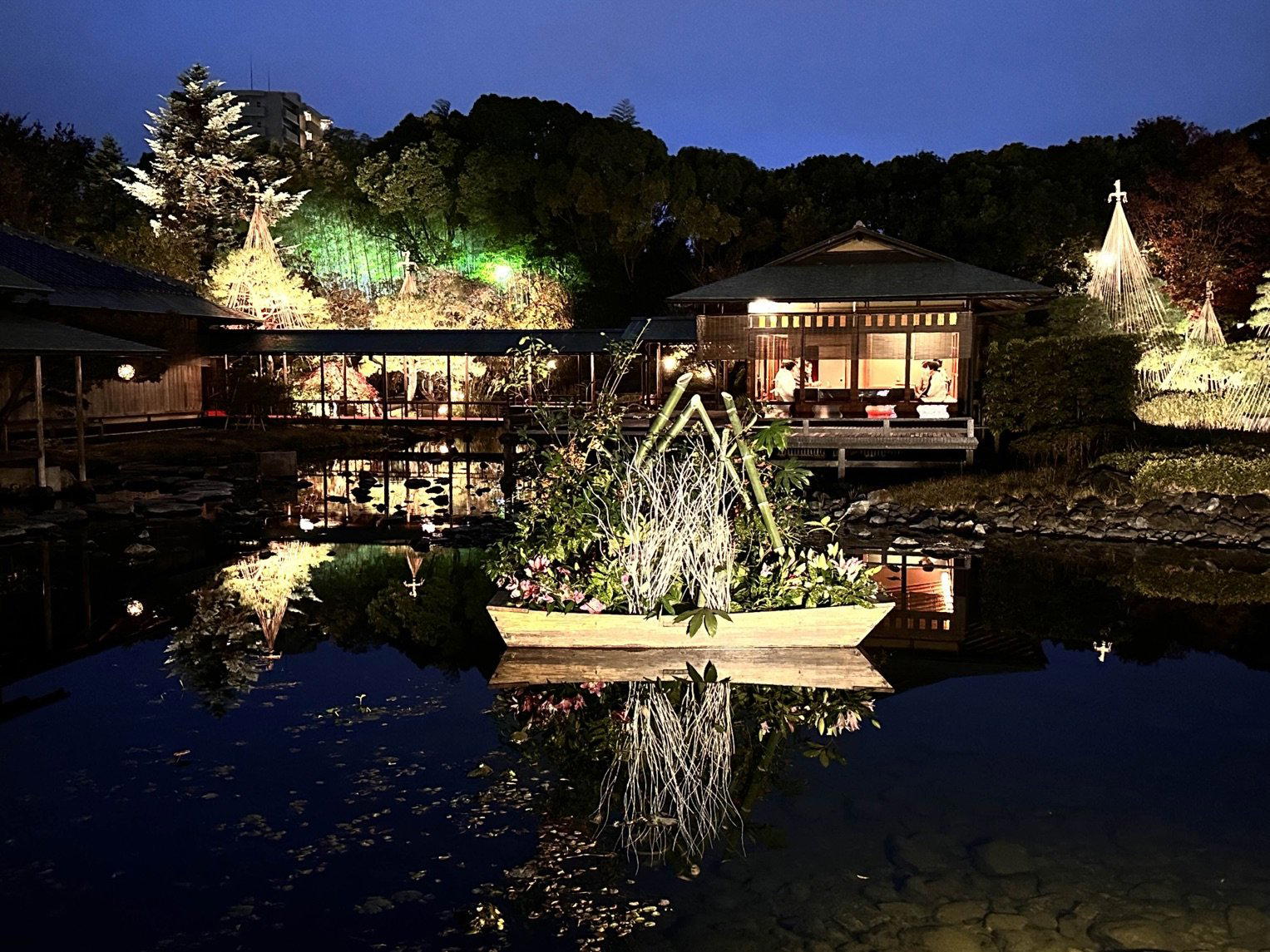





Details
- Solo
- Casual Hangout
- Late Night
- Group Dining
- Standalone
- Beer Program
- A La Carte
- Counter Dining
- Beer
Current opening hours
- Monday
- Closed
- Tuesday
- 11 AM–1:30 AM
- Wednesday
- 11 AM–1:30 PM, 5:30–8:30 PM
- Thursday
- 11 AM–1:30 PM, 5:30–8:30 PM
- Friday
- 11 AM–1:30 PM, 5:30–8:30 PM
- Saturday
- 11 AM–1:30 PM, 5:30–8:30 PM
- Sunday
- 11 AM–1:30 PM
Hours can change for holidays and private events. Hours as of .
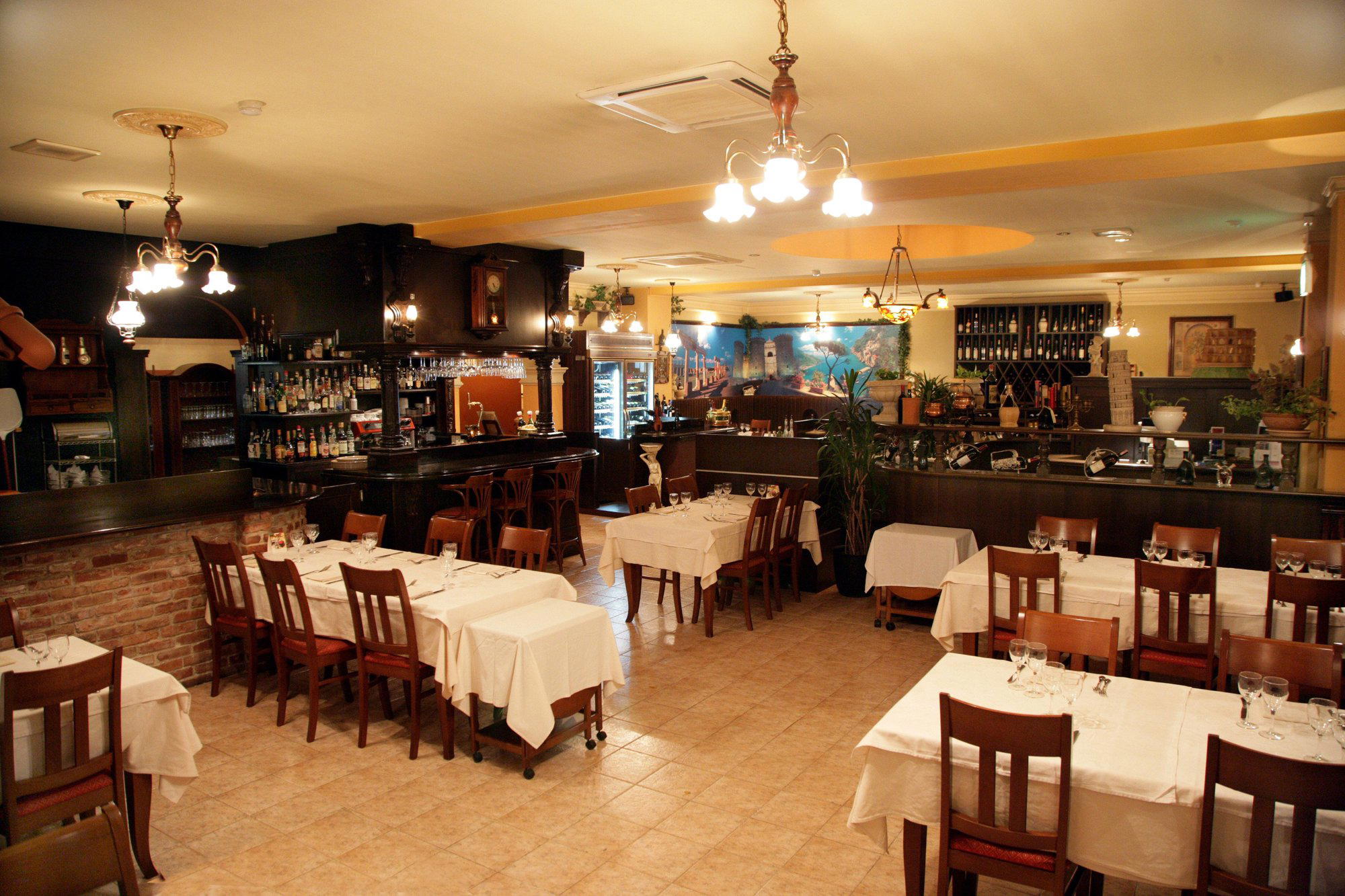
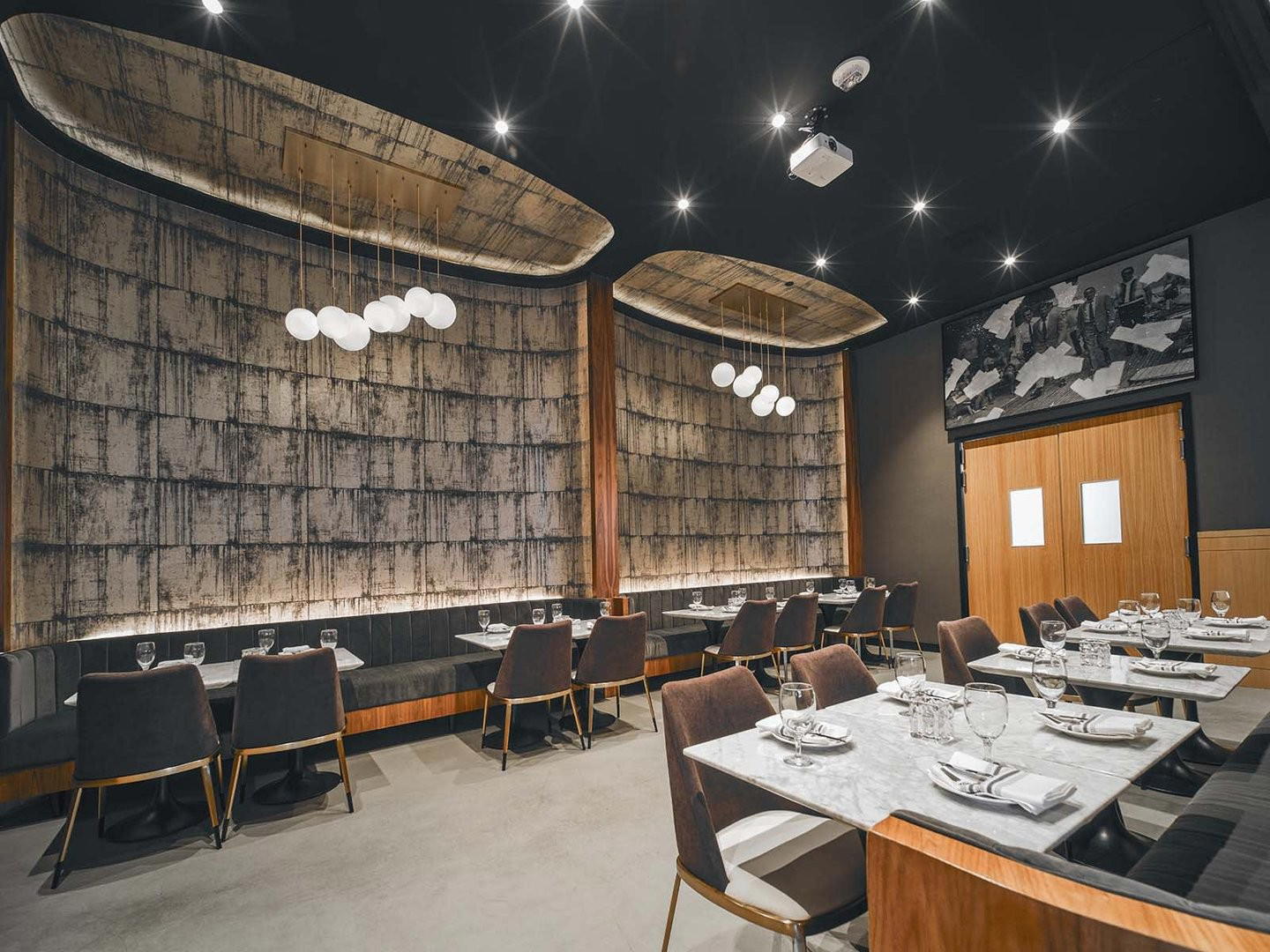
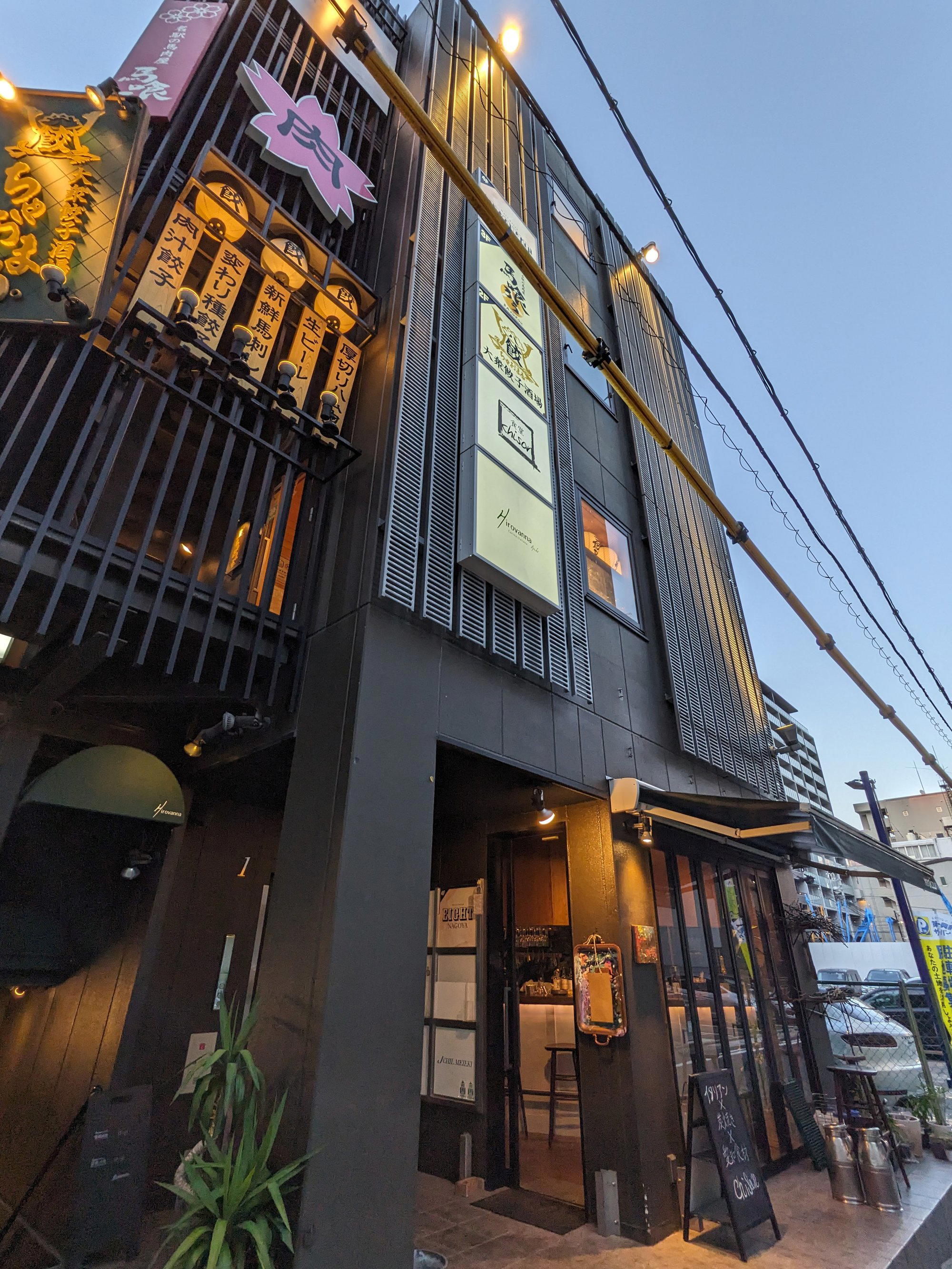
Casual and bustling with a typical local Chinese-ramen shop feel: compact space, bright practical lighting, counter and table seating, and a focus on quick, satisfying meals rather than decor.