Shanghai Terrace

Forbes 4-Star
Our verdict
Shanghai Terrace Chicago occupies a hidden sanctuary behind a red door on the Peninsula Hotel's fourth floor, where authentic Cantonese-Shanghainese fusion cuisine unfolds across 70 intimate seats overlooking Lake Michigan. This sophisticated Chinese fine dining destination showcases traditional dim sum service, five-course Peking duck presentations, and signature cocktails in an exclusive setting that requires reservations.

Pearl is the En Primeur Club membership app, where members save venues, book tables and use the concierge.
The menu
What to order
- Peking duck
- Lobster chicken black truffle dumplings
A Red Door on the Fourth Floor
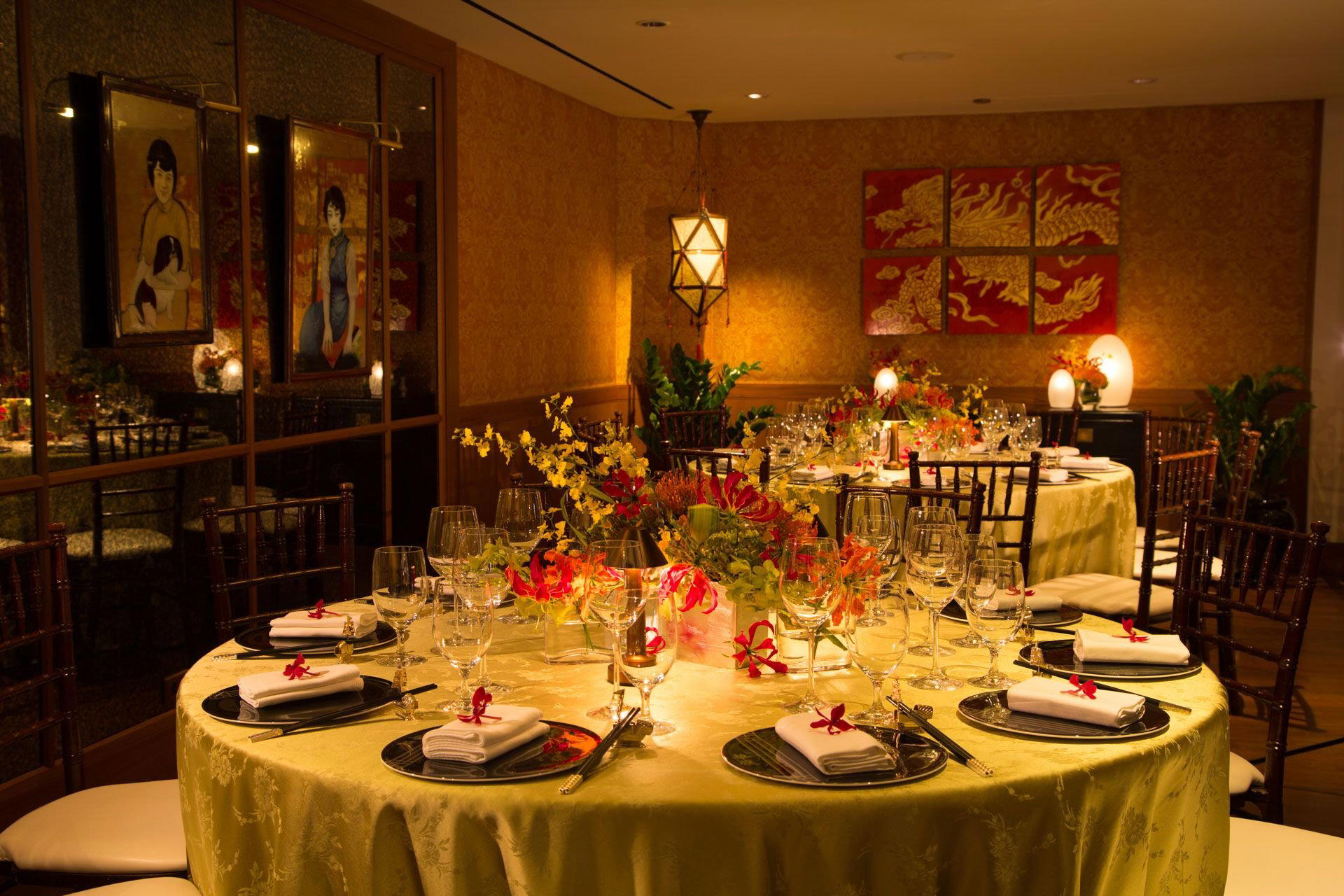
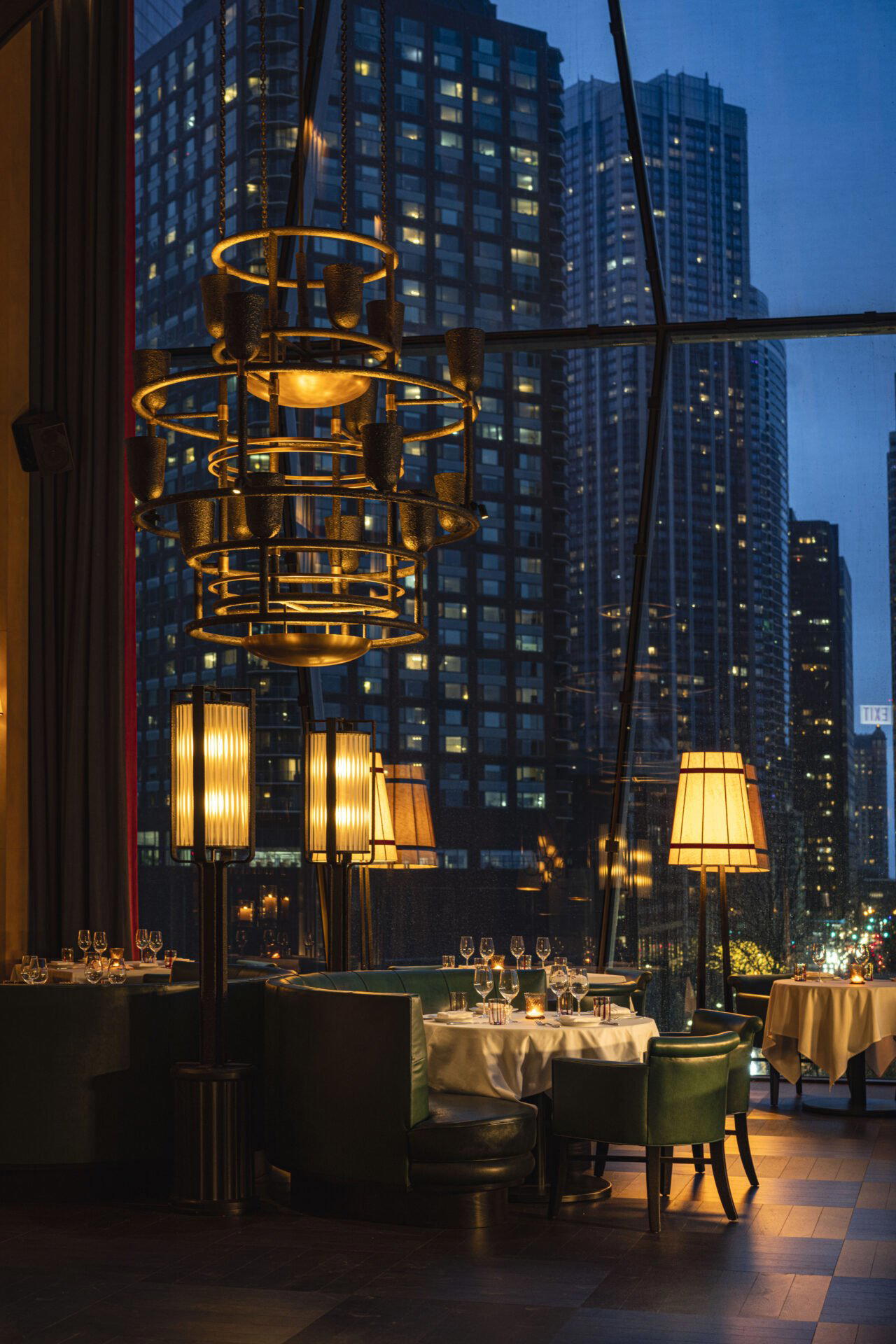
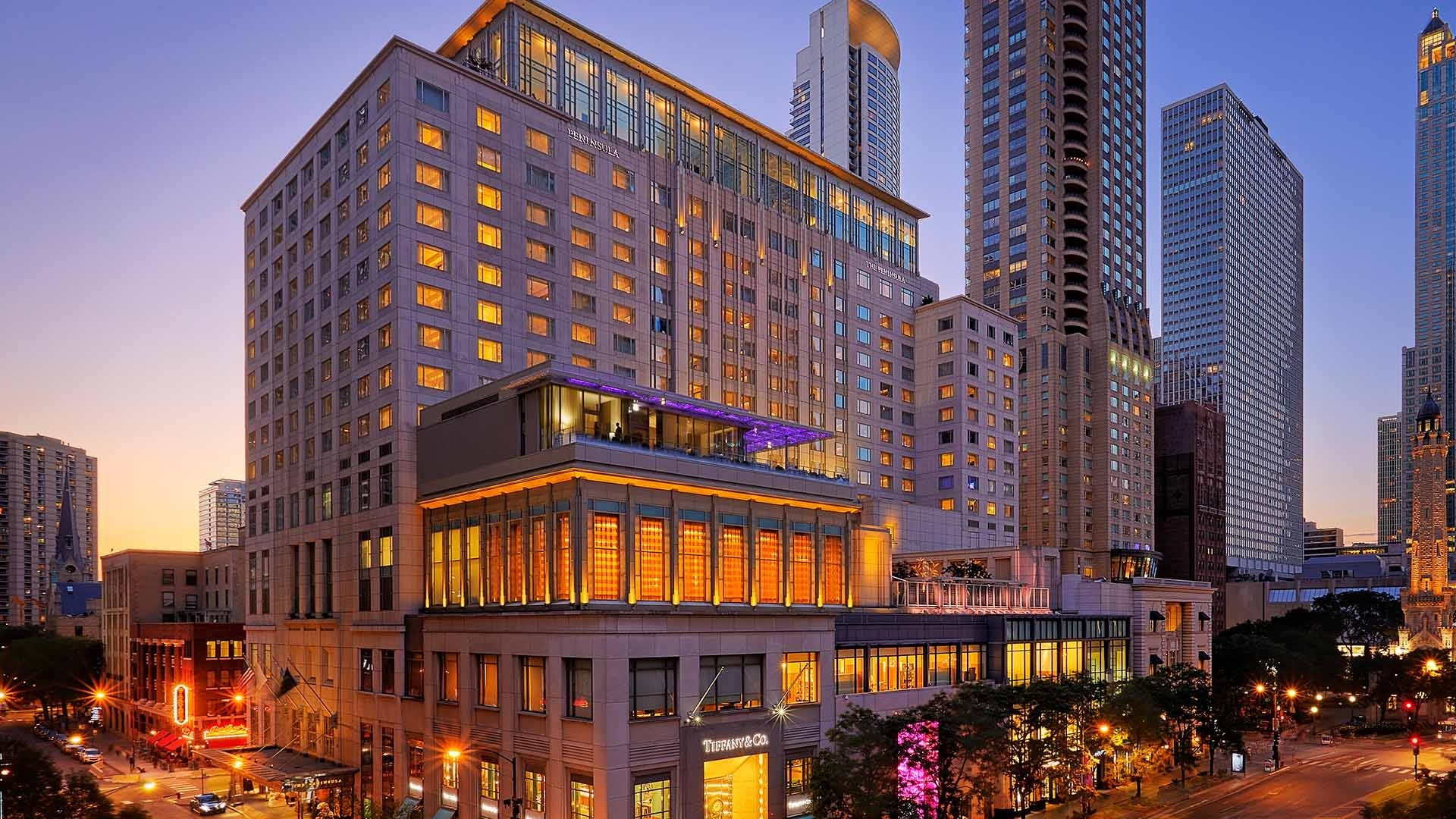
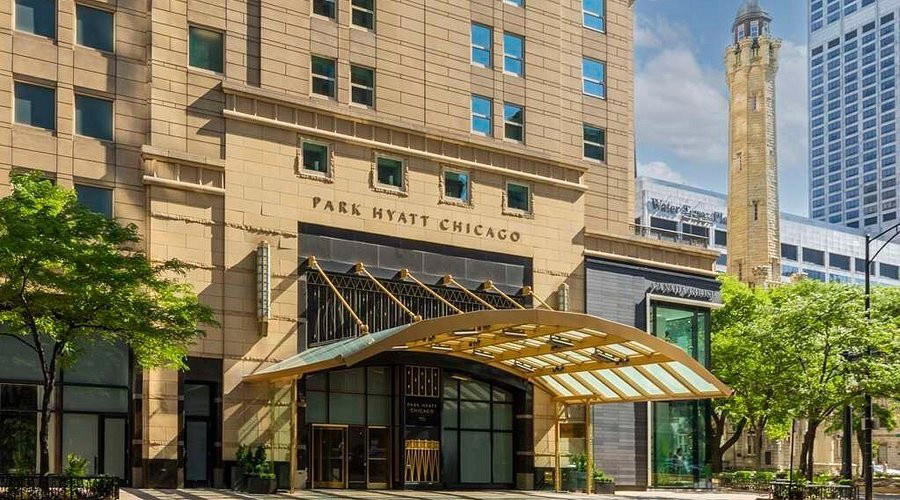
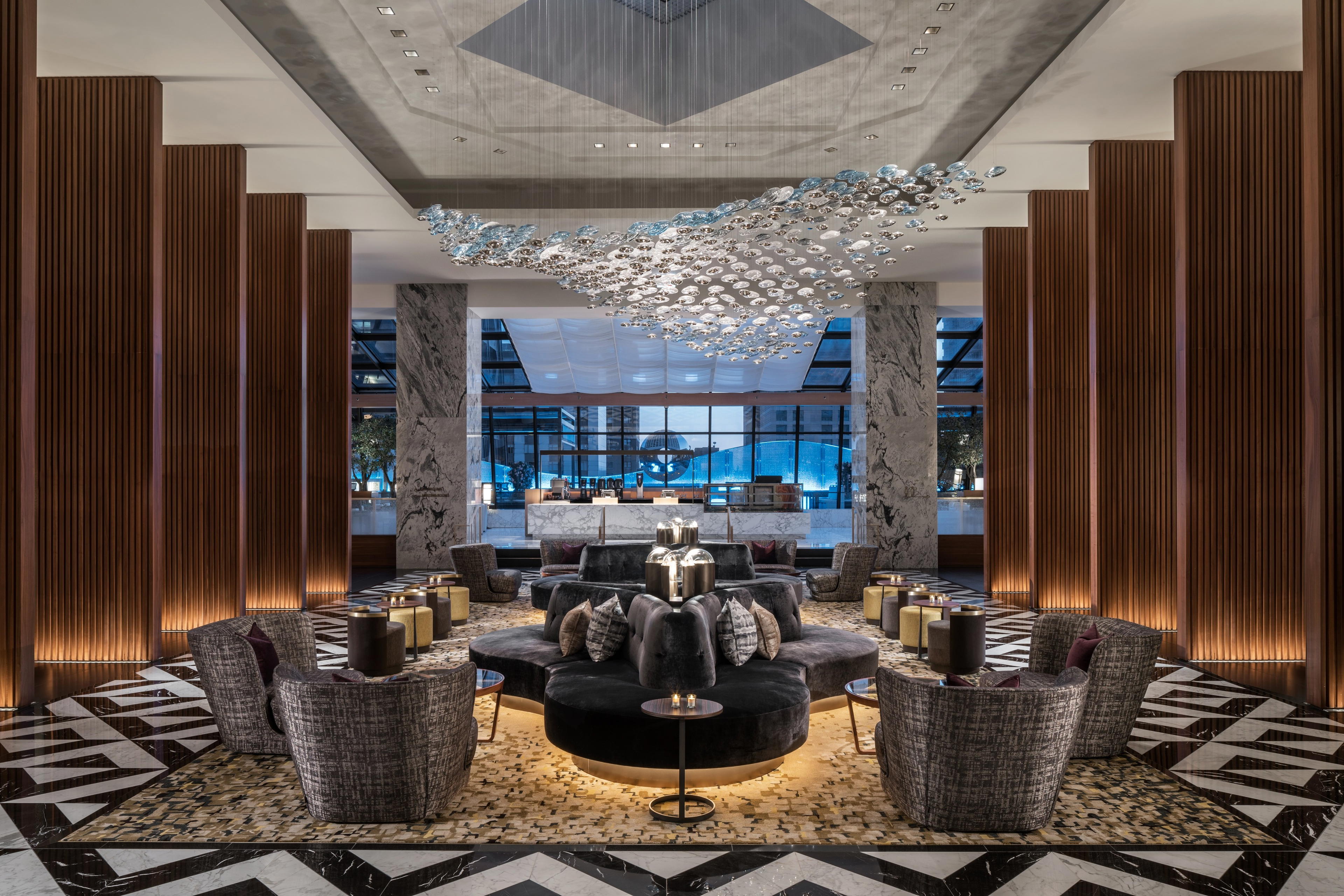
The approach alone sets the tone. You take the elevator to the fifth-floor lobby of the Peninsula Chicago, a Forbes Travel Guide Five-Star property, then descend one flight by staircase and look for a small red door. The entrance is deliberately understated, and that restraint carries through everything that follows. Inside, 70 seats are arranged around lacquered tables beneath a room designed around classic Shanghai references: black lacquer chairs, measured ornament, the kind of interior confidence that doesn't require spectacle to hold attention. On clear days, Lake Michigan is visible from the main dining room, a view that earns its place in the room without being the whole point of it.
Hotel dining in American cities has a complicated reputation. At its weakest, it defaults to safe programming for guests who aren't inclined to venture out. At its strongest, it occupies a distinct tier, where the building's five-star infrastructure supports a kitchen and bar that can compete with standalone venues. Shanghai Terrace sits in the second camp. The room serves Cantonese-Shanghainese cuisine in a city that, for all its depth in progressive American formats, has a far thinner roster of serious Chinese dining options.
The Bar as Editorial Statement
American cocktail culture has spent the past decade separating itself from the era of sugary, colour-coded drinks. The serious bar programs that emerged from New York, San Francisco, and Chicago share a set of common markers: documented ingredient sourcing, structurally considered menus, and service that can explain the logic of a drink rather than just recite its components. Shanghai Terrace's cocktail list operates within this tradition, but applies it through a lens specific to the room.
The Chrysanthemum builds on Bombay Sapphire gin and layers in ginger shrub, orange, chrysanthemum, and Koval honey. The botanic structure is deliberate: the chrysanthemum bridges a classically British base spirit toward East Asian flavor references without tipping into themed gimmickry. The Orchid pairs Grey Goose vodka with Pama, dragon fruit, and jasmine syrup. Both drinks use premium base spirits and work with floral and fruit modifiers that echo the kitchen's Shanghainese register. In the broader context of Chicago's bar scene, this isn't a novelty program. It's a house list with genuine internal logic, the kind that rewards a guest who reads the menu rather than defaulting to a wine order.
Chicago's cocktail scene has grown considerably around the city's restaurant corridor, with bars attached to serious dining rooms raising their programs to match the food. For a full picture of what the city currently offers in this category.
Dim Sum, Cantonese Foundations, and the Lunch Question
The Chinese-American restaurant category in the United States covers an enormous range, from counter-service chop suey houses to contemporary tasting-menu formats in major cities. The Cantonese-Shanghainese tradition that Shanghai Terrace draws from sits in the classical end of that range, emphasizing technique over novelty and regional specificity over fusion blur. Shanghai Terrace operates differently, holding closer to established Cantonese-Shanghainese forms rather than reinterpreting them.
At lunch, the format leans into dim sum, the Cantonese tradition of small shared dishes served from bamboo steamers. Barbecue pork buns, Peking duck preparations, and shrimp and chive dumplings anchor that service. The five-course Peking duck meal is a more formal option and represents the kitchen's investment in one of the more technically demanding dishes in Chinese cuisine, a preparation that requires lacquering, air-drying, and precise roasting to achieve the combination of crackling skin and tender flesh that defines the dish at its correct execution. Crab wontons round out a menu that is built around plates designed to share, with portions calibrated for the table rather than the individual.
For readers building a broader Chicago itinerary, the city's restaurant scene has a number of strong counterpoints worth considering. The progressive American format is particularly developed here: Alinea, Oriole, and Smyth each represent different expressions of that category. Kasama and Next Restaurant extend the picture further. The full picture is in.
Service, Setting, and Who This Room Is For
The 70-seat count and cozy table arrangements make this a room suited to conversation. In a hotel dining context, that often defaults to corporate entertaining or celebratory occasions, and Shanghai Terrace serves both functions. But the Forbes Five-Star infrastructure means the service standard applies across all visit types. A staff with strong representation of Chinese-speaking team members provides menu context that goes beyond surface-level description, particularly useful for guests navigating the dim sum selection or the duck preparation options at lunch.
The room's winter dynamic is worth noting: the terrace that gives the restaurant part of its identity is unavailable in cold months, but the Lake Michigan view from the main dining room compensates. Chicago winters are long and the terrace season is compressed, so visitors timing their visit for the outdoor element should plan accordingly.
For hotel context, the Peninsula Chicago's five-star designation places it in a narrow tier of the city's accommodation market.
Chicago in a National Context
Chicago occupies a specific position in American fine dining. It is not New York, where volume and competition have produced the densest concentration of serious restaurants in the country. It is not the Bay Area, where farm proximity and wine culture have shaped a particular format. What Chicago has developed, through venues including the ones listed above and extending to hotels like the Peninsula, is a rigorous mid-continent dining identity that draws from the city's immigrant history, its architectural confidence, and its willingness to support formal dining structures that other cities have abandoned. Shanghai Terrace fits that pattern: a hotel restaurant that takes its cuisine seriously and maintains a bar program coherent enough to hold its own as a destination in its own right.
For readers who want to benchmark this against Chinese-American dining at a national level, Le Bernardin in New York, The French Laundry in Napa, Lazy Bear in San Francisco, Single Thread Farm in Healdsburg, Providence in Los Angeles, and Emeril's in New Orleans represent the range of what serious American dining looks like across formats and cities. Our full Chicago experiences guide and cover adjacent categories for visitors building a full trip.
Planning Your Visit
| Detail | Shanghai Terrace | Typical Chicago $$$$ |
|---|---|---|
| Seat count | 70 | Varies (40–120) |
| Setting | Hotel dining, 4th floor, Peninsula Chicago | Standalone or hotel |
| 4.2–4.7 range | ||
| Service language | Multilingual, Chinese-speaking staff | English primary |
| Address | 108 E Superior St, Chicago, IL 60611 | Various |
| Access note | Enter via 5th-floor lobby, descend one flight, red door | Street-level typical |
Frequently asked questions
What's Shanghai Terrace's location?
Shanghai Terrace is located at 108 E Superior St, Chicago, IL 60611.
What should I eat at Shanghai Terrace?
Lunch is the strongest argument for a visit: the dim sum program anchors the menu with barbecue pork buns, shrimp and chive dumplings, and crab wontons, all rooted in Cantonese-Shanghainese tradition. For a more structured meal, the five-course Peking duck is available and portions are sized for sharing. On the drinks side, the Chrysanthemum (Bombay Sapphire, ginger shrub, chrysanthemum, honey Koval) is worth ordering alongside food rather than after.
Is there a head chef associated with Shanghai Terrace?
The chef associated with Shanghai Terrace is Marco Langer.
Should I book Shanghai Terrace in advance?
Yes. The dining room holds 70 seats inside the Forbes Travel Guide Five-Star Peninsula Chicago at 108 E Superior St, and that capacity fills quickly on weekends and during Chicago's convention calendar. Reservations are recommended, particularly for lunch when the dim sum draws a consistent crowd. Walk-ins are a risk rather than a strategy here.
Credentials Lens
| Venue | Cuisine | Price | Awards | Notes |
|---|---|---|---|---|
| Shanghai TerraceThis venue (the venue you are viewing) | Modern Shanghainese | $100–150 | Forbes 4-Star | Not listed |
| Alinea | Avant-Garde Molecular Gastronomy | $300–500 | 2 Michelin Stars · World's 50 Best #37 | Progressive American, Creative |
| Smyth | Modern American Tasting Menu | $200–300 | 3 Michelin Stars · World's 50 Best #1 | Progressive American, Contemporary |
| Kasama | Modern Filipino | $30–50 | 2 Michelin Stars · World's 50 Best #31 | Filipino |
| Next Restaurant | Avant-Garde Themed Tasting Menus | Not listed | 1 Michelin Star · We're Smart World 2 Radishes | American Cuisine |
| Boka | Modern American Seasonal Fine Dining | $150–200 | 1 Michelin Star · La Liste Top Restaurants | New American, Contemporary |
Recognition history
Dated appearances from independent guides and award organizations, with the underlying list record or original source where available.
Forbes 4-Star
Forbes
Full recognition history (2 entries)
Forbes 4-Star
Forbes
Continue exploring
More in Chicago
Restaurants in Chicago
All restaurants in Chicago →
Bars in Chicago
All bars in Chicago →
Details
- Romantic
- Elegant
- Sophisticated
- Intimate
- Classic
- Date Night
- Business Dinner
- Special Occasion
- Hotel Restaurant
- Terrace
- Private Dining
- Extensive Wine List
- Craft Cocktails
- Street Scene
- A La Carte
- Small Plates
- Vegetarian Friendly
Current opening hours
- Monday
- Closed
- Tuesday
- Closed
- Wednesday
- 5–10 PM
- Thursday
- 5–10 PM
- Friday
- 5–11 PM
- Saturday
- 5–11 PM
- Sunday
- 5–10 PM
Hours can change for holidays and private events. Hours as of .
Seductive 1930s Shanghai eatery atmosphere with ebony, gold, and scarlet tones, cozy lighting, and a serene terrace.