山鬼寨风味楼 • Shan Gui Zhai
Shan Gui Zhai sits on Ziwu Lu in central Zhangjiajie, serving the mountain-inflected Hunan cooking that defines this part of western Hunan province. The kitchen draws on the same fiery, fermented, and smoked traditions that have sustained Tujia and Miao communities in the Wuling mountain range for generations. For visitors arriving from the Zhangjiajie National Forest Park, it represents a direct entry point into the regional table.
Pearl is the En Primeur Club membership app — saves, bookings, and concierge access live there. Same editors, same standards.
- Address
- 子午路 Ziwu Lu (凤湾路 Fengwan Lu), 张家界, 湖南, 427000
- Directions
- Get directions
 Saves & bookings on Pearl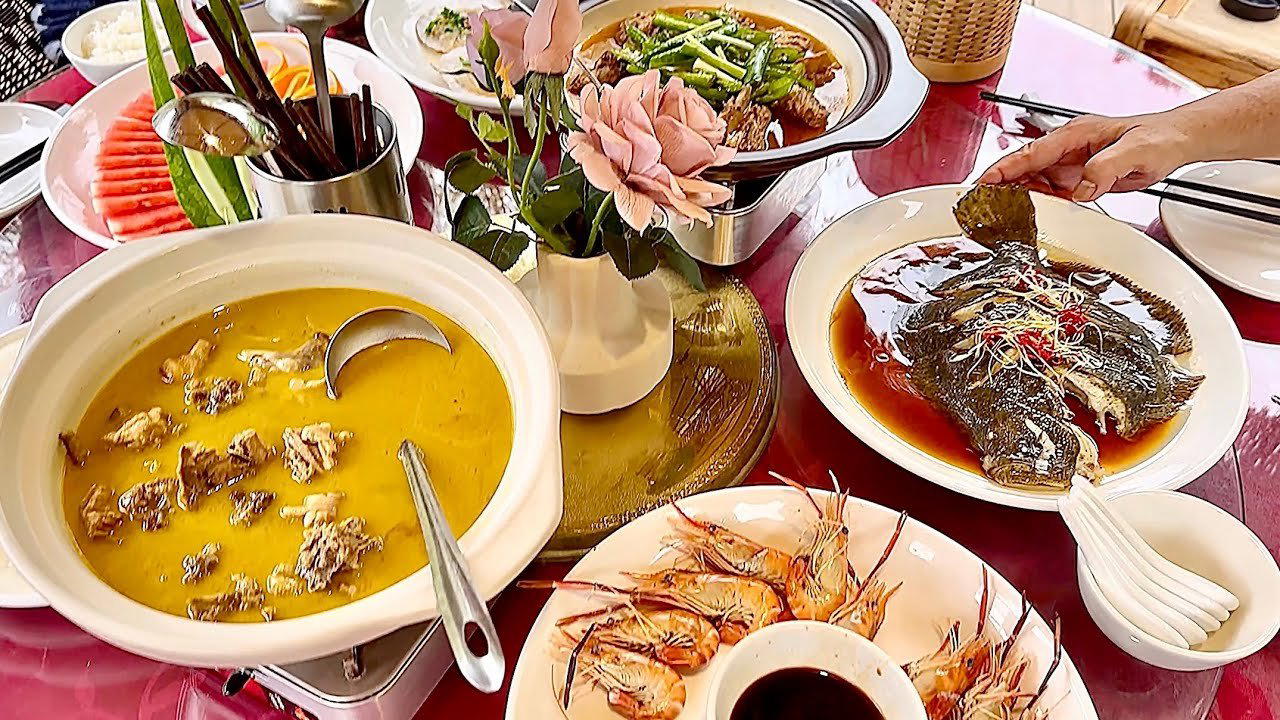
Mountain Cooking in the Wuling Range
Zhangjiajie sits at the western edge of Hunan province, where the culinary traditions of the Han majority overlap with those of the Tujia and Miao ethnic minorities who have occupied these mountains for centuries. The result is a regional table that differs meaningfully from the better-known Changsha style: smokier, heavier on fermentation, and built around the preservation techniques that mountain winters demanded before refrigeration existed. Shan Gui Zhai, positioned on Ziwu Lu near the intersection with Fengwan Lu, operates within this tradition. The name translates loosely as Mountain Ghost Stockade, a reference to the forested peaks and ancient defensive settlements that define the local geography and folklore.
Zhangjiajie receives millions of visitors annually, most of them focused on the quartz-sandstone pillars of the national forest park that inspired the floating mountains in James Cameron's Avatar. The dining scene that has developed around this tourism economy runs the full spectrum, from tourist-facing hotpot chains near the park gates to neighbourhood kitchens serving the food the city actually eats day to day. Shan Gui Zhai occupies the latter category: a local-facing operation on a street address that rewards visitors willing to step away from the main tourist corridors.
The Hunan-Tujia Table
Western Hunan cooking is not simply a spicier version of what reaches urban Hunan restaurants in Beijing or Shanghai. The heat profile differs: where Changsha cooking leans toward fresh chillies and dry heat, the mountains around Zhangjiajie have historically preserved protein through smoke and lacto-fermentation, producing a more complex, layered pungency. Smoked pork ribs cured over pine and cypress, sour fish fermented in rice bran, and pickled vegetables that have been aging in ceramic jars since before the harvest season began are the building blocks of the regional pantry.
The Tujia tradition adds another dimension. Dishes like tujiazu ganpan (a dry-cooked platter of cured meats), steamed glutinous rice preparations, and pao cai-style pickles that differ in technique and flavour from their Sichuan counterparts all reflect a food culture that developed in relative geographic isolation. This is worth understanding before ordering: the menu at a restaurant like Shan Gui Zhai is not structured around the internationally familiar Chinese restaurant format of shared plates chosen from a long list. The sequencing and combination of dishes follows local logic, where fermented and fresh, smoked and steamed are balanced across a meal rather than left to the diner's instinct.
For comparison, venues working in adjacent Chinese regional traditions elsewhere on the mainland approach these questions differently. Xin Rong Ji in Chengdu channels Jiangnan refinement into a Sichuan setting, while Wu Long Shan Zhai represents another local Zhangjiajie interpretation of the same mountain-cooking tradition. The contrast between these approaches illustrates how geographically specific Chinese regional cooking becomes when kitchens are not trying to translate for an outside audience.
Context Within the Chinese Regional Dining Spectrum
The gap between how Chinese regional cooking is presented in major metropolitan centres and how it exists in its home geography is substantial. Restaurants like Xin Rong Ji on Xinyuan South Road in Beijing and 102 House in Shanghai represent the high-end urban translation of regional Chinese cooking, with service codes, physical environments, and price points calibrated to cosmopolitan audiences. At the other end of the spectrum, restaurants operating in source geographies like Zhangjiajie serve food that has not been adjusted for export. The flavours are more assertive, the presentations more functional, and the context is the lived culture rather than a curated version of it.
That gap is not a quality gap. Chef Tam's Seasons in Macau and Imperial Treasure Fine Chinese Cuisine in Guangzhou demonstrate what formal Chinese dining at award level looks like when resources and audience align. But the value proposition at a neighbourhood kitchen in Zhangjiajie is categorically different: proximity to source ingredients, an absence of mediation between the cook's tradition and the plate, and price points that reflect local economics rather than destination-restaurant positioning. These are not competing on the same terms, and treating them as if they are misreads both.
Venues further along the Yangtze-adjacent culinary corridor, including Ru Yuan in Hangzhou, Dai Yuet Heen in Nanjing, and Dingshan·Jiangyan in Suzhou, operate in the refined Jiangnan tradition that prizes delicacy and subtlety. The Wuling mountain cooking that Shan Gui Zhai represents is its geographic and philosophical counterpoint: assertive rather than restrained, built on preservation rather than freshness, and grounded in ethnic minority food culture rather than the literati cooking traditions of the Yangtze delta.
Arriving and Planning Your Visit
Shan Gui Zhai is located on Ziwu Lu at the Fengwan Lu intersection in central Zhangjiajie city, which is the urban centre distinct from the national park area. Visitors staying near Wulingyuan and the forest park will need to travel into the city proper. The restaurant is accessible without a car: local taxis and ride-hailing services operate throughout the city, and the address places it within the urban grid rather than on a remote road.
Walk-in dining suits the restaurant's casual, local-facing setting.
For those building a broader itinerary of Chinese regional dining, the contrast between a kitchen like this and internationally recognised operations such as Fleurs Et Festin in Xiamen, Jiangnan Wok·Rong in Fuzhou, or Shang Palace in Yangzhou illustrates the range of contexts in which serious Chinese cooking occurs. At the further extreme of contrast, the gap between Tujia mountain cooking in Zhangjiajie and the technically meticulous tasting-menu format of Atomix in New York City or the seafood classicism of Le Bernardin represents the full width of the global dining conversation. Shan Gui Zhai operates at the local, source-geography end of that spectrum, which is precisely its editorial interest.
Budget Reality Check
Comparable venues nearby, for context on price, style, and recognition.
| Venue | Cuisine | Price | Notes |
|---|---|---|---|
| 山鬼寨风味楼 • Shan Gui ZhaiThis venue — the venue you are viewing | Wulingyuan, Tujia Traditional Chinese | $$ | Not listed |
| Wu Long Shan Zhai | Not listed | $$ | Wulingyuan District, Authentic Hunan & Tujia Regional Cuisine |
| 钟楼站 | 钟鼓楼, Traditional Shaanxi Dumplings | $$ | Not listed |
| Fuyuanju | Hangzhoushi, Authentic Hangzhou Cuisine | $$ | Not listed |
| Fuchun Xiaolong | Not listed | $$ | Jing An Si, Traditional Shanghainese Xiao Long Bao |
| 德利私厨 | Panyushi, Private Kitchen | Not listed | Not listed |
At a Glance
- Rustic
- Classic
- Family
- Casual Hangout
- Historic Building
- Mountain
Rustic and traditional Tujia-themed atmosphere evoking local mountain folk culture.