Shamshiry
Our verdict
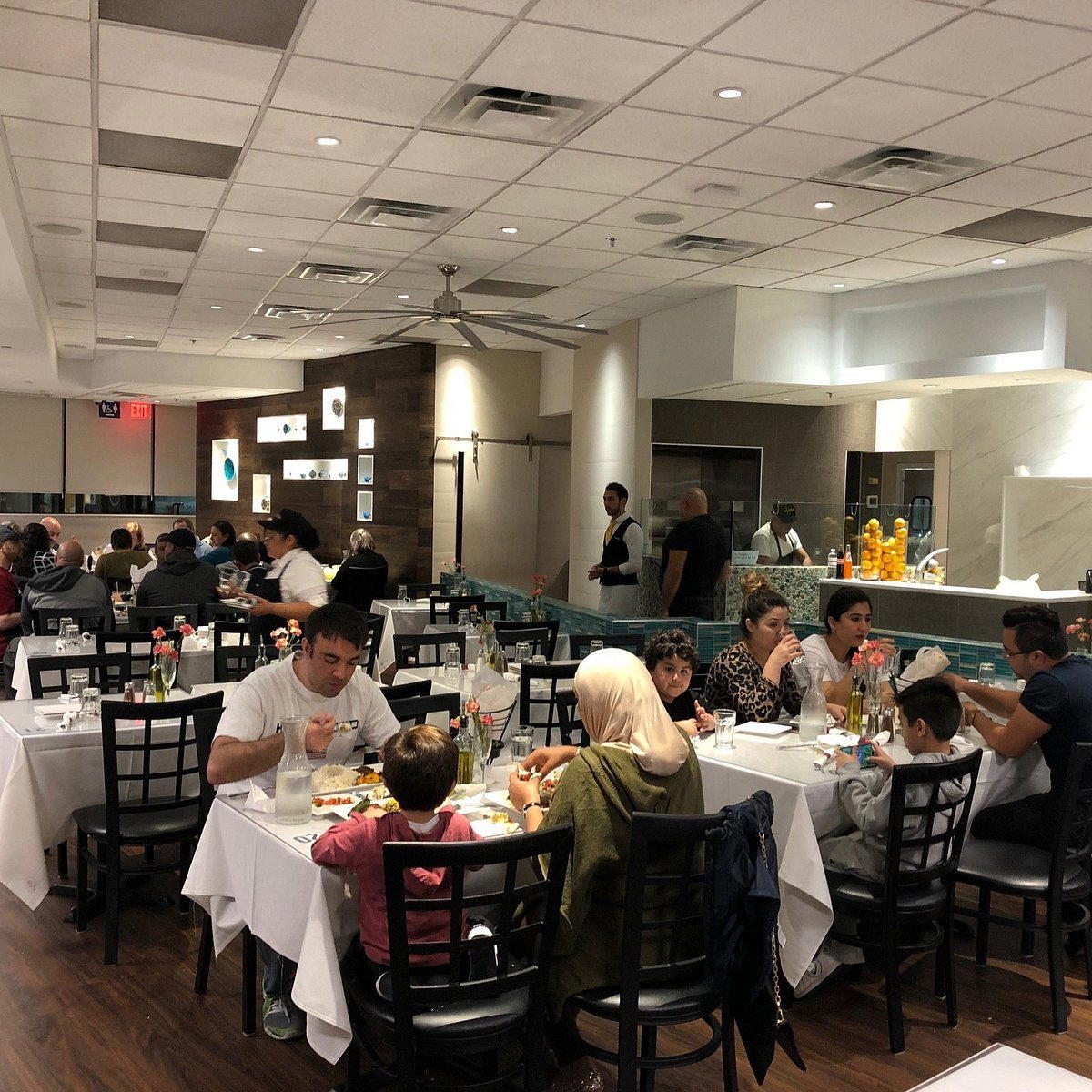
Shamshiry at 8607 Westwood Center Drive in Vienna, Virginia has served the Washington metro area's Iranian diaspora community as a reference point for Persian cuisine. The restaurant draws a loyal local following for grilled kebabs, stews, and the kind of rice preparation that takes years to master. Booking ahead is advisable, particularly on weekends.

Pearl is the En Primeur Club membership app, where members save venues, book tables and use the concierge.
The menu
What to order
- Chelo Kabob Shamshiry
- Zereshk Polo
- Baghali Polo
- Tahdigh
Persian Dining in Northern Virginia: How Shamshiry Fits the Region
The stretch of Northern Virginia running through Tysons and Vienna has developed one of the more concentrated Iranian-American communities on the East Coast, and the dining culture that accompanies it is substantive enough to reward serious attention. Persian restaurants in this corridor operate at a different register than the generic Middle Eastern category that groups them in most guides: the cuisine is distinct in its use of long-braised herbs, fruit-inflected sauces, and a saffron-threaded rice tradition that treats the tahdig, the caramelised crust at the bottom of the pot, as its own achievement. Shamshiry, at 8607 Westwood Center Drive in Vienna, Virginia, has become a fixture for this community and for the wider Washington metro area looking for a credible introduction to the form.
Within the Northern Virginia dining context, Persian restaurants occupy a mid-tier that competes on authenticity and execution rather than on format innovation. There are no tasting menus, no tableside theatre, and no chef-driven reinvention of tradition here. The competitive pressure is horizontal: diners in this community know exactly how the food should taste, and they return or do not return based on whether the kitchen delivers. That expectation, more than any award or critic review, is the quality signal that matters in this category.
The Ritual of the Persian Meal
Understanding what Shamshiry offers requires understanding how a Persian meal is structured, because the format differs meaningfully from the Western progression of courses. The meal typically opens with fresh herbs, radishes, and flatbread alongside white cheese, a spread called mast-o-khiar made with yogurt and cucumber, and walnuts with feta or herbs. This is not an appetiser in the European sense; it is a parallel track that runs alongside the meal and serves as a palate anchor throughout. At a restaurant like Shamshiry, whether this spread arrives fully or in abbreviated form tells you something about how seriously the kitchen treats the tradition.
The centrepiece of a Persian restaurant meal is almost always the kebab or the khoresh, a category of slow-cooked stew. The two operate in entirely different registers. Kebabs, particularly the koobideh made from seasoned ground lamb, and the barg, which uses fillet or sirloin cut into thin strips, are grilled over charcoal and served with saffron rice and grilled tomatoes. The pacing is fast and the eating communal. Khoresh dishes, such as ghormeh sabzi with dried limes and fenugreek, or fesenjan with pomegranate and walnut, require longer preparation and reward slower eating. A table that orders both categories covers the full range of what a Persian kitchen can do.
The rice itself deserves attention as a technical matter. Long-grain basmati prepared in the Iranian style is first parboiled, then steamed with a layer of oil or butter at the base to form the tahdig. The result is rice that is individually fluffy rather than sticky, with a golden crust that is served separately or inverted onto the serving dish. Getting the tahdig right requires timing and heat control that is harder than it looks, and the quality of the rice at any Persian restaurant is a reliable indicator of overall kitchen discipline.
What to Order at Shamshiry
Given the venue data available, specific dish recommendations require care. What can be said with confidence is that the core of any order at a Persian kebab house should include at minimum one koobideh, which is the standard by which the kitchen's seasoning and grinding process is judged, and one rice dish prepared with saffron. If khoresh dishes are on the menu, ghormeh sabzi is the most instructive choice: the balance of dried herbs, kidney beans, and dried limes reflects how closely the kitchen follows a traditional ratio. Ordering both a kebab and a stew gives a more complete read of the kitchen than either alone.
For context on how Persian cuisine sits within the broader American fine dining conversation, the category occupies a different register entirely from the tasting menu format associated with restaurants like Alinea in Chicago, The French Laundry in Napa, or Le Bernardin in New York City. It also differs from the farm-to-table narrative at Blue Hill at Stone Barns in Tarrytown or the precision-driven Korean format at Atomix in New York City. Persian cooking's claim on quality is made through ingredient fidelity, spice knowledge, and the long preparation cycles that stews and rice require, not through plating architecture or sourcing narratives.
The Vienna corridor also sits geographically close to a concentration of serious independent restaurants across the broader Washington area. Those interested in the region's formal dining tier can cross-reference with The Inn at Little Washington, which operates in an entirely different category. For West Coast reference points in the same experiential tier, Lazy Bear in San Francisco, Providence in Los Angeles, Single Thread Farm in Healdsburg, and Addison in San Diego represent the formal dining register. Emeril's in New Orleans offers a further comparison point in how a regional cuisine anchors a restaurant's identity over decades.
For European context, Vienna's formal dining scene, represented by restaurants such as Steirereck im Stadtpark, Amador, Konstantin Filippou, Mraz and Sohn, and Doubek, operates at a completely different tier and in a different city. Shamshiry is located in Vienna, Virginia, not Vienna, Austria. That distinction matters: the Vienna, Virginia context places this restaurant inside the Northern Virginia suburban dining corridor, where it competes on the basis of community credibility and consistent execution. Our full Vienna restaurants guide covers the Austrian capital's dining scene separately. For international comparison, 8 1/2 Otto e Mezzo Bombana in Hong Kong illustrates how a cuisine transplants into a diaspora context at the luxury end of the spectrum.
Walk-ins and Booking at Shamshiry
Persian restaurants in the Northern Virginia corridor tend to operate without the advance booking windows that characterise formal tasting menu venues. That said, weekend evenings at a well-established community restaurant in this area can produce meaningful waits, particularly if the restaurant does not take reservations or operates a partial walk-in system. Weekday lunches at this type of restaurant typically offer more flexibility and, in some cases, abbreviated lunch formats that cover the same core dishes at a faster pace.
Know Before You Go
- Address: 8607 Westwood Center Drive, Vienna, VA 22182
- Phone:
- Booking: Booking; calling ahead is recommended for weekend evenings
- Price range:; Northern Virginia Persian restaurants in this category typically run in the moderate price tier
- Parking: The Westwood Center Drive location is in a suburban commercial corridor with associated surface parking
Frequently asked questions
What's Shamshiry's location?
Shamshiry is located at î8607 Westwood Center Dr, Vienna, VA 22182, Vienna.
Is Shamshiry in Vienna, VA suitable for large group dinners?
Shamshiry's location at 8607 Westwood Center Dr in Vienna, VA places it within a commercial corridor built for neighbourhood-scale dining, and Persian restaurants in this format typically handle family-style group meals well given that the cuisine is structured around shared platters and communal rice dishes. Groups celebrating Persian cultural occasions, including Nowruz gatherings, frequently gravitate to established Iranian-American restaurants in this part of Fairfax County. Calling ahead is advisable for parties of six or more.
What should I order at Shamshiry?
At any Persian restaurant of Shamshiry's type in the Northern Virginia corridor, the core order runs through grilled kebabs, koobideh and barg being the standards, alongside rice preparations like saffron-steamed chelo or herb-laced ghormeh sabzi stew. The menu at Shamshiry on Westwood Center Drive in Vienna follows the Iranian-American tradition where rice, bread, and slow-cooked proteins anchor the table. Start with an appetiser spread and let the rice dishes guide the rest of the meal.
Do they take walk-ins at Shamshiry?
Persian restaurants along the Northern Virginia Tysons corridor, including those at the Westwood Center Drive address where Shamshiry operates, typically do not run advance reservation systems comparable to formal tasting venues. Walk-ins are generally accommodated, though weekend evenings draw the Iranian-American community in numbers that can create a wait. Arriving before peak dinner service is the practical approach if you want a table without delay.
Pricing, Compared
Comparable venues nearby, for context on price, style, and recognition.
| Venue | Cuisine | Price | Awards | Notes |
|---|---|---|---|---|
| ShamshiryThis venue (the venue you are viewing) | Traditional Persian Chelo Kabob | $20–30 | Not listed | Not listed |
| Joon | Modern Persian | $50–100 | Washingtonian 100 Very Best Restaurants #35 | Tysons, Modern Persian |
| Sushi Yoshi | Traditional Japanese Sushi | $20–30 | Not listed | Vienna, Traditional Japanese Sushi |
| Roberto's | Authentic Italian Fine Dining | $50–100 | Not listed | downtown Vienna, Authentic Italian Fine Dining |
| Inca Social | Modern Peruvian | $20–30 | Not listed | Vienna, Modern Peruvian |
| Nostos Restaurant | Modern Greek | Not listed | Not listed | Vienna, Modern Greek |