Doyle
A Dupont Circle neighborhood bar at 1500 New Hampshire Ave NW, Doyle occupies the kind of address where Washington regulars decompress rather than perform. Positioned in a walkable residential pocket that has long supported a steady bar culture, it sits in a different register than the hotel-lobby cocktail programs and tasting-menu adjuncts that define much of D.C.'s higher-profile drinking scene.
Pearl is the En Primeur Club membership app — saves, bookings, and concierge access live there. Same editors, same standards.
- Address
- 1500 New Hampshire Ave NW, Washington, DC 20036
- Phone
- +1 202 483 6000
- Website
- doyle.bar
- Directions
- Get directions
 Saves & bookings on Pearl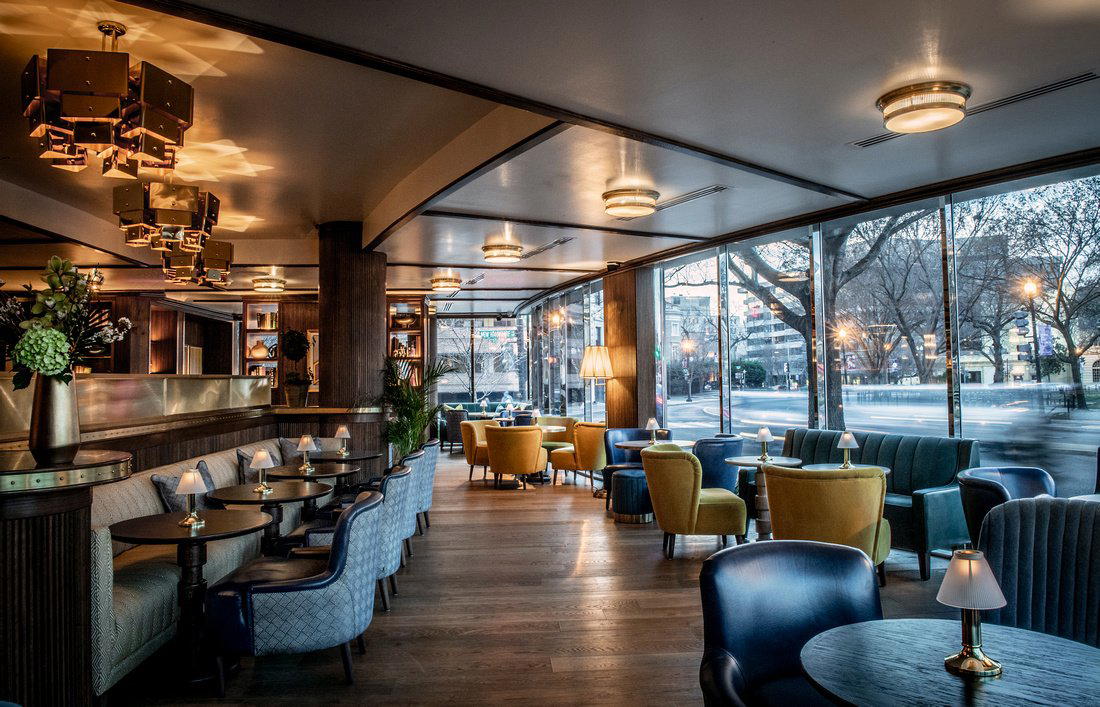
Dupont Circle's Drinking Culture and Where Doyle Fits
Washington's bar scene has split into recognizable tiers over the past decade. At one end sit the technically ambitious hotel programs, places like Silver Lyan and Allegory, where menus read as research documents and the room is as considered as the liquid in the glass. At the other end, neighborhood bars in residential corridors have held their ground by doing something the destination programs cannot: becoming genuinely local. Doyle, at 1500 New Hampshire Ave NW, belongs to that second category. The address sits at the northern edge of Dupont Circle, a neighborhood that has sustained serious bar culture longer than most parts of the city, partly because of its residential density and partly because the foot traffic here is pedestrian and purposeful rather than tourist-driven.
Dupont Circle's drinking history is not accidental. The neighborhood's walkability, its mix of embassies, row houses, and apartment buildings, and its proximity to the K Street corridor have made it a natural gathering point for Washington's working and professional population for decades. A bar that reads this environment correctly earns regulars quickly. One that miscalibrates toward spectacle gets ignored by the people who live within a ten-minute walk.
The Room at 1500 New Hampshire
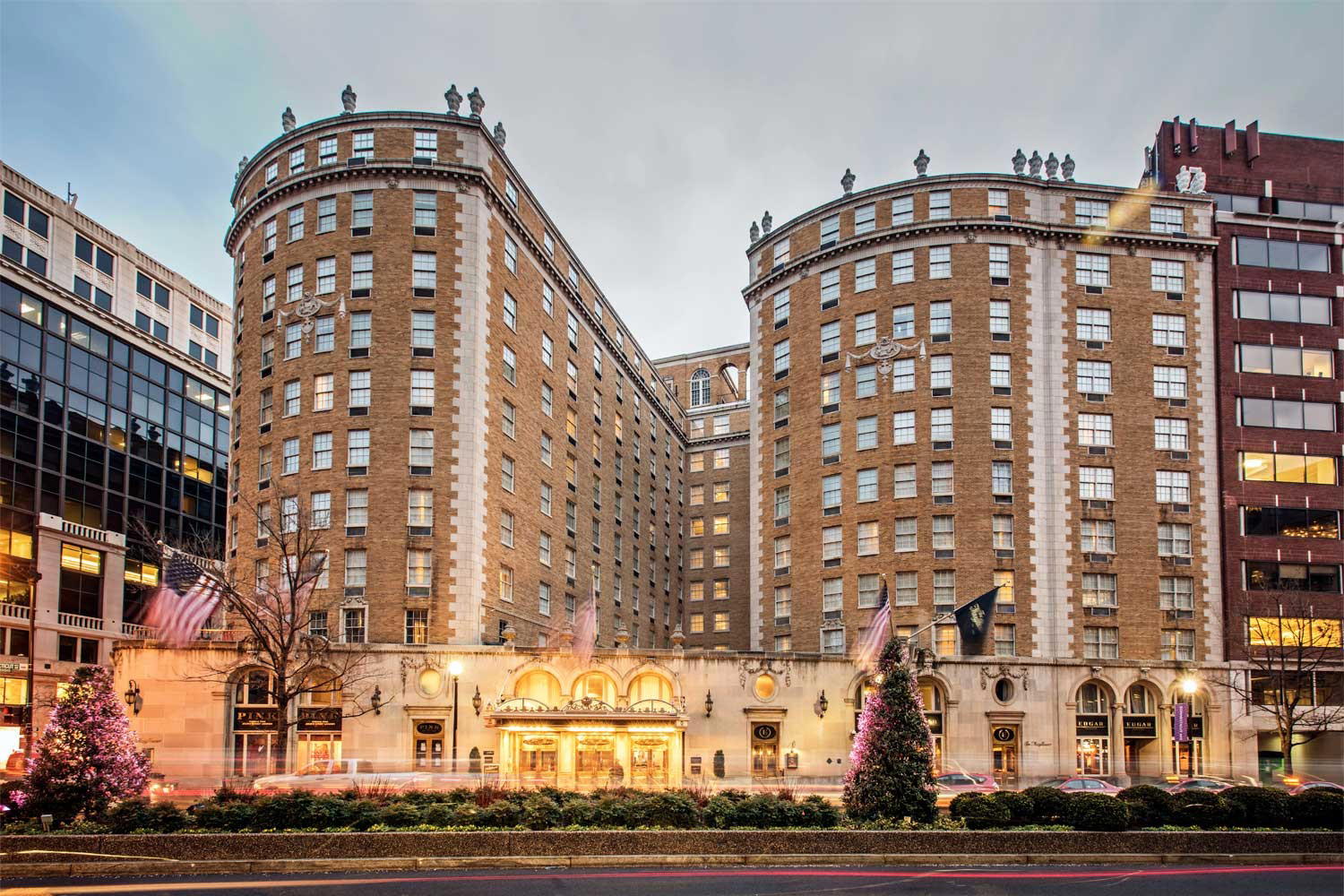
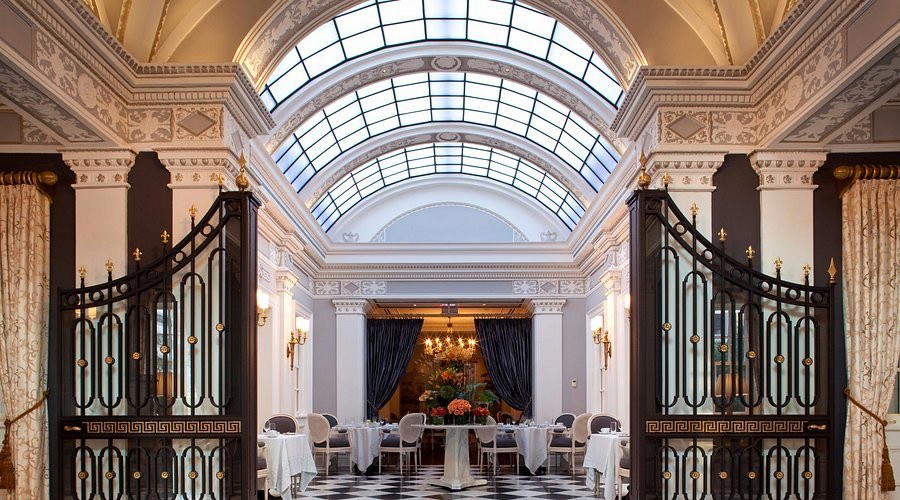
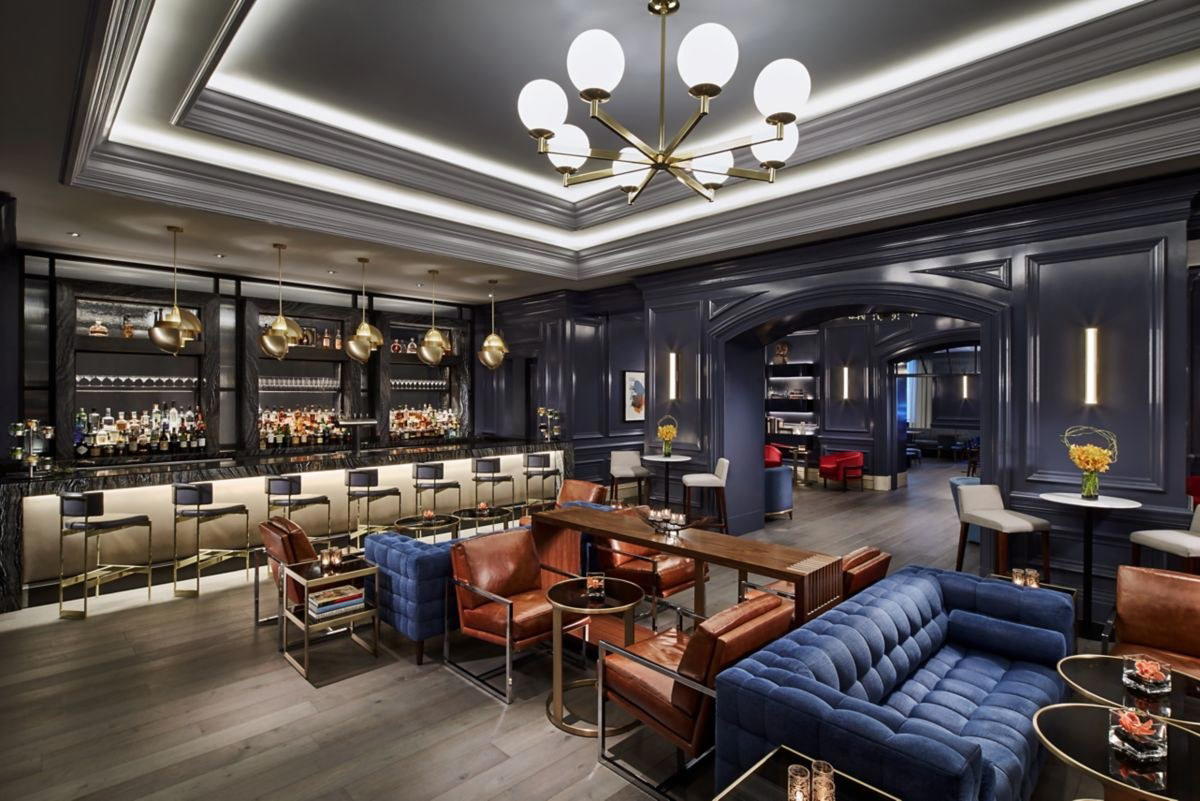
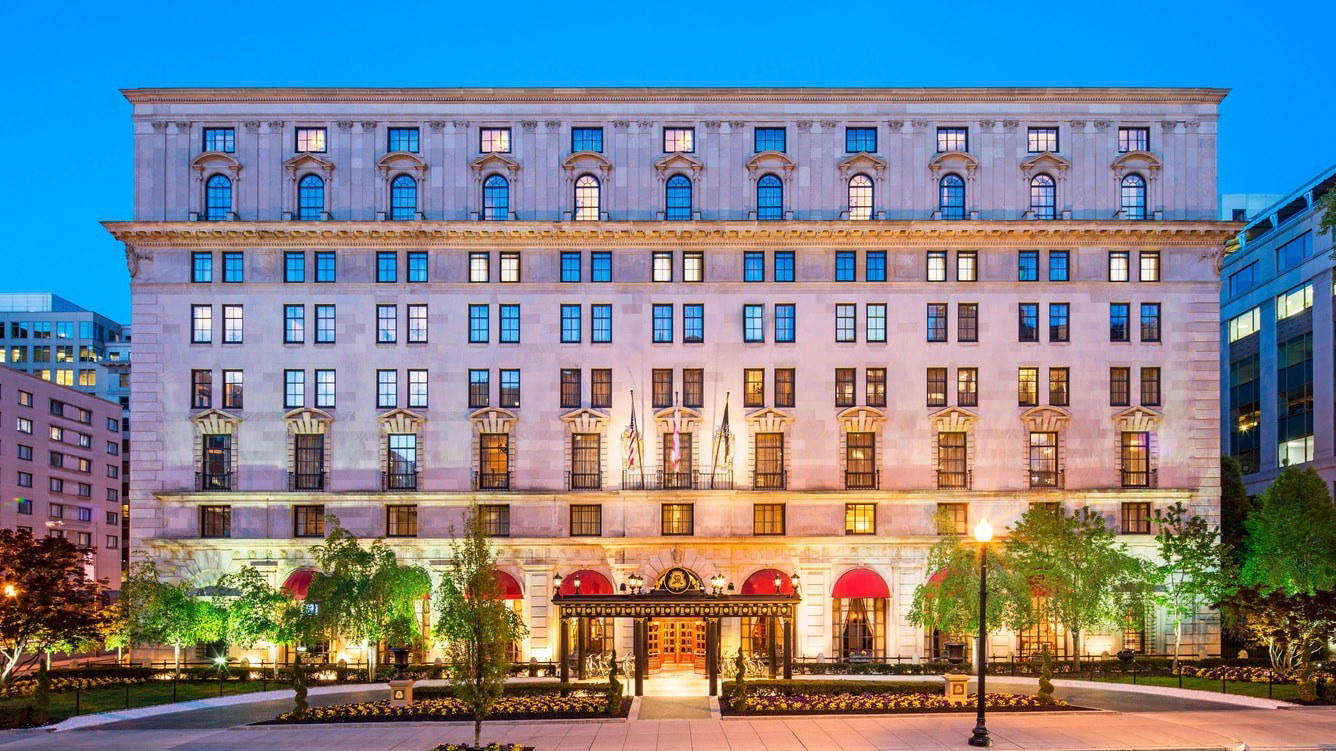
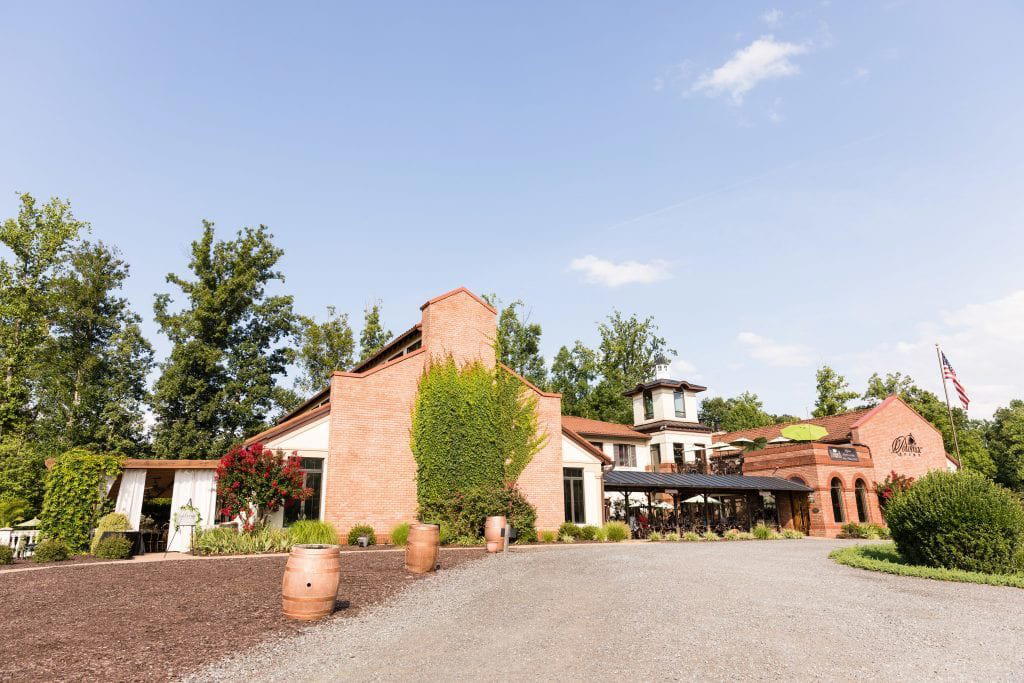
Approaching from New Hampshire Avenue, the address presents itself without theatrical preamble. There is no hidden-door affectation, no velvet rope, none of the entry-ritual architecture that destination bars use to signal exclusivity. The physical environment operates on a register closer to invitation than performance, which is exactly what the neighborhood-bar format demands. Inside, the proportions and material choices matter less as set design and more as infrastructure for conversation: places to sit, good enough light, and enough acoustic space to hear the person across from you.
This is a different spatial logic than what governs 12 Stories, where elevation and view are part of the offer, or Service Bar, where the counter itself functions as a stage for technique. At Doyle, the room is the condition, not the product. That distinction matters for how you use it and what you expect from a visit.
The Neighborhood Watering Hole as a Category
American bar culture has always had an uneasy relationship with the neighborhood watering hole as a serious category. The cocktail revival of the early 2000s drew critical attention toward precision and innovation, and that attention shaped what counted as a credible bar program for a long time. But the bars that accumulated genuine community standing over the same period were often the ones that resisted the pressure to perform. They built regulars by being consistently good rather than intermittently dazzling, and by understanding that most people visit a bar more than once. Across American cities, this pattern has produced some of the most durable drinking establishments: ABV in San Francisco operates on a similar logic of consistent quality over theatrical programming, and Jewel of the South in New Orleans has built its standing on craft and community role rather than novelty alone.
The neighborhood watering hole also functions differently across American cities. In Houston, a bar like Julep has used its community role to platform a specific regional identity. In Chicago, Kumiko operates as a neighborhood anchor while maintaining a technical program serious enough to register in national conversations. In New York, Superbueno has carved out a community position through distinct cultural programming rather than cocktail-menu ambition alone. What these examples share is a refusal to let community standing and program quality operate as separate concerns. Doyle's position on New Hampshire Avenue places it in that same broader argument about what a neighborhood bar can be.
Internationally, the same tension appears in different forms. The Parlour in Frankfurt on the Main has navigated between destination ambition and local anchoring in a city not typically associated with serious bar culture. Bar Leather Apron in Honolulu built its standing in a market where the default expectation leans toward resort programming, by committing to a more considered neighborhood-facing format instead.
What Dupont Circle Demands from a Bar
The population that uses Dupont Circle bars is not homogenous. Embassy staff, Hill workers who live rather than work in the neighborhood, longtime residents, and graduate students from the nearby institutions all intersect here. A bar that reads this cross-section correctly tends to develop a stable regular base rather than cycling through different cohorts by season. The commercial stretch along New Hampshire Avenue has historically supported this kind of durability better than the higher-profile corridors closer to 14th Street NW, where bars face more competitive pressure and more visitor traffic.
That stability has a practical dimension. Bars in residential corridors tend to have more predictable midweek traffic than destination venues, which means the economics favor consistency over spectacle. The pressure is to be good enough that your regulars come back on a Tuesday rather than to be spectacular enough that a first-time visitor travels across town on a Saturday. These are genuinely different design briefs, and they produce different kinds of rooms, programs, and hospitality cultures.
Planning a Visit
The address at 1500 New Hampshire Ave NW is accessible from the Dupont Circle Metro station on the Red Line, making it a direct stop for visitors staying in adjacent neighborhoods or coming from Capitol Hill. Because Doyle operates in the neighborhood-bar register rather than as a destination program, walk-in access tends to be more reliable than at the reservation-led hotel bars that dominate the upper tier of D.C.'s cocktail scene. Evenings mid-week are typically when the regular crowd defines the room's character most clearly. For a fuller orientation to Washington's bar and restaurant options, the EP Club Washington, D.C. guide maps the scene across price points and categories.
Continue exploring
More in Washington DC
Bars in Washington DC
Browse all →
Restaurants in Washington DC
Browse all →
Hotels in Washington DC
Browse all →
At a Glance
- Elegant
- Sophisticated
- Cozy
- Trendy
- Date Night
- After Work
- Late Night
- Panoramic View
- Lounge Seating
- Outdoor Terrace
- Booth Seating
- Classic Cocktails
- Craft Cocktails
- Whiskey
- Street Scene
- Skyline
Current opening hours
- Monday
- 2 PM–12 AM
- Tuesday
- 4 PM–12 AM
- Wednesday
- 2 PM–12 AM
- Thursday
- 2 PM–12 AM
- Friday
- 2 PM–1 AM
- Saturday
- 1 PM–1 AM
- Sunday
- 1 PM–12 AM
Hours can change for holidays and private events. Last verified .
Warm glow with mid-century glamour, cozy fireplace, and sophisticated lounge atmosphere.
Know Before You Go
- Getting there
- 1500 New Hampshire Ave NW, Washington, DC 20036