Sushi Yoshi
Our verdict
Sushi Yoshi operates on Church Street in Vienna, Virginia, placing Japanese counter dining within a suburban Washington D.C. corridor that has quietly accumulated a serious restaurant scene. The menu architecture and format position it within a broader American interest in omakase-style Japanese dining outside major urban centers. Contact and booking details are not publicly listed in standard directories.

Pearl is the En Primeur Club membership app, where members save venues, book tables and use the concierge.
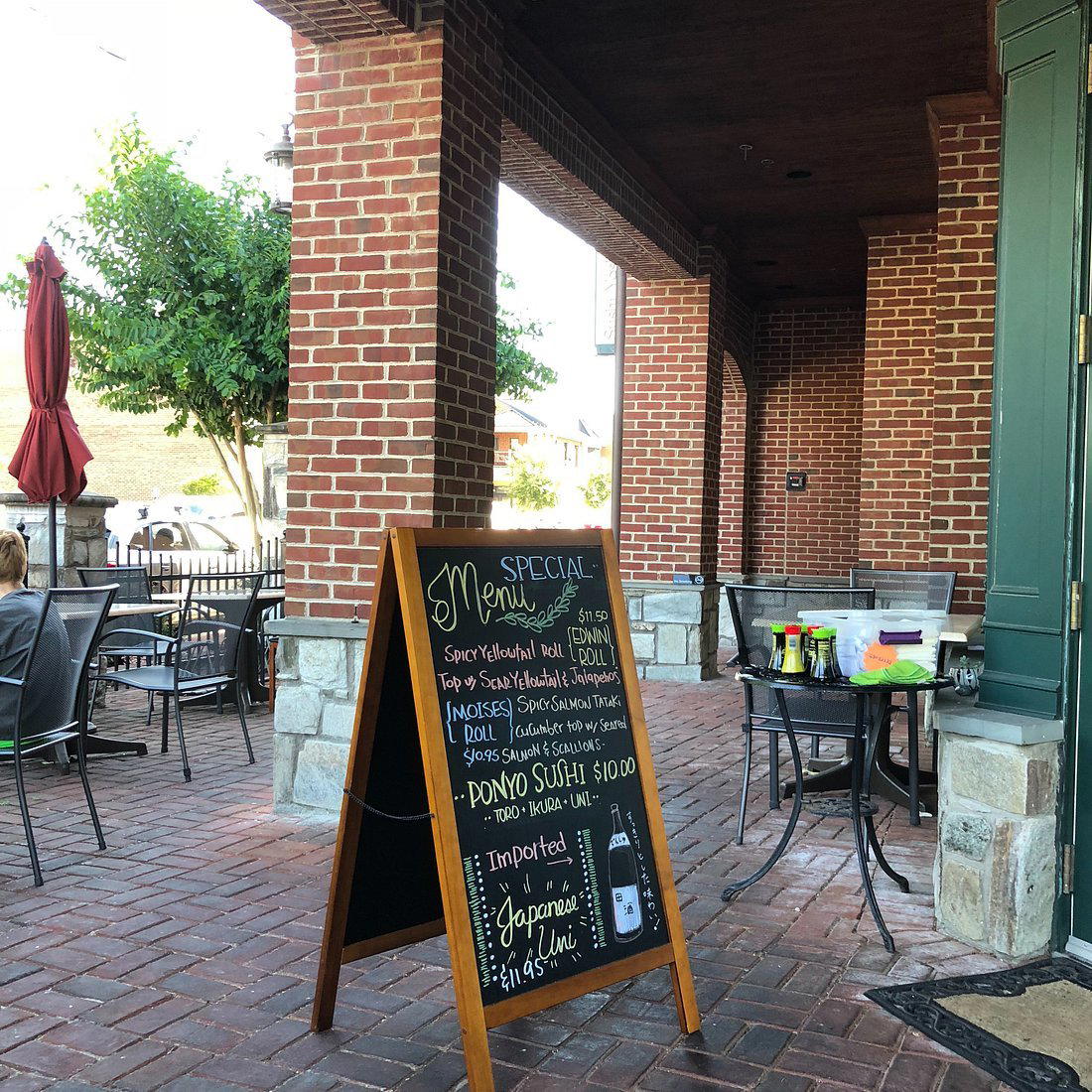
Japanese Counter Dining in the D.C. Suburbs
The Washington D.C. metropolitan area has developed one of the more coherent Japanese dining scenes on the East Coast, spreading from Capitol Hill outward through Virginia suburbs like Falls Church, Tysons, and Vienna. That diffusion is not accidental: the region's large Japanese-American professional population and proximity to government and diplomatic communities have long supported specialty food businesses that would struggle to find footing in smaller markets. Sushi Yoshi, at 101 Church Street NW in Vienna, Virginia, sits within that suburban corridor, where Japanese restaurants have quietly built loyal followings without the visibility of their urban counterparts. For context on how Vienna fits into the broader D.C. dining ecosystem, our full Vienna restaurants guide covers the full range of options in the city.
Where the Menu Begins: Structure as Intent
In American Japanese dining, the gap between a sushi bar and an omakase counter is not merely price, it is a difference in how the kitchen communicates with the guest. A conventional sushi menu offers optionality; an omakase menu offers sequence, pacing, and a chef's argument about what should be eaten and in what order. The most instructive signal about any Japanese restaurant's ambition is not its décor or its social media presence but how its menu is organized. Does it offer a la carte rolls alongside nigiri? Does it separate cooked dishes from raw? Does it offer a set progression, or does it leave ordering entirely to the guest?
Those structural decisions reveal whether a restaurant is primarily a hospitality business serving broad preference or a culinary statement committing to a point of view. American sushi culture has moved in both directions simultaneously over the past decade: mass-market options have proliferated through fast-casual concepts, while the upper tier has concentrated around small-counter omakase formats that command prices competitive with European fine dining destinations like Steirereck im Stadtpark or Konstantin Filippou.
The Suburban Sushi Argument
There is a reasonable editorial case for suburban Japanese restaurants in the United States. The most frequently cited critique of suburban dining, that it lacks the ingredient access or the competitive pressure of urban markets, applies less to Japanese cuisine than to almost any other tradition. The discipline of nigiri is portable: what matters is sourcing discipline, temperature control, and knife technique, none of which require a Manhattan zip code. Some of the more serious Japanese counters in the United States operate in markets that would surprise a coastal food critic. The Washington D.C. metro area has historically supported this pattern, with acclaimed Japanese restaurants operating in Bethesda, Arlington, and Fairfax alongside the Capitol Hill corridor.
Comparable dynamics exist in other American cities. In New York, the Japanese counter scene has matured to the point where reputation travels entirely by word of mouth, as it does at Atomix, which built its recognition on format discipline rather than location advantage. In California, the sourcing-led philosophy visible at Single Thread Farm in Healdsburg and the French technique integration at The French Laundry demonstrate how serious dining has spread beyond traditional urban centers. The same logic applies to suburban Virginia, where a Japanese restaurant on a main street in Vienna operates in a market with the purchasing power and international experience to support genuine quality.
Reading the Church Street Address
Vienna's Church Street NW is a walkable retail and restaurant strip that functions as the town's informal main street. It draws from a residential catchment with high disposable income and disproportionate international travel experience, the kind of community that can sustain a restaurant making demands of its guests in terms of price, pacing, or menu commitment. That demographic context matters when reading any restaurant's menu architecture: a restaurant in this location can credibly pitch a fixed or limited menu in a way that a similar restaurant in a lower-traffic suburban market could not.
What the address does not provide is the density and competitive pressure that tends to sharpen urban Japanese restaurants into their most precise form. The counters that have achieved recognition in American fine dining, at Le Bernardin in New York City, the Japanese-influenced tasting menu formats at Alinea in Chicago, or the hyper-local sourcing programs at Blue Hill at Stone Barns, operate within ecosystems of critical attention and peer competition that push standards continuously. Suburban restaurants operate differently: they build through repeat guests, local reputation, and word-of-mouth in a way that rewards consistency over provocation.
Planning Your Visit
Guests considering a visit should contact the restaurant directly for current availability and menu format information. The table below places the restaurant within its general peer context based on available public data about the Vienna, Virginia dining tier.
| Venue | Location | Price Tier | Format | Booking Lead Time |
|---|---|---|---|---|
| Sushi Yoshi | Vienna, VA | Not publicly listed | ||
| The Inn at Little Washington | Washington, VA | €€€€ | Tasting menu | Weeks to months ahead |
| Addison | San Diego, CA | €€€€ | Tasting menu | Weeks ahead |
| Lazy Bear | San Francisco, CA | €€€€ | Communal tasting menu | Weeks ahead |
Frequently asked questions
Where is Sushi Yoshi located?
Sushi Yoshi is located at î101 Church St NW, Vienna, VA 22180, Vienna.
How does Sushi Yoshi's Vienna location compare to Japanese restaurants closer to central Washington D.C.?
Sushi Yoshi sits in Vienna, VA, roughly 15 miles west of downtown D.C. via the Orange Line, which puts it squarely in the suburban tier of the metro's Japanese dining scene rather than competing directly with the higher-profile Dupont or Georgetown counters. The trade-off suburban Japanese restaurants consistently offer is easier parking, more relaxed pacing, and a clientele drawn from the surrounding Fairfax County residential base. Whether that format suits you depends on what kind of evening you're after.
What do regulars order at Sushi Yoshi?
No verified dish documentation is available for Sushi Yoshi at 101 Church St NW in Vienna, VA. At Japanese restaurants in this format across the D.C. metro area, regulars tend to anchor their visits around the chef's selection rather than ordering à la carte, the kitchen's judgment on what arrived that day typically drives the meal. Contacting the restaurant directly will give you the clearest picture of what the current menu emphasizes.
Do they take walk-ins at Sushi Yoshi?
Japanese restaurants at the serious end of the D.C. metro market, particularly those with counter seating, often require reservations, sometimes weeks in advance. Calling or checking directly before visiting is the practical approach.
What's the defining dish or idea at Sushi Yoshi?
What the Church St NW address in Vienna does signal is a restaurant positioned to serve a residential, repeat-visit customer base rather than tourist traffic, which at similar suburban Japanese counters across Northern Virginia typically means the kitchen builds around consistency and regulars' trust rather than seasonal spectacle. The actual defining idea would need to come from the restaurant directly.
Can Sushi Yoshi handle vegetarian requests?
Japanese restaurants built around fish and seafood progressions have limited structural flexibility for vegetarian substitutions, though à la carte formats tend to offer more options than fixed-menu counters. It is worth contacting the restaurant at 101 Church St NW before booking if vegetarian requirements are a factor.
Cost and Credentials
Comparable venues nearby, for context on price, style, and recognition.
| Venue | Cuisine | Price | Notes |
|---|---|---|---|
| Sushi YoshiThis venue (the venue you are viewing) | Traditional Japanese Sushi | $20–30 | Not listed |
| Sweet Ginger | Japanese/Asian Fusion with Sushi | $20–30 | Vienna, Japanese/Asian Fusion with Sushi |
| The Pure Pasty Co. | British Pasty Shop | $10–20 | Vienna, British Pasty Shop |
| Bombay Tandoor | Indian Tandoor Fine Dining | $20–30 | Tysons Corner, Indian Tandoor Fine Dining |
| Natta Thai | Authentic Thai | $20–30 | Glyndon Plaza, Authentic Thai |
| Alborz Restaurant | Authentic Persian Cuisine | $30–50 | Vienna, Authentic Persian Cuisine |
Continue exploring
More in Vienna
Restaurants in Vienna
All restaurants in Vienna →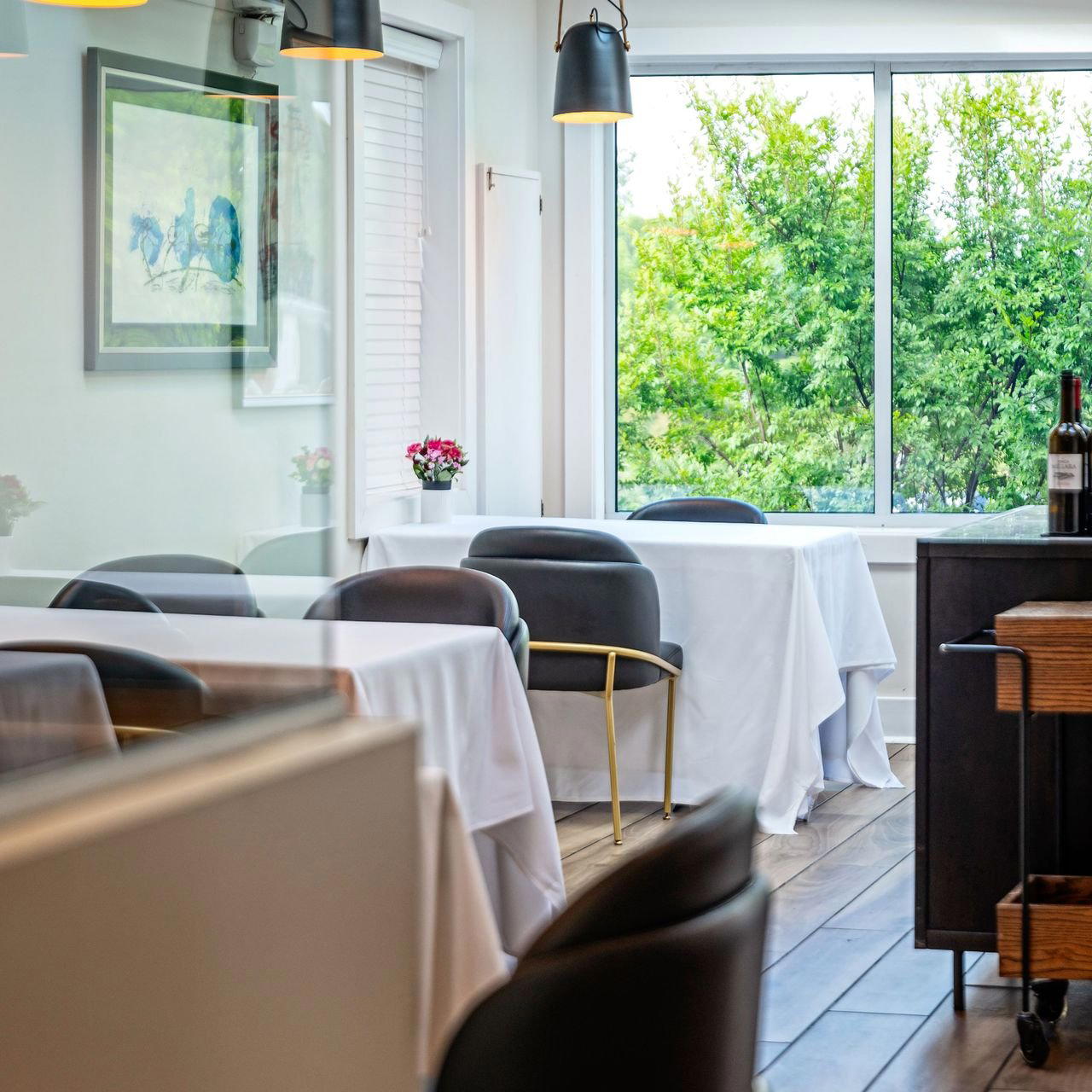
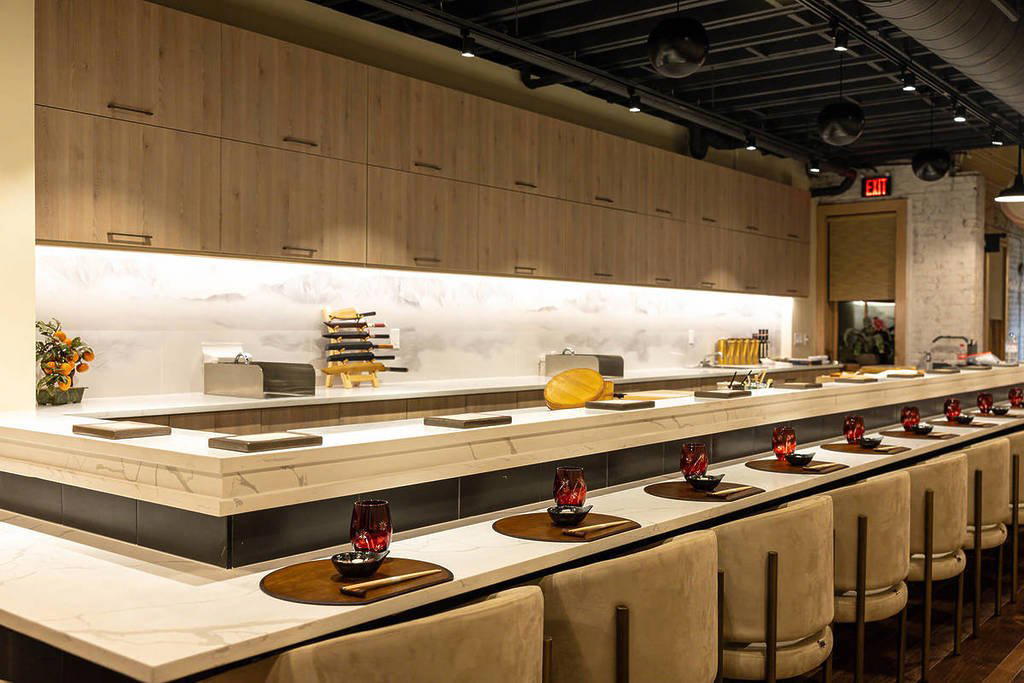
Bars in Vienna
Browse all →
Details
- Cozy
- Lunch
- Dinner
- Open Kitchen
- Sake Program
- A La Carte
- Vegetarian Friendly
- Gluten Free Options
Current opening hours
- Monday
- 11:30 AM–2 PM, 5–9 PM
- Tuesday
- 11:30 AM–2 PM, 5–9 PM
- Wednesday
- 11:30 AM–2 PM, 5–9 PM
- Thursday
- 11:30 AM–2 PM, 5–9 PM
- Friday
- 11:30 AM–2 PM, 5–9:30 PM
- Saturday
- 11:30 AM–2 PM, 5–9:30 PM
- Sunday
- 11:30 AM–2 PM, 5–9 PM
Hours can change for holidays and private events. Hours as of .
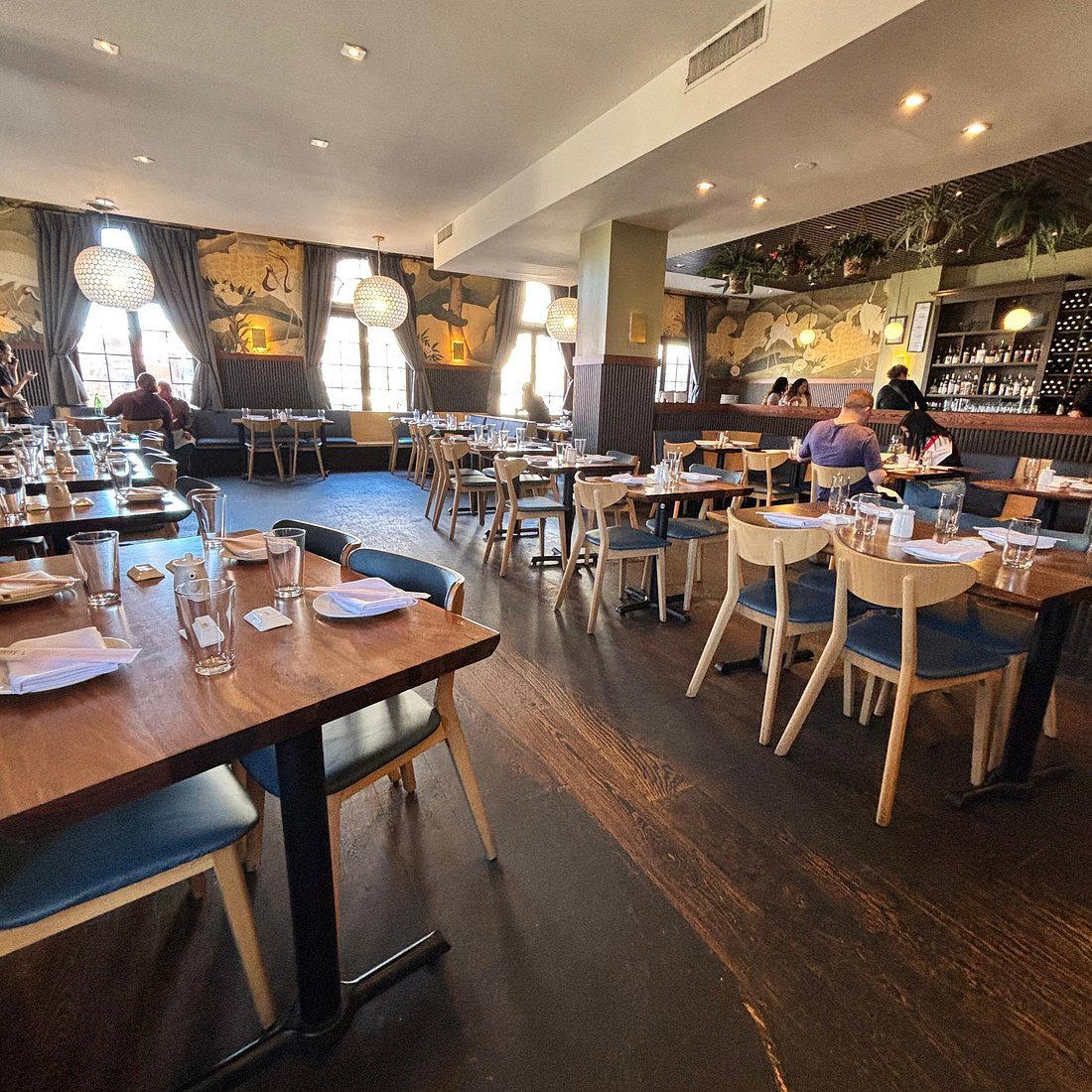
Cozy and welcoming with a casual atmosphere, featuring a sushi bar and outdoor seating area.