Ramen in Bergamo is a rare proposition, and Senoku makes the case on Via Giuseppe Verdi in the lower city. The format here follows the discipline of Japanese noodle-house ritual: focused menu, deliberate pacing, and broth as the primary measure of craft. For a city whose dining identity leans firmly toward polenta and casoncelli, it occupies an interesting counter-position.
Pearl is the En Primeur Club membership app — saves, bookings, and concierge access live there. Same editors, same standards.
- Address
- Via Giuseppe Verdi, 3, 24121 Bergamo BG, Italy
- Phone
- +393931660966
- Website
- instagram.com
- Directions
- Get directions
 Saves & bookings on Pearl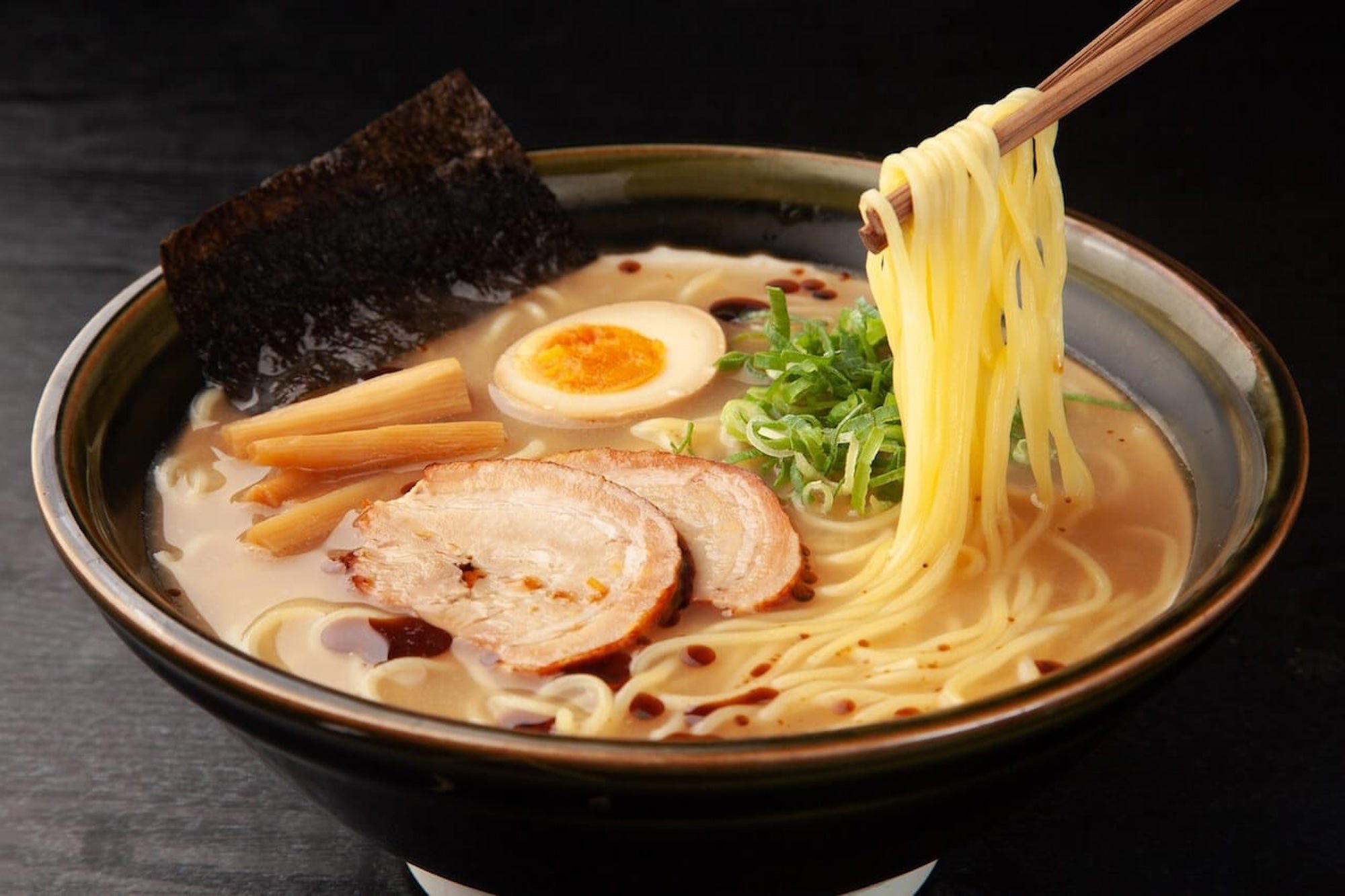
Ramen as Ritual: What Senoku Brings to Bergamo's Table
Via Giuseppe Verdi runs through Bergamo Bassa, the lower city, a district whose dining character is built around trattorias, aperitivo bars, and the kind of northern Lombard kitchen that has barely changed in decades. Into this context, Senoku ramen introduces a format that operates by entirely different rules. The Japanese ramen counter, at its most considered, is a study in patience: broth simmered for hours, noodles pulled to order, a sequence of small decisions about seasoning and topping that add up to something more deliberate than its price point usually suggests. That discipline, when practised seriously, translates across cultures. The question Senoku poses for Bergamo is whether the ritual survives the translation.
The Logic of the Ramen Counter in a Lombard City
To understand why a ramen shop on Via Giuseppe Verdi reads as an editorial moment rather than just a curiosity, it helps to map Bergamo's dining tier structure. The city's higher-end restaurants, places like Villa Elena and Impronte, operate at €€€€, with tasting menus and the formal pacing of Italian fine dining. A tier below, Al Carroponte and Baretto di San Vigilio occupy the €€ bracket, where Bergamo's civic eating culture feels most itself. Ramen sits structurally in that same accessible price register across most European cities, but the ritual it demands from the diner is quite different from an Italian trattoria lunch. You do not linger over courses. You do not order a bottle of wine for the table. You arrive, you wait if necessary, you eat with focus, and you leave. That compression of the meal into a single bowl is the tradition Senoku is working within, and it is worth taking seriously on its own terms.
How the Meal Is Meant to Move
The editorial angle that matters most at a ramen counter is pacing and etiquette, because ramen is among the few food forms where the eating itself is time-sensitive. The broth's temperature, the noodle's texture, the way fat emulsifies across the surface as the bowl cools: these things change within minutes. In Japan, slurping is not incidental; it aerates the noodles and cools them enough to eat quickly without losing heat from the broth. That immediacy is built into the format. European ramen shops that understand this resist the instinct to slow the meal down or to pile on optional extras that complicate the bowl's internal logic. The discipline is in reduction, not addition. At its leading, a ramen menu answers few questions but answers them with precision: what style of broth, what noodle gauge, what protein, what finishing tare. The diners who get full value from a counter like Senoku are those who treat the bowl as the complete statement it is designed to be, rather than a backdrop for a long evening.
Bergamo's broader dining scene rewards slowness, the long Sunday lunch at Casa Ernesto di Ernesto Valenti, the multi-course progression at Lio Pellegrini. Ramen counters work against that rhythm, which is partly what makes Senoku an interesting data point in how the city's food culture is shifting. Northern Italian cities have been slower than Milan to absorb Japanese noodle culture at any serious level, and Bergamo, with its medieval Città Alta drawing a different kind of visitor than Milan's design-week crowd, is not an obvious candidate for a ramen destination. That it exists here, on a residential street in the lower city, says something about the appetite for format diversity among Bergamo's younger eating public.
Placing Senoku in the Wider Italian Ramen Moment
Italy's relationship with ramen is genuinely recent. The wave of serious Japanese noodle houses that reshaped London and Paris in the 2010s arrived later in Italian cities, partly because Italian carbohydrate culture is so deeply codified that pasta and risotto left little psychological room for a foreign noodle tradition. Milan moved first, as it tends to, and secondary cities followed. Bergamo, 45 minutes from Milan by train, absorbs some of that influence at a lag. The reference points for serious ramen practice in Italy now include a small number of urban counters that import Japanese techniques with varying degrees of fidelity: tonkotsu broths built over 12 to 18 hours, shoyu tare prepared separately and added at the bowl, house-made noodles calibrated for bounce rather than softness.
For readers who want to triangulate Senoku against Italian fine dining at a national level, the reference set is entirely different: Osteria Francescana in Modena, Enoteca Pinchiorri in Florence, or Dal Pescatore in Runate occupy a completely separate category of investment and formality. A ramen counter is not competing with that tier; it is competing with the question of whether a focused, single-dish format can command genuine respect in a country where the meal-as-ritual usually means something far more elaborate. The parallel in New York would be asking how a serious ramen shop competes for attention alongside Le Bernardin or Atomix: the answer is that it does not, but it occupies a different and legitimate place in a serious eater's weekly rotation.
Planning Your Visit
Senoku ramen is located at Via Giuseppe Verdi, 3, in Bergamo Bassa, the flat, navigable lower city rather than the hilltop Città Alta. The address puts it within walking distance of the lower city's main commercial streets and accessible from Bergamo's railway station. Senoku ramen is open Monday, Wednesday through Sunday, with Tuesday closed, and it is walk-in friendly. The listed price per person is about $20. Because the bowl is the entire meal, arrival when the kitchen is freshest, typically early in a service, produces one consistent result.
Frequently Asked Questions
What should I eat at Senoku ramen?
At any ramen counter, the bowl that leading represents the kitchen's technical ambition is the one built around the house broth, whether tonkotsu, shoyu, shio, or miso. Order the simplest version on the menu first: extras and toppings are easier to add on a return visit than they are to subtract if they complicate the base. The safest approach is to ask the staff which broth style they source most carefully, and to treat that recommendation as the editorial core of the menu. Ramen at its most considered does not require a large selection; three or four options built around one strong broth is a better signal of kitchen discipline than a long list.
Should I book Senoku ramen in advance?
Ramen counters in smaller Italian cities rarely operate formal reservation systems; the walk-in queue is part of the format's identity. If Bergamo's appetite for Japanese dining has grown at pace with the broader Italian trend, weekend evenings at a well-regarded counter can fill quickly. Until verified booking information is available, the practical approach is to go early in the service or on a weekday. For comparison, the city's higher-ticket restaurants such as Villa Elena and Impronte require advance reservations weeks out; Senoku is walk-in friendly.
Is Senoku ramen a good option if I am visiting Bergamo's Città Alta?
Senoku's address on Via Giuseppe Verdi places it in Bergamo Bassa, the lower city, rather than up in the medieval hilltop district. Visitors spending the afternoon in the Città Alta and descending by funicular will find the lower city walkable and easy to cover on foot. The ramen counter format suits a solo traveller or a small group looking for a focused, time-efficient meal between sightseeing, which makes Senoku a practical complement to a day built around the upper city's architecture and panoramas rather than a destination meal in its own right.
Cuisine Lens
Comparable venues nearby, for context on price, style, and recognition.
| Venue | Cuisine | Price | Awards | Notes |
|---|---|---|---|---|
| Senoku ramenThis venue — the venue you are viewing | Authentic Japanese Ramen | $$ | Not listed | Not listed |
| Casa Ernesto di Ernesto Valenti | Traditional Northern Italian Trattoria | $$ | Not listed | Bergamo Bassa (Lower Bergamo) |
| Taverna del Colleoni | Traditional Italian Trattoria | $$ | Not listed | Bergamo Alta |
| One Love Restaurant | Modern Italian Seafood | $$$ | Not listed | Colognola |
| Da Mimmo | Traditional Italian Pizza & Pasta | $$ | Not listed | Bergamo Alta |
| Lio Pellegrini | Modern Mediterranean Fine Dining | $$$ | Michelin Plate | Centro Storico (near Accademia Carrara) |
Continue exploring
More in Bergamo
Restaurants in Bergamo
Browse all →
Bars in Bergamo
Browse all →
Hotels in Bergamo
Browse all →
At a Glance
- Trendy
- Cozy
- Casual Hangout
- Date Night
- Open Kitchen
- Beer Program
Current opening hours
- Monday
- 12–3 PM, 6:30–11 PM
- Tuesday
- Closed
- Wednesday
- 12–3 PM, 6:30–11 PM
- Thursday
- 12–3 PM, 6:30–11 PM
- Friday
- 12–3 PM, 6:30–11 PM
- Saturday
- 12–3 PM, 6:30–11 PM
- Sunday
- 12–3 PM, 6:30–11 PM
Hours can change for holidays and private events. Last verified .
Lively and immersive with anime-themed decor creating a trendy, cozy atmosphere.