Da Mimmo occupies a historic address on Via Bartolomeo Colleoni in Bergamo's upper city, placing it within one of Lombardy's most architecturally preserved medieval districts. The restaurant draws on the deep-rooted trattoria traditions of the Bergamasque table, where restraint in technique and fidelity to local ingredient cycles have long defined what serious dining looks like at this altitude. For visitors mapping the city's restaurant scene, it sits in the classic-leaning tier alongside neighbours shaped by the same culinary geography.
Pearl is the En Primeur Club membership app — saves, bookings, and concierge access live there. Same editors, same standards.
- Address
- Via Bartolomeo Colleoni, 17, 24129 Bergamo BG, Italy
- Phone
- +393935218535
- Website
- damimmoelina.com
- Directions
- Get directions
 Saves & bookings on Pearl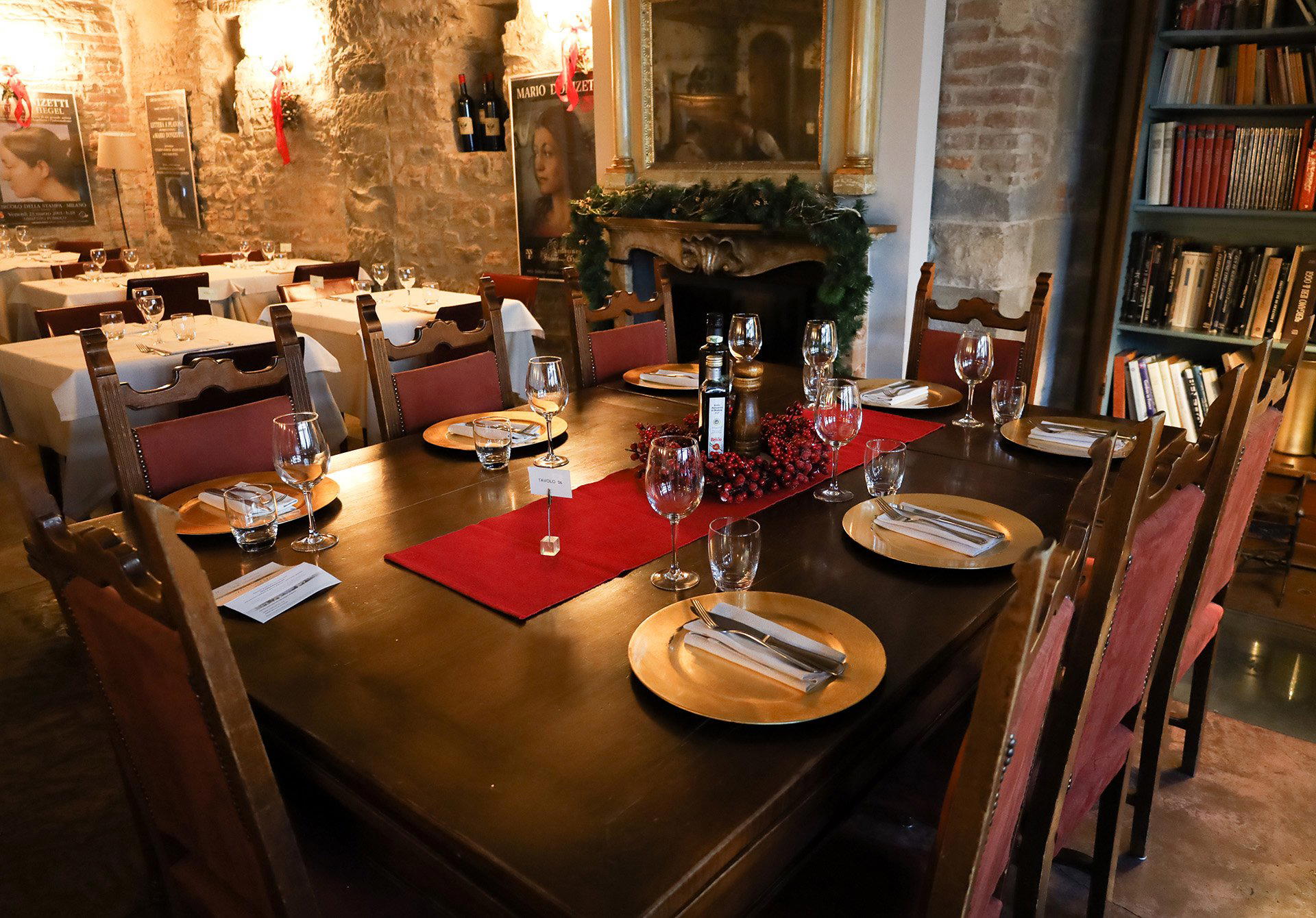
A Street That Sets the Standard
Via Bartolomeo Colleoni runs through the heart of Bergamo Alta, the walled upper city that sits above the Lombard plain on a limestone ridge. The street itself is a compressed archive of civic ambition: Venetian-era palazzi, a Baroque basilica, and arcaded fronts that have housed merchants, clerics, and restaurateurs across five centuries. Eating on this street is not a neutral act. Every dining room on the Colleoni carries the weight of a setting that most Italian cities would build a heritage trail around. Da Mimmo, at number 17, operates inside that inherited gravity.
Bergamo Alta functions differently from the lower city, Bergamo Bassa, which has been reshaped by rail connections to Milan and the commercial logic that follows. The upper city remains administratively unified with Bassa but culturally distinct: slower, more local in its rhythms, and home to a restaurant scene that has historically prized continuity over reinvention. For context, compare this orientation with the approach taken at Villa Elena or Impronte. The classic-cuisine address on the Colleoni serves a different purpose entirely.
The Bergamasque Table: What the Local Tradition Actually Means
Bergamo sits at the junction of Alpine foothills and Po Valley agriculture, and its food culture reflects both geographies without fully belonging to either. The city's culinary identity was shaped by altitude, poverty, and proximity to dairy pastures rather than by the court kitchens that defined Milanese or Mantuan cooking. The result is a tradition built on polenta, cured meats from the Valle Seriana, aged cheeses from the Taleggio valley (the cheese that carries this province's name into every European deli), and freshwater fish from the lakes to the north. These are not incidental ingredients. They are the structural logic of the Bergamasque kitchen.
In that context, the significance of a classic-address restaurant on the Colleoni is that it anchors the visitor to this specific culinary geography rather than pointing outward toward the pan-Italian or modernist repertoire that defines dining at places like Al Carroponte or the starred kitchens that have shaped northern Italian dining internationally, from Osteria Francescana in Modena to Piazza Duomo in Alba. The local-tradition tier in Bergamo is, in one sense, doing the harder editorial work: it is preserving the record of a cuisine that does not naturally generate international press coverage.
Casoncelli, the local stuffed pasta filled with a mixture that varies by household and district, is the dish that most consistently separates the Bergamasque table from the broader Lombard repertoire. It appears in different guises across the province and functions as a diagnostic: a restaurant that handles it correctly signals its relationship to the tradition more reliably than any menu description can.
Where Da Mimmo Sits in the City's Dining Architecture
Bergamo's dining scene at the upper-city level divides into a small number of legible tiers. At the €€ end, restaurants like Baretto di San Vigilio serve the local and visitor trade with classic formats at accessible prices. The mid-range modern tier, represented by addresses like Casa Ernesto di Ernesto Valenti, applies more editorial technique to regional ingredients. Then there is the classic-address category, where location and tradition carry as much argumentative weight as any individual kitchen's ambition.
Da Mimmo operates in the third category. The address on the Colleoni places it in direct competition not with Bergamo's creative-tier restaurants but with the expectation of the street itself: a visitor who walks this route has already passed through the Porta San Giacomo, climbed to one of Italy's best-preserved medieval enclosures, and arrived with a particular set of expectations about what dining here should feel like. The restaurant's challenge, shared by every serious address on this corridor, is to meet that expectation without becoming a performance of it.
For comparison at the regional level, the gap between a classic-address trattoria in Bergamo Alta and the kind of destination dining that pulls visitors from across Europe, represented by addresses like Dal Pescatore in Runate or Uliassi in Senigallia, is considerable. That gap is not a deficit. It marks a different kind of purpose: to serve the cuisine of a specific place to the people who are actually in that place, without the apparatus of destination dining.
Planning Your Visit
The restaurant's address, Via Bartolomeo Colleoni 17, 24129 Bergamo, places it at the centre of the upper city's main pedestrian axis, reachable by the historic funicular from Bergamo Bassa (Piazza Mercato delle Scarpe station) or on foot through the Venetian gates. The upper city is compact enough that the walk from any gate to the Colleoni takes under fifteen minutes. Visitors arriving by train at Bergamo station should factor in the funicular or a taxi up the hill; the Colleoni itself is pedestrian-only, which makes arrival by car impractical beyond the gates. The restaurant is recommended for reservations and the current price is about $25 per person, so plan ahead for a direct visit.
For those building a broader Bergamo dining itinerary, the city's restaurant scene rewards a two-tier approach: one meal in the modern or creative register at an address like Impronte or Villa Elena, and one meal grounded in the classic Bergamasque tradition. For readers whose Italy itinerary extends further, northern Italy's fine-dining circuit connects through addresses like Enrico Bartolini in Milan, Le Calandre in Rubano, Reale in Castel di Sangro, and Atelier Moessmer Norbert Niederkofler in Brunico, each representing a distinct strand of Italian regional cuisine at a more formal register. Further afield, Quattro Passi in Marina del Cantone and Enoteca Pinchiorri in Florence cover the southern and Tuscan ends of that circuit. For readers travelling internationally, Le Bernardin in New York City and Lazy Bear in San Francisco represent the kind of technically precise, regionally committed cooking that shares a philosophical alignment with stronger examples from what the Italian classic-address category is trying to do, even if the idiom is entirely different.
Price and Recognition
Comparable venues nearby, for context on price, style, and recognition.
| Venue | Cuisine | Price | Awards | Notes |
|---|---|---|---|---|
| Da MimmoThis venue — the venue you are viewing | Not listed | $$ | Not listed | Not listed |
| One Love Restaurant | Colognola, Modern Italian Seafood | $$$ | Not listed | Not listed |
| Casa Ernesto di Ernesto Valenti | Not listed | $$ | Not listed | Bergamo Bassa (Lower Bergamo), Traditional Northern Italian Trattoria |
| Maistà Pizza & Cucina | Not listed | $$ | Not listed | Bergamo Centro, Authentic Neapolitan Pizza & Frittatine |
| Senoku ramen | Centro Storico, Authentic Japanese Ramen | $$ | Not listed | Not listed |
| Osteria Al GiGianca | Bergamo, Traditional Lombard Osteria | $$$ | Michelin Plate | Not listed |
Continue exploring
More in Bergamo
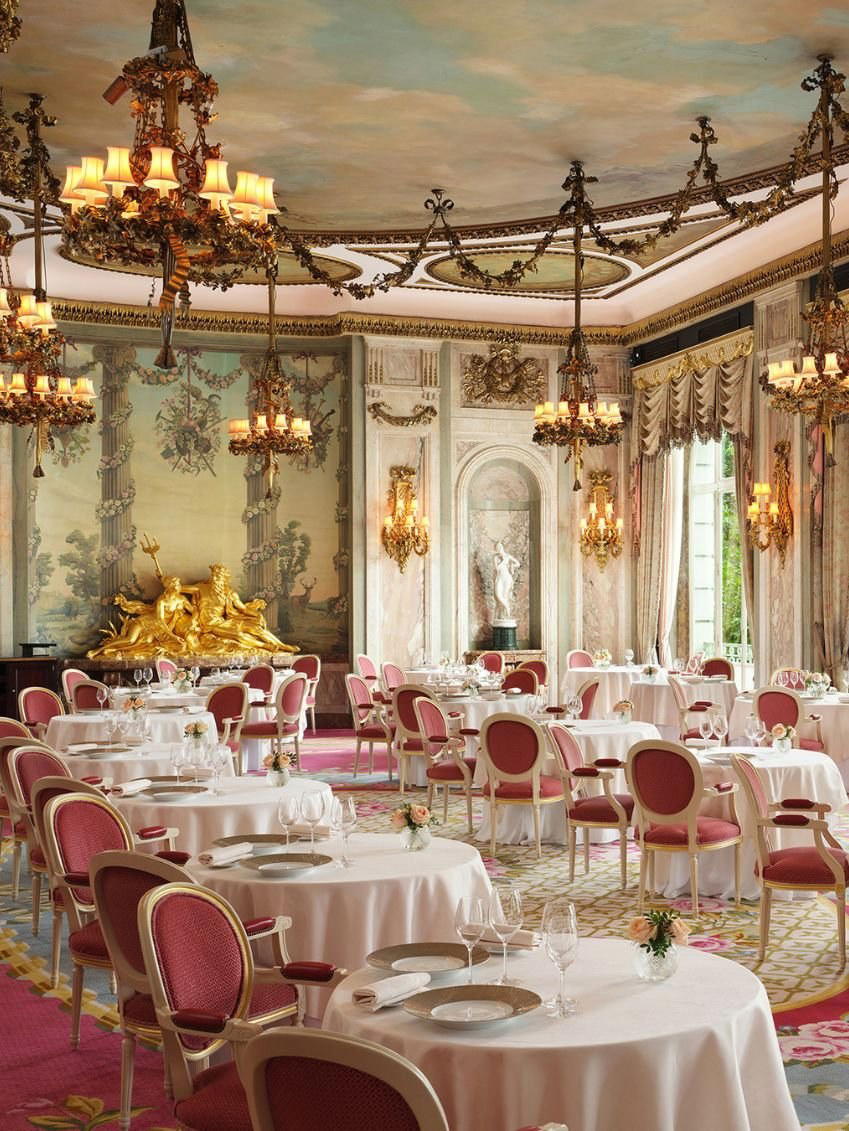
Restaurants in Bergamo
Browse all →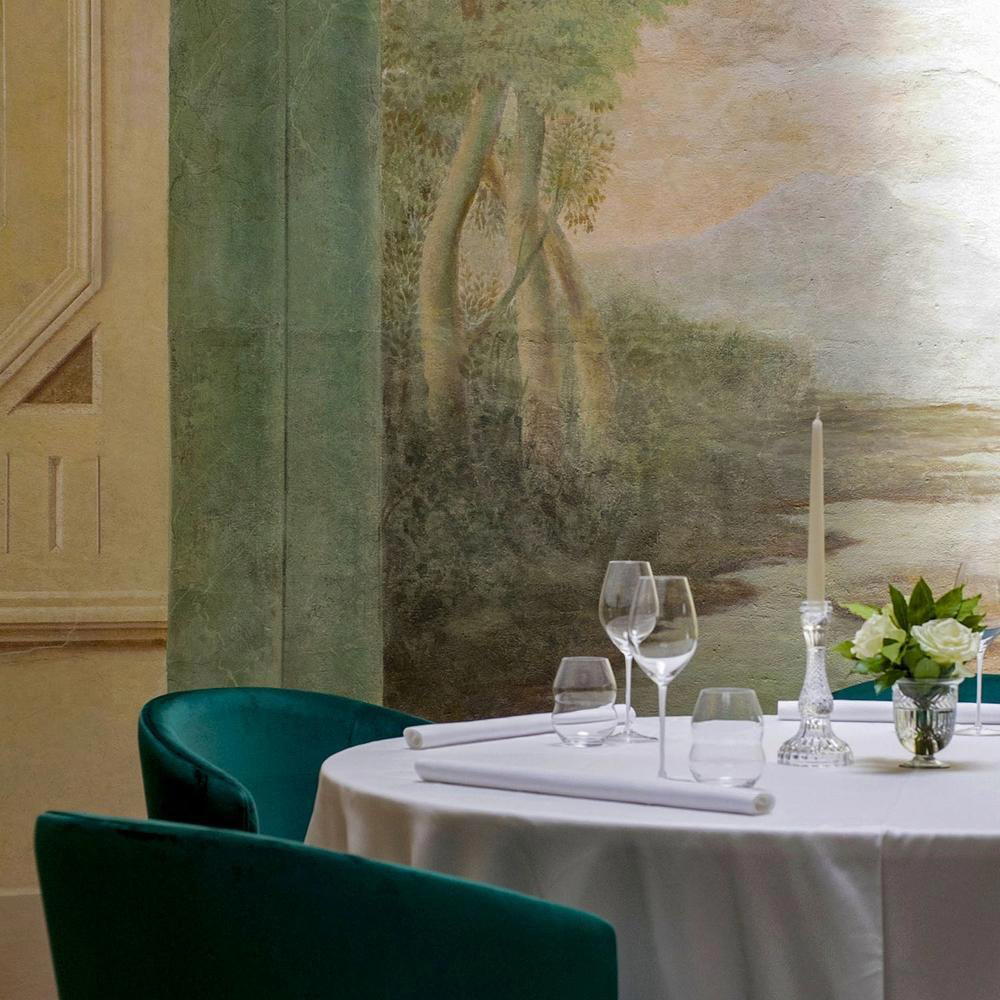
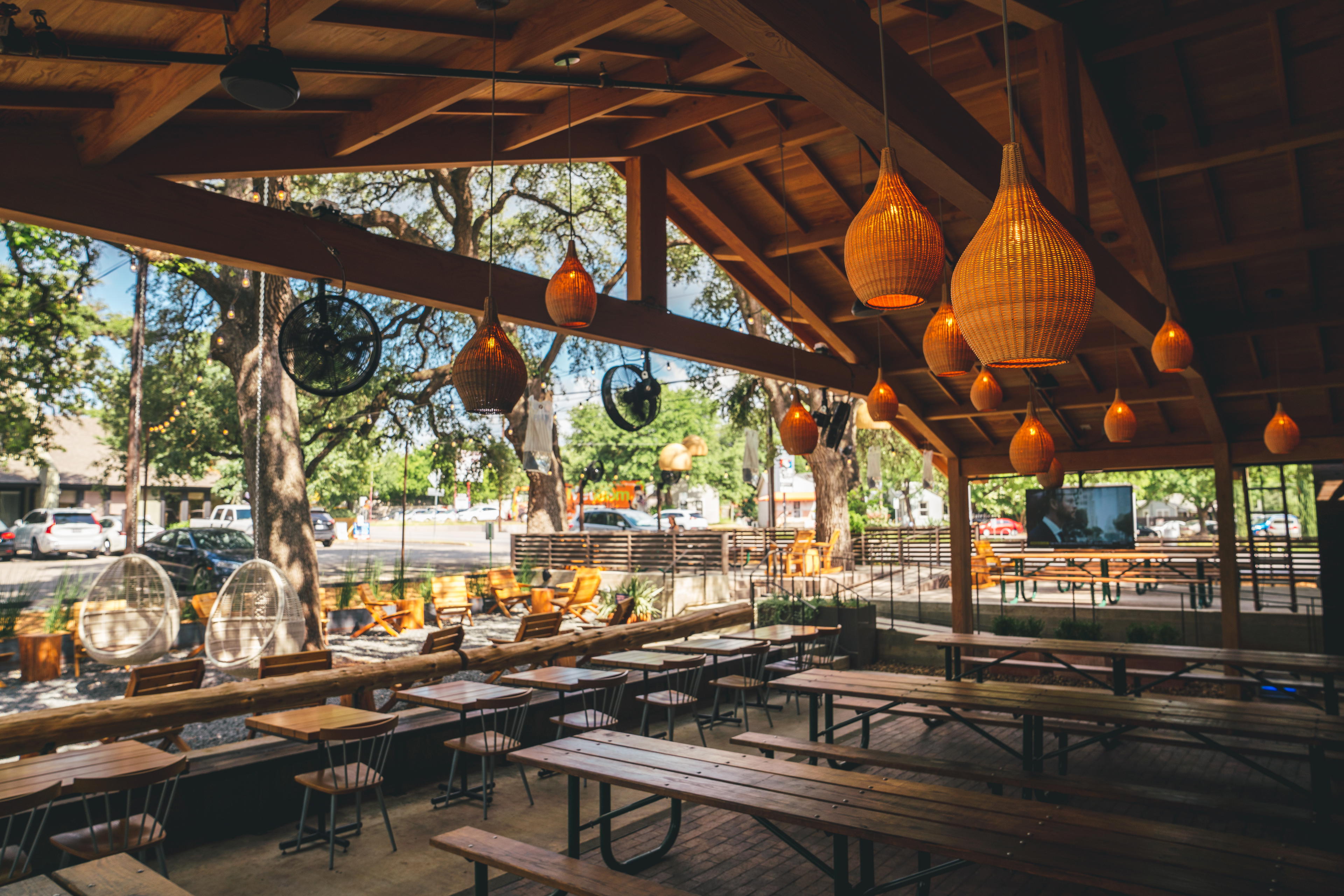
Bars in Bergamo
Browse all →
Hotels in Bergamo
Browse all →
At a Glance
- Classic
- Cozy
- Historic
- Family
- Casual Hangout
- Special Occasion
- Historic Building
- Local Sourcing
- Street Scene
Current opening hours
- Monday
- 12–2:30 PM, 6:30–11 PM
- Tuesday
- 6:30–11 PM
- Wednesday
- 12–2:30 PM, 6:30–11 PM
- Thursday
- 12–2:30 PM, 6:30–11 PM
- Friday
- 12–2:30 PM, 6:30–11 PM
- Saturday
- 12–2:45 PM, 6:30–11 PM
- Sunday
- 12–4 PM, 6:30–11 PM
Hours can change for holidays and private events. Last verified .
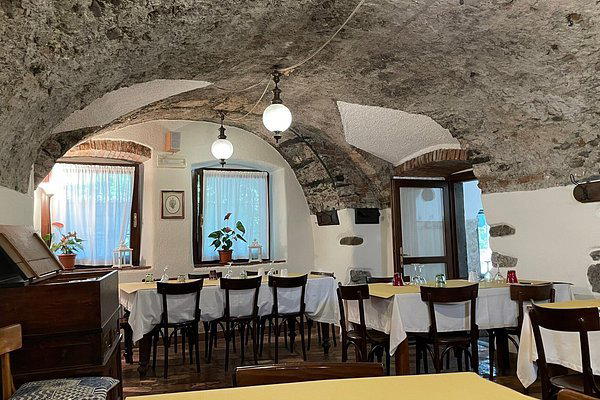
Warm, welcoming family atmosphere in a historic 14th-century setting with friendly staff making guests feel at home.