On Via S. Bernardino in Bergamo's lower city, Casa Ernesto di Ernesto Valenti draws on the ingredient traditions of Lombardy's Bergamasque valleys. The address places it within a neighbourhood where trattoria-format cooking remains the dominant register, and where sourcing from the surrounding mountain and lake territories sets the editorial tone for the table.
Pearl is the En Primeur Club membership app — saves, bookings, and concierge access live there. Same editors, same standards.
- Address
- Via S. Bernardino, 15, 24122 Bergamo BG, Italy
- Phone
- +393935234248
- Directions
- Get directions
 Saves & bookings on Pearl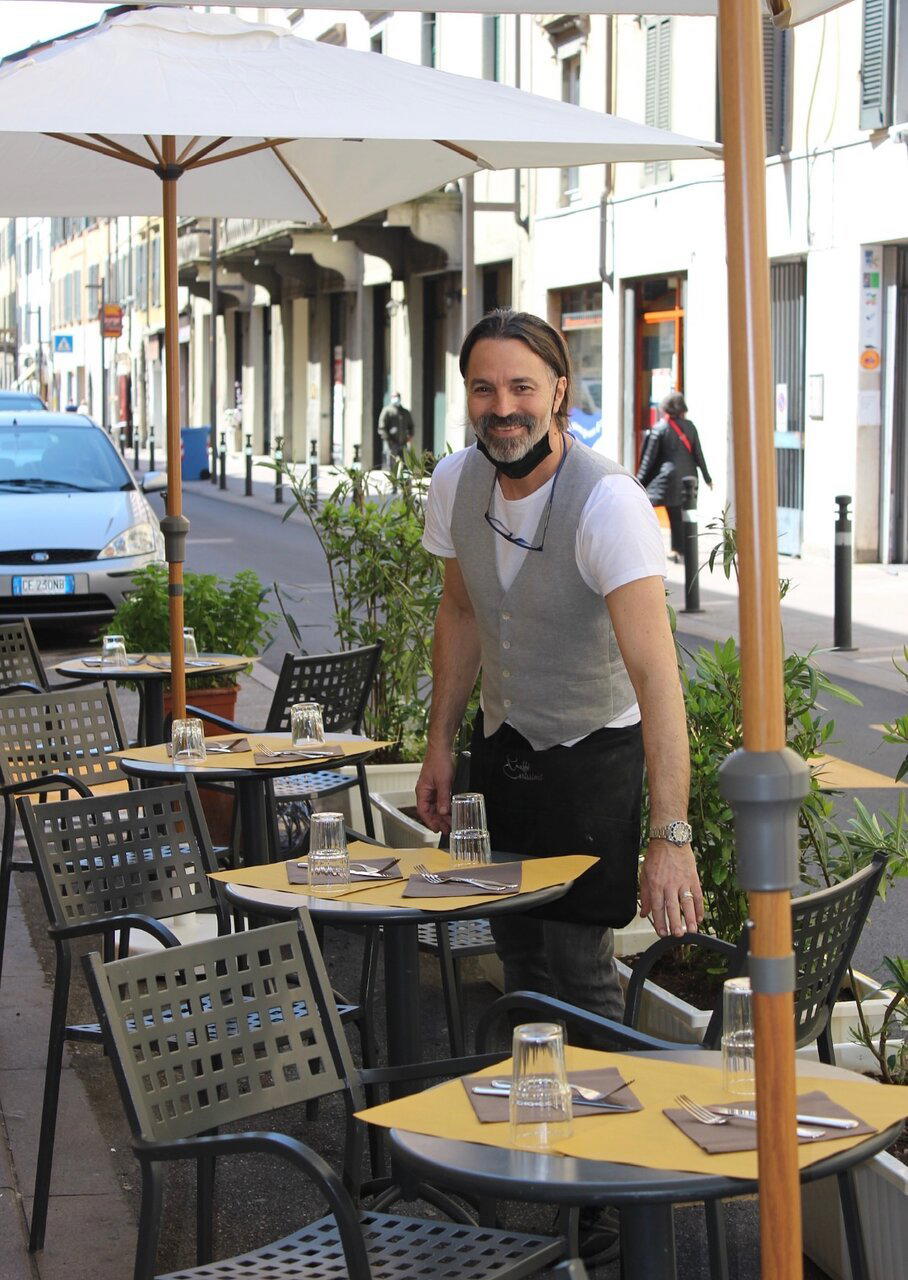
Via S. Bernardino and the Bergamasque Sourcing Tradition
Bergamo's lower city, the Città Bassa, operates at a different tempo from the tourist circuit that winds through the Città Alta's medieval gates. On Via S. Bernardino, the rhythm is residential and working: butchers alongside pharmacies, morning markets with produce from the Seriana and Brembana valleys, the kind of street where a trattoria earns its clientele one season at a time. Casa Ernesto di Ernesto Valenti is a traditional Northern Italian trattoria in Bergamo, Italy,010 reviews and an average spend of about $25 per person. It sits in this register, on an address where proximity to Bergamo's food supply chain is structural rather than aspirational.
Lombardy's Bergamasque territory is one of the more textured sourcing environments in northern Italy. The province reaches from the Po plain north into the pre-Alpine valleys, producing distinct ingredients at each altitude: flatland cereals and dairy on the lower ground, mountain-cured meats and aged cheeses on the higher slopes, freshwater fish from Lake Iseo and the Brembo river system. Kitchens that take this geography seriously work with a different larder than their Milanese counterparts, which tend to look outward to coastal markets or to imported product. The trattoria tradition in Bergamo has historically faced inward, and that orientation is what gives the city's neighbourhood restaurants their coherence.
What the Address Signals About the Format
The trattoria format in Italian cities carries specific codes: a fixed or limited-choice menu anchored to what the season and the local market offer, portions calibrated for a full meal rather than a tasting sequence, a wine list that skews regional. These codes differ from the tasting-menu model that defines higher-ticket Bergamo restaurants like Villa Elena or Impronte, both operating at the €€€€ tier with contemporary plating and sourcing narratives built into the service script. The trattoria does not narrate its sourcing; it assumes it.
Casa Ernesto di Ernesto Valenti occupies a different competitive set than those addresses, one closer in spirit to Baretto di San Vigilio at the classic end or Da Mimmo, where the conversation around food is less programmatic. In this tier, the kitchen's relationship to local product is demonstrated through the plate rather than communicated through a tasting note. That discipline, when it holds, produces particularly direct and satisfying food in any Italian city.
Bergamo's Ingredient Geography and Why It Matters
The specific character of Bergamasque cooking comes from a larder that has been shaped by altitude and isolation as much as by agricultural tradition. Casoncelli, the stuffed pasta particular to this province, historically absorbed whatever the household or the season made available: breadcrumbs, aged cheese, spiced meat, dried fruit. The result is a dish that reads as local fingerprint more than recipe, varying by valley and by kitchen. Polenta served with game birds or braised mountain meats reflects a different altitude logic than the rice-based dishes that dominate south of Milan.
The mountain dairy tradition produces cheeses like Formai de Mut, with DOP protection, and the aged Branzi that has been made in the Alta Val Brembana for centuries. These products have a commercial life that extends well beyond Bergamo's city limits, but their most coherent culinary context remains the province's own kitchens. A restaurant on Via S. Bernardino has direct access to this supply, both through the markets of the Città Bassa and through the producer networks that have supplied Bergamo's restaurants for generations. Elsewhere in Italy, comparable ingredient traditions support kitchens that have built significant reputations: Dal Pescatore in Runate draws on the Mantuan river plain with similar territorial fidelity, while Piazza Duomo in Alba has made Piedmontese sourcing the structuring principle of a three-Michelin-star kitchen.
Point is not that every neighbourhood trattoria operates at those restaurants' level of sourcing rigour, but that the Italian model permits and rewards that rigour across every price tier. In Bergamo, a city with enough culinary self-confidence to resist full absorption into the Milan orbit, that tradition remains live.
Placing Casa Ernesto Within Bergamo's Broader Restaurant Scene
Bergamo's restaurant scene spans a wider range than its size might suggest. At the higher end, Al Carroponte represents the modern cuisine tier, and the city draws visitors who treat it as a day-trip counterpart to the more Michelin-dense corridors of Lombardy and the surrounding regions. Italian fine dining has its own geography: Enrico Bartolini in Milan and Enoteca Pinchiorri in Florence anchor the north-central tier, while Osteria Francescana in Modena and Reale in Castel di Sangro define different coordinates on the same national map. Bergamo's neighbourhood restaurants exist several tiers below these addresses in format and price, but they are part of the same culinary system, drawing on the same Italian logic that connects territory to table.
For the reader planning time in Bergamo and wanting to understand the city's food culture at its most rooted level, the neighbourhood trattoria remains one direct route. The full range of what the city offers is mapped in our full Bergamo restaurants guide, which covers addresses from the Città Alta down through the lower city. For regional context that extends across northern Italy, Atelier Moessmer Norbert Niederkofler in Brunico and Uliassi in Senigallia illustrate how Italian kitchens at the highest tier handle ingredient geography with the same seriousness, if at a different scale and investment level. International comparisons in the sourcing-first mode extend further: Le Bernardin in New York City and Lazy Bear in San Francisco both anchor their programs in provenance, as does Quattro Passi in Marina del Cantone on the Amalfi coast. Le Calandre in Rubano offers another Veneto-adjacent data point on how northern Italian kitchens balance modernity with territorial loyalty.
Planning a Visit
Casa Ernesto di Ernesto Valenti is at Via S. Bernardino, 15, in the lower city, a five-minute walk from the funicular base station that connects the Città Bassa to the Città Alta. The address is navigable on foot from the central train station area, and the street itself is a working neighbourhood artery rather than a tourist corridor, which tells you something about the audience the kitchen primarily serves. Open Monday through Saturday for lunch and dinner, and closed on Sunday. Reservations are recommended.
In Context: Similar Options
Comparable venues nearby, for context on price, style, and recognition.
| Venue | Cuisine | Price | Awards | Notes |
|---|---|---|---|---|
| Casa Ernesto di Ernesto ValentiThis venue — the venue you are viewing | Traditional Northern Italian Trattoria | $$ | Not listed | Not listed |
| Taverna del Colleoni | Traditional Italian Trattoria | $$ | Not listed | Bergamo Alta |
| Maistà Pizza & Cucina | Authentic Neapolitan Pizza & Frittatine | $$ | Not listed | Bergamo Centro |
| Osteria Al GiGianca | Traditional Lombard Osteria | $$$ | Michelin Plate | Bergamo |
| Senoku ramen | Authentic Japanese Ramen | $$ | Not listed | Centro Storico |
| Baretto di San Vigilio | Modern Northern Italian | $$$ | Michelin Plate | San Vigilio |
Continue exploring
More in Bergamo
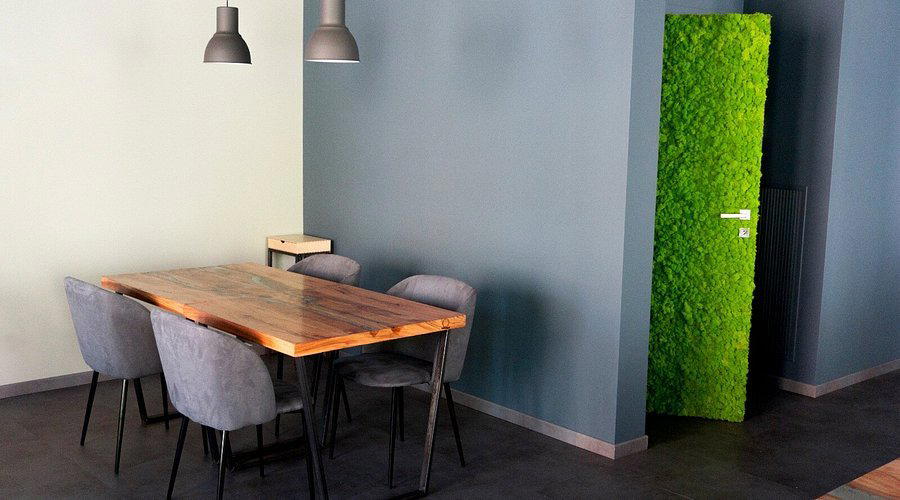
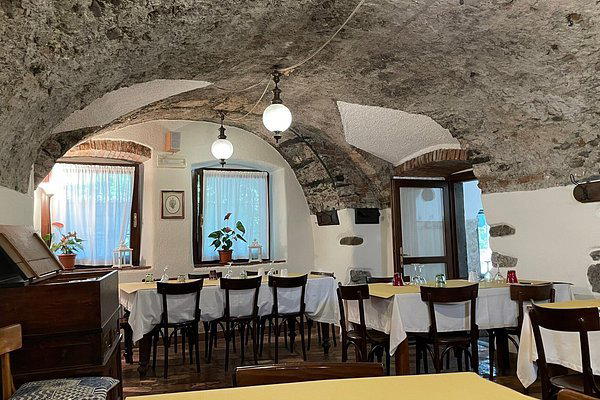
Restaurants in Bergamo
Browse all →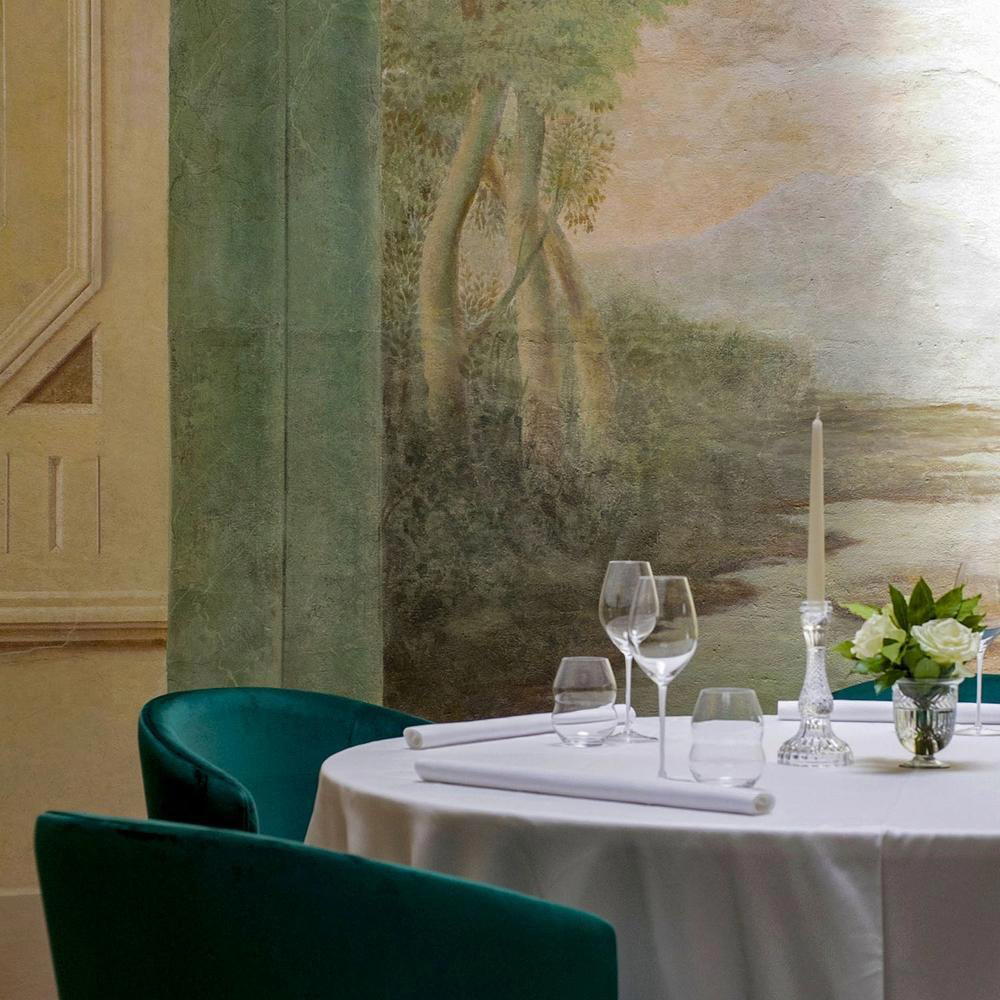
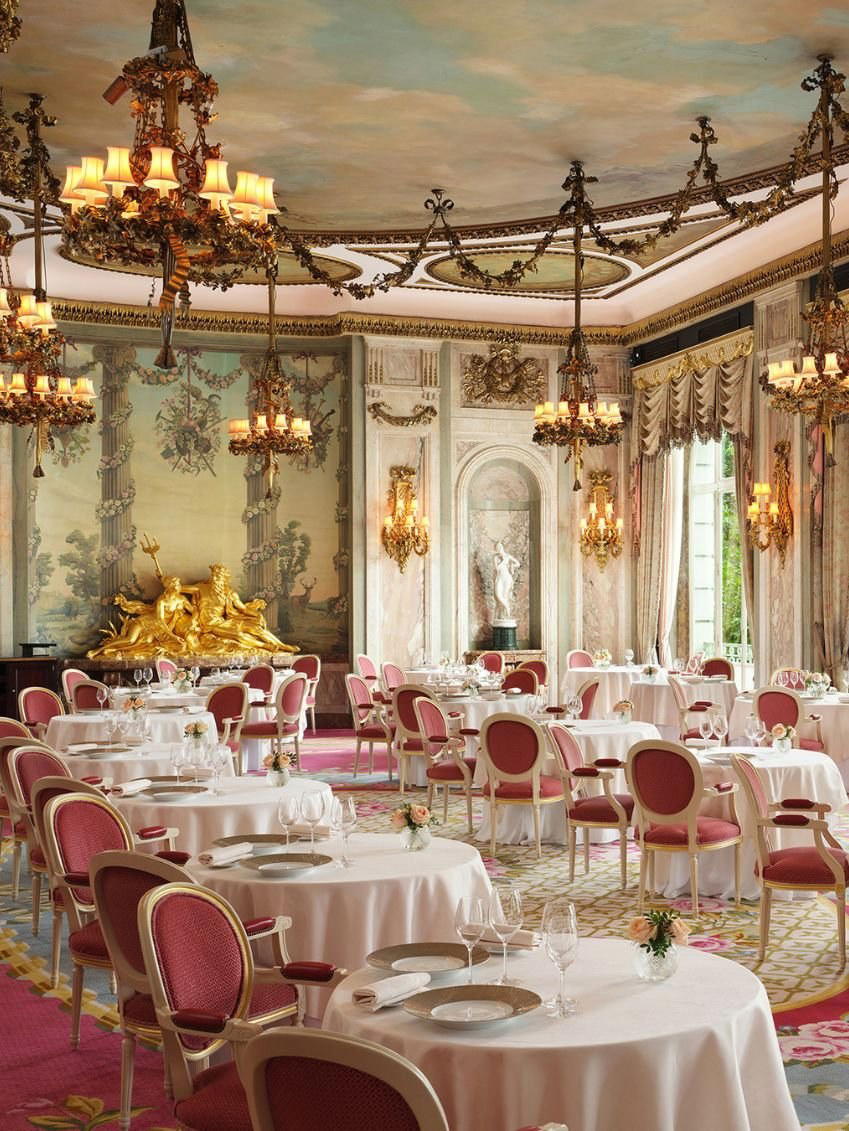
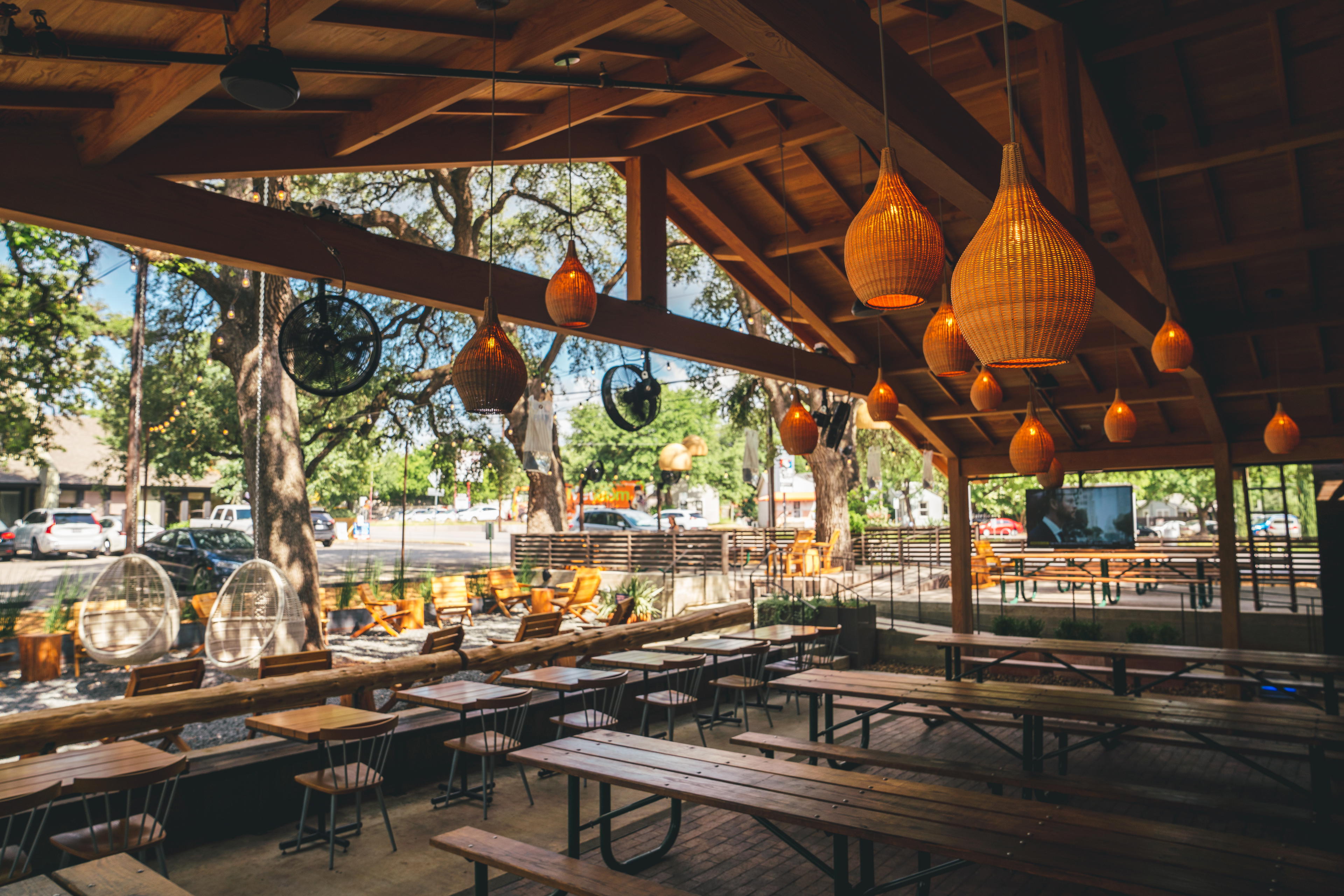
Bars in Bergamo
Browse all →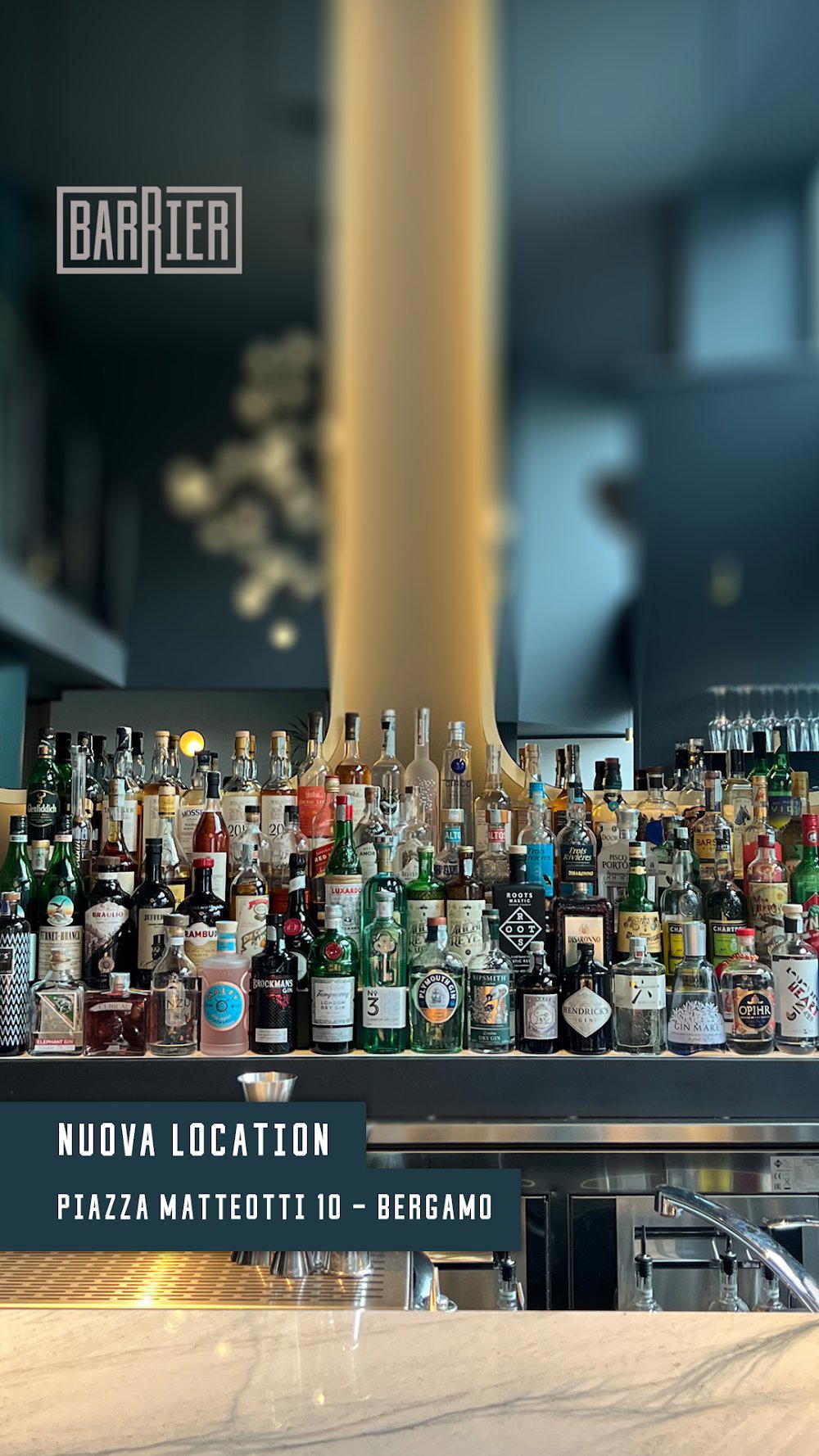
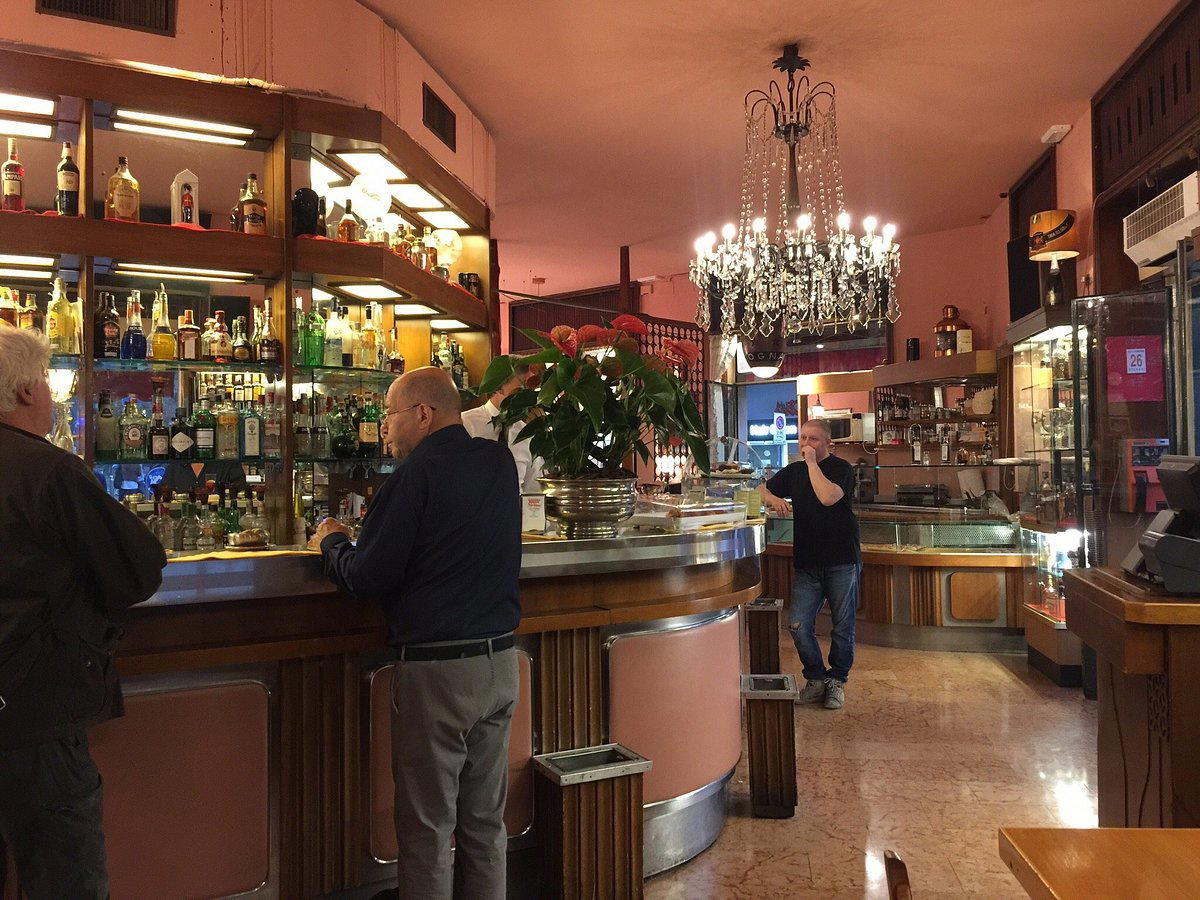
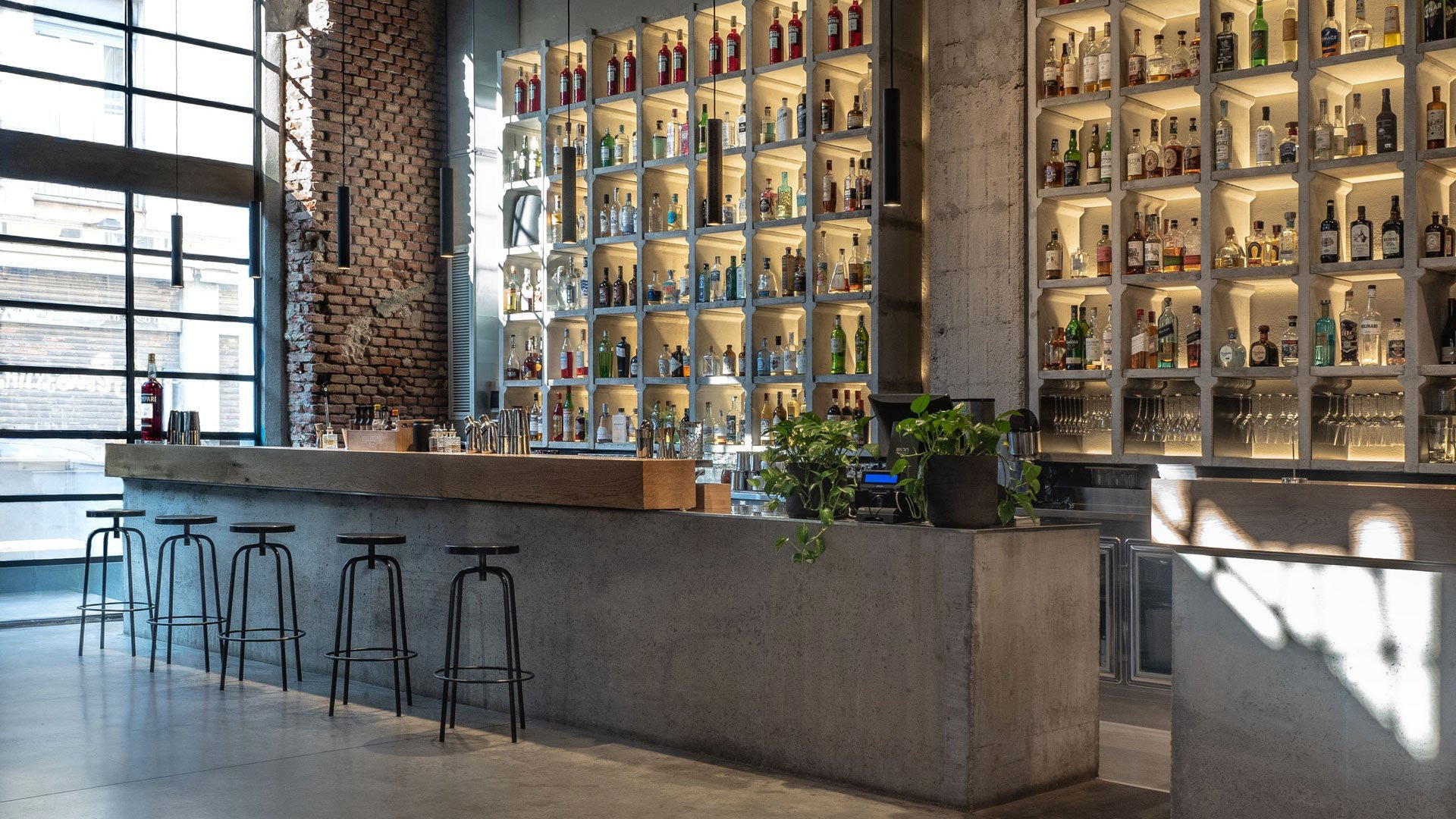
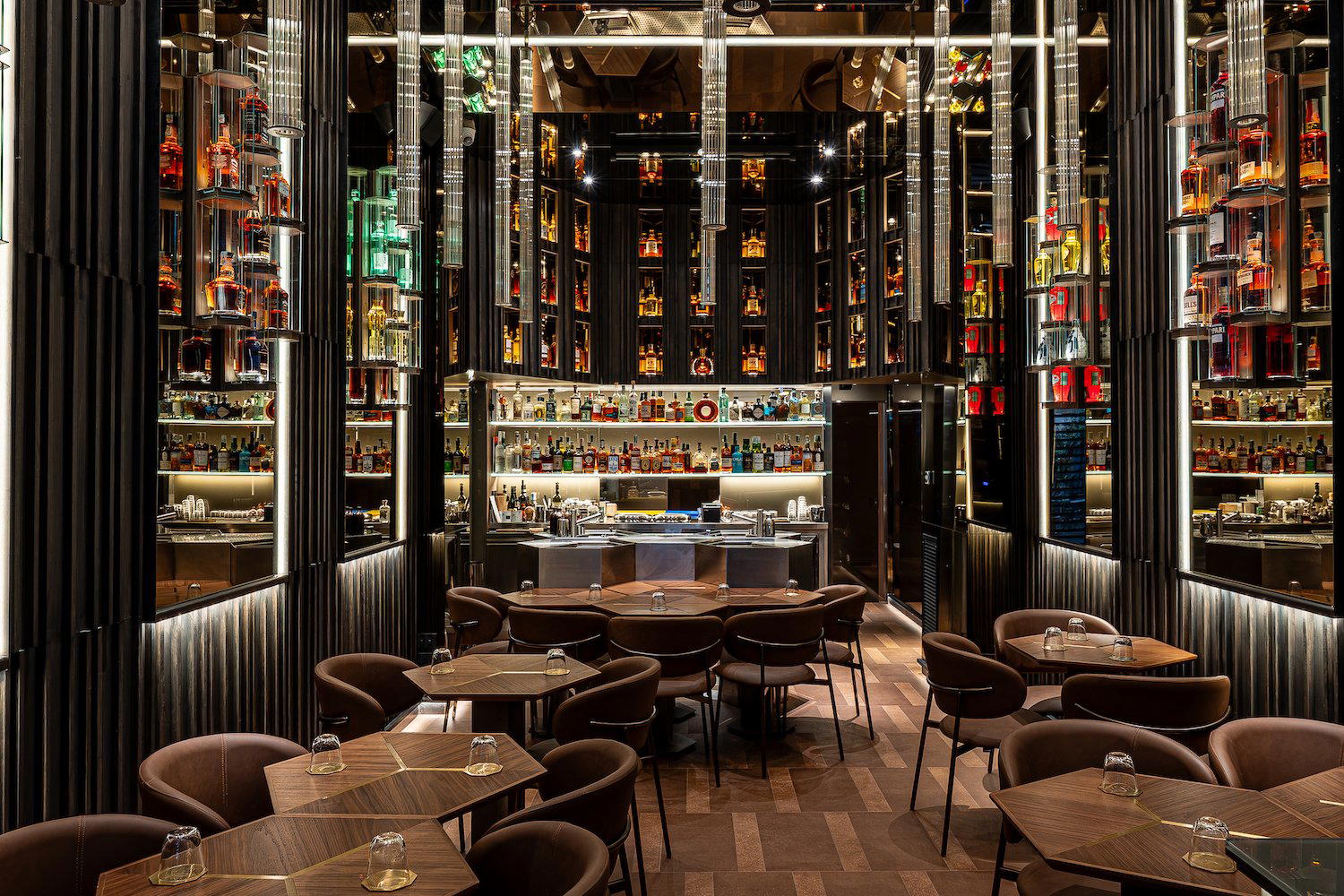
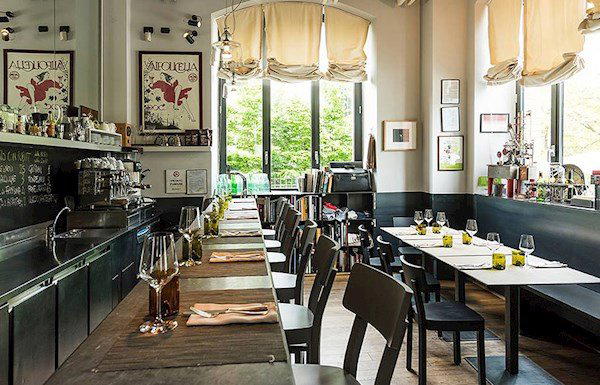
Hotels in Bergamo
Browse all →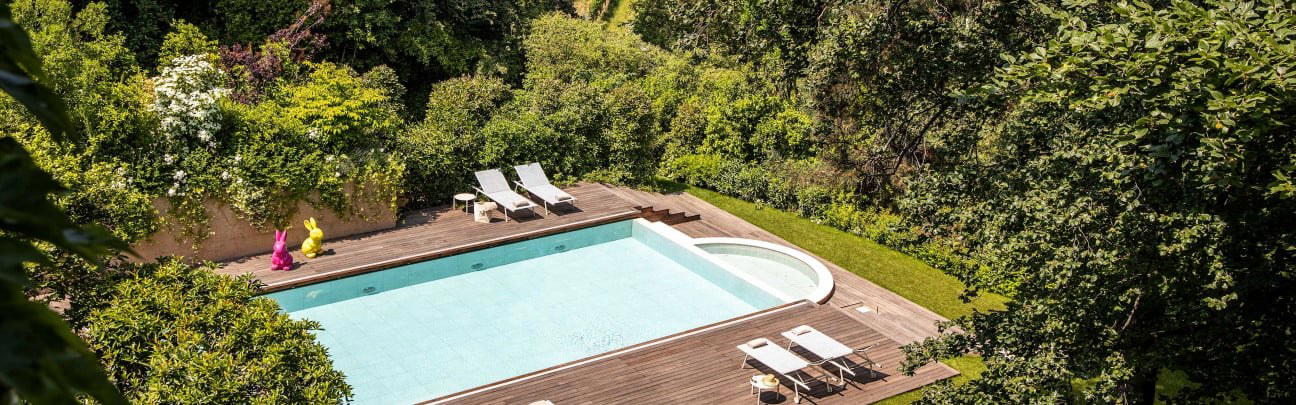
At a Glance
- Cozy
- Rustic
- Classic
- Intimate
- Date Night
- Family
- Group Dining
- Casual Hangout
- Open Kitchen
- Private Dining
- Wine Cellar
- Local Sourcing
Current opening hours
- Monday
- 12–3 PM, 7–11 PM
- Tuesday
- 12–3 PM, 7–11 PM
- Wednesday
- 12–3 PM, 7–11 PM
- Thursday
- 12–3 PM, 7–11 PM
- Friday
- 12–3 PM, 7–11 PM
- Saturday
- 12–3 PM, 7–11 PM
- Sunday
- Closed
Hours can change for holidays and private events. Last verified .
Warm and inviting family atmosphere with old-fashioned, rustic décor; open kitchen visible to diners; described as busy and lively with a homey, unpretentious feel.