
A third-generation family operation at Adam Road Food Centre, Selamat Datang Warong Pak Sapari holds a 2025 Michelin Bib Gourmand for mee soto and mee rebus rooted in Malaysian flavour tradition. At the single-dollar price tier, it occupies the same Bib-recognised noodle stall category as several other Singapore hawker institutions, but with a distinctly Malay-Javanese register that sets it apart from the city's Chinese-dominant noodle stalls.
Pearl is the En Primeur Club membership app — saves, bookings, and concierge access live there. Same editors, same standards.
- Address
- 2 Adam Rd, #01-09, Singapore 289877
- Phone
- +65 6312 8775
- Website
- facebook.com
- Directions
- Get directions
 Saves & bookings on Pearl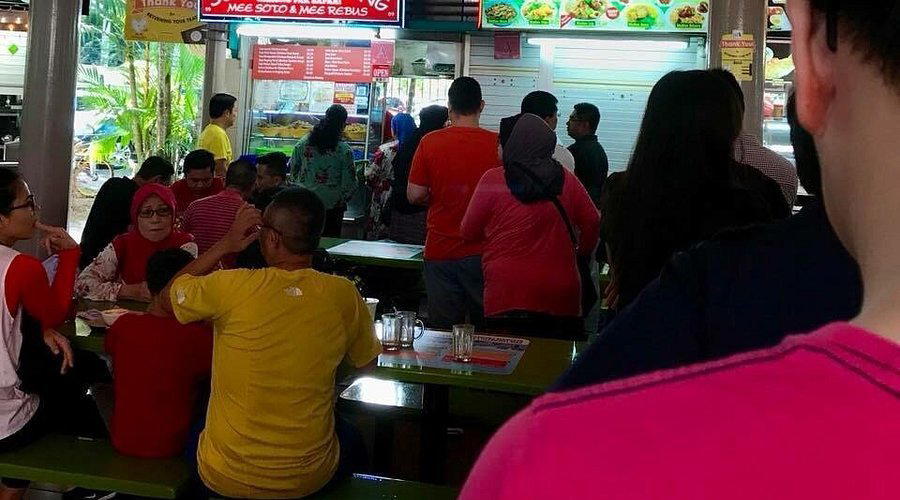
The Hawker Context: Where Adam Road Fits in Singapore's Noodle Economy
Singapore's Michelin Bib Gourmand list has, since its debut in 2016, done something unusual for a tyre company's dining guide: it has legitimised what locals already knew. The city's hawker centres and coffee shops represent a parallel fine-dining ecosystem, one measured not in white tablecloths but in queue length, generational continuity, and flavour fidelity. Adam Road Food Centre sits in the Bukit Timah corridor, a cluster of mid-island neighbourhoods where longstanding stalls have operated for decades largely without the media spotlight that falls on Chinatown Complex or Maxwell Road. That relative quietness makes the centre worth attention for anyone tracking where Singapore's hawker culture is genuinely rooted rather than tourist-facing.
Within that context, Selamat Datang Warong Pak Sapari is a precise data point. A Bib Gourmand in 2025, third-generation ownership, and a menu anchored to mee soto and mee rebus: these are the markers of a stall that has maintained a clear identity across a long arc. Compare this to Hill Street Tai Hwa Pork Noodle, which operates in the Teochew-Chinese noodle tradition with a Michelin star, or 545 Whampoa Prawn Noodles and Adam Rd Noo Cheng Big Prawn Noodle, which operate in the prawn mee register. Warong Pak Sapari fills a different lane: Malay-Javanese noodle cookery, a category that remains genuinely underrepresented in Singapore's Bib Gourmand pool.
The Dishes: Mee Soto and Mee Rebus in Their Malay-Javanese Register
Mee soto and mee rebus share a foundational logic: yellow wheat noodles, a protein, and a sauce or broth that carries the dish's identity. But the flavour profiles diverge sharply. Mee soto uses a clear or lightly clouded broth, typically built on chicken and spiced with turmeric, lemongrass, and galangal. The result is aromatic and relatively light, with heat coming from sambal or sliced chilli on the side. Mee rebus takes the opposite approach: a thick, starchy gravy, usually sweetened with sweet potato and shrimp paste, creates a sauce that clings to the noodles. Both dishes have roots in Javanese cooking that crossed into the Malay Peninsula through migration, and both have evolved distinct Singaporean and Malaysian variants over decades.
The Michelin assessment notes that the flavours here are authentically Malaysian, a distinction that carries weight in Singapore, where many hawker iterations of these dishes have drifted toward local palate adjustments. The recommendation to add coriander for extra fragrance is a practical pointer, not a modifier: in Malay-Javanese noodle tradition, fresh herbs at the table are part of the dish's architecture, not an afterthought. At the single-dollar price tier, the stall sits well below the mid-range Cantonese offerings at a place like A Noodle Story, which applies a more constructed, restaurant-style approach to Singapore noodle formats.
For comparison across the region's street food spectrum, the flavour logic at Warong Pak Sapari has closer cousins in George Town than in central Singapore. The broth discipline at Ah Boy Koay Teow Th'ng in George Town, or the curry-forward intensity at Air Itam Sister Curry Mee, reflect the same Peninsular Malaysian culinary lineage. Singapore's Malay hawker tradition is, in this sense, a node in a wider network rather than an isolated phenomenon.
Planning the Visit: What the Booking Experience Actually Looks Like
There is no reservation system at Warong Pak Sapari. This is not a limitation specific to this stall: it is the operating model of Singapore's hawker culture at the single-dollar price point. You arrive, you queue, you find a seat. The practical intelligence here lies not in how to book but in how to time the visit intelligently.
Adam Road Food Centre operates on hawker centre rhythms: peak demand at breakfast and lunch, with queues at popular stalls forming before the centre opens and reaching their longest point between roughly 11:30am and 1:30pm on weekdays. Weekend mornings at food centres along the Bukit Timah corridor tend to draw a mix of post-exercise crowds from the nearby Botanic Gardens and reservoir park areas and regular neighbourhood visitors. Arriving before the late-morning rush or after the main lunch window is the standard local approach to managing queue time at any Bib Gourmand hawker stall.
Hawker stalls of this generation often take rest days mid-week, and schedules can shift around public holidays or family commitments without formal notice. This is worth flagging particularly for visitors planning a specific trip to Adam Road rather than passing through the neighbourhood.
The address is 2 Adam Road, #01-09, Singapore 289877. Adam Road Food Centre is accessible by bus from the Botanic Gardens MRT station (Circle and Downtown lines), making it a reasonable add-on to a visit to the Gardens. For those exploring the wider Singapore hawker circuit, 91 Fried Kway Teow Mee represents the char kway teow end of the hawker noodle spectrum and operates in a different part of the city, illustrating how Singapore's Bib Gourmand noodle stalls are geographically dispersed rather than clustered.
Third-Generation Continuity and What It Signals
Family-run hawker stalls that survive to a third generation are documenting something the Michelin process recognises but cannot fully quantify: the transmission of technique and flavour memory across decades. In Singapore's hawker context, this kind of continuity has become a concern at the policy level, with the National Environment Agency running succession programmes specifically to address the attrition of traditional stall formats. A third-generation operation is, in this environment, a data point about resilience as much as about food.
The Javanese-Malay noodle tradition that Warong Pak Sapari operates in is narrower than the Chinese-dialect noodle formats that dominate Singapore's hawker recognition. Stalls working in this register at Bib Gourmand level are fewer, which gives the continued operation of a place like this a different kind of significance within the city's hawker ecosystem. For a broader map of where this fits, Singapore's street food scene sits in a regional network that includes 888 Hokkien Mee in George Town, Ali Nasi Lemak Daun Pisang, and further afield, the dessert-forward street food traditions of A Pong Mae Sunee in Phuket and Anuwat in Phang Nga. The Malay Peninsula culinary corridor runs through all of them in different registers.
For those building a Singapore itinerary around hawker culture alongside higher-bracket dining, the EP Club guides cover the full range: see our full Singapore restaurants guide, our full Singapore hotels guide, our full Singapore bars guide, our full Singapore experiences guide, and our full Singapore wineries guide. And for Southeast Asian street food beyond Singapore, the Air Itam Duck Rice and Banana Boy in Hong Kong entries illustrate how regional street food traditions diverge sharply once you cross into different culinary geographies.
Quick Reference
Selamat Datang Warong Pak Sapari, 2 Adam Road, #01-09, Singapore 289877. Michelin Bib Gourmand 2025. Price range: $. No reservations; walk-in only. Confirm hours via recent reviews before visiting.
The Minimal Set
| Venue | Cuisine | Price |
|---|---|---|
| Selamat Datang Warong Pak SapariThis venue — the venue you are viewing | Street Food | $ |
| Zén | European Contemporary | $$$$ |
| Jaan by Kirk Westaway | British Contemporary | $$$ |
| Burnt Ends | Australian Barbecue, Barbecue | $$$ |
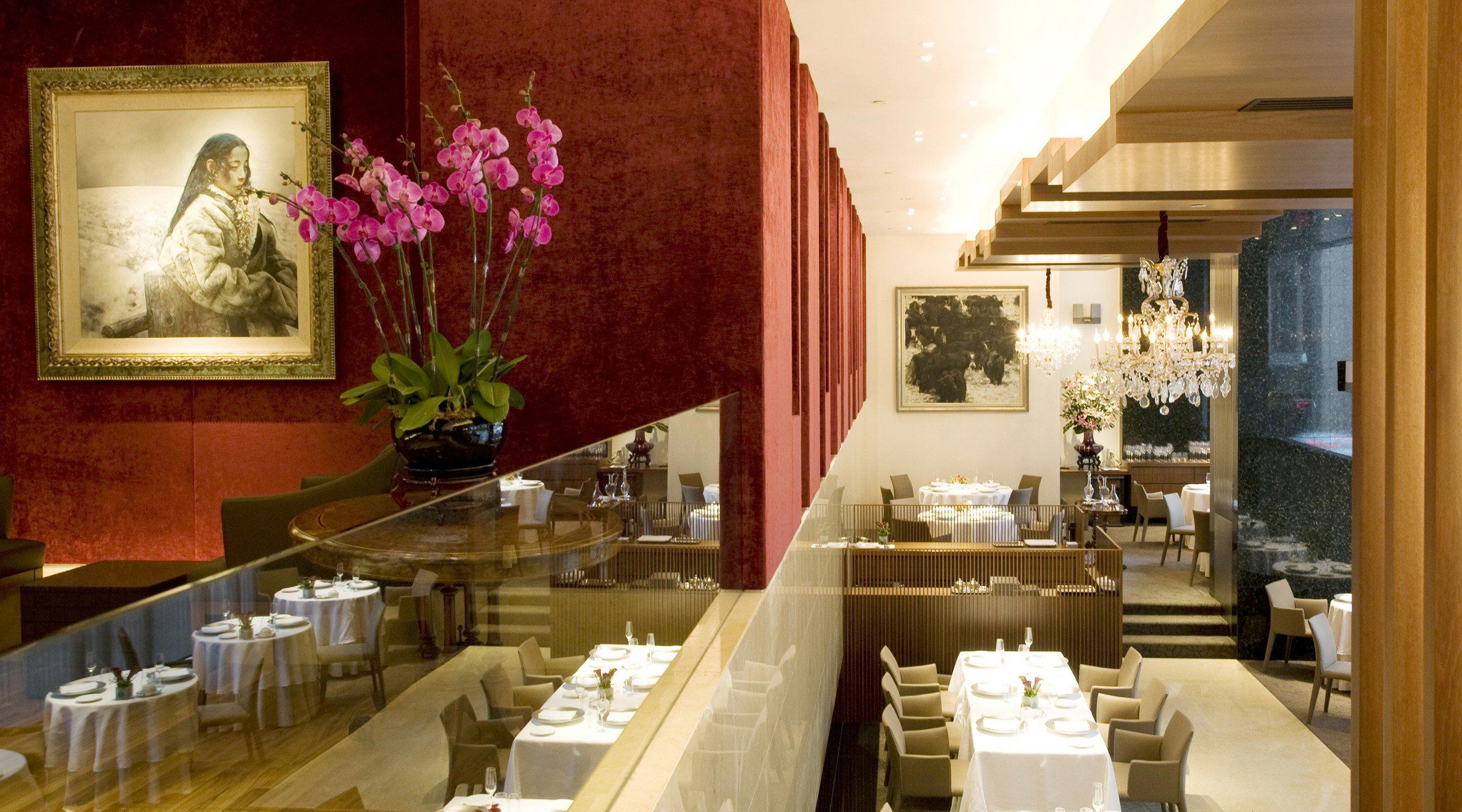
| Summer Pavilion | Cantonese | $$ |
| Born | Creative Cuisine, Innovative | $$$$ |
Recognition history
Dated appearances from independent guides and award organizations, with the underlying list record or original source where available.
Michelin Guide Bib Gourmand
Michelin Guide
Michelin Bib Gourmand
Michelin
Michelin Bib Gourmand
Michelin
Continue exploring
More in Singapore
Restaurants in Singapore
Browse all →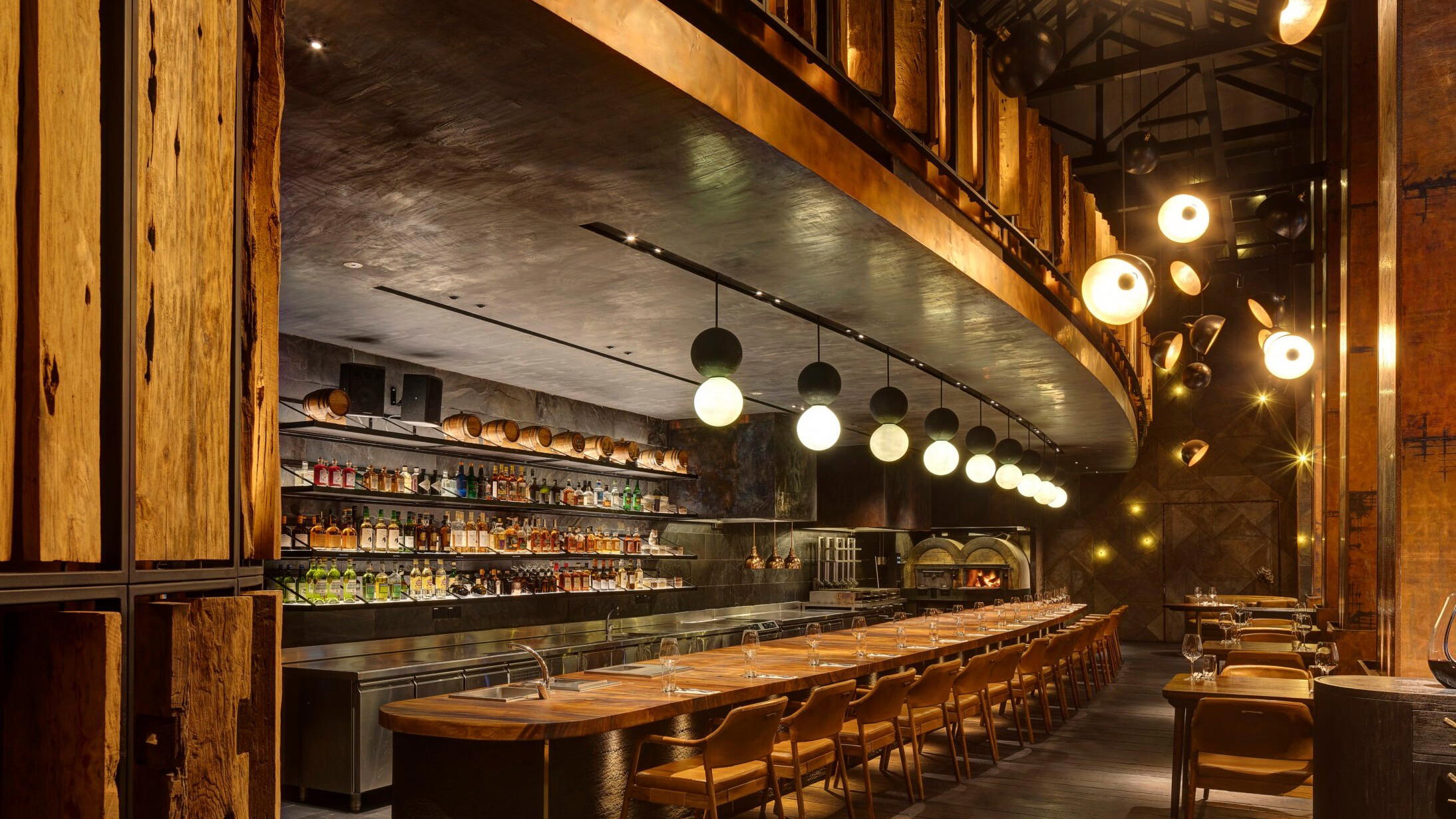
Bars in Singapore
Browse all →
At a Glance
- Rustic
- Casual Hangout
- Solo
- Family
- Standalone
Current opening hours
- Monday
- 8 AM–7:30 PM
- Tuesday
- 8 AM–7:30 PM
- Wednesday
- 8 AM–7:30 PM
- Thursday
- 8 AM–7:30 PM
- Friday
- Closed
- Saturday
- 8 AM–3 PM
- Sunday
- 8 AM–3 PM
Hours can change for holidays and private events. Last verified .
Casual hawker centre atmosphere with queues, stuffy ventilation, and focus on hearty, substantial noodle soups.
Know Before You Go
- Getting there
- 2 Adam Rd, #01-09, Singapore 289877