Seafood Unlimited
Our verdict
Seafood Unlimited at 270 S 20th St sits in the Rittenhouse Square corridor, where Philadelphia's most consistent neighborhood restaurants earn loyalty through repetition rather than reinvention. In a city that has largely moved toward tasting-menu formats and chef-driven concepts, this address holds a different kind of appeal, the kind that fills seats on a Tuesday without a publicist.

Pearl is the En Primeur Club membership app, where members save venues, book tables and use the concierge.
The menu
What to order
- Unlimited Mussels
- Fish Tacos
- Crab Cakes
- Tuna Niçoise Salad
- Soft Shell Crabs
- Oysters
What Rittenhouse Square Regulars Know That First-Timers Don't
Philadelphia's Rittenhouse Square dining corridor operates on two tracks. The first is the one that draws attention from food media: the tasting-menu destinations, the James Beard nominations, the reservation queues that stretch months ahead. The second track is quieter, occupied by the restaurants that the neighborhood's own residents treat as extensions of their kitchens. These are the rooms where the host knows your order before you've opened the menu, where the Tuesday-night crowd is as full as the Friday one, and where the measure of quality is not a score from a guide but the consistency of the regulars' returns. Seafood Unlimited, at 270 S 20th St in the 19103 zip code, operates in this second register.
In a city where seafood as a category has been largely absorbed into broader New American menus, think Fork or Friday Saturday Sunday, both of which rotate fish across seasonal menus without building an identity around it, a venue that orients itself specifically toward seafood occupies a narrower, more committed position. That specificity is itself a trust signal for the neighborhood regulars who have made it a habit.
The Rittenhouse Seafood Context
Philadelphia is not a coastal city in the way that Boston or Baltimore frames its identity around the water, but its proximity to the Delaware River watershed and its historic market culture have always made shellfish and fresh fish a reliable part of the city's dining vocabulary. The Reading Terminal Market still carries that tradition daily. What has changed over the past decade is where serious seafood sits in the restaurant hierarchy: the category has either migrated upmarket into European-influenced fine dining rooms or stayed at the very casual end, with little in between.
The middle register, a seafood-focused room that is neither a raw bar attached to a hotel lobby nor a paper-tray fish fry, is genuinely underserved in this part of the city. That gap is part of why a Rittenhouse address with seafood at its center finds a loyal clientele without needing to compete in the same conversation as Kalaya or My Loup, both of which draw on entirely different culinary traditions and guest expectations.
Nationally, the seafood-specific restaurant as a category is one of the harder formats to sustain at mid-market price points. The supply chain for quality fish is more volatile than for proteins like beef or pork, margins are tighter, and guest expectations about freshness are higher. The restaurants that have built lasting reputations in this space, from Le Bernardin in New York City at the fine-dining end to Providence in Los Angeles at a similar tier, have done so by committing to sourcing depth and consistency. At the neighborhood level, the equivalent commitment tends to show up not in press releases but in the regulars who keep returning precisely because the product is reliable.
What Keeps the Regulars Coming Back
The repeat-customer dynamic in neighborhood seafood restaurants follows a recognizable pattern across American cities. First-time visitors often arrive on the strength of a recommendation; they return when the execution matches what they were told. By the third or fourth visit, the decision-making shifts, they stop reading the menu and start ordering from memory. That behavioral shift is the clearest indicator that a kitchen has achieved consistency at the level that matters most to a neighborhood crowd.
In the Rittenhouse corridor specifically, the competition for that kind of loyalty is real. Mawn, with its Cambodian and Pan-Asian approach, draws a similarly devoted local following built on the same principle: a clear identity executed repeatedly without drift. Regulars at these kinds of rooms are not chasing novelty; they are investing in reliability. The unwritten menu, the things that long-term guests know to order because they have watched what comes out of the kitchen consistently well, is the real product being sold.
At seafood-focused restaurants, the unwritten menu tends to cluster around whatever the kitchen handles with the most confidence: a preparation style, a sourcing relationship, a specific product category. The restaurants that build the deepest regular bases are those where that confidence is evident enough that first-time guests can see it, even if they lack the context to name it. Among the broader range of ambitious American restaurants that have built similar reputations through depth rather than spectacle, Lazy Bear in San Francisco, Blue Hill at Stone Barns in Tarrytown, Single Thread Farm in Healdsburg, the throughline is always the same: a kitchen that knows what it does and does it repeatedly.
Seafood Unlimited operates at a different scale and price point than those references, but the underlying principle applies across formats. Neighborhood seafood restaurants earn their regulars the same way destination restaurants earn their critics: by being exactly what they said they were, consistently, over time.
Philadelphia's Broader Dining Moment
Philadelphia's restaurant scene in the mid-2020s is in a period of real sophistication. The city has moved well past the moment when it needed to prove itself relative to New York; the current conversation is about its own internal development. Venues like Alinea in Chicago, Atomix in New York City, and The French Laundry in Napa set a certain benchmark for what American fine dining looks like at its most technical, but the health of a city's dining culture is never measured only at that end of the spectrum. It is measured in the density and quality of the mid-tier, the neighborhood rooms that sustain themselves on repeat business rather than destination tourism.
By that measure, the Rittenhouse Square corridor is in good shape. The presence of committed, format-specific restaurants, whether Thai at Kalaya, French-influenced at My Loup, or seafood-oriented at this address, indicates a neighborhood that can support specificity rather than demanding versatility from every kitchen. That is a sign of maturity in a dining market. See our full Philadelphia restaurants guide for the wider picture.
Know Before You Go
- Address: 270 S 20th St, Philadelphia, PA 19103
- Neighborhood: Rittenhouse Square
- Cuisine focus: Seafood
- Phone: Not publicly listed, check current listings for updated contact
- Hours: Confirm directly; hours not available at time of publication
- Nearest comparison tier: Neighborhood mid-market; distinct from tasting-menu formats in the same corridor
Frequently asked questions
What should I order at Seafood Unlimited?
Philadelphia's mid-market seafood rooms tend to anchor around shellfish and local catches when they are at their most assured; those categories are a reliable starting point at any address in this format.
Is Seafood Unlimited reservation-only?
In the Rittenhouse Square corridor, mid-market neighborhood restaurants typically operate a mixed model, reservations available but walk-ins accommodated, particularly earlier in service. Given the address and the format, contacting the venue directly before a Friday or Saturday visit is advisable. Philadelphia's dining scene at this price tier and neighborhood level generally rewards guests who plan ahead during peak hours.
What is the standout thing about Seafood Unlimited?
The standout characteristic, based on available context, is the category commitment itself. In a part of Philadelphia where most restaurants treat seafood as one component of a broader New American menu, a venue that orients its entire identity around fish and shellfish occupies a genuinely specific position. That specificity, when executed with consistency, is what builds the kind of regular clientele that sustains a neighborhood restaurant over years rather than seasons.
How does Seafood Unlimited fit into Philadelphia's seafood dining options compared to other cities?
Philadelphia sits in an interesting position nationally for seafood dining: close enough to the mid-Atlantic coast to access quality product, but historically less associated with seafood identity than cities like Baltimore or Boston. That creates a gap in the market that a dedicated seafood address in Rittenhouse can fill more cleanly than it could in a city where the category is already crowded. For context, the mid-tier seafood restaurant as a sustained format is one that cities like New Orleans, home to Emeril's and a deep shellfish culture, and San Diego, where Addison operates in a broader fine-dining ecosystem, have developed over decades. Philadelphia is still building that depth, which makes a committed neighborhood seafood room at this address a more distinctive proposition than it might appear on paper.
The Essentials
Comparable venues nearby, for context on price, style, and recognition.
| Venue | Cuisine | Price | Notes |
|---|---|---|---|
| Seafood UnlimitedThis venue (the venue you are viewing) | Fresh Seafood | $20–30 | Not listed |
| High Street on Market | Modern American with House-Made Breads and Pastas | $30–50 | Washington Square West, Modern American with House-Made Breads and Pastas |
| Monk's Cafe | Belgian Gastropub | $20–30 | Rittenhouse Square, Belgian Gastropub |
| New Harmony Vegetarian Restaurant | Vegan Chinese | Not listed | Old City, Vegan Chinese |
| Santucci's North Broad | Original Square Pizza | $20–30 | Avenue of the Arts, Original Square Pizza |
| Tomo Sushi & Ramen | Japanese Sushi & Ramen | $20–30 | Old City, Japanese Sushi & Ramen |
Continue exploring
More in Philadelphia
Restaurants in Philadelphia
All restaurants in Philadelphia →
Bars in Philadelphia
All bars in Philadelphia →
Details
- Cozy
- Classic
- Casual
- Casual Hangout
- Date Night
- Group Dining
- After Work
- Standalone
- Byob
- Beer Program
- Sustainable Seafood
- A La Carte
- Prix Fixe
- Beer
- Wine
- Vegetarian Friendly
- Pescatarian Friendly
Current opening hours
- Monday
- Closed
- Tuesday
- 4:30–8:30 PM
- Wednesday
- 4:30–8:30 PM
- Thursday
- 4:30–8:30 PM
- Friday
- 4:30–8:30 PM
- Saturday
- 4:30–8:30 PM
- Sunday
- Closed
Hours can change for holidays and private events. Hours as of .
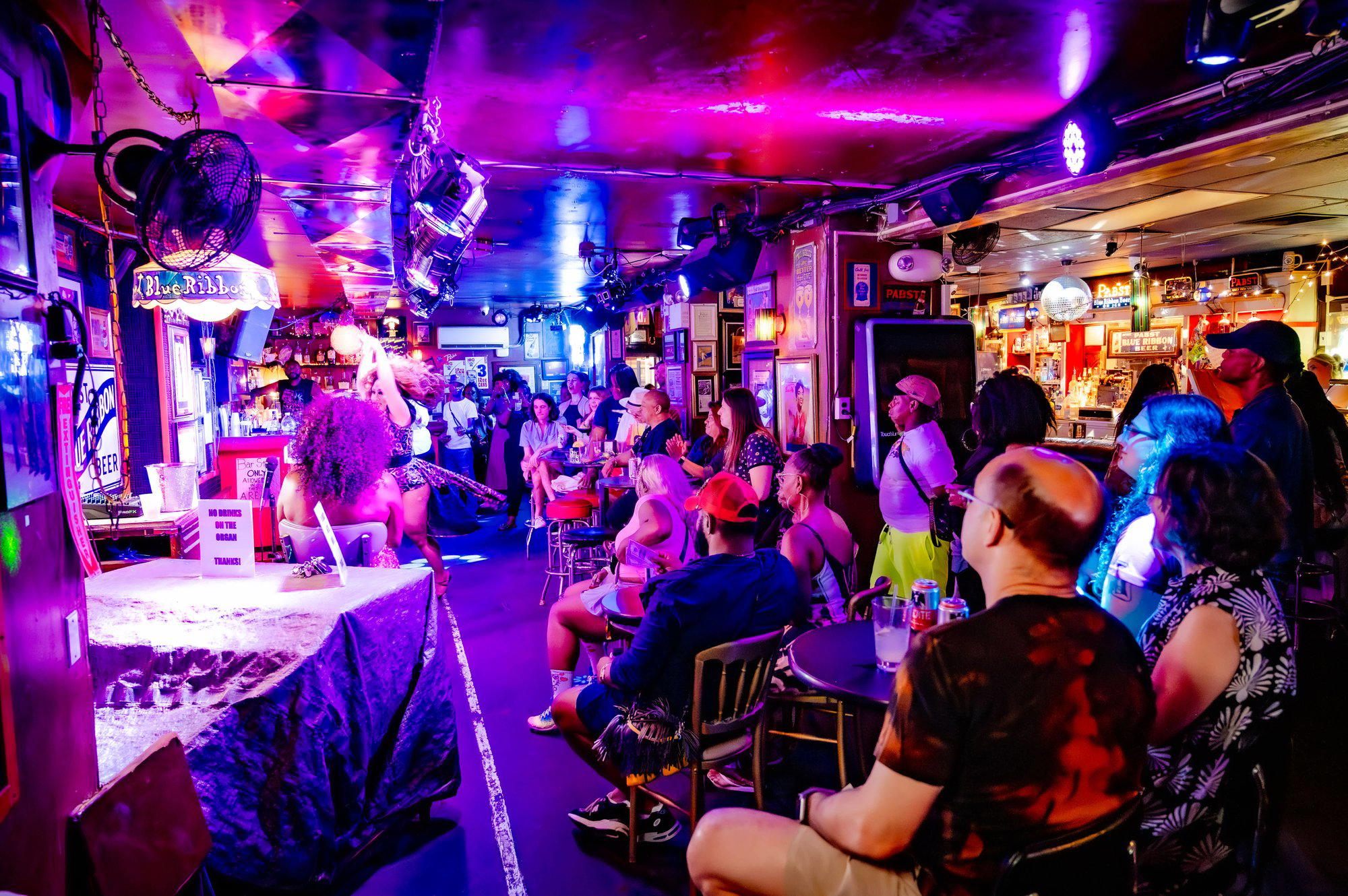
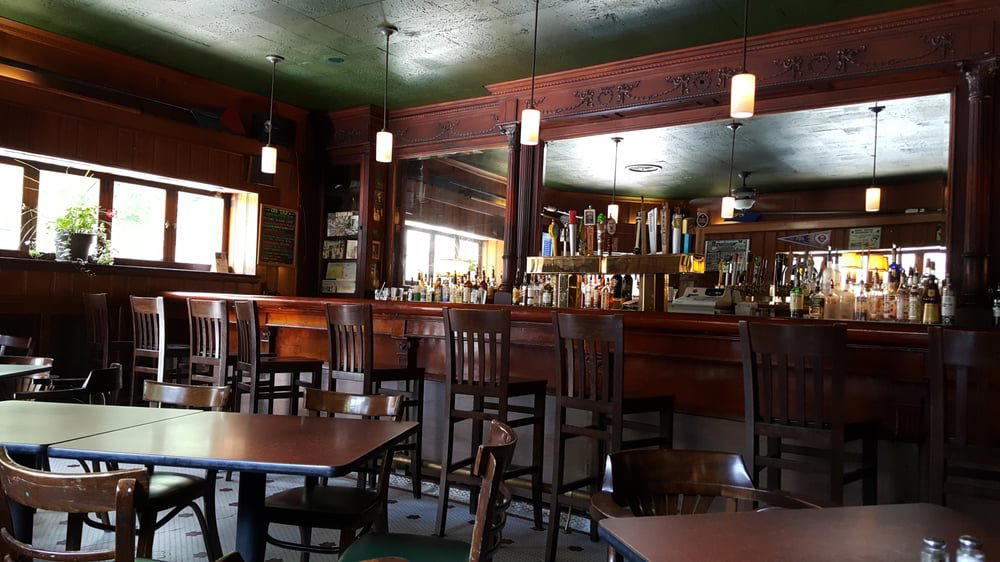
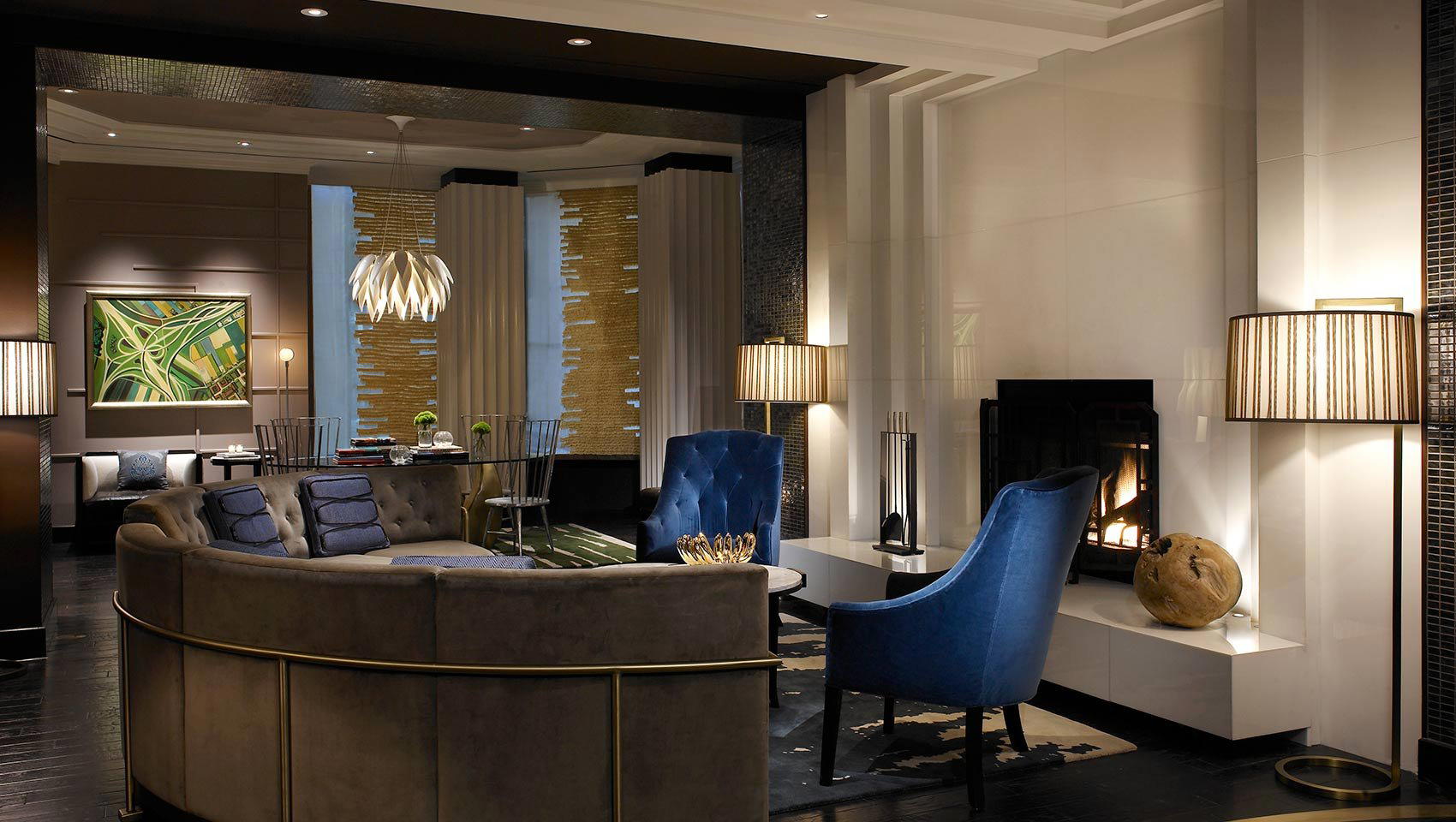
Casual neighborhood dining room with casual, unpretentious atmosphere; intimate bar seating with quirky decor; warm and welcoming despite modest furnishings.